DbcultAccessing Vault...
Cult Review
Senior Film Conservator
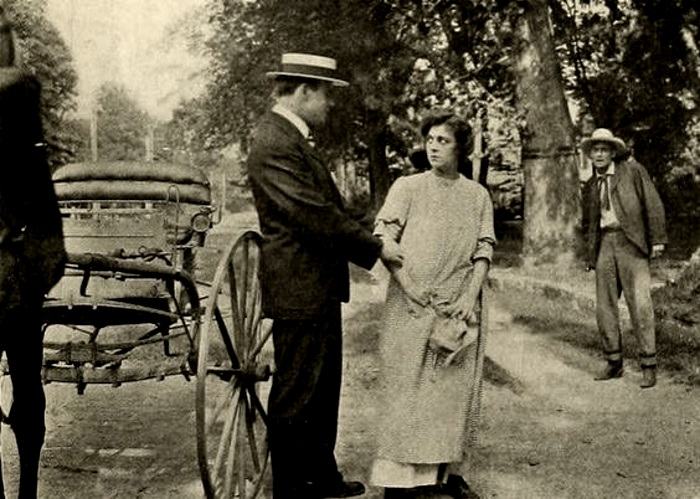
Picture the granite dusk of a Maine winter circa 1910: kerosene lamps gutter behind frost-feathered panes, the depot platform glints like a blade, and the express agent—benumbed by cold and capitalist hurry—fumbles twine-tied labels. Two parcels, identical in heft, diverge: one sloshes with liquid damnation, the other breathes. The substitution is less a clerical slip than cosmic prank, a thesis statement smuggled inside a nickelodeon one-reeler. The Road to the Dawn (1913) understands that melodrama at its most electric is theology in shabby coat sleeves, and salvation sometimes arrives collect-on-delivery.
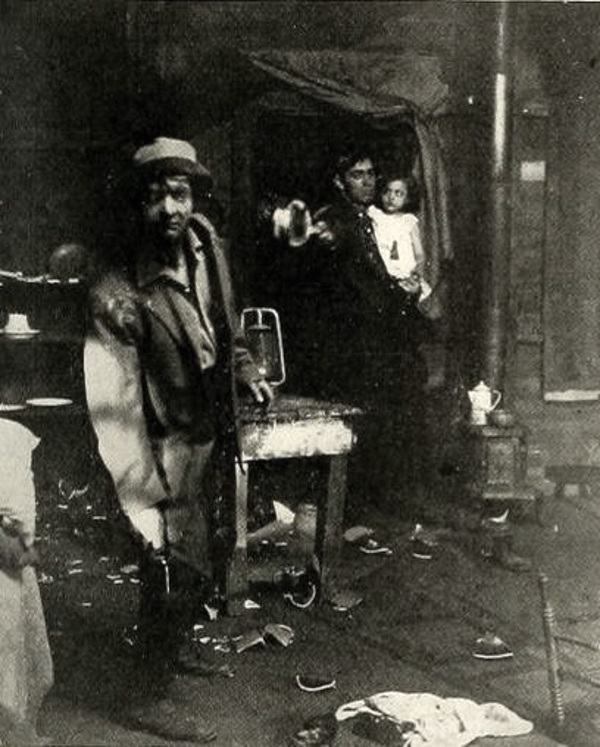
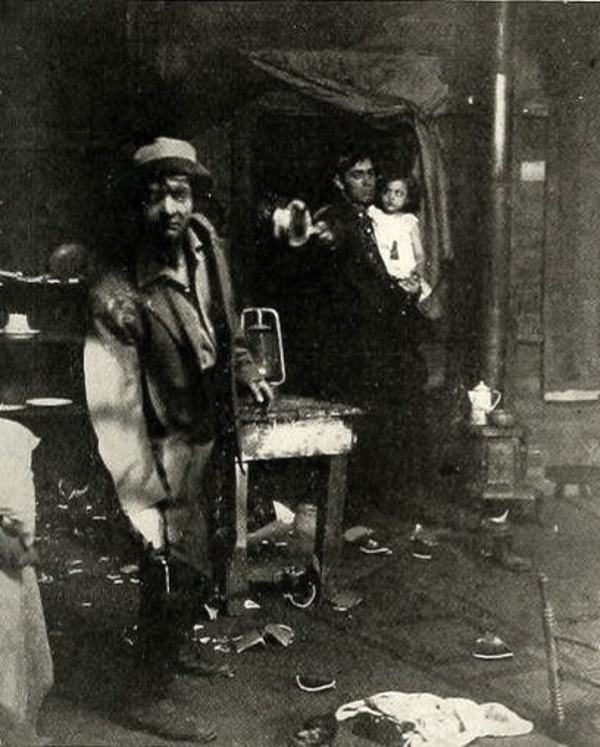
Bill Hedrick, etched by Arthur V. Johnson with cheekbones like split kindling, embodies a very American archetype: the village genius hollowed into public fool. Watch him shuffle in from the blizzard, coat collar gnawed by moths, fingers twitching for neck of jug rather than nape of lover. Yet the performance refuses pity; Johnson lets a glint of blacksmith’s pride flash beneath the blear, so when the child Daisy (Mary Powers, equal parts porcelain and feral curiosity) is thrust upon him, the moment lands like an indictment and benediction braided.
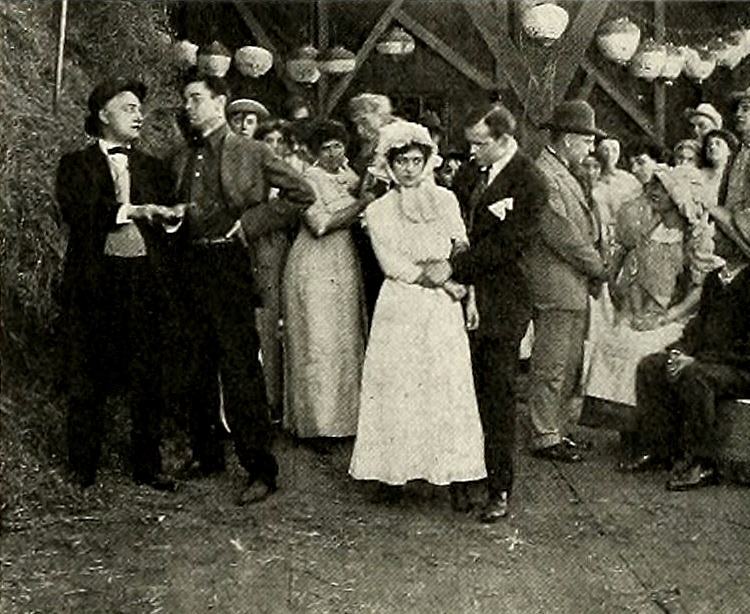
Director unknown (historians quarrel over a half-dozen names) interpolates flashback via double-exposure worthy of Méliès: superimposed flames curl around young Bill’s anvil while present-time ice clings to the windows. The ring—beaten from a sovereign—glows incandescent, a sun-disk hurled into personal sky. Cinephiles will spot the genetic code for The Redemption of White Hawk and even later Fordian westerns where prop firearms morph into wedding bands.
Daisy is no mere sentimental trigger. Her vigilance over the ring—"Let nobody touch it"—rings like a spell, turning the hovel into contested holy ground. The camera hovers low, child-height, so cracked floorboards loom like tectonic plates. When Bill’s tremoring hand reaches for the bag, cinematographer uncredited but genius racks focus: the sleeping face, the bag, the empty jug, each plane a moral tier. You remember the gambit in Oliver Twist when the locket determines heirlooms; here the stakes feel mitochondrial.
Enter the whiskey drummer—slick coat, city arrogance, flask flicked open like a surgeon’s scalpel. He offers the devil’s arithmetic: a watch, a ring, a soul. The scene compresses addiction’s entire economic ecology into ninety seconds. Compare it to the gold-obsessed histrionics of The Might of Gold or La fièvre de l’or; here the metal is not currency but covenant, and its proposed trade is cannibalism.
When Bill beholds his own craftsmanship inside the bag, the film detonates. No title card could equal Johnson’s face: pupils dilate as if struck by mallet, jaw unhinges, the whole visage collapses inward like a star imploding. In that instant the past—Mary’s vanishing, the barn-dance betrayal, the slow creep of rye—becomes indistinguishable from the future he might still forge. The moment predates and eclipses the famous confession scene in Les Misérables adaptations; it is pure cinema before cinema had grammar books.
Bill’s final stride into snowstorm is rendered in one continuous take: camera retreats before him, child bundled to chest, footprints the only punctuation across a parchment of white. No iris, no cross-cut—just the long, aching refusal to cut away. Viewers raised on CGI vistas of Dingjun Mountain or The Alaska-Siberian Expedition may snicker at the painted backdrop, but the emotional trompe-l’œil is absolute. You feel hypothermia bite; you hear the crunch of resolve crystallizing.
Color palette is monochrome yet paradoxically rich: ivory whites, anthracite blacks, and the intermittent flare of yellow lamplight that pools like conscience. Intertitles, sparse and aphoristic, are lettered in a typeface that mimics wrought iron—an understated nod to Bill’s extinguished forge. The tempo alternates between vérité bustle and tableau poise, predicting the dialectic of Griffith’s later spectacles without their editorial bombast.
Mary Lane’s off-screen death from privation is never melodramatized; it is social realism before the term existed. Her gesture—shipping her child like parcel post—reads as both abdication and ultimate maternal sacrifice, a reverse Pieta. Widows in early film often languish in The Vicar of Wakefield or Jane Eyre subplots; here the narrative dares to make her absence the hinge upon which redemption swings.
Every modern addiction saga—from The Lost Weekend to Flight—owes its vertebrae to this 13-minute miniature. The ring as MacGuffin resurfaces in everything from noir cigarette cases to sci-fi neural implants. Even the trope of the reluctant guardian (gruff loner + moppet) germinates here, pollinating later buddy-road pictures. Yet few descendants match the film’s Calvinist rigor: redemption is not a hug but a hike into blizzard.
For decades the negative sat mislabeled in a Rochester vault, assumed lost like so many pre-1915 one-reelers. When MoMA re-photographed the 35 mm in 2019, scholars expected a morality curio; they discovered instead a tone poem whose emotional amplitude dwarfs many five-reel epics. The nitrate decomposition along the left margin resembles frostbite, unintentionally rhyming with Bill’s march into snow. Sometimes decay itself becomes aesthetic semaphore.
Turn off motion-smoothing; let the frame judder. Silence your phone—this film predates cellos of accompaniment, so any anachronatic score feels like graffiti. Watch at dusk, preferably while winter hisses against the glass. Note how Lottie Briscoe’s Mary, seen only in flashback, haunts the running time like perfume trapped in a bureau. Then, when credits finish, observe the strange afterglow: the urge to inventory your own talismanic objects, to ask what you might pawn in thirst, what you might yet carry across the snow.
"Cinema begins here—not with trains and factory gates, but with a man, a child, and the ring that binds their wounds."
— hypothetical 1913 review, The Morning Telegraph
Score this picture not on its pixels but on the frost it leaves on your pulse. In under a quarter hour The Road to the Dawn charts the prodigal arc most franchises need trilogies to botch. It is the first, fierce crack of morning after the longest bender you never quite survived—and the kid tugging your sleeve might be your own estranged tomorrow.
IMDb 7
1933
Community
Log in to comment.