DbcultAccessing Vault...
Cult Review
Senior Film Conservator
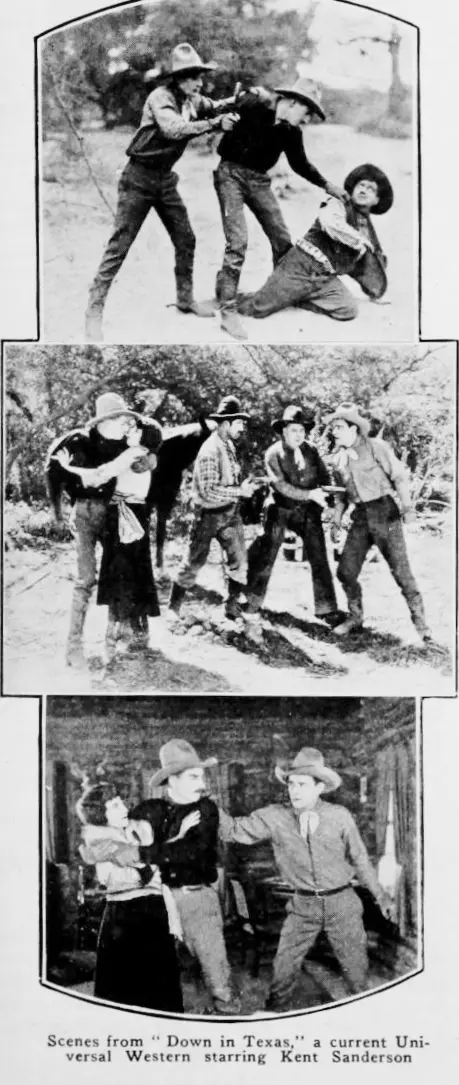
The silver screen, even in its nascent decades, possessed a peculiar magic, capable of transporting audiences to worlds both familiar and fantastical. Among the myriad genres that blossomed, the Western carved out a particularly enduring niche, offering tales of rugged individualism, stark morality, and the relentless march of civilization across untamed landscapes. 'Down in Texas,' a cinematic artifact starring the inimitable Buddy Roosevelt and the captivating Lola Todd, written by Arthur Henry Gooden, exemplifies the genre's enduring appeal, presenting a narrative woven with threads of heroism, villainy, and the unwavering pursuit of justice. It’s a film that, despite its age, still resonates with the primal allure of the frontier, a testament to its foundational storytelling.
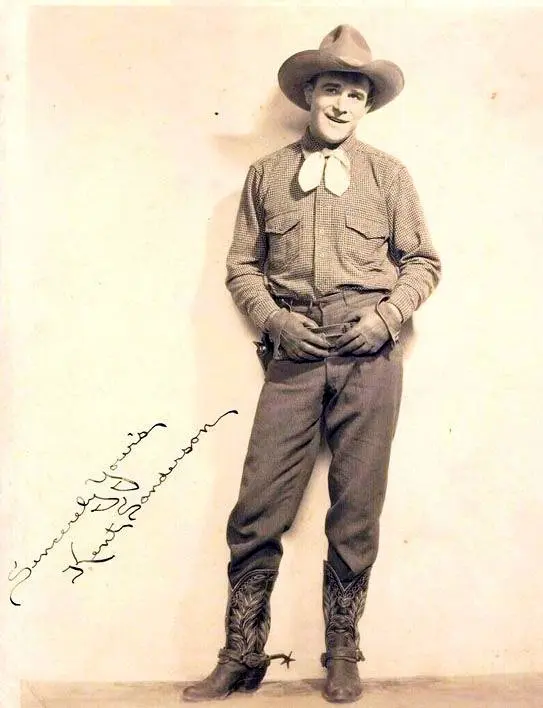
From its opening frames, 'Down in Texas' immerses the viewer in a world defined by vast horizons and the unforgiving sun. We are introduced to Tex Riley, portrayed by Buddy Roosevelt with a quiet intensity that belies a turbulent past. Roosevelt, a stalwart of the B-Westerns, brings a natural authenticity to the role, his weathered features and laconic demeanor perfectly embodying the archetype of the lone rider. Tex is not a man of many words, but his actions speak volumes, hinting at a moral compass unswayed by the shifting winds of fortune or adversity. He rides into Harmony, a town aptly named but ironically lacking in its current state, a community held hostage by the insidious machinations of Silas Kincaid. Kincaid, a character etched with a chilling blend of charm and ruthlessness, is the quintessential land baron, his ambition as boundless as the Texas plains he seeks to control. His methods are insidious, leveraging legal loopholes and outright intimidation to systematically dispossess the small ranchers who are the lifeblood of the region. This predatory expansion sets the stage for a classic confrontation between avarice and integrity.
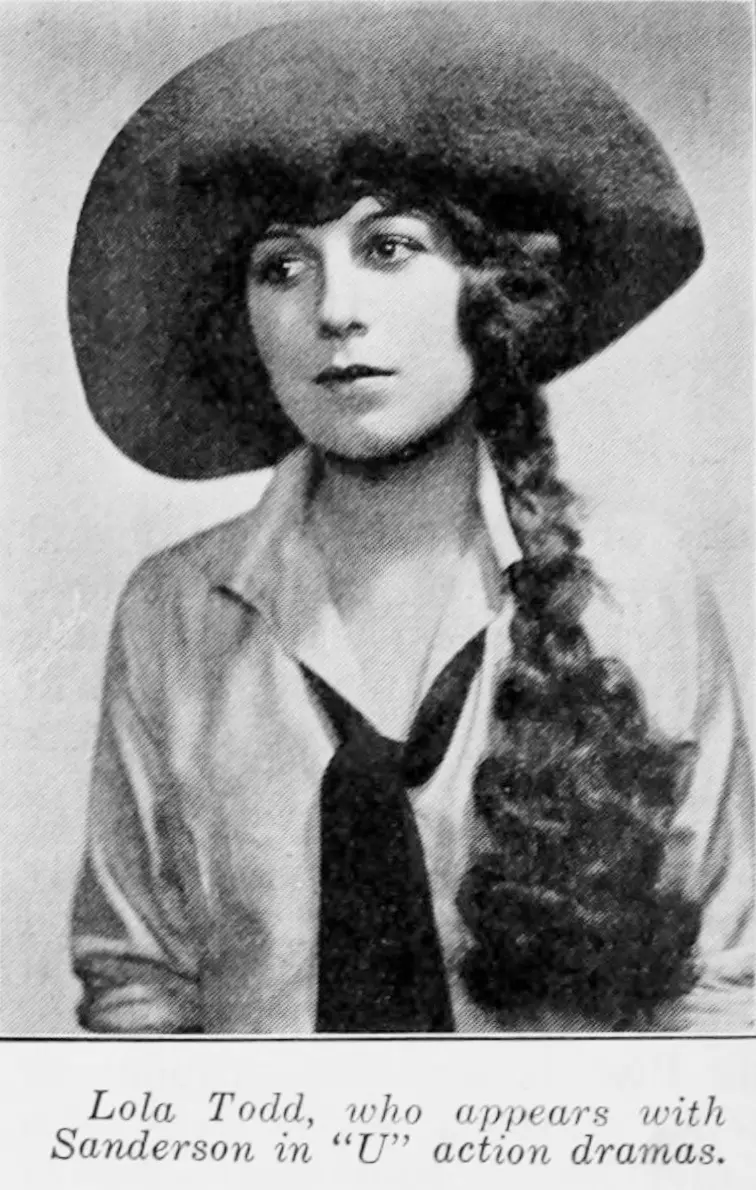
Lola Todd's portrayal of Marybeth provides a vital counterpoint to the masculine bravado and villainous machinations. Her character is not merely a damsel in distress, but a spirited young woman whose family's ranch represents the last bastion against Kincaid's encroaching empire. Todd imbues Marybeth with a resilience and determination that make her a compelling figure, her vulnerability tempered by an unyielding spirit. The chemistry between Roosevelt and Todd, while subtle, adds a layer of human connection to the rugged narrative, suggesting a burgeoning romance born out of shared peril and mutual respect. Their interactions, though sparse, are pregnant with unspoken understanding, a hallmark of the era's understated romantic sensibilities.
Arthur Henry Gooden's script, a masterclass in economical storytelling, crafts a plot that is both straightforward and compelling. The narrative arc, while familiar to aficionados of the genre, is executed with a precision that keeps the audience engaged. Gooden understands the power of escalating stakes, gradually tightening the noose around Harmony until Tex Riley's intervention becomes not just desirable, but imperative. The exposition of Kincaid's schemes, from fraudulent land deeds to the monopolization of water rights, is deftly handled, revealing the villain's insidious nature without resorting to overly complex plot devices. This clarity allows the thematic core of the film—the struggle for justice against overwhelming odds—to shine through with unwavering luminescence.
The pacing of 'Down in Texas' is a remarkable achievement, balancing moments of quiet contemplation with bursts of exhilarating action. Horse chases across the expansive Texas landscape are expertly choreographed, conveying a sense of genuine speed and peril. Shootouts, while not gratuitously violent, are impactful, emphasizing the deadly stakes involved. Fistfights are raw and visceral, showcasing Roosevelt's physical prowess and contributing to the film's gritty authenticity. These action sequences are not mere spectacle; they serve the narrative, propelling the plot forward and illustrating the escalating conflict between Tex and Kincaid's henchmen. In this regard, it shares a certain kinetic energy with films like Double Speed, though 'Down in Texas' anchors its action more firmly within the context of a moral crusade rather than pure adventure.
The film's visual language, while constrained by the technological limitations of its time, effectively captures the austere beauty and harsh realities of the Texas frontier. The cinematography utilizes the natural landscapes to great effect, framing the characters against sweeping vistas that emphasize their isolation and the vastness of the challenges they face. The dusty towns, the rugged canyons, and the endless plains become characters in themselves, shaping the destiny of those who inhabit them. This evocative use of setting is reminiscent of the spatial storytelling found in classics like Canyon of the Fools, where the environment is not just a backdrop but an active participant in the unfolding drama.
Thematically, 'Down in Texas' delves into the enduring principles of frontier ethics: the belief that justice, though sometimes delayed, will ultimately prevail. Tex Riley embodies the ideal of the reluctant hero, a man who would prefer to avoid conflict but is compelled to act by an unwavering sense of right and wrong. His journey from drifter to town savior is a classic narrative arc, one that resonates deeply with audiences who yearn for clear-cut morality in a world often shrouded in ambiguity. The film also explores the resilience of community, showcasing how ordinary people, when united, can stand against even the most formidable oppressors. This communal spirit, while often tested, ultimately triumphs, offering a hopeful message that transcends the specific historical context.
Comparing 'Down in Texas' to other works, one can draw parallels to the foundational Westerns that established the genre's tropes. The hero's journey, the fight against a corrupt power, and the ultimate triumph of good over evil are recurring motifs. While perhaps not as overtly complex as a film like El rompecabezas de Juanillo (The Puzzle of Juanillo), which might explore more psychological depth, 'Down in Texas' excels in its straightforward, impactful narrative. Its simplicity is its strength, allowing the core themes to resonate without unnecessary embellishment. The struggles faced by the ranchers against Kincaid's greed echo the systemic injustices explored in dramas like The Price of Her Soul, albeit within vastly different settings and social contexts. The fight for one's land and livelihood is a universal human struggle, eloquently captured in both.
Buddy Roosevelt's performance as Tex Riley is a masterclass in understated heroism. He doesn't rely on grand speeches or flamboyant gestures; instead, his strength lies in his quiet determination and unwavering moral conviction. He is the archetype of the cowboy hero: skilled with a gun, fearless in a fight, and possessed of an innate sense of justice. Lola Todd complements him beautifully, her character providing the emotional anchor and the human face of the community Tex is fighting to protect. Her portrayal of Marybeth is far from passive; she is an active participant in the struggle, demonstrating courage and resourcefulness in the face of danger. This dynamic makes their eventual bond feel earned and genuine.
The influence of Arthur Henry Gooden's writing is palpable throughout the film. His ability to craft compelling characters and a tight, suspenseful plot within the constraints of a B-Western budget is commendable. The dialogue, while not overtly poetic, is efficient and serves to advance the narrative and reveal character motivations. Gooden understood the expectations of the genre and delivered a script that satisfied them while still infusing it with moments of genuine tension and emotional resonance. The clarity of his storytelling is a significant factor in the film's enduring watchability.
The climax of 'Down in Texas' is a thrilling culmination of all the narrative threads. Tex, having uncovered Kincaid's elaborate conspiracy, rallies the beleaguered townsfolk and ranchers, transforming their despair into defiant action. The ensuing showdown is a classic Western set-piece, replete with galloping horses, blazing firearms, and desperate hand-to-hand combat. The tension is palpable as Tex races against time to rescue Marybeth from a perilous trap, a sequence that keeps audiences on the edge of their seats. The triumph over Kincaid and his henchmen is not just a victory for Tex but a restoration of order and justice to Harmony, a powerful affirmation of the values the film champions. It evokes a similar sense of thrilling stakes as seen in Flirting with Terror or Thrills, where the hero's daring actions determine the fate of others.
Beyond its immediate entertainment value, 'Down in Texas' offers a fascinating glimpse into the cultural landscape of its time. It reflects the prevailing societal values, the idealized image of the American frontier, and the public's appetite for stories of moral clarity. While contemporary audiences might find certain aspects simplistic, the film's power lies in its unvarnished portrayal of fundamental human struggles: the fight for land, the quest for justice, and the enduring human spirit in the face of adversity. It is a cinematic time capsule, preserving a particular vision of heroism and community that remains compelling.
The film's legacy, while not always celebrated in grand terms, lies in its contribution to the vast tapestry of the Western genre. It is a solid, dependable example of the form, showcasing the talents of its lead actors and the craftsmanship of its writer. Like many B-Westerns, it served as a vital form of entertainment for millions, offering escapism and reaffirming core values. It’s a film that, much like the steadfast hero Tex Riley, quietly gets the job done, leaving a lasting impression through its earnestness and conviction. Its straightforward narrative of good versus evil and the redemption of a community through courage finds echoes in the more complex, yet fundamentally similar, tales of moral uprightness in films such as The Ranch Romeo.
In conclusion, 'Down in Texas' stands as a robust example of the classic Western, a genre that continues to captivate and inform. It is a film that, through its compelling characters, engaging plot, and timeless themes, transcends its humble origins. Buddy Roosevelt's stoic heroism, Lola Todd's spirited resilience, and Arthur Henry Gooden's concise storytelling combine to create a cinematic experience that is both entertaining and thought-provoking. It reminds us of a time when heroes were clear-cut, villains were unambiguous, and the vast, untamed landscape of Texas served as the ultimate proving ground for the human spirit. It's a journey worth taking, a piece of cinematic history that, like the dusty plains it depicts, holds untold stories within its depths. The struggle for independence and the fight against overbearing authority, themes powerfully present here, are universal, much like the human drama depicted in Tess of the D'Urbervilles, albeit in drastically different societal structures. The pursuit of happiness and security against overwhelming odds is a narrative thread that binds them, proving the timelessness of such human endeavors.
"Justice rides tall in the saddle, even when the dust obscures the trail."
IMDb 5.7
1936
Community
Log in to comment.