DbcultAccessing Vault...
Cult Review
Senior Film Conservator
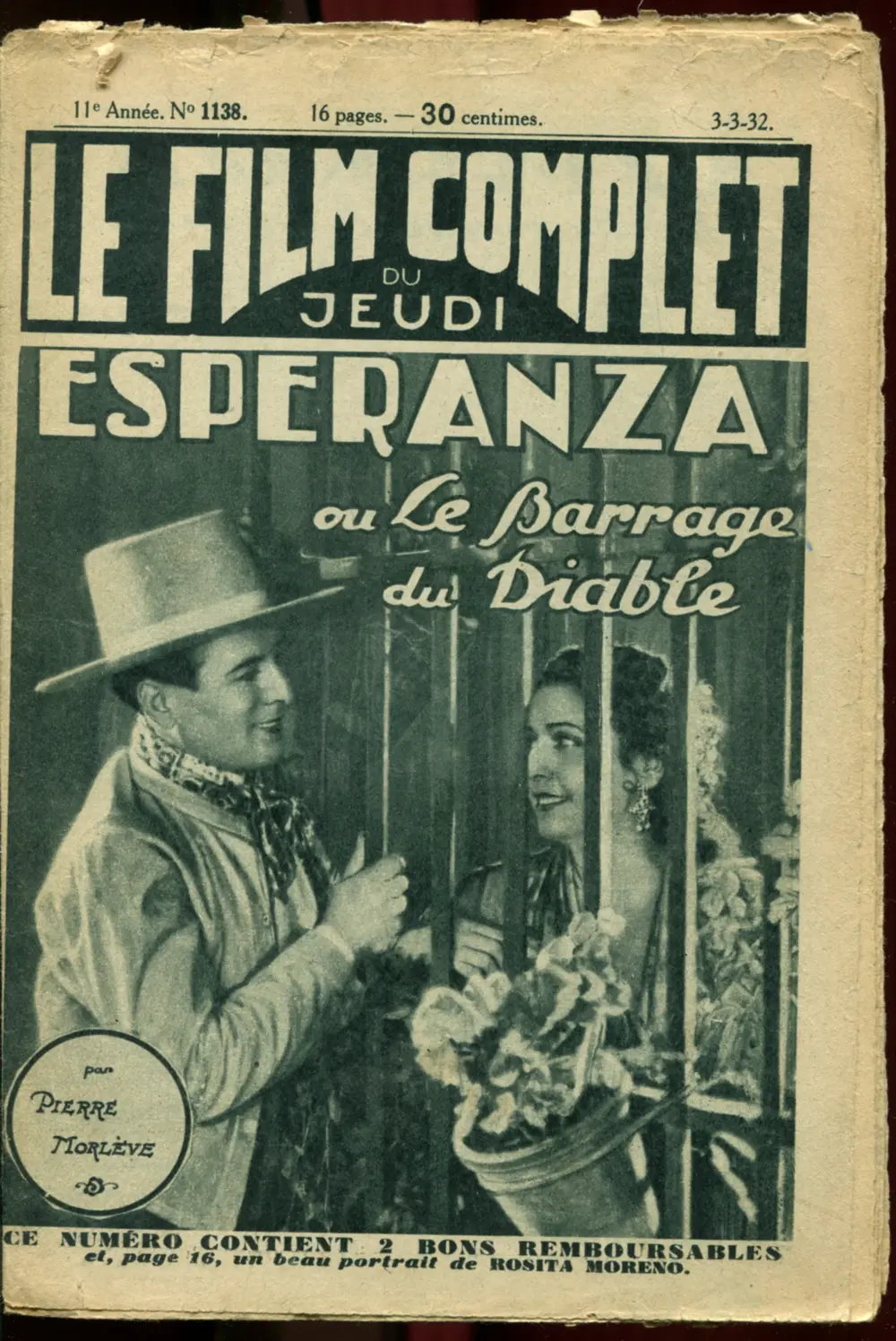
Is Esperanza o La presa del diablo worth watching in the modern age? Short answer: Yes, but only if you possess a deep-seated curiosity for the architectural foundations of Spanish cinema and can stomach heavy-handed religious allegory.
This film is specifically for the cinematic archeologist who enjoys deconstructing silent-era melodrama; it is decidedly not for the casual viewer seeking high-octane thrills or nuanced, modern character development. It is a slow, methodical burn that demands your full attention to its visual metaphors.
1) This film works because the visual contrast between the 'virtuous' rural settings and the 'sinful' urban interiors creates a palpable sense of dread that transcends the silent medium.
2) This film fails because its binary morality leaves no room for character complexity, making the protagonist feel more like a chess piece than a human being.
3) You should watch it if you want to see how early filmmakers used chiaroscuro lighting to represent moral decay long before the Noir era perfected it.
Esperanza o La presa del diablo is a film that wears its heart—and its crucifix—on its sleeve. Directed in 1923, it arrived at a time when Spanish cinema was struggling to find a voice distinct from the dominant French and American imports. Unlike the more whimsical Mirandy Smiles, this film plunges into the dark waters of theological consequence.
The plot is a straightforward descent. We see Esperanza, played with a wide-eyed, almost frantic vulnerability by Isabel de Varona, as she is lured away from her domestic stability. The 'Devil' in the title isn't a red-horned beast, but a series of social transgressions. The pacing is deliberate, perhaps too much so for modern tastes. Every lingering shot of a closed door or a tear-streaked face is designed to weigh the viewer down with the gravity of her 'sin'.
One particular scene stands out: Esperanza looking into a mirror while draped in borrowed finery. The lighting shifts, casting a shadow that mimics a claw across her throat. It is subtle for the era, yet incredibly effective. It reminds me of the psychological tension found in La bruja, where the supernatural is always lurking just beneath the surface of the mundane.
Antonio Barber delivers a performance that is, quite frankly, terrifying. He doesn't just act; he looms. In an era where pantomime often devolved into caricature, Barber manages to maintain a sense of grounded menace. His interactions with Manuel Kuindós provide a fascinating look at the masculine power dynamics of the time. They represent two sides of a coin: the protector and the predator.
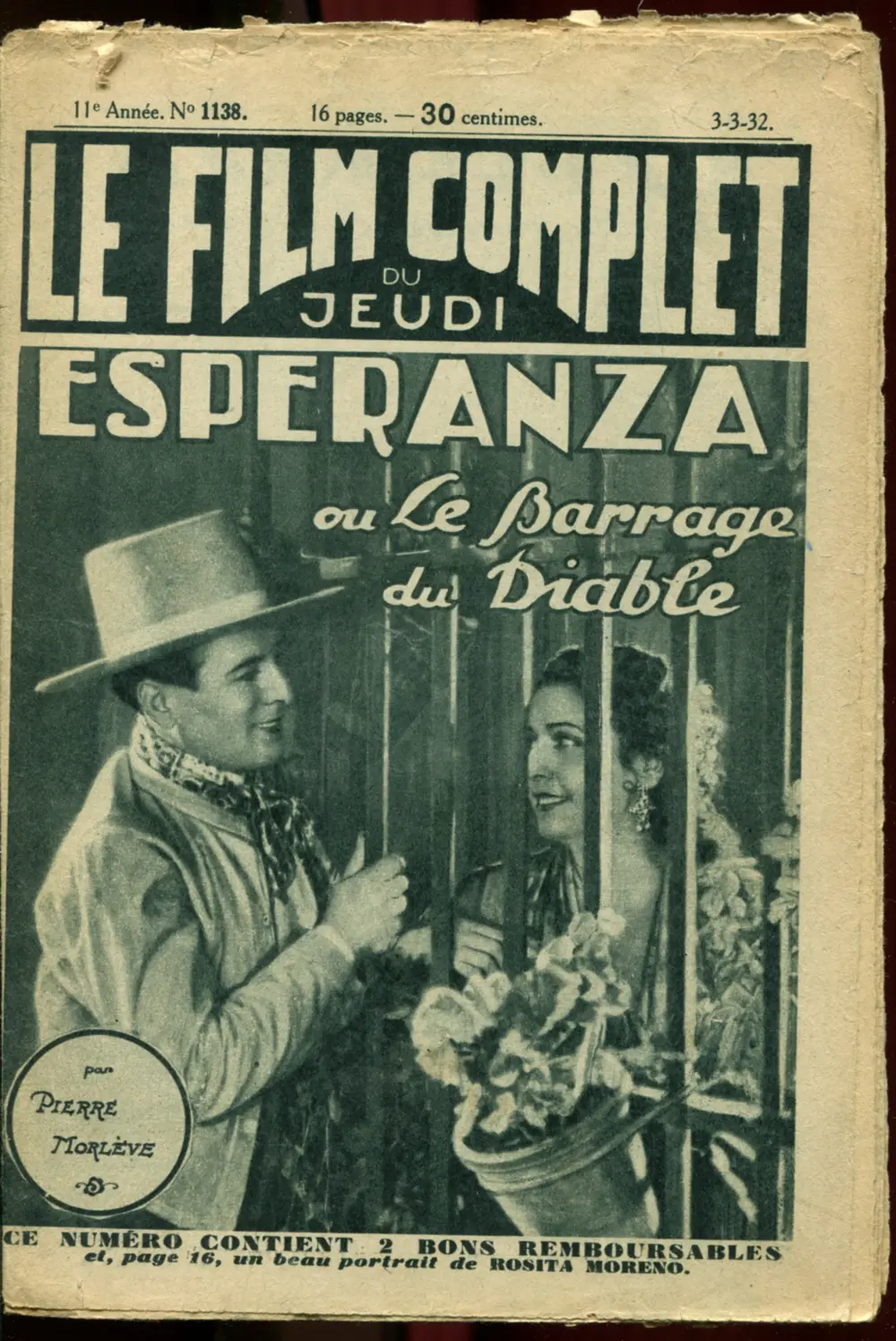
Isabel de Varona, however, is the film's anchor. While the script treats her as a vessel for morality, her performance suggests a woman trapped by circumstances. There is a moment near the midpoint where she realizes the 'prey' in the title is her. The way her posture collapses—not all at once, but in stages—is a masterclass in physical acting. It’s far more effective than the intertitles that scream about damnation.
The supporting cast, including Elisa Ruiz Romero and José Argüelles, fill the roles of the 'virtuous' background well, though they often feel like cardboard cutouts. They are there to provide the 'Hope' (Esperanza) that the title promises, but they are far less interesting than the shadows. This imbalance is common in films like The Lure, where the 'good' characters are often the most boring ones on screen.
Technically, the film is a fascinating bridge. It lacks the avant-garde flair of El apóstol, but it possesses a rugged, honest cinematography. The camera is often static, but the composition within the frame is meticulous. The use of deep focus in the village scenes creates a sense of community that feels suffocating—which explains why Esperanza wants to leave.
The editing is where the film shows its age. The transitions are clunky, and some sequences feel like they belong in a different movie entirely. For instance, the transition from the domestic drama to the more 'hellish' metaphorical sequences is jarring. It lacks the smooth, deceptive flow of something like Sein letzter Trick.
However, the use of tinting in surviving prints—sepia for the home, cold blues for the night, and a jarring red for the moments of 'devilish' temptation—shows a sophisticated understanding of how color affects the subconscious. It’s a primitive form of emotional manipulation that still works. It’s effective. But it’s flawed.
If you are looking for a casual Friday night movie, absolutely not. However, if you are interested in the evolution of the 'fallen woman' trope in European cinema, it is essential viewing. It provides a stark contrast to American films of the same year, such as A Gentleman of Leisure, which handled social class with a much lighter touch.
The film’s greatest strength is its refusal to blink. It looks directly at the destruction of a human life and blames everyone involved. It is a pessimistic, grueling experience that leaves you feeling a bit cold. But that coldness is the point. It is a warning. Whether that warning still resonates is up to the individual viewer.
The atmospheric cinematography creates a genuine sense of spiritual dread. The performances, particularly by Barber and De Varona, are surprisingly nuanced for 1923. It serves as an important historical document of Spanish cultural anxieties.
The moralizing is relentless and often interrupts the narrative flow. The pacing in the second act drags significantly. Many of the secondary characters are one-dimensional archetypes.
Esperanza o La presa del diablo is a difficult film to love, but an easy one to respect. It is a heavy, brooding piece of work that captures a specific moment in Spanish history where the church and the cinema were in a strange, collaborative dance. While it lacks the entertainment value of The Splendid Crime, it offers a much deeper, albeit darker, look into the human psyche. It is a relic that still has teeth. Watch it for the history, stay for the shadows, but don't expect a happy ending. It is a grim reminder that in the world of 1923 melodrama, the devil always gets his due.

IMDb 6.4
1924
Community
Log in to comment.