DbcultAccessing Vault...
Cult Review
Senior Film Conservator
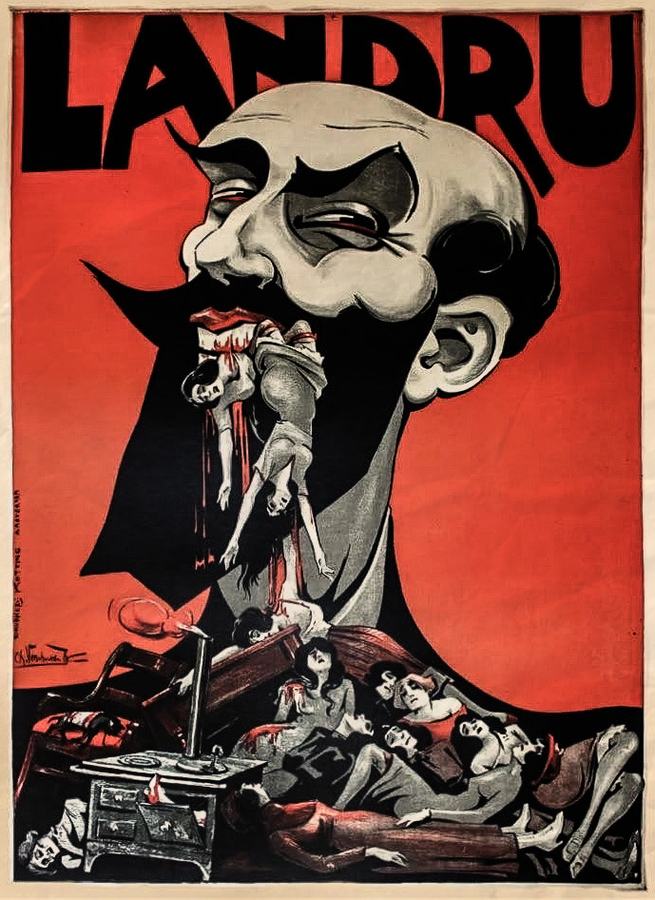
Cinema has rarely peered into the abyss of human depravity with such unflinching, albeit silent, resolve as it does in Landru, der Blaubart von Paris. This 1922 artifact of the Weimar era captures the essence of Henri-Désiré Landru, a man whose crimes were so heinous they seemed to emerge from the darkest folklore rather than the streets of modern France. Unlike the romanticized villains of later decades, Landru is presented here as a creature of habit—a meticulous clerk of carnage whose primary weapon was not a blade, but a silver tongue and a classified ad. The film operates on a frequency of dread that feels remarkably contemporary, stripping away the theatricality often found in silent horror to reveal a skeletal, visceral truth about the nature of the serial predator.
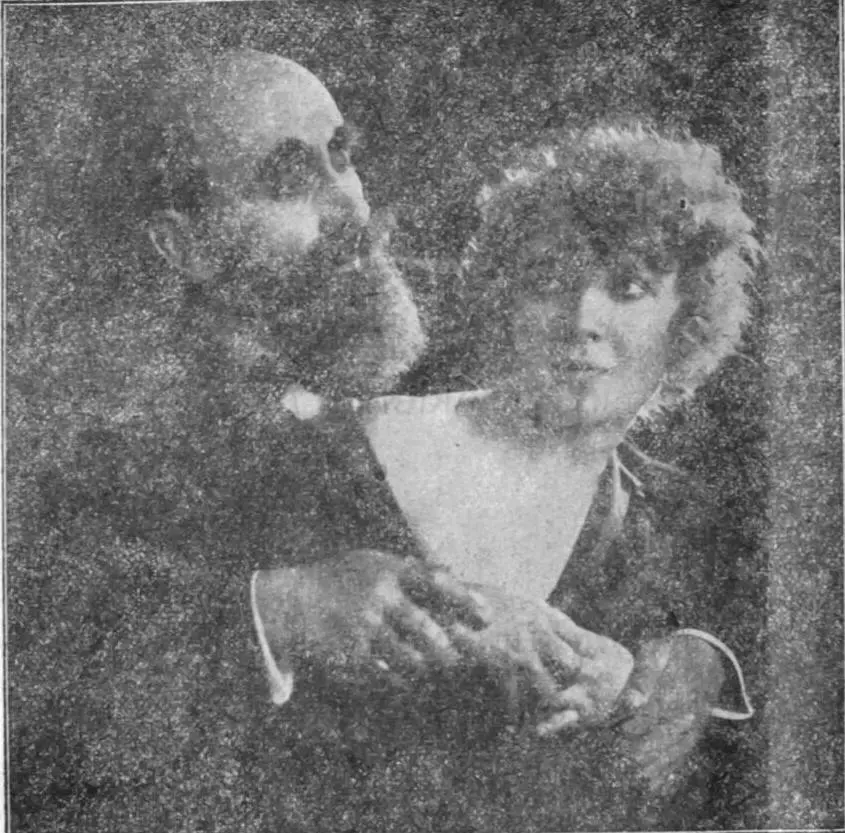
The performance of Wilhelm Sichra as Landru is a revelation of understated menace. He does not twirl a mustache or leer at the camera; instead, he inhabits the role with a terrifying normalcy. We see him as the widows saw him: a respectable, perhaps slightly eccentric, gentleman of means. This deception is the core of the film's power. It forces the audience to engage with the same charm that led hundreds of women to their doom. In many ways, this portrayal invites a comparison to the deceptive identities found in Who Am I?, though Landru’s mask is far more lethal than any mere social charade.
To understand Landru, one must understand the vacuum left by the First World War. France was a nation of widows, a society teeming with women who had lost their husbands, their security, and their social standing. The film brilliantly captures this atmosphere of desperation. The women, played with heartbreaking sincerity by Marietta Weber and Elfi Blondel, are not merely caricatures of victims. They represent a collective yearning for a return to normalcy—a normalcy that Landru perverts for his own mercenary ends. This thematic exploration of a woman's precarious position in society echoes the narrative tensions in The Innocence of Ruth, where vulnerability is often the catalyst for tragedy.
The cinematography utilizes the sharp contrasts of the silent era to create a visual metaphor for Landru’s double life. The bright, bustling streets of Paris, where he hunts his prey, are juxtaposed with the heavy, claustrophobic shadows of his villa in Gambais. The camera lingers on the stove—a mundane household object transformed into an altar of horror. It is in these moments that the film achieves a level of psychological depth that transcends its age. The smoke rising from the chimney becomes a recurring motif, a silent scream that hangs over the French countryside, much like the lingering secrets in The Clouded Name.
Landru’s methodology was a puzzle of logistical brilliance and moral bankruptcy. The film details the "carnet"—his infamous ledger—where he recorded every expense, from train tickets to the very coal used to incinerate his victims. This obsession with detail suggests a mind that viewed murder as a transactional necessity. There is a chilling scene where Landru dines with a prospective victim, his eyes darting toward her jewelry with the same cold calculation seen in the protagonist of The Dog and the Thief, though the stakes here are infinitely more macabre. He is a thief of lives, a man who treats the human soul as a commodity to be liquidated.
The pacing of the film reflects the relentless nature of his crimes. It moves with a grim momentum, mirroring the "up and going" nature of a man who was constantly managing multiple "fiancées" simultaneously. This frantic domestic juggling act is reminiscent of the narrative energy in Up and Going, yet here it serves to highlight the exhaustion of evil. Landru is a man trapped by his own monstrous ambition, a prisoner of a cycle he cannot break until the law finally intervenes.
The final act of the film focuses on the trial, a media circus that captivated the world in 1921. Here, the film shifts from a horror-thriller to a courtroom drama, examining how society consumes the spectacle of a monster. Landru becomes a jester in his own tragedy, using his wit to deflect the accusations of the prosecutor. This performative aspect of his personality brings to mind the theatricality of Chicot the Jester, but Landru’s jokes are seasoned with the ash of his victims. He plays to the gallery, fully aware that he has become a folk hero of the macabre.
The film doesn't shy away from the complexity of justice. It asks whether a legal system built on logic can truly grasp a crime of such illogical cruelty. The prosecution’s attempt to piece together the evidence feels like the investigative work in The Puzzle, where every fragment of information must be meticulously placed to reveal the horrifying whole. The lack of bodies—only teeth and bone fragments remained—made the case a landmark in forensic history, and the film captures the tension of a conviction based on circumstantial but overwhelming evidence.
Comparing Landru, der Blaubart von Paris to other films of the era reveals its unique position. While many films sought to provide a "square deal" for their characters, as seen in A Square Deal, Landru offers no such resolution. There is no redemption for the victims, and the execution of Landru provides a cold, sterile closure rather than a moral victory. The film lacks the exoticism of A Prince of India or the whimsical charm of Skomakarprinsen, opting instead for a gritty, urban realism that was ahead of its time.
"Landru is the quintessential modern ghost story, not because he haunts houses, but because he haunts the very idea of safety and trust in the domestic sphere."
The film also serves as a precursor to the noir genre. The use of shadow, the morally ambiguous protagonist (though Landru is clearly the villain, the film lingers on his perspective), and the focus on the dark underbelly of the city are all hallmarks of what would become film noir. In its exploration of hidden lives and secret sins, it shares a thematic DNA with The Hidden Truth. However, Landru takes these themes to their absolute extreme, showing the ultimate price of a hidden life.
The costuming in the film deserves special mention. Landru is always impeccably dressed, his beard groomed to perfection. This sartorial elegance is his armor. It allows him to move through high society and low-rent boarding houses with equal ease. This manipulation of appearance is a darker version of the social climbing seen in Alias Miss Dodd. For Landru, a well-tailored coat was as essential to his crimes as the stove in his kitchen. It was the bait that lured the prey.
The victims, such as the character portrayed by Elfi Blondel, are often shown in moments of quiet domesticity before their disappearance. These scenes are infused with a profound sense of irony. We see them preparing for a future that we know will never come. This juxtaposition of hope and impending doom creates a narrative tension that is almost unbearable. It reminds one of the tragic arcs in Miss Arizona, where the brightness of the stage is often a prelude to a lonely end. In Landru's world, the promise of marriage was a death sentence, and the role of the husband was a mask for the executioner, a perversion of the dynamics in Her Lord and Master.
Ultimately, Landru, der Blaubart von Paris remains a towering achievement of early true-crime cinema. It does not look away from the horror, nor does it attempt to explain it away with simple psychological tropes. Landru is presented as an enigma—a man who loved his family, who wept at the opera, and who systematically murdered hundreds of women for their furniture and savings. He is the "wolver" in the midst of the flock, a predatory force that thrives on the very structures of society designed to protect us, much like the thematic undercurrents in The Wolver.
As the final frames flicker out, the image that remains is not the face of the killer, but the empty chairs of the women who trusted him. The film is a testament to the power of silent cinema to convey the deepest anxieties of the human condition. It is a grim, beautiful, and essential piece of film history that continues to resonate today, reminding us that the most dangerous monsters are often the ones who offer us a hand in the dark. It is a story of a man who turned the world into his personal hunting ground, leaving behind nothing but smoke and a clouded name that will never be forgotten.

IMDb 6.7
1936
Community
Log in to comment.