DbcultAccessing Vault...
Cult Review
Senior Film Conservator
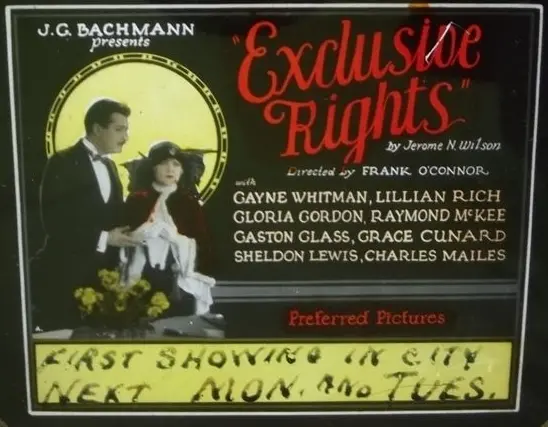
Short answer: Yes, but it’s complex and not for the faint of heart. 'Exclusive Rights' is a tense political thriller that delves into the moral intricacies of a corrupt system. It’s a film that rewards those who appreciate a well-woven plot and actors who can carry it with their nuanced performances. This film is for viewers who enjoy the complexities of power, corruption, and moral ambiguity. It’s not for those seeking light entertainment or a straightforward narrative.
The film’s strength lies in its intricate plotting and the moral dilemmas it presents. The narrative is a masterful balance of political intrigue and personal morality, making it a compelling watch. The performances, particularly by the lead actors, are top-notch, bringing depth to the characters and their struggles. The film also benefits from its period setting, which adds to the authenticity and tension of the story.
While the plot is tightly constructed, it occasionally feels heavy-handed in its delivery of moral messages. The film’s pacing can be a bit uneven at times, with some scenes dragging slightly. Additionally, the film relies too heavily on its characters’ moral struggles, which can make the narrative feel a bit didactic at times. The film also suffers from a lack of visual flair, with the cinematography being quite standard and not particularly memorable.
You should watch 'Exclusive Rights' if you are a fan of political thrillers, especially those with a focus on moral ambiguity and character-driven narratives. It’s a film that rewards close attention and multiple viewings, as there are layers of complexity that unravel with each pass. It’s also worth watching for its stellar performances and its exploration of the darker aspects of political life.
The performances in 'Exclusive Rights' are the film’s standout feature. Shirley Palmer delivers a nuanced performance as Stanley Wharton, a man torn between his principles and the demands of his position. His internal struggle is palpable, and Palmer brings a sense of urgency and weariness to the role. Sheldon Lewis, as the shadowy crime boss Al Morris, is equally compelling, bringing a chilling presence to the role. His interactions with Wharton are tense and fraught with tension, making for some of the film’s most captivating moments. The supporting cast, including Gayne Whitman and Raymond McKee, also deliver strong performances, adding depth to the characters and the story.
Director Jerome N. Wilson handles the film with a steady hand, ensuring that the narrative flows smoothly despite the complexities of the plot. The pacing is generally good, with a few moments of sluggishness that can be attributed to the film’s focus on moral dilemmas. Wilson’s direction is most effective in the tense scenes, where the actors’ performances come to the fore. However, the film could have benefited from a more visually dynamic approach, with more attention paid to the cinematography and production design to enhance the atmosphere.
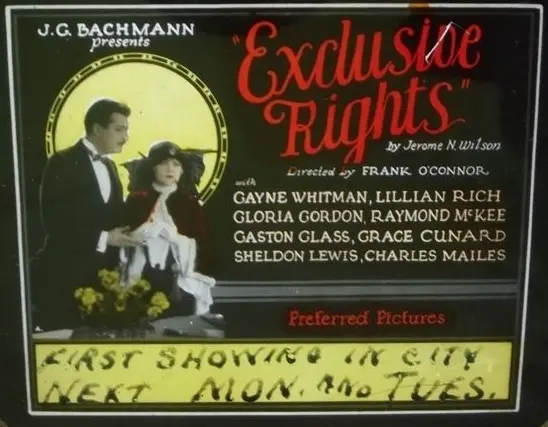
The plot of 'Exclusive Rights' is tightly constructed, with multiple layers of intrigue and moral complexity. The story revolves around Stanley Wharton, who is a candidate for governor and is torn between his duty to clear his friend Mack Miller’s name and his commitment to his campaign promises. The film’s narrative is a race against time, as Wharton must navigate a web of corruption and betrayal to expose the truth. The plot is well-balanced, with a mix of political intrigue and personal morality that keeps the audience engaged. However, the film could have benefited from a more straightforward delivery of its messages, which can sometimes feel heavy-handed.
The cinematography in 'Exclusive Rights' is quite standard, with a focus on practical lighting and straightforward compositions. The film’s visual style is reminiscent of the period in which it is set, but it lacks the visual flair that could have enhanced the atmosphere and tension. The use of shadows and lighting in tense scenes is effective, but the film could have benefited from more creative and dynamic shots to keep the audience engaged. Overall, the cinematography is serviceable but not particularly memorable.
The pacing of 'Exclusive Rights' is generally good, with a few moments of sluggishness that can be attributed to the film’s focus on moral dilemmas. The narrative is well-paced, with a mix of fast-paced action and slower, more introspective scenes. The film’s pacing is most effective in the tense scenes, where the actors’ performances come to the fore. However, there are a few scenes that feel a bit drawn out, which can detract from the overall tension of the story. Overall, the pacing is well-balanced but could have benefited from a few more dynamic shots to enhance the atmosphere.
The tone of 'Exclusive Rights' is primarily tense and morally ambiguous. The film’s atmosphere is one of constant tension, with the audience always on edge, unsure of what will happen next. The film’s tone is most effective in the tense scenes, where the actors’ performances come to the fore. However, the film could have benefited from a more varied tone, with more moments of lighter, more comedic moments to balance out the overall tension. Overall, the tone is effective but could have been more dynamic.
'Exclusive Rights' is a well-crafted political thriller that delves into the moral complexities of power and corruption. It’s a film that rewards those who appreciate a well-woven plot and actors who can carry it with their nuanced performances. The film’s strengths lie in its performances and its intricate plotting, but it could have benefited from a more visually dynamic approach and a more varied tone. Overall, it’s a film that is worth watching, but it’s not for everyone. It’s a film that requires close attention and multiple viewings to fully appreciate its layers of complexity.
'Exclusive Rights' is a well-crafted political thriller that delves into the moral complexities of power and corruption. It’s a film that rewards those who appreciate a well-woven plot and actors who can carry it with their nuanced performances. While it could have benefited from a more visually dynamic approach and a more varied tone, the performances and intricate plotting make it a film that is worth watching, but it’s not for everyone. It’s a film that requires close attention and multiple viewings to fully appreciate its layers of complexity.
IMDb —
1919
Community
Log in to comment.