DbcultAccessing Vault...
Cult Review
Senior Film Conservator
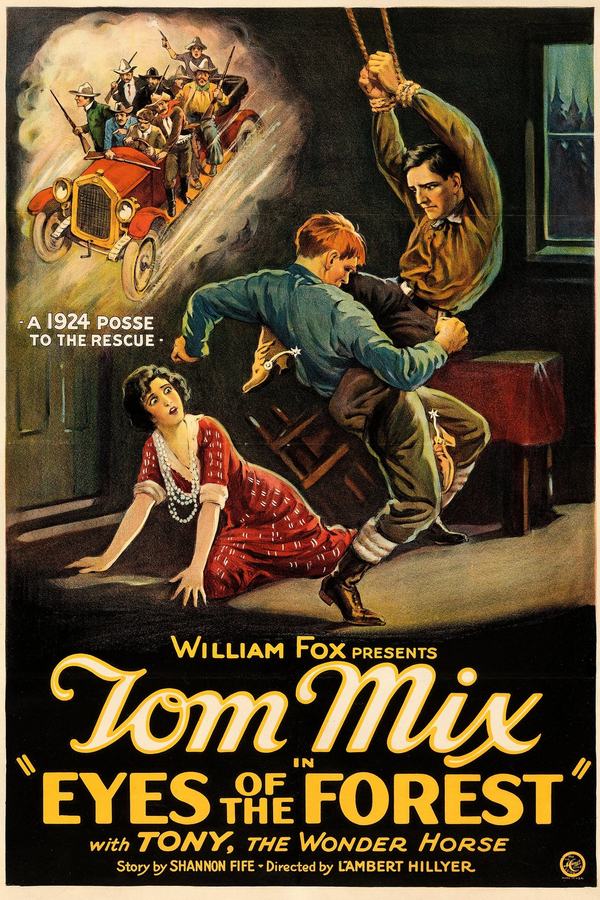
Stepping into the world of early 20th-century cinema, one often encounters narratives painted with broad strokes of heroism, villainy, and the untamed spirit of the American frontier. Among these, the 1923 silent film, Eyes of the Forest, emerges as a quintessential example, a thrilling Western drama that not only showcases the legendary Tom Mix at the zenith of his popularity but also delves into themes of justice, environmental stewardship, and the complex web of human relationships. Directed by LeRoy Stone and penned by Shannon Fife, this film is far more than a simple chase sequence; it's a moral odyssey set against the magnificent, yet often perilous, backdrop of the national forests.
The narrative unfurls with Bruce Thornton, a forest ranger imbued with the stoic resolve characteristic of Mix's persona, finding himself in a predicament that tests his principles and intuition. He apprehends Ruth Melier, a young woman ensnared in the grave accusation of murdering her stepfather. The initial impression, perhaps clouded by circumstance, paints Ruth as a perpetrator. However, the film quickly peels back these layers of initial judgment, revealing a deeper, more agonizing truth. Ruth, in a moment of desperate revelation, confesses that the real culprit is her own husband, Horgan, a man whose brutality is not confined to the confines of their home but extends to a nefarious criminal enterprise. This twist elevates the plot beyond a simple crime procedural, transforming it into a high-stakes quest for truth and redemption, echoing the thematic depth sometimes found in contemporary dramas like The Redemption of White Hawk, where moral ambiguity and the pursuit of justice in a rugged landscape often intertwine.
What makes Eyes of the Forest particularly compelling is its ability to weave together personal drama with a broader social issue. Horgan isn't just a domestic tyrant; he's the ringleader of a gang of timber thieves, a group systematically plundering the natural resources that Thornton is sworn to protect. This aspect introduces an ecological dimension to the narrative, highlighting the nascent awareness of conservation in the early 20th century. It’s a compelling dual threat: a man who threatens both individual lives and the collective good. The film, in its silent grandeur, manages to convey the urgency of both struggles, making Thornton’s mission not just about solving a murder, but about safeguarding the integrity of the forest itself. The visual storytelling, often reliant on the expansive vistas of the American West, lends a powerful sense of scale to this conflict, making the stakes feel genuinely monumental.
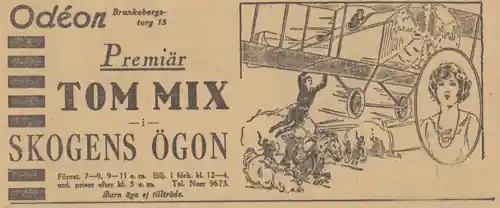
Tom Mix, of course, is the undeniable star, and his performance as Bruce Thornton is a masterclass in silent film acting. Known for his daring stunts, impeccable horsemanship, and charismatic screen presence, Mix embodies the ideal Western hero. He is courageous, honorable, and possesses an innate sense of justice that guides his actions. His interactions with Tony the Horse, his loyal and equally famous equine companion, are a highlight, showcasing a bond that transcends mere utility and adds a touch of heartwarming authenticity to the rugged proceedings. Tony, often credited as a co-star, performs feats of incredible agility and intelligence, further cementing his status as one of cinema's most beloved animal actors. The dynamic between Mix and Tony often provided a sense of comfort and reliability amidst the chaos, a stark contrast to the human betrayals and violence depicted.
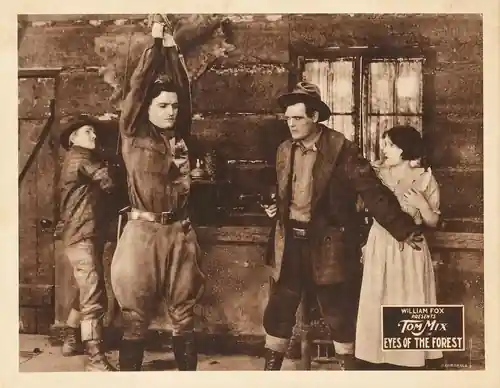
The supporting cast, while perhaps less celebrated than Mix and Tony, delivers performances that effectively flesh out the narrative. Pauline Starke, as Ruth Melier, conveys the terror and desperation of a woman trapped between a brutal husband and a murder accusation with remarkable subtlety. Her portrayal avoids caricature, instead imbuing Ruth with a fragile strength that makes her eventual vindication all the more satisfying. Sid Jordan, as the villainous Horgan, projects a menacing presence, his actions driving much of the film's tension. J.P. Lockney, Edwin Wallock, Buster Gardner, and Thomas G. Lingham round out the ensemble, each contributing to the rich tapestry of characters that populate Thornton's world. Their collective efforts create a believable, if heightened, reality, allowing the audience to fully immerse themselves in the unfolding drama.
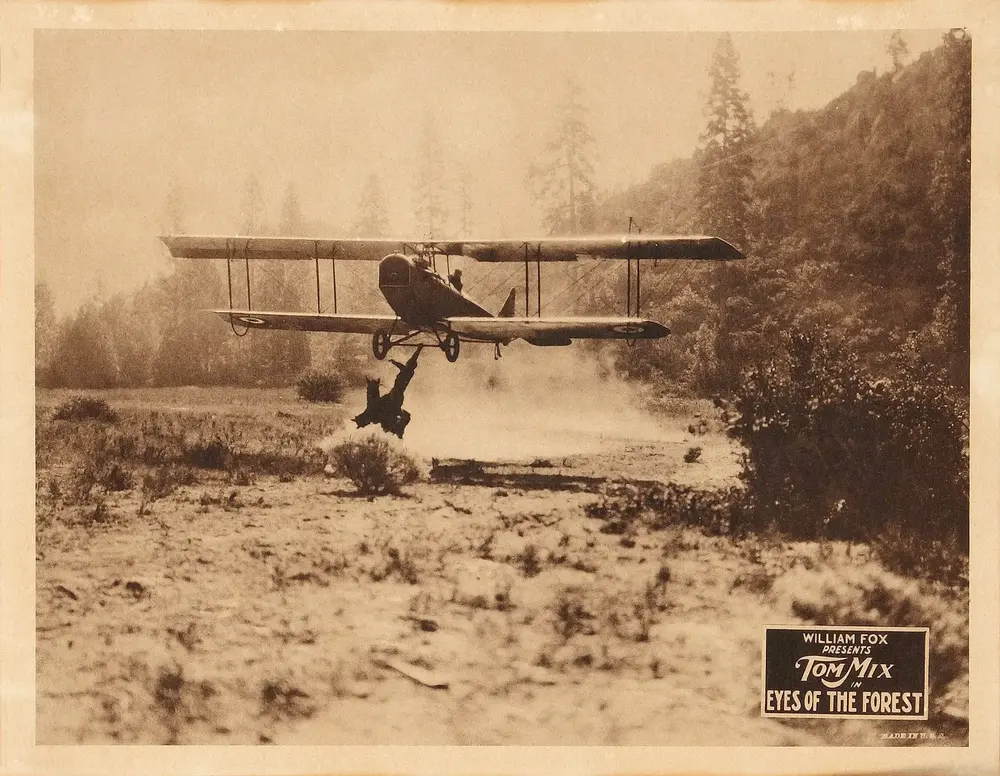
LeRoy Stone's direction is competent and effective, utilizing the landscape to its fullest potential. The chase sequences, a staple of the Western genre, are particularly well-staged, demonstrating a keen understanding of cinematic rhythm and suspense. The camera work, though constrained by the technology of the era, manages to capture the grandeur of the forest and the intensity of the human drama. Stone allows the action to speak for itself, relying on visual cues and the actors' expressions to convey emotion and plot points, a hallmark of excellent silent film direction. One can draw parallels to the visceral storytelling of other silent action-adventures, where the director's skill in choreographing movement and framing the expansive natural world was paramount to creating an immersive experience.
Shannon Fife's screenplay, while adhering to the conventions of the genre, introduces enough twists and turns to keep the audience engaged. The initial misdirection regarding Ruth's guilt is a clever narrative device, allowing for a deeper exploration of themes like prejudice and the search for objective truth. The integration of the timber theft subplot provides a strong motivation for the ranger's actions beyond personal vengeance, elevating the story to one of public duty. The clear delineation between good and evil, while characteristic of the era, doesn't preclude moments of genuine emotional complexity, especially concerning Ruth's plight. The script builds tension effectively, leading to a satisfying resolution where justice, both personal and environmental, ultimately prevails. This narrative structure, moving from a personal crime to a larger societal ill, gives the film a resonance that extends beyond its immediate plot, touching upon themes that remain relevant even today.
The legacy of Eyes of the Forest lies not just in its entertainment value but in its contribution to the Western genre and silent cinema as a whole. It epitomizes the golden age of the cowboy hero, a figure who embodied rugged individualism, moral fortitude, and an unwavering commitment to justice. Tom Mix, through films like this, became an icon, shaping the public's perception of what a Western star should be. The film also serves as a historical artifact, offering a glimpse into the prevailing attitudes towards law enforcement, environmental protection, and gender roles of the time. While not as overtly complex as some later Westerns, its straightforward narrative allows for a clear exploration of fundamental moral questions. The film's enduring appeal lies in its ability to transport viewers to a simpler yet equally challenging time, where the vastness of the land mirrored the moral landscapes its characters navigated.
Comparing Eyes of the Forest to other films of its era can illuminate its distinct qualities. While films like The Killer might have explored darker facets of human nature, Eyes of the Forest maintains a more optimistic outlook, firmly rooting itself in the triumph of good over evil. The narrative of a woman accused of a crime she didn't commit, later exonerated by a heroic figure, finds echoes in the dramatic structures of films like The Luck of Geraldine Laird, though the settings and specific circumstances differ vastly. The theme of protecting natural resources, while perhaps not as central in other films, gives Eyes of the Forest a unique ecological angle. This focus on the environment sets it apart from more purely crime-driven narratives, giving it a prescient quality as environmental concerns continue to grow in importance.
The film's pacing, typical of silent features, builds steadily, allowing the audience to absorb the visual storytelling and character development. The lack of spoken dialogue necessitates a reliance on exaggerated expressions, title cards, and a powerful musical score (which, unfortunately, is often lost to time but can be imagined) to convey emotion and plot. This unique form of communication fosters a different kind of engagement, inviting the viewer to actively interpret the unfolding drama. The climactic confrontation between Thornton and Horgan's gang is a testament to this, relying on expertly choreographed action and the visceral thrill of the chase to deliver its impact. It's a reminder of the raw power of cinematic storytelling before the advent of sound, where every gesture and every frame carried significant weight.
Ultimately, Eyes of the Forest is more than just a historical curiosity; it's a testament to the enduring appeal of classic storytelling. It delivers on the promise of adventure, romance, and justice, all wrapped in the rugged charm of the American West. For aficionados of silent cinema, Westerns, or simply those curious about the roots of cinematic heroism, this film offers a rich and rewarding experience. It reminds us of a time when heroes were clearly defined, villains unambiguously evil, and the vast, untamed wilderness served as both a challenge and a witness to humanity's eternal struggle between right and wrong. The film's message, that vigilance and integrity are paramount in protecting both individuals and the environment, resonates across the decades, making Eyes of the Forest a silent classic with a voice that still echoes today. It's a powerful reminder that the 'eyes' of the forest, much like the watchful gaze of a dedicated ranger, miss nothing, and justice, though sometimes delayed, will ultimately prevail under their silent observation. This profound connection between man and nature, duty and destiny, solidifies its place as a significant work of its era, capturing both the beauty and brutality of the frontier spirit in a way that continues to captivate and instruct.
The meticulous attention to detail in the portrayal of the forest ranger's life, from the practicalities of tracking to the dangers inherent in confronting criminals in remote areas, adds a layer of authenticity to the fantastical elements of the plot. Mix's character, Bruce Thornton, is not merely a figure of action; he represents a nascent form of environmental protection, a guardian of public lands against exploitation. This makes the film surprisingly modern in its underlying themes, predating widespread ecological movements but touching upon the core idea of responsible stewardship. The film, therefore, serves as a fascinating lens through which to view early 20th-century American values, showcasing a burgeoning concern for natural resources alongside a steadfast belief in individual heroism. It’s a compelling blend of thrilling adventure and subtle social commentary, making it a valuable piece of cinematic history.
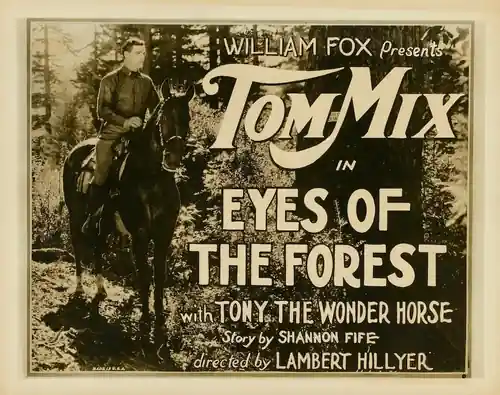
The film's impact on popular culture, particularly in solidifying the image of the cowboy as a moral compass, cannot be overstated. Tom Mix's portrayal in Eyes of the Forest contributed significantly to this archetype, influencing generations of filmmakers and actors who would follow in his dusty boot prints. His combination of daring physicality and inherent goodness created a blueprint for future Western heroes, from John Wayne to Clint Eastwood, each adding their own spin to the stoic, justice-seeking figure. The film's success also underscored the commercial viability of animal co-stars, ensuring that loyal companions like Tony the Horse would continue to grace the silver screen, often stealing scenes with their remarkable intelligence and training. This enduring legacy speaks volumes about the film's ability to connect with audiences on multiple levels, transcending the limitations of its silent format to deliver a timeless tale of courage and conviction.
In an era where cinema was still finding its voice, Eyes of the Forest stands as a vibrant example of its expressive power. Without dialogue, the film relies on the universal language of action, emotion, and striking visuals to tell its story. The tension built through dramatic close-ups, the expansive beauty of the landscape shots, and the dynamic staging of physical confrontations all contribute to a rich cinematic experience. It reminds us that storytelling, at its core, is about human connection and universal truths, regardless of the technological advancements of the medium. The film's ability to evoke empathy for Ruth, admiration for Thornton, and disdain for Horgan purely through visual means is a testament to the artistry of silent film, making it a valuable piece of cinematic heritage that continues to resonate with its powerful narrative and iconic performances.
The thematic richness of Eyes of the Forest extends beyond simple good-versus-evil dichotomies. It subtly explores the concept of perception versus reality, particularly in Ruth's initial arrest. The film forces the audience, much like Thornton, to look beyond superficial evidence and delve into the complexities of human motivation and circumstance. This nuanced approach, while perhaps not as explicit as in modern thrillers, adds a layer of psychological depth to the narrative, distinguishing it from more straightforward action fare. It's a reminder that true justice often requires a deeper understanding of the context surrounding an event, a theme that can be seen in various forms across cinematic history, emphasizing the importance of inquiry and empathy in the pursuit of truth. The film, in its quiet way, champions the idea of a thorough investigation over hasty judgment, a message that remains remarkably pertinent.
IMDb 6.2
1934
Community
Log in to comment.