DbcultAccessing Vault...
7.1/10
Senior Film Conservator
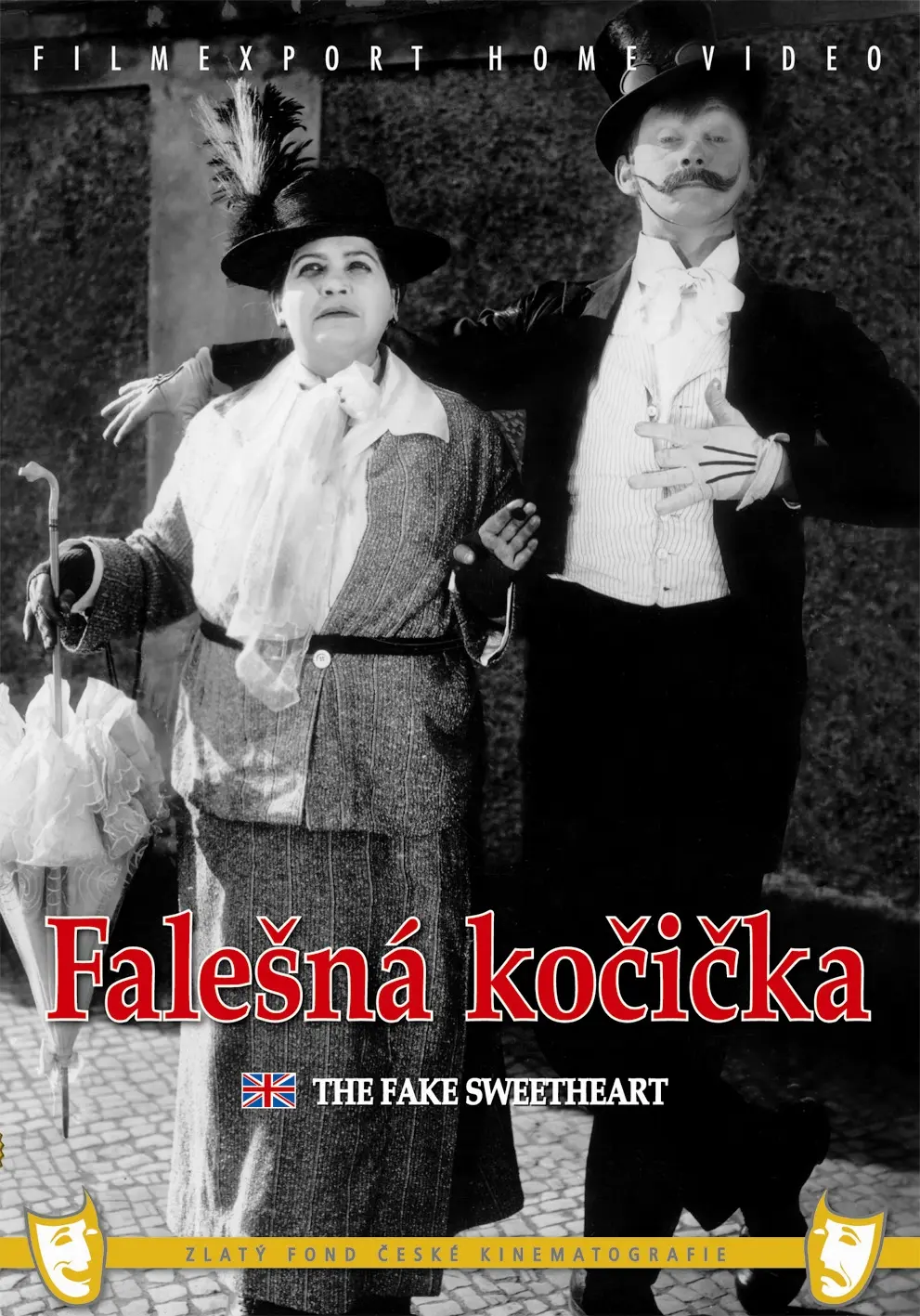
A definitive 7.1/10 rating for a film that redefined the boundaries of cult cinema. Falesná kocicka aneb Kdyz si zena umíní remains a cornerstone of transgressive art.
Is Falesná kočička worth watching nearly a century after its release? Short answer: Yes, but primarily as a fascinating time capsule of European social anxiety and early cinematic slapstick.
This film is for historians of comedy and those who want to see the literal birth of Czech film stardom. It is definitely not for viewers who demand fast-paced plots or modern gender sensibilities.
1) This film works because it captures the frantic, transitionary energy of 1920s Prague through the lens of physical comedy.
2) This film fails because its central conceit—that a man must 'mold' a woman—is as dusty as the film stock it was shot on.
3) You should watch it if you want to see Vlasta Burian before he became the undisputed King of Comedians.
Dr. Verner is not a hero. He is a man with a savior complex and a drill. Karel Hašler plays him with a stiff-collared dignity that is constantly being punctured by the world around him. Unlike the rugged protagonists in The Man from Glengarry, Verner is a creature of the city, defined by his professional status and his bachelor fears.
The chemistry here is lopsided. Hašler is the anchor, but the film’s oxygen comes from the supporting cast. When Mici enters the frame, the movie stops being a lecture on bachelorhood and starts being a game. She weaponizes Verner's own snobbery against him. It’s a cynical play on the Pygmalion myth. He thinks he’s the sculptor; she knows she’s the one holding the chisel.
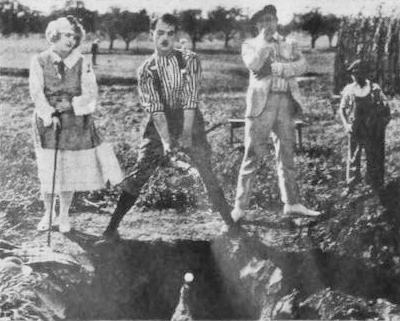
The dental office scenes provide a surprisingly tactile sense of 1920s life. There is a specific moment where the dental chair becomes a prop for physical comedy that rivals the chaotic energy found in You're Pinched. It’s uncomfortable, jerky, and strangely intimate.
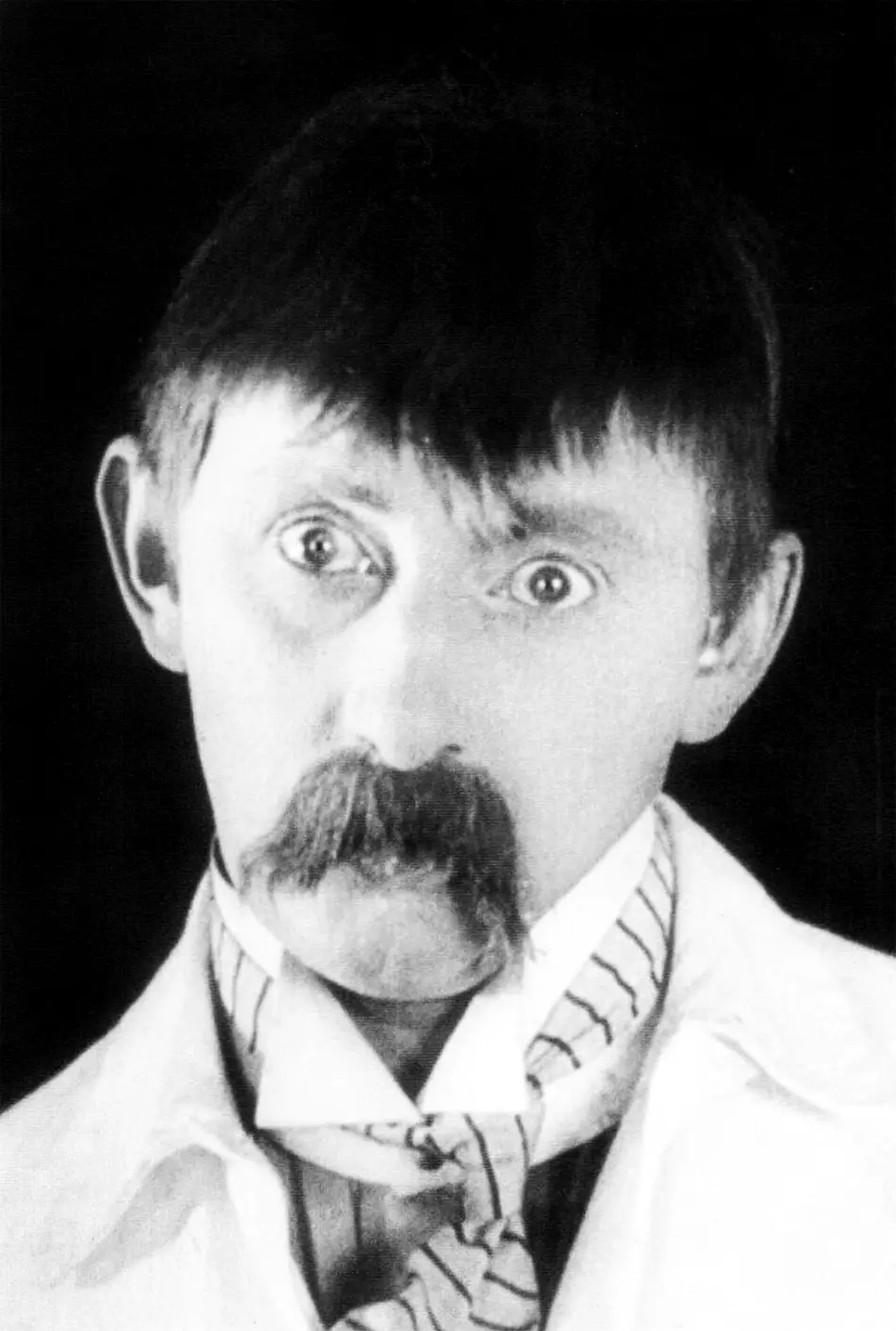
We need to talk about Vlasta Burian. In this 1926 version of the story, he isn't the lead, but he might as well be. His presence is disruptive. While the rest of the cast is performing a silent-era comedy of manners, Burian is performing a one-man riot. His facial contortions and body language are decades ahead of the film's static direction.
In one sequence, the sheer speed of his movements makes the other actors look like they are moving through molasses. It’s a jarring contrast. It reminds me of the tonal shifts in Roaring Lions on the Midnight Express, where the comedy feels like it belongs to a different movie entirely. Burian doesn't just act; he consumes the scene.
This creates a problem for the narrative. You find yourself waiting for the 'fake cat' (the titular kočička) to stop her ruse so the movie can get back to the clowning. The romance feels like a chore. The comedy feels like a release. It works. But it’s flawed.
Svatopluk Innemann was a workhorse of early Czech cinema, and his direction here is functional rather than poetic. The camera stays mostly at eye level, acting as a polite observer to the madness. There isn't the experimental flair you might find in something like Spartak, but there is a clear understanding of space.
The lighting is flat, typical for the era's comedies, but the location shots of Prague are stunning. Seeing the cobblestones and the storefronts of a world that was about to be irrevocably changed by the 1930s adds a layer of unintended melancholy. The film tries to be light, but the weight of history is visible in every frame of the background.
The pacing is where the film shows its age. Silent comedies often suffer from 'intertitle fatigue,' and Falesná kočička is a prime offender. Just as a physical bit gains momentum, we are stopped by a wall of text. It lacks the fluid visual storytelling found in Prohibition.
Direct Answer: Yes, if you treat it as an artifact. If you are looking for a laugh-out-loud comedy that rivals modern standards, you will be disappointed. However, if you want to understand how European cinema navigated the gap between stage theater and film, it’s essential. It is a bridge between the 19th-century farce and the 20th-century movie star era.
Pros:
Cons:
What most critics miss about Falesná kočička is that it isn't really about love. It's about the terror of being 'found out.' Verner is terrified of marrying 'down,' yet he is easily fooled by a woman performing a caricature of the lower class. This suggests that the upper class in the film doesn't actually know what the lower class looks like. They only know their own stereotypes.
This is a theme explored in darker ways in The Cabaret, but here it is played for laughs. Mici’s 'fake' behavior is a mirror. She isn't just tricking Verner; she is mocking him. Every time she over-emphasizes a slang word or makes a crude gesture, she is testing how much of a fool he really is. He fails the test every time.
The film’s ending is a foregone conclusion, but the journey there is paved with these small, sharp observations about social climbing. It’s more cynical than it appears on the surface. That cynicism is what keeps it from being a total relic.
Falesná kočička aneb Když si žena umíní is a clumsy, loud, and occasionally brilliant piece of history. It lacks the polish of later 1930s Czech comedies, but it possesses a raw, theatrical ambition that is hard to ignore. It’s a film where the subtext is more interesting than the text, and the supporting actors are more interesting than the leads. Watch it for Burian, stay for the architecture, and forgive the dental puns. It’s a piece of the puzzle that explains how Central European cinema found its voice. It isn't perfect. It’s barely coherent at times. But it’s alive.
Community
Log in to comment.