DbcultAccessing Vault...
8/10
Senior Film Conservator
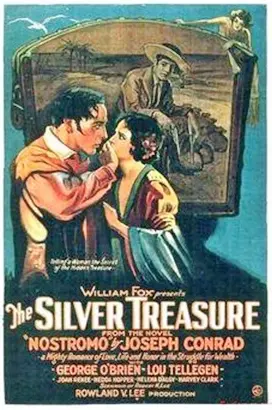
A definitive 8/10 rating for a film that redefined the boundaries of cult cinema. The Silver Treasure remains a cornerstone of transgressive art.
Does The Silver Treasure manage to capture the dense, suffocating atmosphere of Joseph Conrad’s prose? Short answer: yes, but it prioritizes the sweat and steel of the heist over the complex political machinery of the source material. This film is for the dedicated silent cinema enthusiast who appreciates the raw physicality of 1920s adventure; it is not for those who demand the narrative nuances found in modern psychological thrillers.
The Silver Treasure is worth watching for anyone interested in the evolution of the 'corrupted hero' archetype. It provides a fascinating look at how early Hollywood attempted to translate high-concept literature into visual spectacle. While it lacks the sound to convey Conrad's internal monologues, it compensates with striking location work and a lead performance that feels remarkably modern in its intensity.
1) This film works because it treats the silver as a physical burden, making the audience feel the literal weight of the moral dilemma.
2) This film fails because it simplifies the complex political landscape of Costaguana into a standard 'bandits vs. law' conflict.
3) You should watch it if you want to see George O'Brien at his physical peak before he became the face of the American Western.
George O'Brien does not just play Nostromo; he inhabits the role with a muscular desperation. In the scene where he first intercepts the silver train, his movements are precise and authoritative. He isn't the polished hero of The Milky Way. He is a laborer. When he stands over the crates of silver, the camera lingers on his face, capturing a flicker of greed that feels genuinely dangerous. It is a performance rooted in the body, which is necessary because the script strips away so much of the character's backstory.
Contrast this with his work in other films of the era. He lacks the lightness found in something like Footlight Maids. Here, he is heavy. Every step he takes through the wharf feels like he is sinking into the mud. It is a brutal, physical turn that carries the film through its slower middle act.
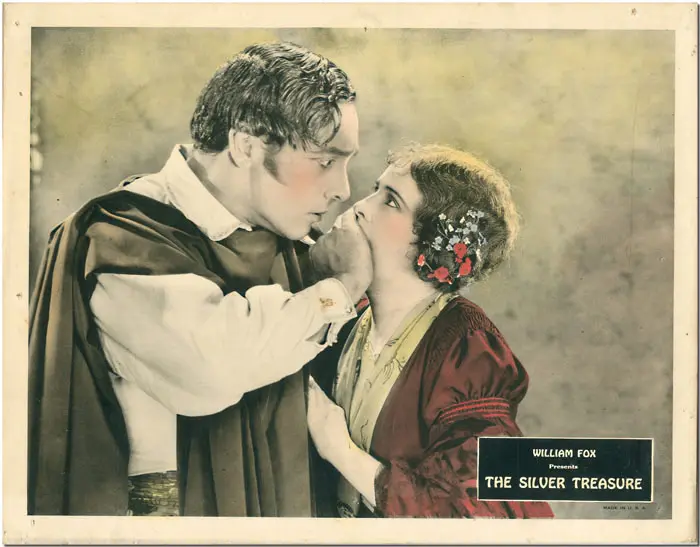
The centerpiece of the film is the diversionary tactic used to smuggle the silver. Director George Howard (assisted by the writing of Robert N. Lee) crafts a sequence that relies on spatial awareness rather than just fast cutting. We see the main train—the decoy—barrelling toward the bandits while the 'real' silver is loaded onto a creaking wagon in the shadows. The use of side-streets and narrow alleys creates a sense of urban claustrophobia that contrasts sharply with the wide-open South American vistas seen earlier.
One specific moment stands out: the soundless clatter of the wagon over cobblestones. Even without audio, the visual texture of the scene makes you hear the noise. You feel the anxiety of the drivers. It is a masterclass in tension-building that rivals the suspense in The Mystery Box. However, once the silver is hidden, the film slows down. The tension shifts from external threats to internal rot. This is where the movie takes its biggest risk.
The final third of the film is a stark departure from the action-heavy opening. Nostromo’s struggle with his conscience is depicted through haunting, shadow-heavy cinematography. As he contemplates claiming the silver was lost, the lighting becomes increasingly expressionistic. His face is often half-obscured, reflecting his split morality. It is a bold choice for a 1926 production, moving away from the clear-cut morality of A Son of the Hills.
The silver becomes a curse. It sits in the darkness of the wharf, a silent witness to his descent. The film suggests that the bandits were never the real threat; the real threat was the opportunity to be something other than an honest man. It’s a cynical take. I love it. Most films of this era would have opted for a more redemptive arc, but The Silver Treasure stays relatively true to Conrad’s pessimistic view of human nature.
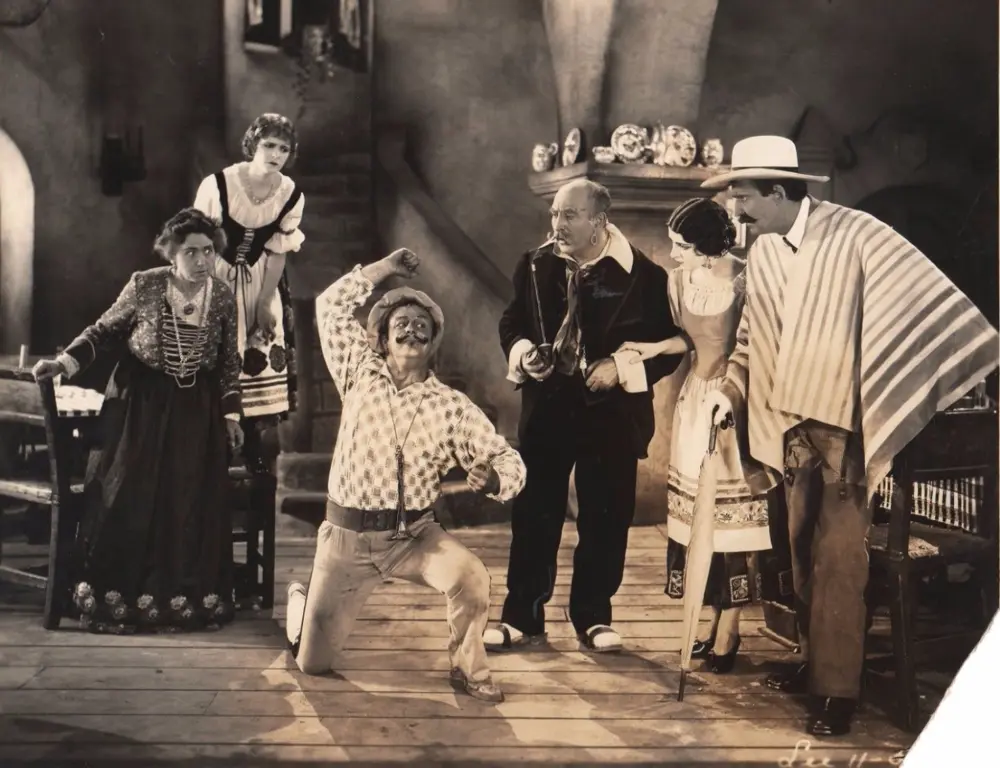
The pacing is uneven. There is no getting around that. The first forty minutes fly by with the energy of a high-seas adventure, but the middle section drags as the political plotlines involving Sotillo (played with oily menace by Otto Matieson) take center stage. These scenes lack the punch of the action sequences. They feel like necessary exposition rather than compelling drama.
Visually, the film is a treat. The San Tome mine is depicted as a gaping maw, a literal hole in the earth that devours men. The cinematography doesn't try to be pretty. It is dusty, sweaty, and grimy. It shares a certain DNA with the gritty realism of Graft, though it operates on a much larger scale. The use of extras in the wharf scenes is impressive, creating a world that feels inhabited and chaotic.
Pros:
The location photography is genuinely immersive. Unlike the staged feel of Jettchen Gebert's Story, the South American republic here feels like a real, breathing place. The moral ambiguity of the protagonist is a refreshing change from the period's standard heroics. The heist sequence is a genuine nail-biter.
Cons:
The supporting cast, while talented, often feels lost in the shadow of O'Brien. Hedda Hopper is underutilized, her character relegated to the sidelines. The transition from action to psychological drama is jarring and might alienate viewers who were enjoying the chase.
The Silver Treasure is a fascinating anomaly. It is a high-budget adventure film that chooses to end on a note of psychological decay. It isn't a perfect adaptation—Conrad’s work is perhaps too dense for any silent film to fully capture—but it is a brave one. It avoids the easy sentimentality found in Tears and Smiles and instead offers a cold look at how greed can hollow out a man from the inside out.
It works. But it’s flawed. The film is a bridge between the simple morality plays of the early 1920s and the complex character studies that would define the late silent era. If you can handle the slow-burn middle act, the payoff is a haunting portrait of a man who saved the treasure but lost himself. It remains a vital piece of cinema for those who want to see the darker side of the silent era.
IMDb —
1917
Community
Log in to comment.