DbcultAccessing Vault...
7.4/10
Senior Film Conservator
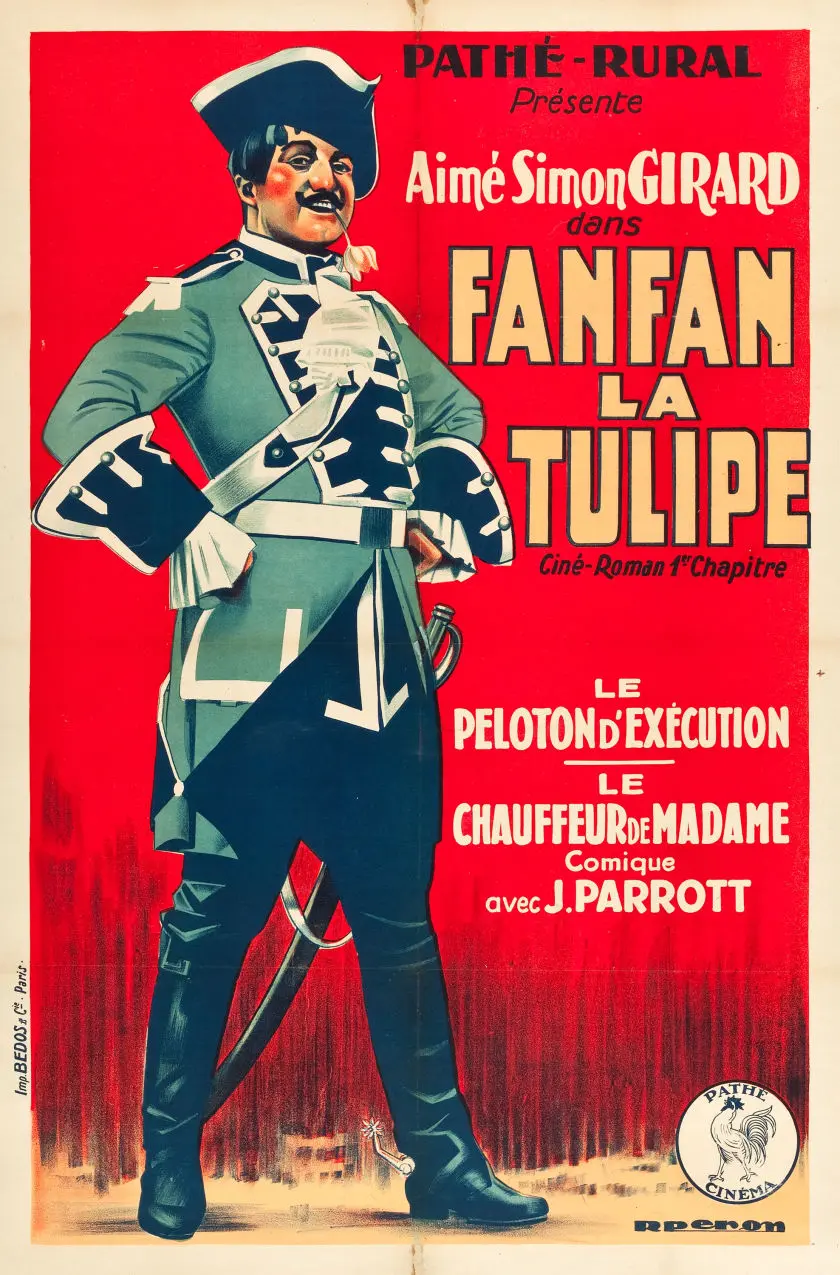
A definitive 7.4/10 rating for a film that redefined the boundaries of cult cinema. Fanfan-la-Tulipe remains a cornerstone of transgressive art.
The story of 'Fanfan-la-Tulipe,' a 18th-century swashbuckling tale, is a mesmerizing exploration of a world that was in the throes of change. Set in the midst of a revolutionary era, the narrative follows the adventures of Fanfan, a charismatic and somewhat enigmatic figure who navigates the complex political and social landscapes of his time. The plot is a series of interwoven episodes, each delving deeper into the character’s motivations, the challenges he faces, and the broader historical context in which he operates.
The film skillfully balances Fanfan’s personal journey with the broader societal upheaval that was reshaping France. Through a series of duels, intrigues, and romantic entanglements, the viewer is drawn into a world where honor, loyalty, and ambition are deeply intertwined. Fanfan’s character is multifaceted, often embodying both the hero and the antihero, making him a compelling protagonist.
The cast, including Renée Héribel, Paul Guidé, Claude France, Aimé Simon-Girard, and François Viguier, bring depth and nuance to their roles. Their performances enhance the film’s ability to capture the spirit of the era. The use of serial format adds an element of suspense and continuity, as each episode builds upon the last, creating a cohesive narrative arc.
One of the strengths of 'Fanfan-la-Tulipe' lies in its ability to blend historical authenticity with cinematic flair. The setting is vividly brought to life, from the grandeur of the court to the gritty streets of Paris. The production values, including costume design and set pieces, are meticulously detailed, transporting the audience back in time. The attention to historical accuracy is complemented by a script that is both engaging and thought-provoking.
In terms of comparison, 'Fanfan-la-Tulipe' shares thematic elements with films like 'The Red Circle' and 'Sally of the Sawdust,' both of which explore the complexities of 18th-century society. However, it distinguishes itself through its serialized format, offering a more immersive and continuous narrative. The film also shares a certain adventurous spirit with 'The Dumb-Bell,' which, despite their different settings, both capture the essence of a bygone era and the characters’ quests for glory and love.
Despite its strengths, 'Fanfan-la-Tulipe' is not without its flaws. The pacing at times can feel somewhat uneven, with moments of intense action followed by quieter, more introspective scenes. Additionally, while the historical context is richly portrayed, some viewers may find the serialization format a bit daunting, as it requires patience and attention to the unfolding narrative.
In conclusion, 'Fanfan-la-Tulipe' is a captivating and well-crafted film that successfully blends historical accuracy with engaging storytelling. It serves as a fascinating glimpse into 18th-century France, its characters, and the challenges they faced. While it may not be perfect, it remains a worthwhile watch for those interested in swashbuckling adventures and well-told historical tales.
IMDb —
1918
Community
Log in to comment.