DbcultAccessing Vault...
Cult Review
Senior Film Conservator
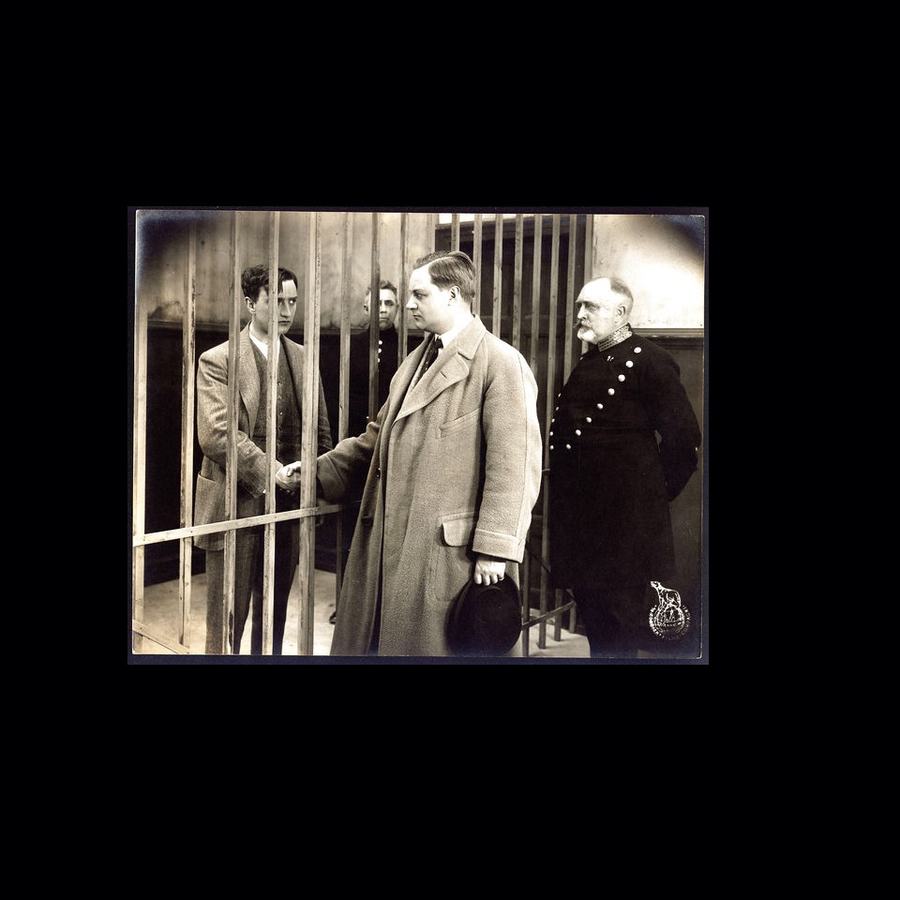
In the annals of early cinema, where flickering shadows often conveyed grand narratives with a surprising economy of gesture, certain films emerge not just as historical artifacts but as resonant human documents. Niels Jacobsen's 1917 Danish silent drama, Studenterkammeraterne, or Fellow Students, stands as one such indelible work. It’s a film that, even a century removed from its original release, manages to pluck at the very strings of the human condition, offering a profound meditation on sacrifice, ambition, and the unbreakable bonds of familial love. At its core lies the stoic, almost mythic figure of Anna Frank, whose unwavering dedication to her son Kai’s education forms the emotional and narrative bedrock of this compelling cinematic endeavor. The film isn't merely a tale; it's an experience, a journey into the heart of maternal devotion rendered with a stark, affecting sincerity that transcends the limitations of its medium.
The narrative, penned by Jacobsen himself, unfolds with a quiet dignity, eschewing sensationalism for an intimate portrayal of struggle and perseverance. Anna Frank, portrayed with heartbreaking authenticity by Marie Dinesen, is a woman defined by her relentless toil. Every penny saved, every hardship endured, is meticulously cataloged not in a ledger, but in the very fabric of her being. Her existence is a testament to the transformative power of a singular, all-consuming goal: ensuring her son Kai, brought to life by the earnest Carlo Wieth, receives an education that promises him a future far removed from her own arduous present. This isn't just about social mobility; it's about a mother's vision, a profound belief in the intellectual and personal liberation that knowledge can afford. The film meticulously illustrates the grinding reality of her efforts, contrasting her world of deprivation with the nascent opportunities her sacrifices afford Kai, thereby illuminating the often-unseen architects of societal mobility and the profound, often unacknowledged, debt owed to those who pave the way with their very essence.
One cannot discuss Studenterkammeraterne without immediately gravitating towards Marie Dinesen’s performance as Anna Frank. It is, quite simply, a masterclass in silent film acting. In an era where histrionics often dominated the screen, Dinesen imbues Anna with a quiet strength, a profound dignity that speaks volumes without a single uttered word. Her eyes, often shadowed with weariness yet alight with an inner fire of determination, convey the depth of her sacrifice. Her posture, initially perhaps bowed by labor, gradually straightens with the pride she takes in Kai’s achievements. Dinesen’s portrayal is a delicate balance of stoicism and burgeoning hope, making Anna not merely a character, but a symbol of enduring maternal love. She avoids the pitfalls of melodrama, instead opting for a nuanced realism that anchors the film in a deeply human truth. This isn't the grand, operatic suffering seen in some contemporary works; it's the everyday, grinding heroism that resonates with far greater power. Her performance echoes the quiet resilience found in films like What Love Can Do, where the strength of human affection drives the narrative, yet Dinesen's portrayal maintains a unique, almost iconic, gravitas.
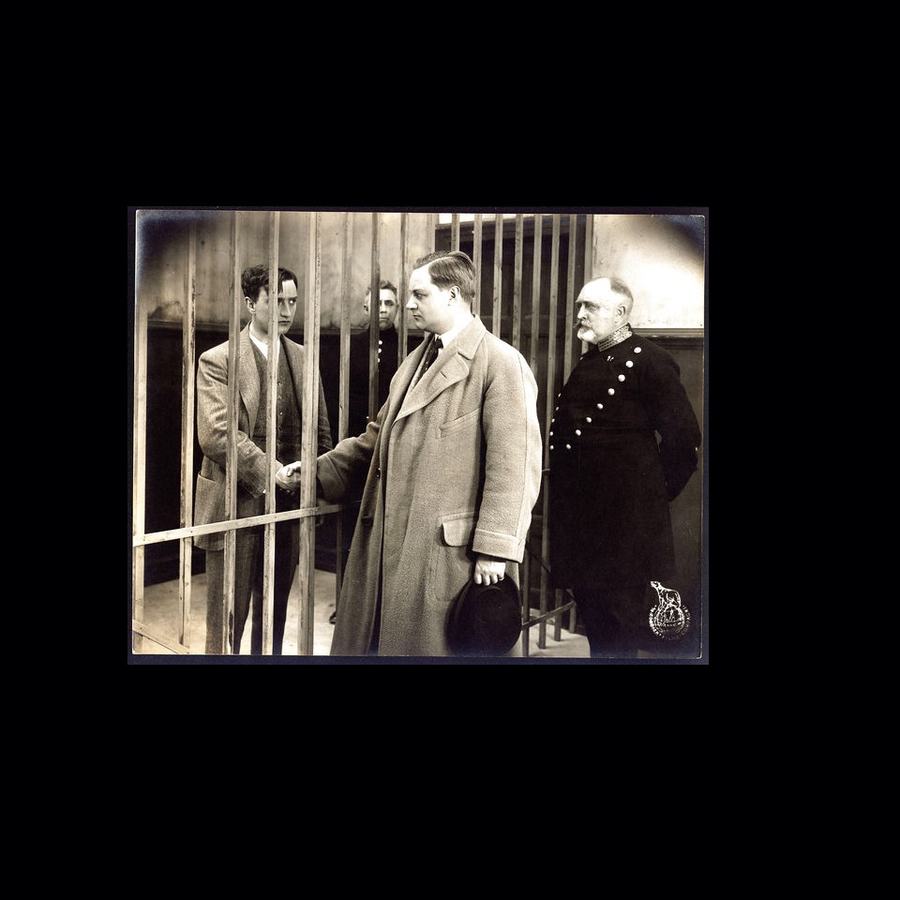
The casting of Frederik Jacobsen as the benevolent, perhaps slightly detached, figure who observes Anna's plight, and Alma Hinding in a role that likely contrasts with Anna’s struggles, adds further layers to the film's social tapestry. These supporting players, though perhaps less central, provide the necessary context and emotional counterpoints to Anna and Kai's journey. Their interactions, often communicated through subtle glances and gestures, highlight the societal strata and the various perspectives on ambition and success prevalent at the time. Johanne Krum-Hunderup and Vibeke Krøyer, too, contribute to the ensemble, each adding brushstrokes to the broader canvas of the film's world. Their presence, even in smaller roles, reinforces the sense of a community, a backdrop against which Anna's extraordinary efforts are set.
Carlo Wieth's portrayal of Kai is equally crucial. His character embodies the hopes and dreams that Anna so painstakingly cultivates. Kai’s journey is one of gradual awakening, from a dutiful son to a young man grappling with the weight of his mother’s sacrifices. Wieth effectively conveys the internal conflict: the desire to succeed, the pressure to live up to expectations, and the burgeoning awareness of the profound debt he owes. His transformation is subtle, marked by moments of quiet contemplation and earnest study. We see him not as a passive recipient of good fortune, but as an active participant in his own destiny, albeit one shaped by the immense efforts of another. The film doesn't shy away from the potential 'sins of ambition' that can arise from such a trajectory, but rather frames Kai's path as a legitimate and hard-won ascent, a stark contrast to the morally ambiguous pursuits often depicted in films like Sins of Ambition. Here, ambition is tempered by gratitude and a deep understanding of its cost.
Niels Jacobsen’s direction is marked by a clear, unpretentious vision. He allows the story to unfold organically, relying on the power of visual storytelling and the emotive capabilities of his actors. The cinematography, while perhaps lacking the elaborate flourishes of later silent epics, is effective in its simplicity, often framing Anna in ways that emphasize her isolation and her unwavering focus. The use of close-ups, though perhaps not as frequent as in more expressionistic films, is employed judiciously to highlight key emotional moments, particularly in Dinesen’s face. The pacing is deliberate, allowing the audience to fully absorb the weight of Anna’s struggle and the significance of Kai’s progress. Jacobsen understands that the true drama lies not in external spectacle, but in the internal fortitude of his characters. This understated approach allows the profound emotional beats to land with maximum impact, a testament to the director's intuitive grasp of cinematic narrative.
The enduring appeal of Studenterkammeraterne lies in its universal themes. Maternal sacrifice, the pursuit of education as a means of betterment, and the quiet heroism of everyday people are concepts that transcend cultural and temporal boundaries. Anna Frank's story is not unique to early 20th-century Denmark; it is a narrative that has played out in countless homes across the globe, in every era. This universality is what grants the film its profound staying power. It reminds us of the unseen labor, the countless personal compromises, and the boundless love that often underpins individual success stories. The film serves as a poignant reminder of the foundational role of family, particularly mothers, in shaping the future generations. It's a testament to the idea that true wealth often lies not in material possessions, but in the opportunities we can create for those we love.
Moreover, the film offers a fascinating glimpse into the social dynamics of its time. The emphasis on education as a path to upward mobility speaks volumes about societal values and aspirations. In an age before widespread social safety nets, individual initiative and familial support were paramount. Anna’s struggle is therefore not just personal, but also a reflection of broader societal challenges and the aspirations of the working class. Compared to the more stark social commentary often found in films like Anny - en gatepiges roman, Studenterkammeraterne approaches its social observations with a greater sense of hopeful humanism, even amidst the evident hardships. It posits that through sheer will and sacrifice, societal barriers, while formidable, are not insurmountable.
As a silent film, Studenterkammeraterne relies heavily on visual storytelling, body language, and the emotional resonance of its performers. The intertitles, while providing necessary exposition and dialogue, are used sparingly enough to allow the images themselves to carry the narrative weight. The film's strength lies in its ability to communicate complex emotions and motivations through non-verbal cues. Dinesen’s subtle gestures, Wieth’s earnest expressions, and the careful framing of scenes all contribute to a rich tapestry of meaning. It’s a powerful reminder of the artistry inherent in early cinema, where directors and actors had to find inventive ways to engage audiences without the benefit of synchronized sound. The visual poetry of the silent era is on full display here, demonstrating how effectively a story can be told through the careful orchestration of light, shadow, and human movement.
The film's aesthetic, typical of Danish cinema of the period, tends towards a naturalistic approach, grounded in realism rather than overt stylization. This choice serves the story well, making Anna's struggles and Kai's aspirations feel all the more tangible and immediate. There's a certain unvarnished honesty to the visuals that draws the viewer into their world. Unlike the grand historical epics or fantastical tales common in other national cinemas, Danish films often excelled at these intimate, character-driven dramas, finding profundity in the everyday. This focus on the human element, rather than elaborate spectacle, is a defining characteristic that gives Studenterkammeraterne its lasting power. It’s a film that asks us to look closely, to observe the quiet heroism unfolding before us, and to appreciate the immense power of human connection.
In conclusion, Studenterkammeraterne is far more than a historical curiosity; it is a powerful and deeply moving cinematic experience that continues to resonate with contemporary audiences. It's a film that celebrates the indomitable spirit of a mother, the transformative potential of education, and the profound impact of selfless love. Marie Dinesen's performance as Anna Frank remains a towering achievement in silent cinema, a portrait of quiet strength and unwavering devotion that is both timeless and deeply affecting. Niels Jacobsen’s understated direction allows the emotional core of the story to shine through, creating a narrative that is both specific in its setting and universal in its themes. For anyone seeking to understand the enduring power of early cinema, or simply wishing to witness a beautifully told story of sacrifice and hope, Studenterkammeraterne is an essential viewing experience. It serves as a stark, yet ultimately uplifting, reminder of the profound investments we make in one another, and the lasting legacies these acts of love create. It reminds us that the greatest triumphs are often forged in the quiet crucible of unwavering dedication, a truth as relevant today as it was over a century ago.
IMDb —
1926
Community
Log in to comment.