DbcultAccessing Vault...
6.1/10
Senior Film Conservator
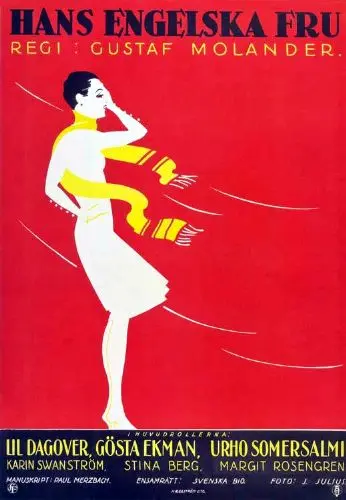
A definitive 6.1/10 rating for a film that redefined the boundaries of cult cinema. Hans engelska fru remains a cornerstone of transgressive art.
Is 'Hans engelska fru' worth unearthing from the annals of cinema history today? Short answer: yes, but with significant caveats. This early Swedish production, often overlooked, offers a fascinating glimpse into a particular style of filmmaking and societal commentary that was bold for its time.
It's a film best suited for dedicated cinephiles, those with a keen interest in silent era dramas, or anyone seeking to understand the foundational elements of European storytelling. If you prefer modern pacing, complex character arcs, or high production values, this might not be the cinematic experience you're looking for.
At its core, 'Hans engelska fru' is a stark, almost brutal, examination of status, wealth, and the commodification of women in early 20th-century high society. The narrative hinges on a chilling premise: two English aristocrats, Ivor Willington and Lionel Jessop, engage in a card game where the prize is not a sum of money, but the hand of a young, recently widowed woman, Cathleen Paget, and her considerable inheritance. This isn't a story of romantic rivalry, but rather a cold, calculated competition for a human asset, to be 'claimed' once her year of mourning is complete.
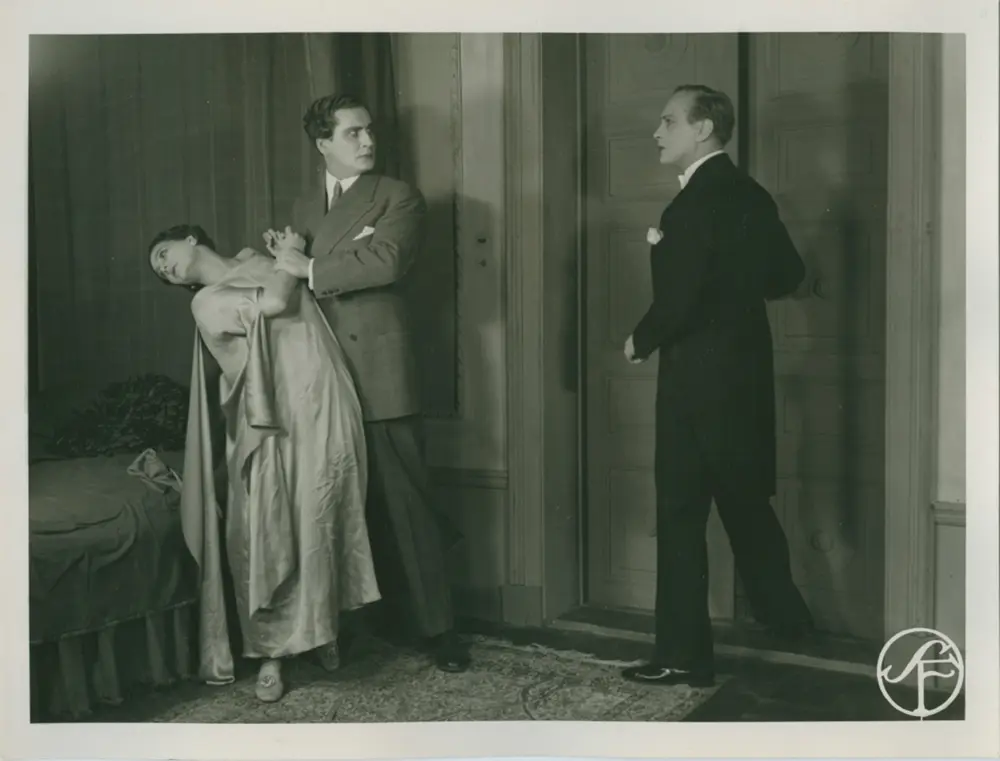
The film, penned by Paul Merzbach, dares to expose the underlying cynicism of arranged marriages and social climbing, stripping away any pretense of affection to reveal the raw, transactional nature of such unions. It's a narrative that, despite its age, still possesses a biting edge, forcing viewers to confront uncomfortable truths about power dynamics and personal agency within rigid social structures.
This film works because it fearlessly tackles a cynical, often hidden, aspect of societal norms through a surprisingly direct narrative. It leverages its silent medium to convey emotional subtext and class commentary with a stark efficiency often missing in its contemporaries. The performances, particularly from Lil Dagover, inject a much-needed depth into an otherwise bleak premise, grounding the detached machinations in genuine human feeling.
This film fails because its pacing can feel glacially slow by modern standards, and certain narrative resolutions lack the emotional punch that contemporary audiences might expect. The character motivations, while clear, sometimes lean into archetypes without truly evolving, leaving some dramatic potential untapped. Furthermore, the technical limitations of its era, while understandable, occasionally detract from immersion.
You should watch it if you appreciate early European cinema's willingness to critique social structures, are fascinated by the evolution of film as a storytelling medium, and are prepared for a deliberate, character-focused drama that prioritizes thematic depth over action. It’s a compelling historical document.
While 'Hans engelska fru' is a Swedish production, its setting and subject matter feel distinctly international, reflecting a broader European fascination with aristocratic dramas. The direction, likely a collaborative effort given the era, demonstrates a clear intent to foreground the characters' internal states, often through subtle gestures and expressions rather than overt action. The film relies heavily on close-ups to convey emotion, a technique that was still evolving but effectively utilized here to draw the audience into the psychological drama unfolding.
Cinematographically, the film operates within the technological limitations of its time. The lighting is functional, often stark, serving to illuminate the actors and sets rather than create complex moods. There are moments, however, where the framing is quite deliberate, such as the initial card game scene. The camera holds a steady, almost voyeuristic distance, emphasizing the cold detachment of the two men as they decide another's fate. This particular shot, with the flickering light across their faces, is surprisingly effective in establishing the film's cynical tone.
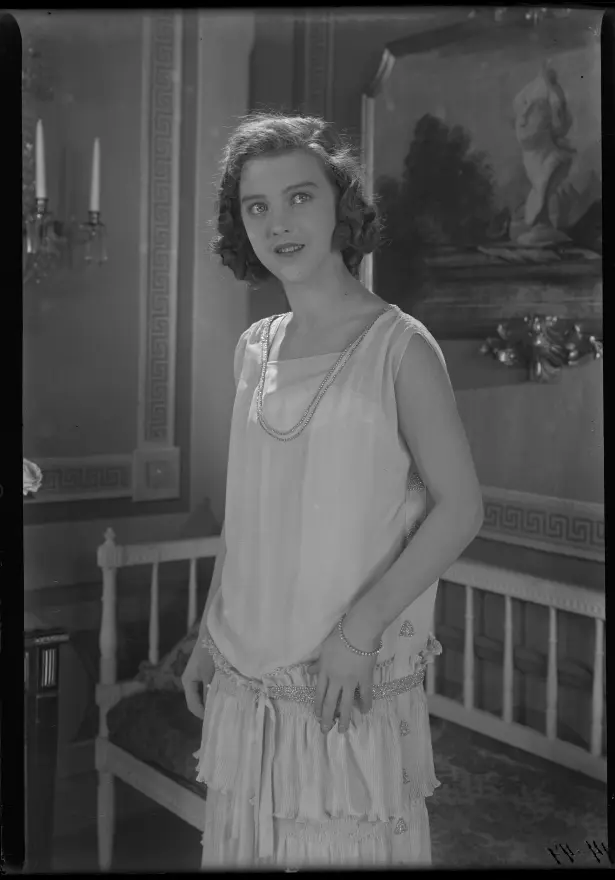
One might argue that the visual language is somewhat rudimentary compared to, say, the German Expressionist films emerging around the same time, like Robert Wiene's 'The Cabinet of Dr. Caligari'. 'Hans engelska fru' does not aim for stylistic extravagance; instead, it opts for a more straightforward, theatrical presentation. This isn't a flaw, but a stylistic choice that prioritizes narrative clarity and character focus over visual spectacle.
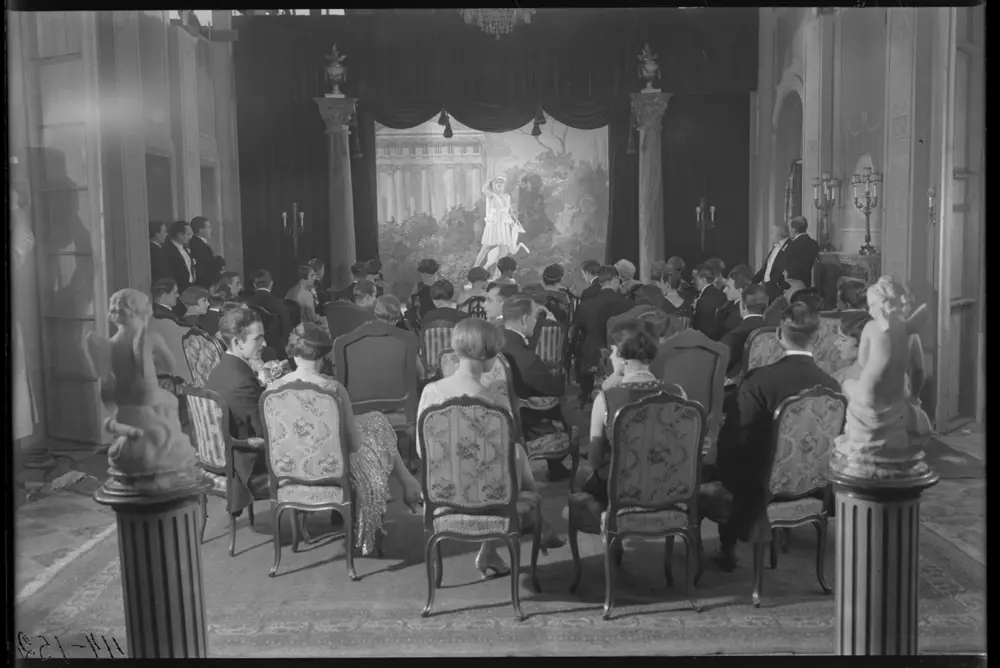
The sets, while not elaborate, successfully evoke the opulent yet confining world of the upper class. Glimpses of grand drawing rooms and manicured gardens reinforce the idea of a life lived in a gilded cage, where appearances are paramount and personal freedoms are often curtailed by social expectations. The contrast between these refined settings and the vulgarity of the central wager is a potent visual metaphor.
In silent cinema, the burden of conveying character and emotion falls almost entirely on the actors' physical presence, facial expressions, and nuanced body language. 'Hans engelska fru' features a cast that largely rises to this challenge, particularly Lil Dagover as Cathleen Paget.
Dagover, known for her work in German cinema, brings a quiet dignity and underlying fragility to Cathleen. Her performance is a masterclass in subtlety; she doesn't overact, even when the script might tempt her to. Instead, her eyes, her posture, and the slight tremor in her hands speak volumes about her character's predicament and internal struggle. There's a particular scene where she learns of the wager, and her face, initially composed, slowly crumbles into a mask of hurt and betrayal – a powerful, wordless moment that anchors the film's emotional weight.
Gösta Ekman, portraying one of the gentlemen, injects a necessary layer of charm and menace. He embodies the casual arrogance of his class with an ease that is both captivating and repulsive. His smirking confidence during the card game, for instance, is chilling precisely because it feels so natural, so ingrained in his character's worldview. He doesn't need dialogue to convey his self-assured superiority; his very presence does the talking.
The supporting cast, including Karin Swanström and Ragnar Arvedson, contribute to the film's atmosphere, though their roles are less developed. They serve primarily as extensions of the societal pressures and expectations that constrain Cathleen. Swanström, as a stern matriarchal figure, projects an imposing presence that reinforces the rigid social rules of the period. Their collective performances, while varying in intensity, create a believable ensemble that grounds the somewhat melodramatic plot in a sense of reality.
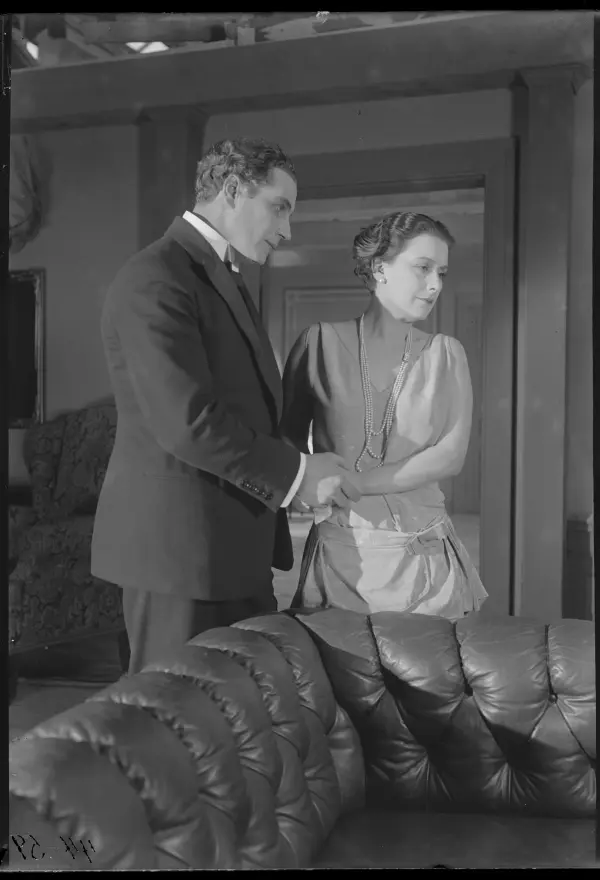
It's important to remember that silent acting styles were different. What might seem overly dramatic or theatrical to a modern viewer was often the standard for conveying emotion without spoken words. The cast of 'Hans engelska fru' navigates this balance with commendable skill, making their characters' plights and motivations clear, even across a century of cinematic evolution.
The pacing of 'Hans engelska fru' is undeniably deliberate. This is not a film that rushes its narrative; instead, it allows scenes to unfold, giving the audience time to absorb the emotional weight and social implications of each development. For viewers accustomed to the rapid-fire editing and constant stimulation of contemporary cinema, this might require an adjustment. However, this measured pace serves to heighten the sense of inevitability and the oppressive nature of Cathleen's situation.
The tone is largely somber and critical, tinged with a dark irony. There are moments of levity, often provided by the more eccentric supporting characters, but these are brief respites from the film's overarching critique of class and gender dynamics. The film doesn't shy away from portraying the ugliness of human greed and the vulnerability of those without power.
Its thematic resonance lies in its bold questioning of societal norms. 'Hans engelska fru' is not just a story about a woman caught in a bind; it's a commentary on the inherent injustice of a system where a woman's value is tied to her inheritance and her eligibility as a 'prize'. It challenges the romanticized notion of marriage, exposing it as a transactional arrangement for many in the upper echelons of society.
Comparing it to other films of the era, one might draw parallels with the social realism found in some early British films or even the more dramatic works of Scandinavian cinema that often explored moral dilemmas. While it lacks the overt political fervor of a film like Beasts of Paradise, its social commentary is no less pointed. It's a quieter rebellion.
The film's exploration of agency, or lack thereof, for women is particularly striking. Cathleen is not merely a passive object; she grapples with her fate, demonstrating a nascent strength that hints at the changing roles for women that would become more prominent in later decades. This subtle assertion of will is perhaps the most surprising and enduring aspect of the film's thematic depth.
Absolutely, for the right audience. 'Hans engelska fru' is a significant artifact of early Swedish cinema, offering valuable insights into filmmaking techniques and social attitudes of the 1920s. It's a slow burn, but its thematic boldness and strong central performances make it a compelling watch for those interested in film history and the evolution of dramatic storytelling. It works. But it’s flawed. Its historical value is undeniable, even if its entertainment value is subjective.
'Hans engelska fru' is more than just a relic; it's a compelling, if challenging, piece of early cinema that deserves recognition for its audacious premise and strong central performance. It's a film that speaks volumes about the societal constraints placed upon women and the cynical underbelly of aristocratic life, even without a single spoken word. While its pacing and technical limitations might deter casual viewers, its thematic depth and historical significance make it an essential watch for those who appreciate the foundational works of dramatic storytelling.
It may not offer the immediate gratification of a modern blockbuster, nor the intricate narrative twists of contemporary thrillers like Believe Me. Instead, it provides a thoughtful, often unsettling, look back at a world where human beings could be gambled away like chips on a card table. Its enduring power lies in its ability to provoke thought and discussion about themes that, regrettably, still resonate in various forms today. A worthy, if demanding, journey into cinematic history.
IMDb 5.9
1922
Community
Log in to comment.