DbcultAccessing Vault...
6.3/10
Senior Film Conservator
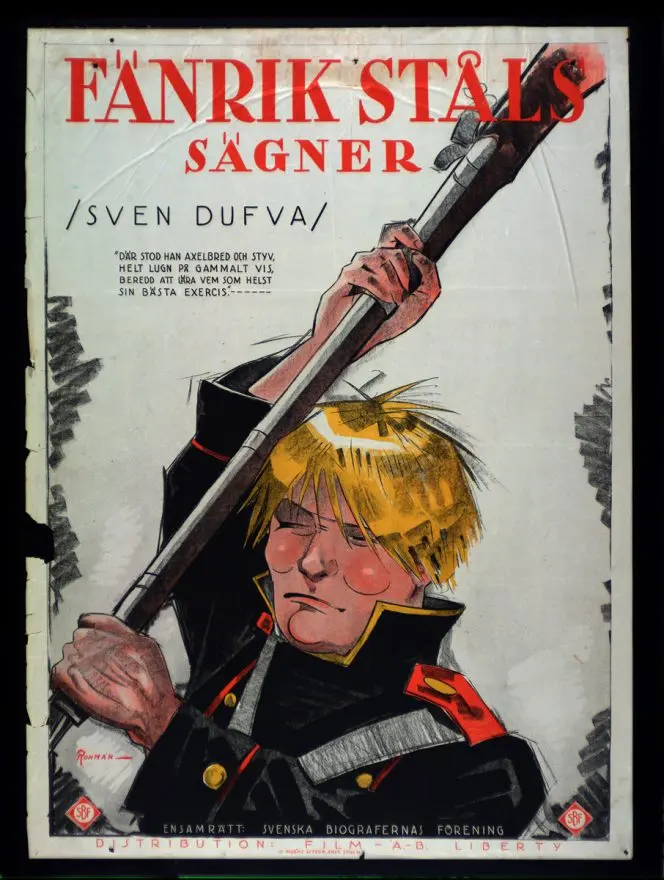
A definitive 6.3/10 rating for a film that redefined the boundaries of cult cinema. Fänrik Ståls sägner remains a cornerstone of transgressive art.
Is Fänrik Ståls sägner worth watching today? The short answer is yes, but with significant caveats. This film is tailor-made for dedicated cinephiles, historians, and those with a deep appreciation for early cinematic storytelling, particularly European historical epics. However, it will likely prove a challenging, perhaps even alienating, experience for the casual viewer expecting modern pacing or narrative conventions.
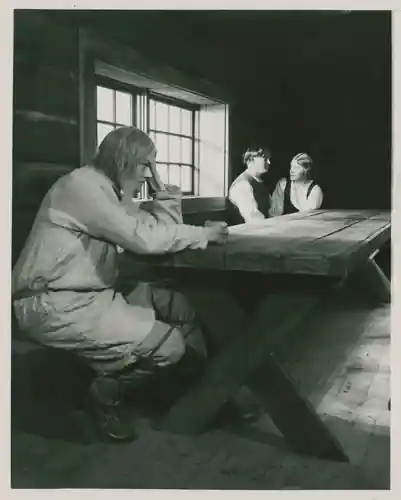
For those willing to engage with its historical context and stylistic choices, Fänrik Ståls sägner offers a unique window into a bygone era of filmmaking and a pivotal moment in Scandinavian history. It’s an artifact, yes, but one that still speaks volumes, even if its voice is sometimes muted by time.
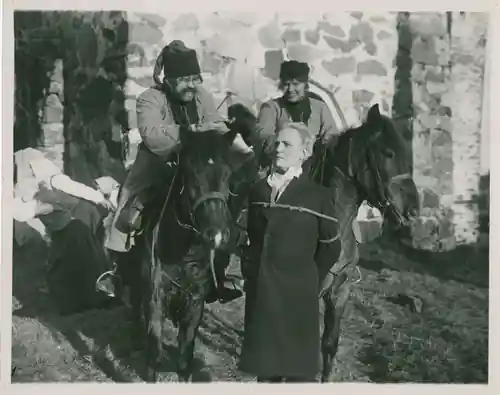
Directed by Ivar Johansson, Fänrik Ståls sägner (often translated as The Tales of Ensign Stål) is a 1926 Swedish silent film adaptation of Johan Ludvig Runeberg’s revered collection of epic poems. The original work is a cornerstone of Finnish literature, recounting the events and heroes of the Finnish War (1808-1809), a conflict that fundamentally reshaped the geopolitical landscape of Northern Europe. Translating such a beloved and episodic text to the nascent medium of cinema was, in itself, an act of audacious ambition, especially considering the technical limitations of the period.
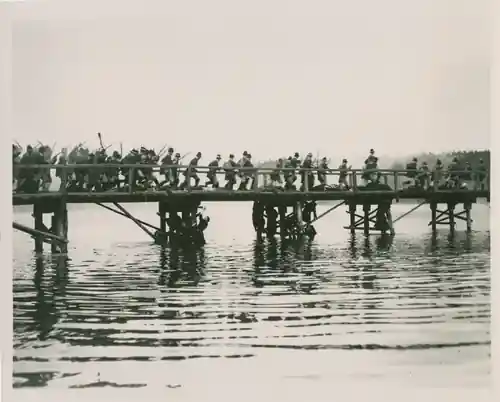
The film attempts to capture the spirit of Runeberg’s nationalist saga, weaving together tales of bravery, hardship, and sacrifice. It’s less a singular story with a clear protagonist and more a series of dramatic tableaux, each designed to evoke a particular sentiment or highlight a specific act of heroism. This approach, while faithful to the source, presents a significant hurdle for contemporary audiences accustomed to more linear and character-driven narratives.
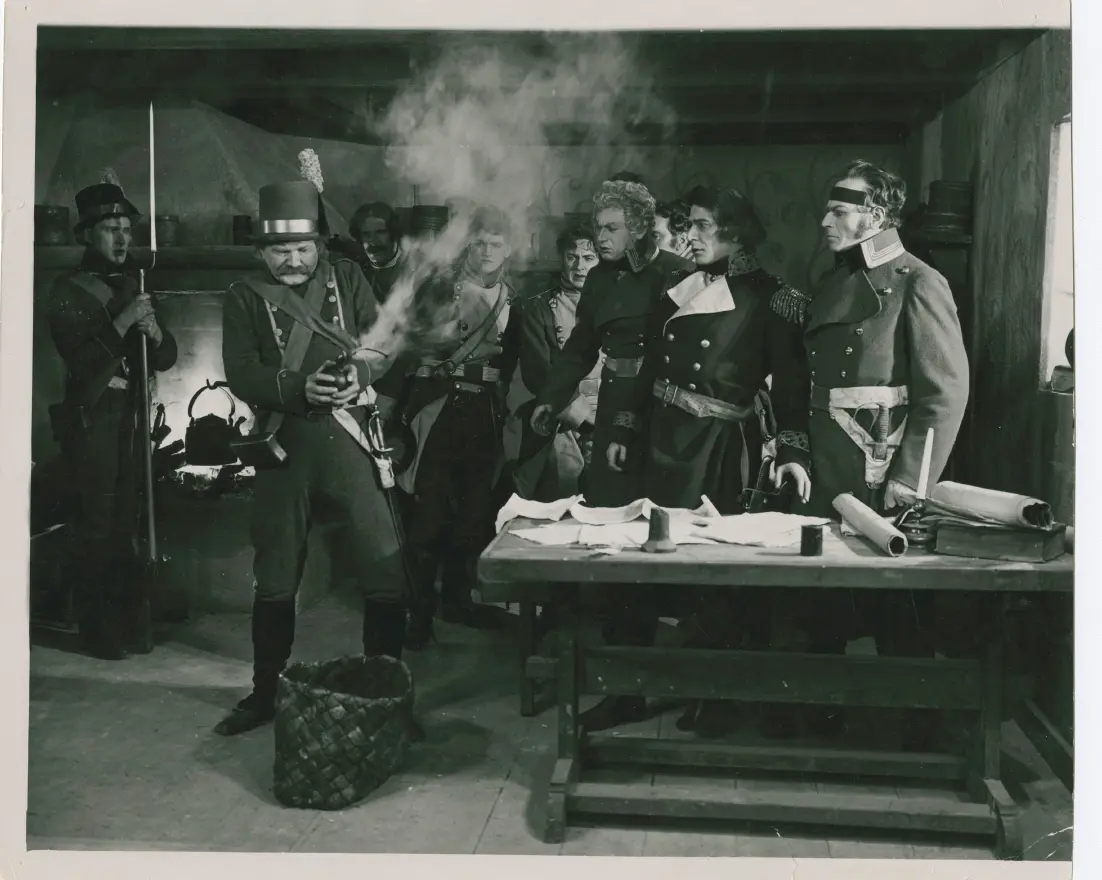
This film works because it offers an invaluable historical document, showcasing early 20th-century Swedish filmmaking ambition and preserving a cultural narrative of immense importance. It captures the grand scale of the conflict through impressive (for its time) cinematography and a genuine reverence for its source material, making it a vital piece of cinematic archaeology.
This film fails because its episodic structure, glacial pacing, and highly theatrical acting styles make it an incredibly arduous watch for anyone not deeply invested in the silent film era or the specific historical context. Its narrative cohesion is often lost amidst the vignettes, demanding constant interpretive effort from the viewer.
You should watch it if you are a dedicated silent film scholar, a historian of Scandinavian conflicts, or someone who cherishes the opportunity to witness early attempts at epic storytelling on film, prepared for a slow and reflective experience that prioritizes historical scope over individual character arcs.
The narrative of Fänrik Ståls sägner is, by modern standards, a patchwork quilt rather than a seamless tapestry. It faithfully adheres to the episodic nature of Runeberg's poems, presenting a series of self-contained stories and character studies that collectively paint a picture of the Finnish War. We encounter a diverse array of figures, from the stoic General Klingspor (played with a certain gravitas by Carl Deurell) making difficult strategic decisions, to the valiant Ensign Stål himself, and numerous unsung heroes whose sacrifices are meant to inspire national pride and foster a sense of collective identity.
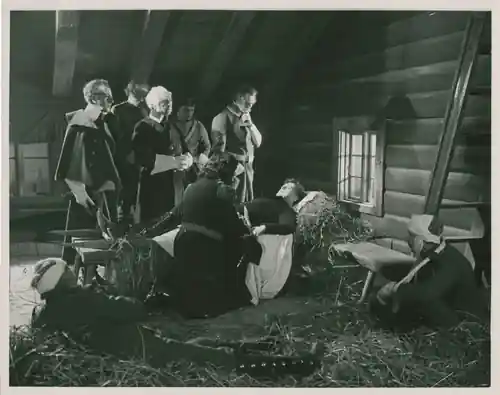
This structure, while authentic to the source, means the film often lacks a central emotional anchor. Characters appear, make their contribution to the larger narrative of the war, and then recede, sometimes never to be seen again. This can leave viewers feeling detached, struggling to invest deeply in any single individual’s journey. Instead, the film asks you to invest in the collective spirit of a people under siege, making the abstract concept of Finnish nationalism its true, albeit intangible, protagonist.
The overarching themes are clear: patriotism, duty, sacrifice, and the brutal realities of war. The film doesn't shy away from depicting the harsh conditions endured by soldiers and civilians alike, though its silent film conventions mean much of this is conveyed through stark visual compositions and dramatic intertitles. There's a particular emphasis on the Finnish spirit of resilience, even in the face of overwhelming odds. One could argue that the film’s greatest strength is also its most significant barrier to entry: its unwavering commitment to the narrative style of its source material, which feels less like a conventional film and more like a series
IMDb —
1932
Community
Log in to comment.