DbcultAccessing Vault...
6.7/10
Senior Film Conservator
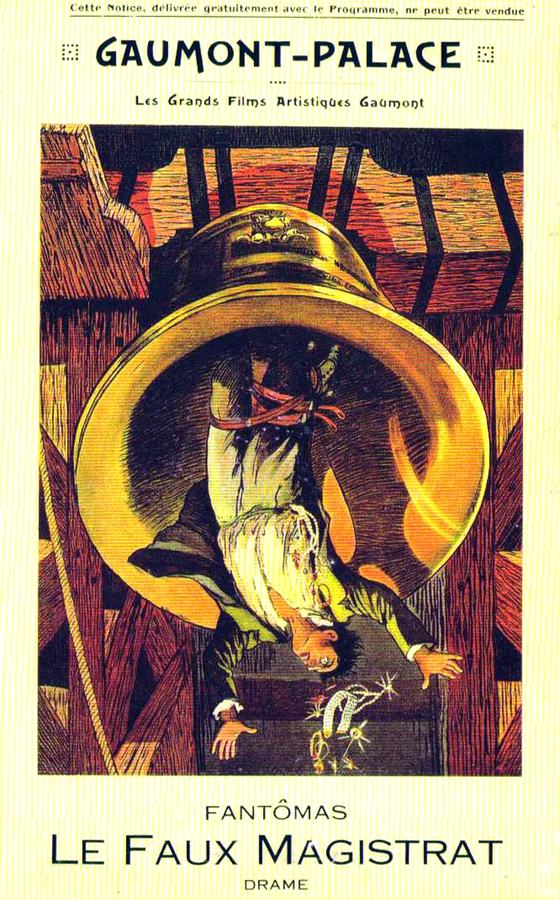
A definitive 6.7/10 rating for a film that redefined the boundaries of cult cinema. Fantômas: The False Magistrate remains a cornerstone of transgressive art.
When Louis Feuillade unleashed the Fantômas saga in the early 1910s, he forged a template for the serial thriller that still reverberates through contemporary cinema. Fantômas: In the Shadow of the Guillotine introduced audiences to a villain whose anonymity was his greatest weapon, a specter capable of assuming any guise. The False Magistrate, the seventh episode, pushes the mythos into a legal labyrinth, turning the justice system itself into a stage for the criminal’s performance.
The episode opens with a stark tableau: a Belgian courtroom, the echo of the gavel, and Fantômas—portrayed with a chilling calm—receiving a life sentence. Feuillade does not linger on the crime itself; instead, he foregrounds the psychological weight of confinement. The audience feels the claustrophobia through tight framing, a technique that foreshadows the protagonist’s future maneuverings.
Inspector Juve, embodied by the stoic Jean‑François Martial, perceives the sentencing as a strategic opening. Rather than celebrating a victory, Juve devises a plan to exploit the legal system’s mercy. He petitions for a conditional release, arguing that a monitored freedom would allow the police to shadow Fantômas back into France, where his criminal network still operates.
The narrative tension hinges on this paradox: liberty granted as a tool for capture. This concept resonates with modern debates about surveillance and civil liberties, echoing the ethical quandaries explored in later works such as The Black Chancellor.
Fantômas, though seldom given a name beyond his moniker, becomes the embodiment of a false magistrate—an impostor who manipulates law, order, and morality. Laurent Morléas’ performance is a study in restrained menace; his eyes convey calculation while his movements remain deliberately ambiguous. The supporting cast—Suzanne Le Bret as the conflicted informant, René Navarre as the steadfast detective—adds layers of loyalty and betrayal that enrich the story’s moral tapestry.
The title itself invites a double reading. On one level, it references the official magistrate who ostensibly pardons Fantômas; on another, it signals the criminal’s self‑appointment as arbiter of justice, subverting the legal order from within.
Feuillade’s direction leans heavily on chiaroscuro, employing stark contrasts between the dimly lit interiors of prisons and the flickering streetlamps of Paris. The dark orange hue of the film’s promotional posters—#C2410C—finds its echo in the on‑screen lighting, casting an ominous glow that mirrors the protagonist’s moral ambiguity.
The camera frequently follows Fantômas through narrow alleys, using low angles to amplify his dominance over the urban environment. This visual language prefigures the kinetic chase sequences of later serials like The Mystery of the Yellow Room.
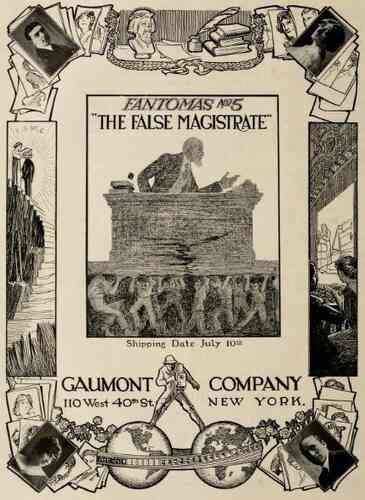
The episode interrogates the paradox of freedom as both weapon and vulnerability. By granting Fantômas a conditional release, the state acknowledges its own limitations, suggesting that the law can be as pliable as the criminal it seeks to imprison. This theme reverberates through cinematic history, influencing narratives such as Mysteries of Paris.
Moreover, the film explores the notion of identity as performance. Fantômas adopts multiple personas—magistrate, benefactor, avenger—each tailored to exploit societal expectations. The audience is left to question whether any individual can ever truly escape the masks they wear.
While many serials of the era rely on straightforward heroics, Fantômas distinguishes itself through moral complexity. Its contemporaries, such as The Black Chancellor and Les amours de la reine Élisabeth, present clear dichotomies between good and evil. In contrast, The False Magistrate blurs those lines, positioning the law as a potential antagonist.
The film’s pacing also deviates from the rapid-fire action of earlier episodes. Here, Feuillade allows moments of contemplative silence, letting the audience absorb the psychological stakes. This measured rhythm anticipates the suspenseful storytelling of later French noir, notably in The Stranglers of Paris.
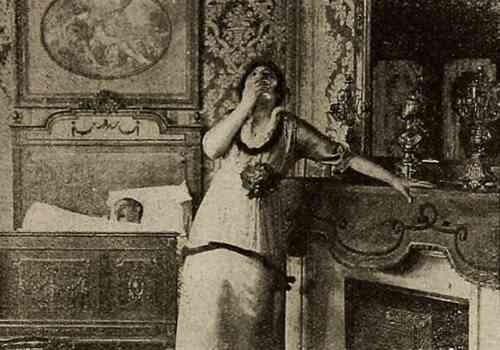
Mesnery’s portrayal of the eponymous magistrate is a masterclass in understated villainy. He conveys authority through posture rather than dialogue, allowing the audience to feel the weight of his false legitimacy. Edmund Breon, as the beleaguered prison warden, injects a rare vulnerability into the bureaucratic machinery, reminding viewers that institutions are populated by fallible humans.
The chemistry between Juve and his informant, played by Suzanne Le Bret, adds a layer of emotional tension. Their clandestine exchanges—often conducted in dimly lit cafés—are filmed with a close‑up intimacy that underscores the personal stakes of the pursuit.
The penultimate act unfolds in a deserted warehouse, a setting bathed in the eerie glow of sea‑blue lanterns (#0E7490). Here, Fantômas confronts Juve in a cataclysmic duel of wits. The confrontation is less about physical combat and more about ideological supremacy. Juve argues for the sanctity of law; Fantômas counters with a nihilistic creed that law is merely another mask.
As the tension peaks, a sudden police raid—coordinated through the very conditional release that set the trap—splits the warehouse. The ensuing chaos results in a cascade of gunfire, shattered glass, and the ambiguous fate of Fantômas. Feuillade deliberately leaves the ending unresolved, a narrative choice that fuels endless speculation and cements the character’s mythic status.
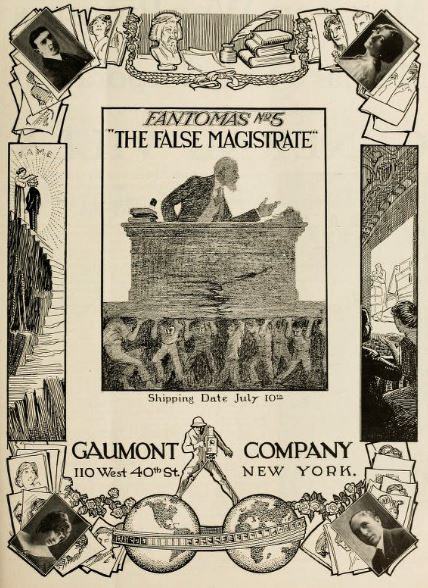
Over a century later, The False Magistrate continues to inspire filmmakers and scholars alike. Its exploration of legal manipulation prefigures modern thrillers such as The Corpse of a Woman, while its visual style informs the aesthetic of contemporary crime series.
The episode’s daring narrative gamble—granting a criminal freedom to capture him—has been echoed in numerous cinematic experiments, from the courtroom dramas of the 1930s to the morally ambiguous anti‑heroes of today’s streaming platforms.
The production design excels in contrasting the oppressive interiors of prisons with the bustling, neon‑tinged streets of Paris. Set pieces, such as the iron bars of the cell and the ornate woodwork of the magistrate’s office, are meticulously detailed, offering visual clues that reward attentive viewers.
Editing is crisp, employing rapid cross‑cuts during chase sequences to heighten urgency, while lingering cuts during dialogue scenes allow actors to breathe, creating a rhythm that oscillates between tension and contemplation.
Though silent, the film’s score—performed live during original screenings—utilizes a recurring motif in minor key, underscoring the pervasive sense of dread. Modern restorations have paired the original piano accompaniment with a subtle orchestral arrangement, enriching the viewing experience without overwhelming the period authenticity.
Fantômas: The False Magistrate stands as a testament to Feuillade’s visionary storytelling. Its intricate plot, thematic depth, and pioneering visual techniques elevate it beyond mere entertainment, positioning it as a critical study in the evolution of crime cinema. For scholars of early film, enthusiasts of serial narratives, and anyone fascinated by the interplay of law and anarchy, this episode offers a richly layered experience that rewards repeated viewings.
If you appreciate the labyrinthine intrigue of The Black Chancellor or the atmospheric tension of Mysteries of Paris, then The False Magistrate should be at the top of your watchlist. Its relevance persists, reminding us that the pursuit of justice is often a dance with the very shadows it seeks to dispel.
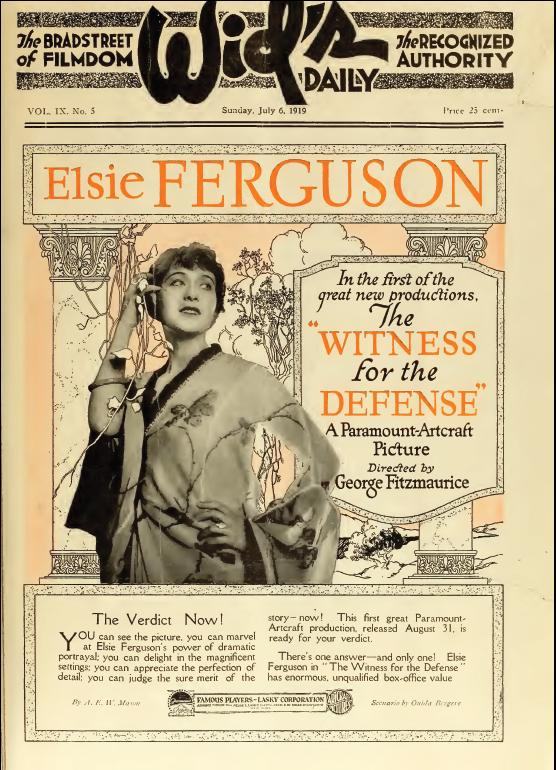
IMDb 7.5
1919
Community
Log in to comment.