DbcultAccessing Vault...
6.2/10
Senior Film Conservator
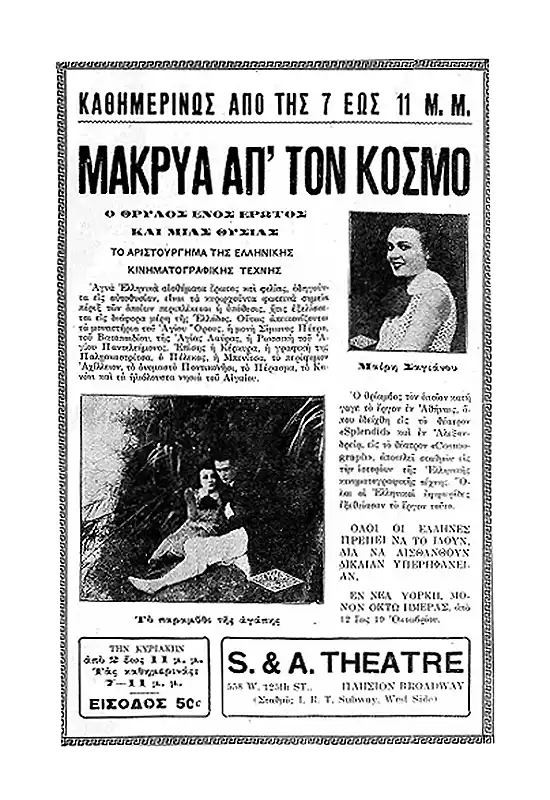
A definitive 6.2/10 rating for a film that redefined the boundaries of cult cinema. Far from the Crowd remains a cornerstone of transgressive art.
If you are in the mood to feel slightly miserable for an hour or so, Far from the Crowd is actually a pretty solid pick. It is for people who like those old, dusty dramas where everyone looks very intense and the lighting is a bit too dark in the corners. If you want a happy ending, please, just go watch something else. Seriously.
The story is pretty simple but it feels heavy. Sasa Kondyli plays this girl who is just not having it with the guy her parents picked out for her. It is that classic 'arranged marriage' trope, but it feels more suffocating here because of how small the village feels. Her real boyfriend goes off to war, and then things just go south from there.
I noticed that Sasa Kondyli has this way of looking at the camera like she is trying to see through the glass. It reminded me a bit of the lead in Sirens of the Sea, but maybe a little more grounded in reality. There is this one scene where she is just staring at a letter for what feels like three minutes. You can tell the director, Orestis Laskos, really loved his long close-ups.
Speaking of Laskos, he is also acting in this one. It is kind of funny seeing him pop up in his own movie. The war stuff is... well, it is clearly not where the budget went. It feels a bit like the battle scenes in The Enemy, but way smaller and a bit more chaotic in a low-budget way.
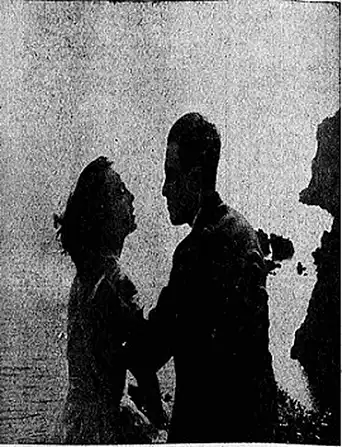
The middle part of the movie slows down a lot once she goes to the monastery. I found myself looking at the background more than the actors during these bits. The walls of the monastery look so cold and damp. You can almost feel the draft coming off the screen while she sits in her cell.
It is not as scandalous as The Solitary Sin, obviously. This is much more of a slow, quiet fade into sadness. The ending is exactly what you think it is from the start, but it still hits a bit hard when it finally happens. She just kind of... gives up on the world.
I kept thinking about The Orphan while watching this. Both movies really lean into that idea that life is just one long series of bummers. But Far from the Crowd has this specific Greek flavor to it that makes it feel different. The landscape looks rugged and unforgiving, which fits the mood.
The dialogue—or the title cards, if you’re watching a silent version—is pretty blunt. "I will never marry him!" It is simple and doesn't try to be clever or poetic. Sometimes that works better than trying to be Shakespeare.
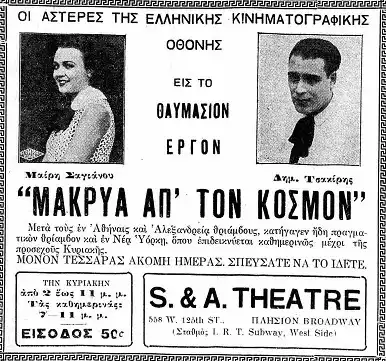
If you liked the fast pace of The Slanderers, you will probably find this too slow. It drags in the second act when she is just praying and looking sad. But the cinematography in the village is actually quite nice to look at.
One scene goes on about 20 seconds too long, and the silence starts to feel awkward rather than emotional. It's when she is saying goodbye to her lover by the fence. They just stand there. And stand there. You can almost feel the movie trying to convince you this moment matters more than it does.
I also wondered about the fiancé character. He is played by Mimis Kokkinis, and he has this mustache that deserves its own credit. He’s not even a bad guy, really, just sort of... there. It makes the girl's refusal feel more about her own will than him being a monster, which I liked.
The movie gets noticeably better once it stops trying to be a romance and starts being a tragedy. The transition is clunky, though. One minute she's crying over a soldier, the next she's wearing a habit. It’s like the movie skipped a whole chapter of her life.
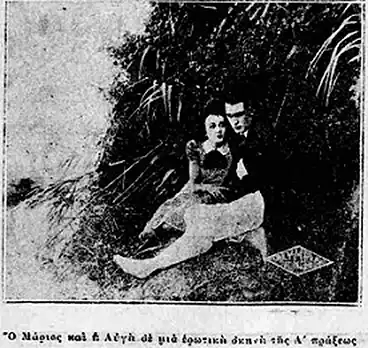
It reminded me of the social pressures in Social Ambition, but without the fancy clothes. This is a very "dirt and stone" kind of movie. Everything feels heavy and permanent.
The lighting in the final scenes is actually pretty great. It’s dark, but you can see the shapes of the crosses on the walls. It has that same moody vibe as A Miss in the Dark. It makes the monastery feel like a tomb long before she actually dies.
There's a weird moment where a goat wanders into a shot. I don't think it was supposed to be there. But they kept it in anyway, and honestly, it’s the most life I saw in the village scenes. 🐐
If you've seen Une histoire de brigands, you know how these rural dramas go. Lots of staring at hills. Lots of parents shouting about honor. This one just adds a religious layer that makes it feel even more doomed.
The pacing is a bit like The Eleventh Hour where you're just waiting for the clock to run out. You know the tragedy is coming. You're just watching the minutes tick by until she finally kicks it.
Anyway, it’s an okay movie if you’re into film history. Just don't expect to feel good after it’s over. It’s a very earnest attempt at a tragedy, and for 1930, it’s got some guts. Just make sure you have some tissues or maybe a stiff drink nearby. 🍷

IMDb —
1919
Community
Log in to comment.