DbcultAccessing Vault...
3.8/10
Senior Film Conservator
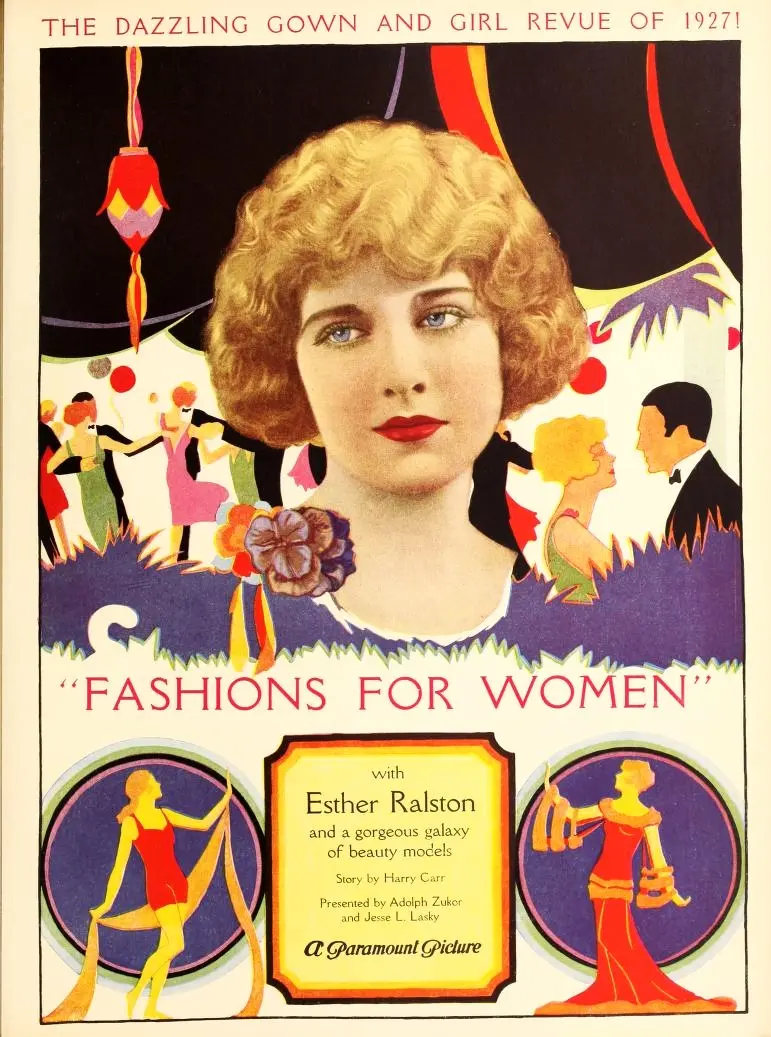
A definitive 3.8/10 rating for a film that redefined the boundaries of cult cinema. Fashions for Women remains a cornerstone of transgressive art.
Is 'Fashions for Women' worth watching today? Short answer: absolutely, but with a few significant caveats. This silent era melodrama, with its sharp social satire and surprisingly modern themes, will resonate deeply with cinephiles, fashion historians, and those intrigued by the early days of celebrity culture. However, viewers unaccustomed to the pacing and expressive acting of silent cinema, or those seeking a purely lighthearted romance, might find its rhythm challenging.
Let’s cut to the chase for those considering a dive into this 1927 production:
At its heart, Fashions for Women is a surprisingly incisive look at the manufactured reality of celebrity. The film posits a world where social standing is less about inherent worth and more about carefully curated appearances, a concept that feels eerily relevant in our age of social media influencers. Céleste de Givray, a socialite whose fame is a direct product of her shrewd press agent, Sam Dupont, embodies this superficiality.
When Céleste decides to step back for a cosmetic procedure, Dupont orchestrates a grand deception. He plucks Lola Dauvry, a humble cigarette girl, from obscurity to impersonate Céleste. This isn't just a plot device; it's the film's central thesis: that identity can be a costume, easily donned and discarded. The audacity of this premise, especially for its time, is truly commendable.
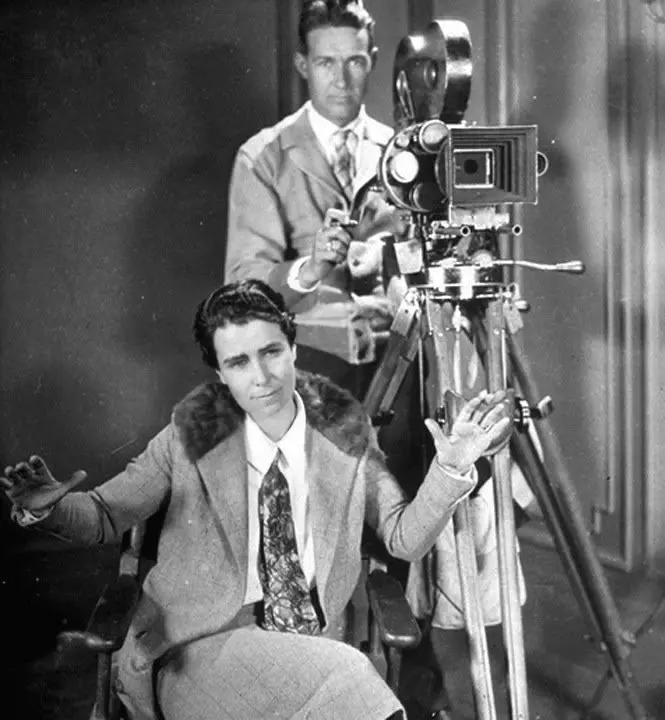
The tension builds through Lola's precarious existence in Céleste's opulent apartment, a masterclass in silent film suspense. Her near-exposure to the Duke of Arles is a sequence that, despite its age, still manages to tighten the viewer's stomach. Dupont's steadfast refusal to reveal Lola's true identity, even at her desperate pleas, highlights the ruthless nature of image management. It’s a brutal, yet honest, portrayal of the lengths people will go for social currency.
The performances in Fashions for Women are a testament to the expressive power of silent cinema. Esther Ralston, as Lola Dauvry, carries the emotional weight of the film with remarkable grace. Her transition from a wide-eyed cigarette girl to a poised, albeit terrified, socialite impostor is captivating. Ralston’s eyes, in particular, convey a depth of emotion – fear, longing, defiance – that transcends the lack of spoken dialogue. One specific moment, when she silently begs Dupont to tell Raoul the truth, is heartbreakingly poignant, relying solely on her nuanced facial expressions and subtle body language.
Einar Hanson, as Raoul de Bercy, brings a quiet dignity to his role. His portrayal is less about overt dramatics and more about an understated sincerity that grounds the more outlandish elements of the plot. The chemistry between Ralston and Hanson, though often conveyed through longing glances and restrained gestures, feels genuine, anchoring the romantic subplot amidst the deception.
Hazel Howell's Céleste de Givray, while crucial to the plot, is, frankly, a less compelling character than her imposter. Her performance is adequately haughty, fitting for the superficial socialite, but she often feels like a caricature rather than a fully realized individual. This contrast, however, inadvertently strengthens Ralston's portrayal, making Lola's journey all the more sympathetic and engaging.
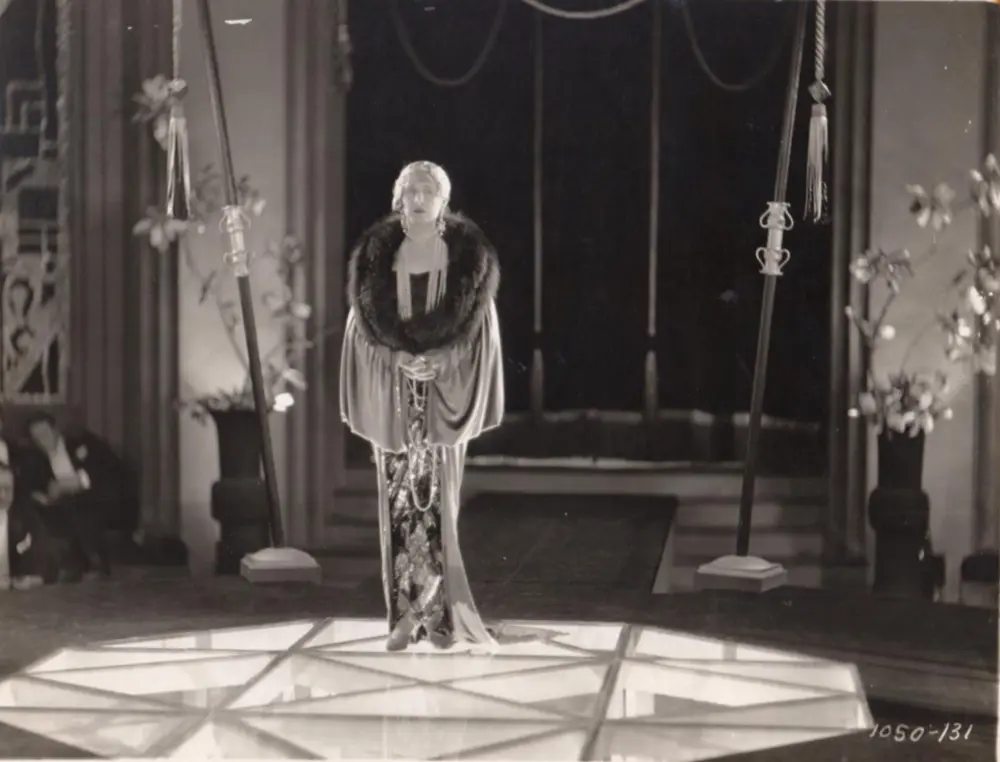
The supporting cast, while not always given extensive development, serves their purpose well. Raymond Hatton, as Sam Dupont, embodies the slick, amoral press agent with a mischievous glint in his eye. He’s the puppet master, and Hatton plays him with a blend of charm and ruthlessness that is both unsettling and oddly charismatic. His performance is a highlight, adding a cynical edge to the film's often romanticized world.
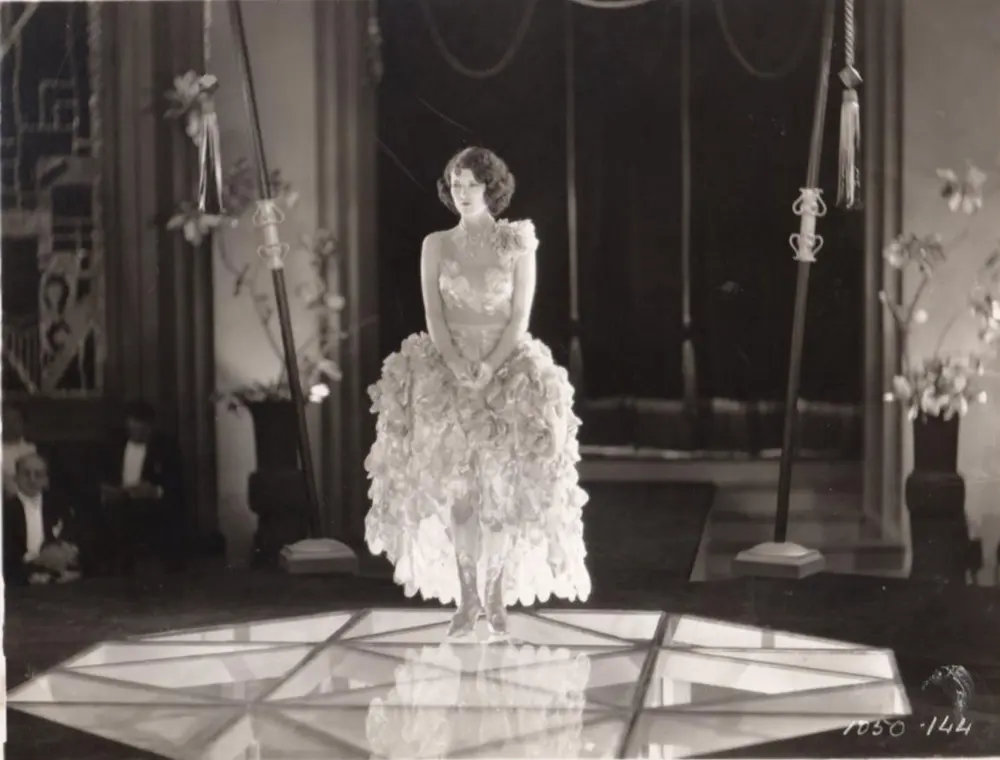
The direction in Fashions for Women, while not groundbreaking, is effective in guiding the narrative and establishing the film’s unique tone. The filmmakers demonstrate a keen understanding of visual storytelling, a necessity in the silent era. The use of elaborate sets, particularly Céleste's apartment and the fashion show venue, creates a rich backdrop for the unfolding drama.
The pacing, however, is a mixed bag. The initial setup, establishing Céleste’s manufactured fame and Lola’s humble beginnings, is brisk and engaging. The narrative then settles into a slower rhythm during Lola’s acclimatization to her new identity, which, while allowing for character development, occasionally drags. Yet, the climax at the fashion show is a masterclass in silent film spectacle, building tension with rapid cuts and dramatic close-ups as the true Céleste appears to expose Lola.
One particularly striking directorial choice is the way the film handles the reveal of Lola as "the best dressed woman." It’s an ironic twist that subverts audience expectations and serves as the ultimate validation of Lola's inherent grace, despite her borrowed identity. This moment is not just a triumph for Lola, but a sharp commentary on the superficiality of judging by appearances alone. It’s a bold statement, delivered with silent film's characteristic flair.
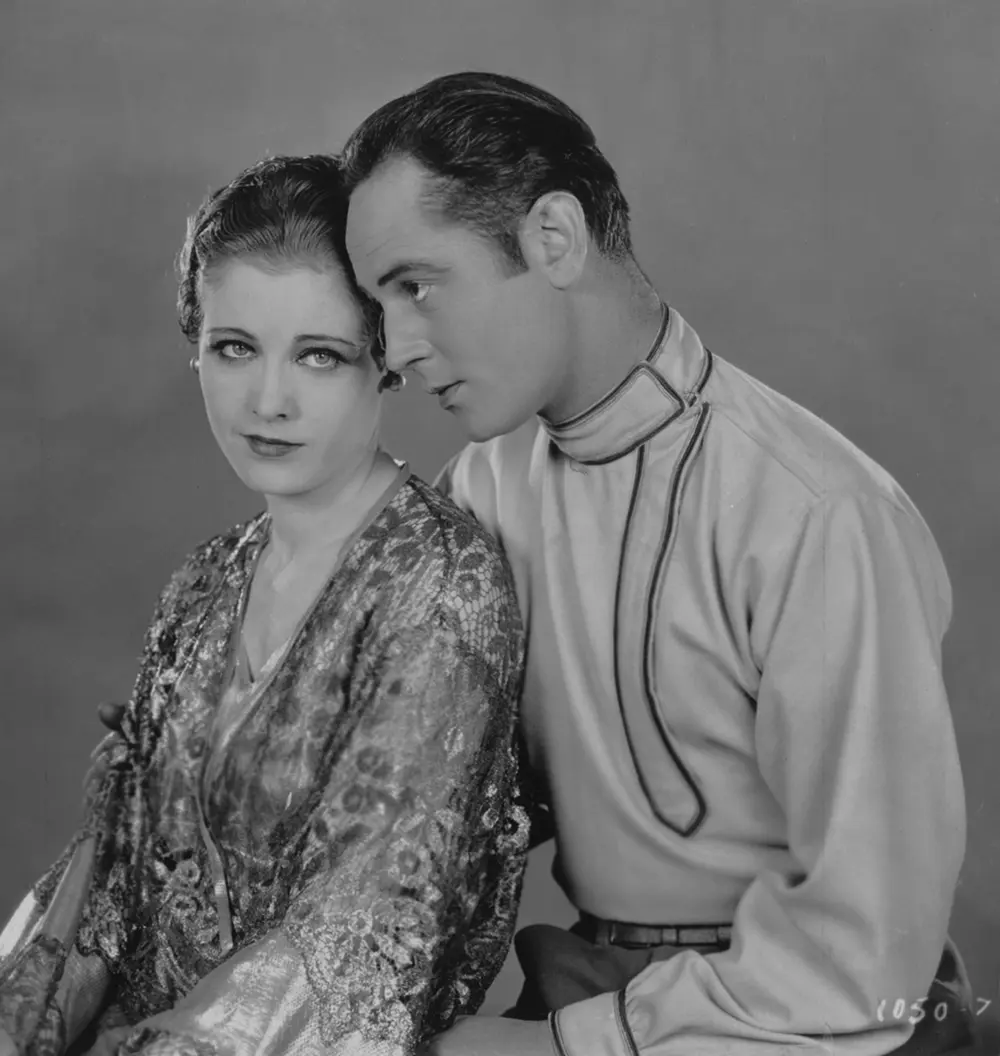
The visual aesthetic of Fashions for Women is undeniably one of its strongest suits. The cinematography, while constrained by the technology of the era, effectively captures the opulence of high society and the stark contrast of Lola's former life. The lighting choices are particularly noteworthy, often employing soft, diffused light to enhance the glamor of Céleste's world, while Lola's early scenes are lit with a more natural, almost gritty realism.
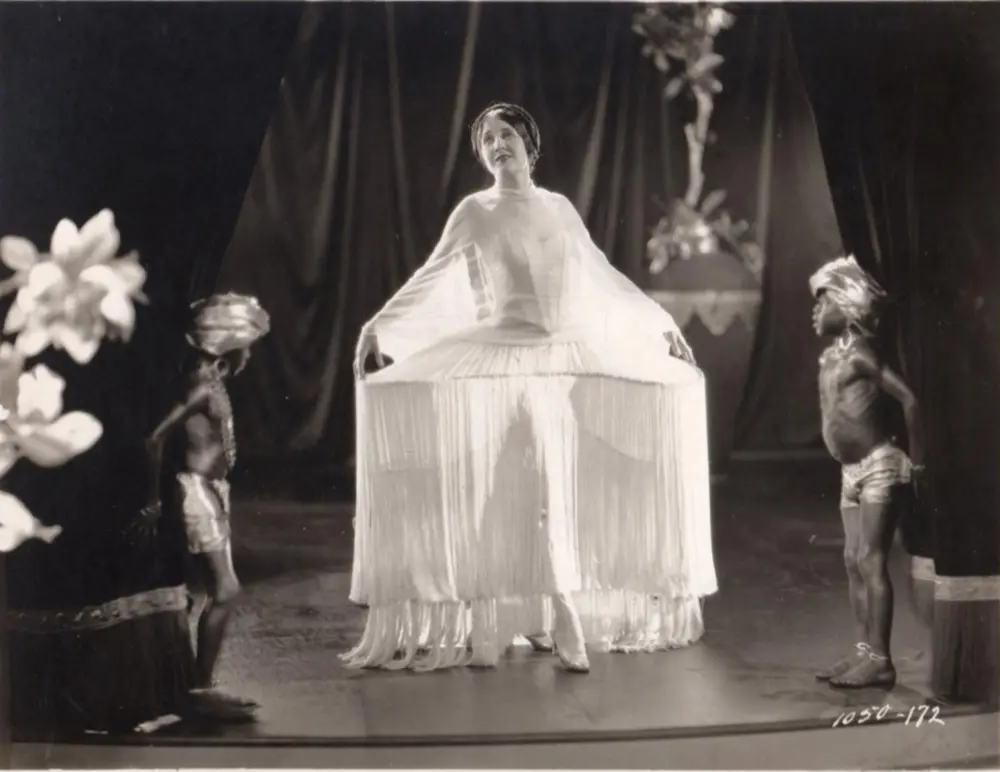
The art direction is meticulous, immersing the viewer in the fashion and décor of the 1920s. Céleste's apartment is a lavish display of period luxury, from intricate furniture to ornate tapestries, all contributing to the sense of an exclusive, untouchable world. The fashion show sequence, naturally, is where the production design truly shines. The gowns, hats, and accessories are not merely costumes; they are characters in themselves, symbolizing the very illusions the film critiques. This attention to detail makes the film a valuable historical document for fashion enthusiasts.
There’s a clear effort to use visual storytelling to convey character and theme. The contrast between Lola's simple attire as a cigarette girl and the extravagant gowns she wears as Céleste is stark, visually reinforcing her journey of transformation and deception. Even the close-ups of specific garments at the fashion show serve to highlight the allure and power associated with outward appearances. It works. But it’s flawed by some slightly static wide shots that sometimes diminish the dynamic potential of certain scenes.
The pacing of Fashions for Women is generally measured, characteristic of many silent films, but it does exhibit moments of unexpected dynamism. The narrative momentum is strongest in the setup and the climax, where the stakes are highest. The initial machinations of Sam Dupont are conveyed with a brisk efficiency, quickly establishing the world of manufactured fame.
However, the middle act, which focuses on Lola’s internal struggles and the slow burn of her masquerade, sometimes sags under its own weight. While crucial for character development, these sequences occasionally feel prolonged, testing the patience of modern viewers accustomed to faster cuts and more rapid narrative progression. This isn’t a fatal flaw, but it is a noticeable one that prevents the film from achieving consistent narrative propulsion.
The tone is a fascinating blend of romantic melodrama and sharp social satire. It manages to be genuinely heartfelt in its portrayal of Lola and Raoul's love story, while simultaneously delivering a cynical critique of society's obsession with superficiality. This dual tone is arguably the film's most unconventional and surprising observation. It's remarkable how a film from nearly a century ago so acutely predicts the curated reality of modern social media influencers and the relentless pursuit of public image. This film doesn't just entertain; it provokes thought.
Yes, Fashions for Women is absolutely worth watching, particularly for those with an appreciation for silent cinema and its unique storytelling capabilities. It offers more than just historical curiosity; it presents a narrative that, despite its age, feels surprisingly contemporary in its themes.
The film’s central conceit – the creation of a celebrity through deception – resonates with modern anxieties about authenticity and public perception. Esther Ralston's performance alone is reason enough to seek it out, as she delivers a compelling, nuanced portrayal that transcends the limitations of silent acting. While it may not possess the epic scope of a The Prisoner of Zenda or the groundbreaking visual artistry of some of its contemporaries, it carves its own niche as a clever and engaging social commentary.
For silent film purists, it's a solid entry that showcases the strengths of the era: expressive acting, detailed art direction, and a reliance on visual storytelling. For newcomers, it serves as an accessible introduction to silent cinema, provided they are willing to adjust to its deliberate pace. It’s a film that asks you to engage with its world, to look beyond the lack of dialogue, and in return, it offers a rewarding experience.
Pros:
- Prescient Social Commentary: Its critique of manufactured fame and superficiality feels remarkably modern.
- Strong Lead Performance: Esther Ralston delivers a nuanced, empathetic portrayal of Lola.
- Compelling Premise: The central deception is engaging and full of dramatic potential.
- Visual Richness: Detailed art direction and period costumes are a feast for the eyes.
- Ironic Climax: The resolution at the fashion show is clever and satisfyingly subversive.
Cons:
- Inconsistent Pacing: The narrative sometimes loses momentum, particularly in the film's mid-section.
- Underdeveloped Supporting Cast: Some characters feel more like plot devices than fully realized individuals.
- Predictable Romantic Arc: While sweet, the love story follows a fairly conventional path.
- Stylistic Limitations: Some aspects, like static camera work, might feel dated to contemporary viewers.
Fashions for Women is a fascinating artifact of the silent era that transcends its historical context. It’s more than just a period piece; it’s a surprisingly astute social commentary wrapped in a compelling melodrama. While its pacing can be uneven and some supporting characters feel thinly sketched, the film’s audacity and its central performances make it a thoroughly engaging watch. Esther Ralston’s portrayal of Lola is particularly memorable, delivering a performance that is both vulnerable and strong, making her journey of deception and self-discovery genuinely captivating.
This film might not be a flawless masterpiece, but it is a valuable one. It speaks to timeless themes of identity, appearance versus reality, and the enduring human desire for acceptance and love. For those willing to immerse themselves in the unique charm of silent cinema, Fashions for Women offers a rich, thought-provoking experience that lingers long after the final frame. It’s a resounding recommendation for cinephiles and anyone curious about the surprisingly modern insights found in films from nearly a century ago. Don't let its age deter you; this film has something important to say, even today.
IMDb 5.4
1934
Community
Log in to comment.