DbcultAccessing Vault...
Cult Review
Senior Film Conservator
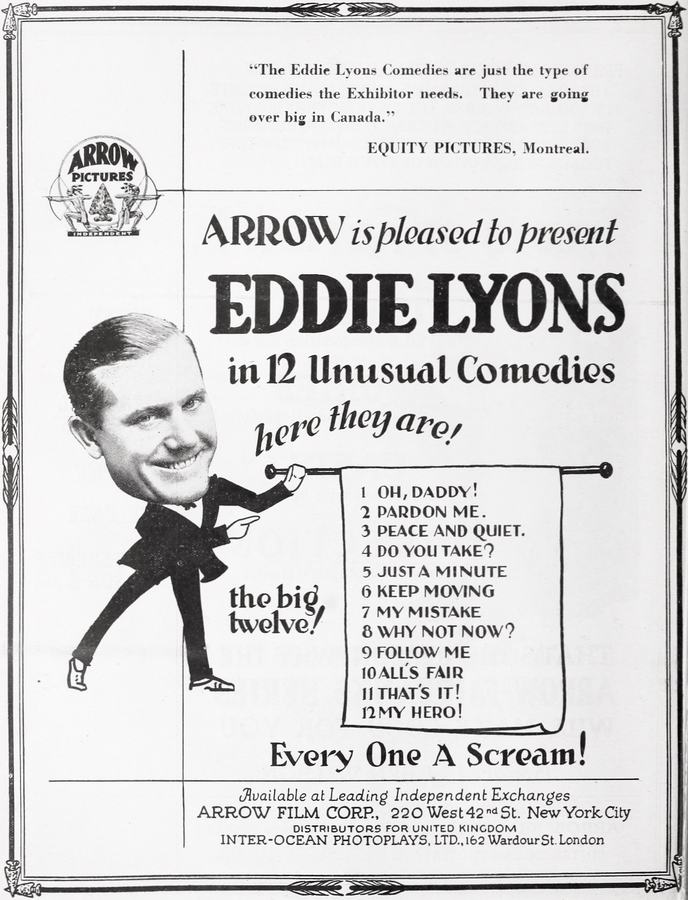
That's It! is a film that embodies the essence of cinematic storytelling, with its richly woven narrative and multifaceted characters. As we delve into the world created by Eddie Lyons and Ralph Ceder, it becomes apparent that this film is not just a product of its time but a timeless exploration of human emotions and connections. The story unfolds with a pace that is both engaging and contemplative, allowing the audience to absorb the depth of the characters' experiences and the societal context in which they live.
One of the standout aspects of That's It! is its ability to balance light-hearted moments with profound insights into the human condition. This balance is reminiscent of films like Drei Nächte and The Hater of Men, which also navigate complex emotional landscapes with grace and nuance. The character development in That's It! is particularly noteworthy, as each character brings their own unique perspective to the narrative, enriching the story with their experiences and interactions.
The themes of community and social hierarchy are explored with sensitivity and depth, drawing comparisons to the poignant storytelling found in Kameraden and Den hvide rytterske. These themes are woven throughout the narrative, often surfacing in unexpected ways that add to the film's emotional resonance. The setting of the film, while specific to its time and place, serves as a universal backdrop for exploring the complexities of human relationships and the search for one's place within society.
The influence of Ralph Ceder's writing is evident in the film's thoughtful pacing and the meticulous attention to character development. This approach to storytelling is not dissimilar from the character-driven narratives found in A Fitting Gift and the whimsical charm of Felix at the Fair, highlighting the versatility and range of cinematic expression. The way That's It! engages with its audience, inviting them to reflect on their own experiences and connections, is a testament to the enduring power of cinema to capture the essence of our shared human experiences.
In considering the broader cinematic landscape, That's It! stands alongside films like The Passing of the Third Floor Back, Desert Gold, and The Pride of Jennico, each of which offers unique insights into the human condition. The film's exploration of personal identity, community, and the intricacies of human relationships places it within a tradition of storytelling that values depth and nuance. Whether through the lens of comedy, drama, or a blend of both, That's It! contributes to a rich tapestry of cinematic expression that continues to resonate with audiences today.
The comparisons to other films, such as After the Ball, Queens Up!, Yajîkita: zenpen, and Children of the Stage; or, When Love Speaks, serve to underscore the film's place within a diverse and vibrant cinematic heritage. Each of these films, in its own way, explores aspects of human connection, community, and personal growth, themes that are at the heart of That's It!. The film's ability to engage with these universal themes, while maintaining its unique voice and perspective, is a hallmark of exceptional storytelling.
Ultimately, That's It! is a film that will resonate with anyone who has ever found themselves at the crossroads of life, questioning their place in the world and the connections that give their life meaning. It is a testament to the power of cinema to reflect our experiences, to challenge our assumptions, and to inspire us to see the world and ourselves in new and profound ways. As we reflect on the film's themes and characters, we are reminded of the importance of empathy, understanding, and the bonds that tie us together as human beings. In That's It!, we find a reflection of our own stories, a reminder of the beauty and complexity of human connection, and the enduring legacy of cinematic storytelling.

IMDb 5.6
1935
Community
Log in to comment.