DbcultAccessing Vault...
6.6/10
Senior Film Conservator
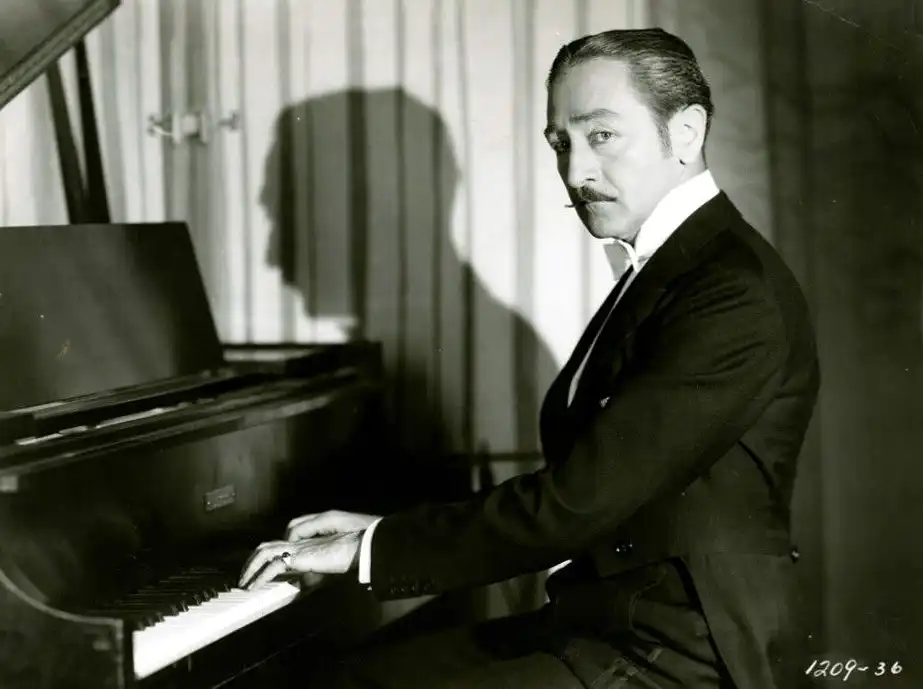
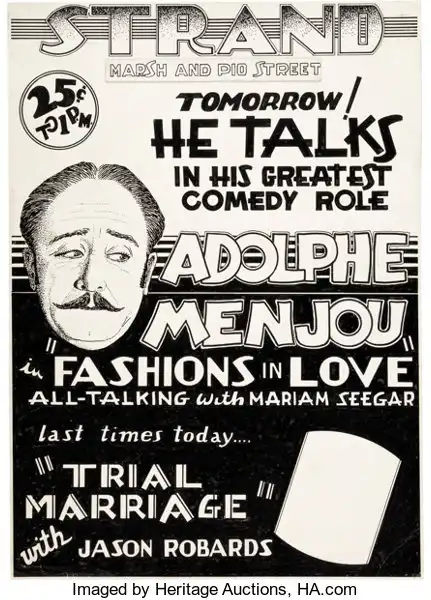
A definitive 6.6/10 rating for a film that redefined the boundaries of cult cinema. Fashions in Love remains a cornerstone of transgressive art.
Alright, so if you're into early talkies, the kind where the sound sometimes cuts out or everyone speaks a bit too formally, then Fashions in Love might be a quirky watch for you. It’s definitely not for folks seeking fast-paced action or modern romantic comedy vibes. If you enjoy seeing how filmmakers handled complex relationships almost a century ago, and don't mind a certain theatricality, then pull up a chair. Anyone expecting a sleek, emotionally nuanced drama might find it a bit of a slog, honestly. 🕰️
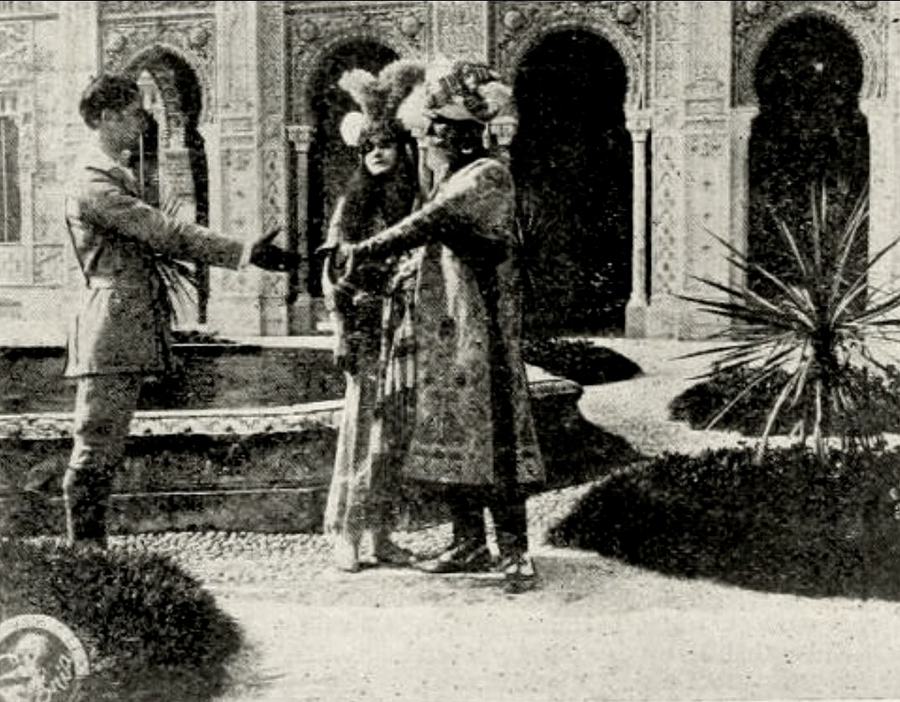
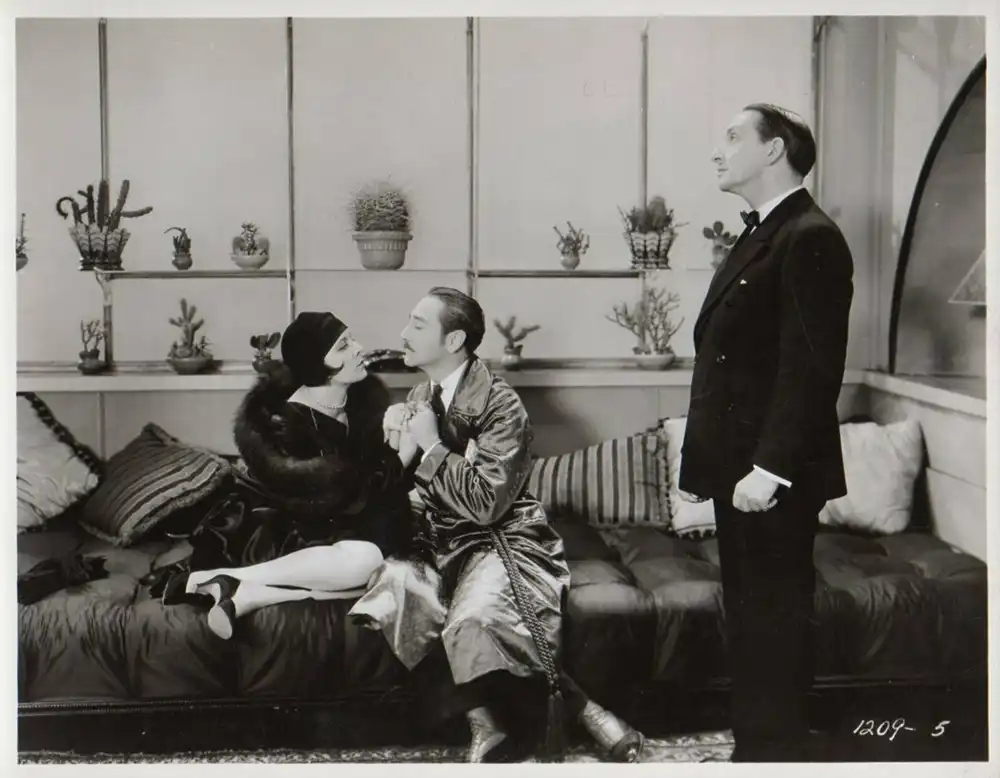
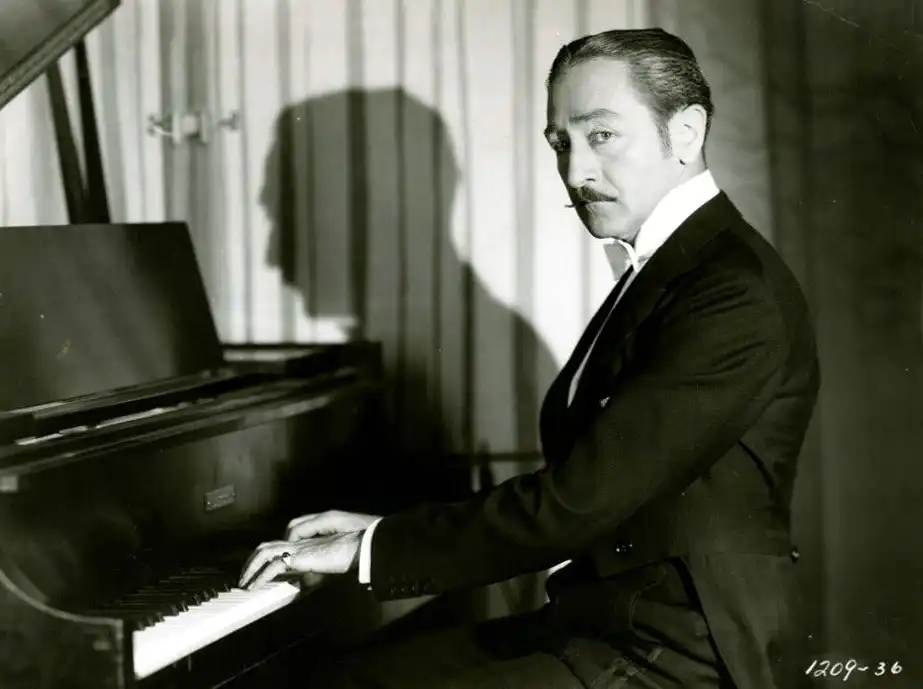
The core idea here is wild, even today. Adolphe Menjou plays Paul de Rémy, a famous pianist who's apparently quite the ladies' man. He's got a wife, Mary (Miriam Seegar), but then he falls for Yvonne (Fay Compton), a married woman.
The bizarre part? Yvonne’s husband, Jean (John Miljan), takes in Paul’s cast-off wife. So now you've got this quartet, all pretending to be perfectly fine with the new arrangement. It’s a very polite form of emotional torture, you know?
Menjou is, well, Menjou. He brings a certain suave, if a bit stiff, presence. You can see why his character would be a 'romantic idol' of the time. But sometimes his charm feels more like a stage performance than a real person grappling with feelings. The way he just *assumes* everyone will bend to his whims is something.
Miriam Seegar as Mary, the abandoned wife, is the one you feel for. Her quiet expressions of hurt, especially in the early scenes, speak volumes even when the dialogue is a bit stilted. There’s a particular moment where she just watches him leave, and her face… it’s a tiny thing, but it really stuck with me. You can feel the movie trying to convince you this moment matters, and it does, thanks to her.
Fay Compton's Yvonne is intriguing, a bit of a schemer but also caught in her own web. Her husband, played by John Miljan, is the unexpected hero of sorts, offering Mary a home. His calm, almost detached way of handling the whole mess is a peculiar sort of strength. Or maybe it's just resignation.
The film's title, Fashions in Love, makes you wonder if it's hinting at the changing social norms, or perhaps the 'fashionable' way people conducted their messy affairs back then. The actual clothing itself isn't particularly emphasized, not like you'd expect from the title. It's more about the social fashions of *behavior*.
There are these dinner scenes, where all four are together, trying to maintain this facade of cordiality. The silence in those moments is often more powerful than any line of dialogue. You almost want someone to just scream, to break the tension. But they never do. They just keep smiling, keep sipping their drinks. 🎭
The pacing can feel a little slow for modern viewers, but it allows for these uncomfortable silences to really sink in. It's not a fast-moving plot, more of a slow burn exploring the consequences of these decisions. The early sound technology definitely adds to the deliberate rhythm; every word seems carefully placed.
One scene, where Paul tries to justify his actions, lingers for what feels like ages. He’s trying to be charming, but it just comes off as incredibly self-absorbed. The movie isn't subtle about his character flaws, which is kind of refreshing.
The whole 'pretend to be happy' thing is the film’s central conceit, and it plays it out with a surprising amount of commitment. It doesn't really offer easy answers or a neat moral. It just shows you the uncomfortable reality of these choices. It ends, not with a bang, but with a lingering sense of unease, which is probably the point. Is anyone *truly* happy? Debatable. 🤔
It’s a peculiar artifact from its era, a snapshot of societal expectations and forbidden desires. Don't go in expecting a grand romance or a shocking drama. Expect a peculiar look at human relationships, awkwardly navigating an emotional minefield with polite smiles. It's one of those films that makes you think, 'Wow, people really did that?'
IMDb —
1934
Community
Log in to comment.