DbcultAccessing Vault...
Cult Review
Senior Film Conservator
In the annals of early cinema, where flickering images and expressive gestures narrated tales without the aid of spoken dialogue, certain titles resonate with an inherent promise of excitement and kinetic energy. 'Faster Foster' is precisely one such film, a work that, even without a readily available detailed synopsis, projects an aura of relentless motion and spirited contention. It stands as a testament to the silent era's mastery of visual storytelling, where narrative propulsion often relied on physical comedy, daring stunts, and the sheer charisma of its performers. This isn't merely a film; it's a time capsule, offering glimpses into an artistic period defined by innovation and a profound understanding of universal human experiences, often distilled into thrilling, digestible segments.
The very title 'Faster Foster' conjures images of urgency, a race against time, or perhaps a spirited competition. One can almost picture a protagonist, possibly named Foster, caught in a whirlwind of events demanding swift action and quicker wits. This thematic emphasis on speed and alacrity was a common trope in silent shorts, designed to captivate audiences with immediate thrills and a rapid narrative pace. Unlike the more sprawling epics of the time, such as The Queen of Sheba, which immersed viewers in grand historical narratives, 'Faster Foster' likely aimed for a more visceral, immediate impact. It speaks to a different kind of ambition, one focused on the efficiency of storytelling, the punchiness of its gags, and the sheer exhilaration of movement. The silent era, in its nascent stages, was a laboratory for cinematic language, and films like 'Faster Foster' were crucial experiments in understanding how to convey complex ideas and emotions through purely visual means.
The absence of synchronous sound forced filmmakers and performers to hone a unique craft, relying on exaggerated expressions, precise physical comedy, and dynamic camera work. For a film centered around 'faster' action, this meant a heightened reliance on editing rhythms, chase sequences, and perhaps even early forms of special effects to convey velocity and danger. Imagine the frantic cuts, the quick pans, the ingenious use of perspective to amplify the sense of speed as Foster navigates their predicament. This isn't merely a plot device; it's a stylistic choice, a deliberate embrace of cinema's nascent ability to manipulate time and space, to create a world where the impossible becomes momentarily tangible. The narrative, whatever its specific twists, would have been subservient to this overarching theme of kineticism, ensuring that every frame contributed to the film’s relentless forward momentum.
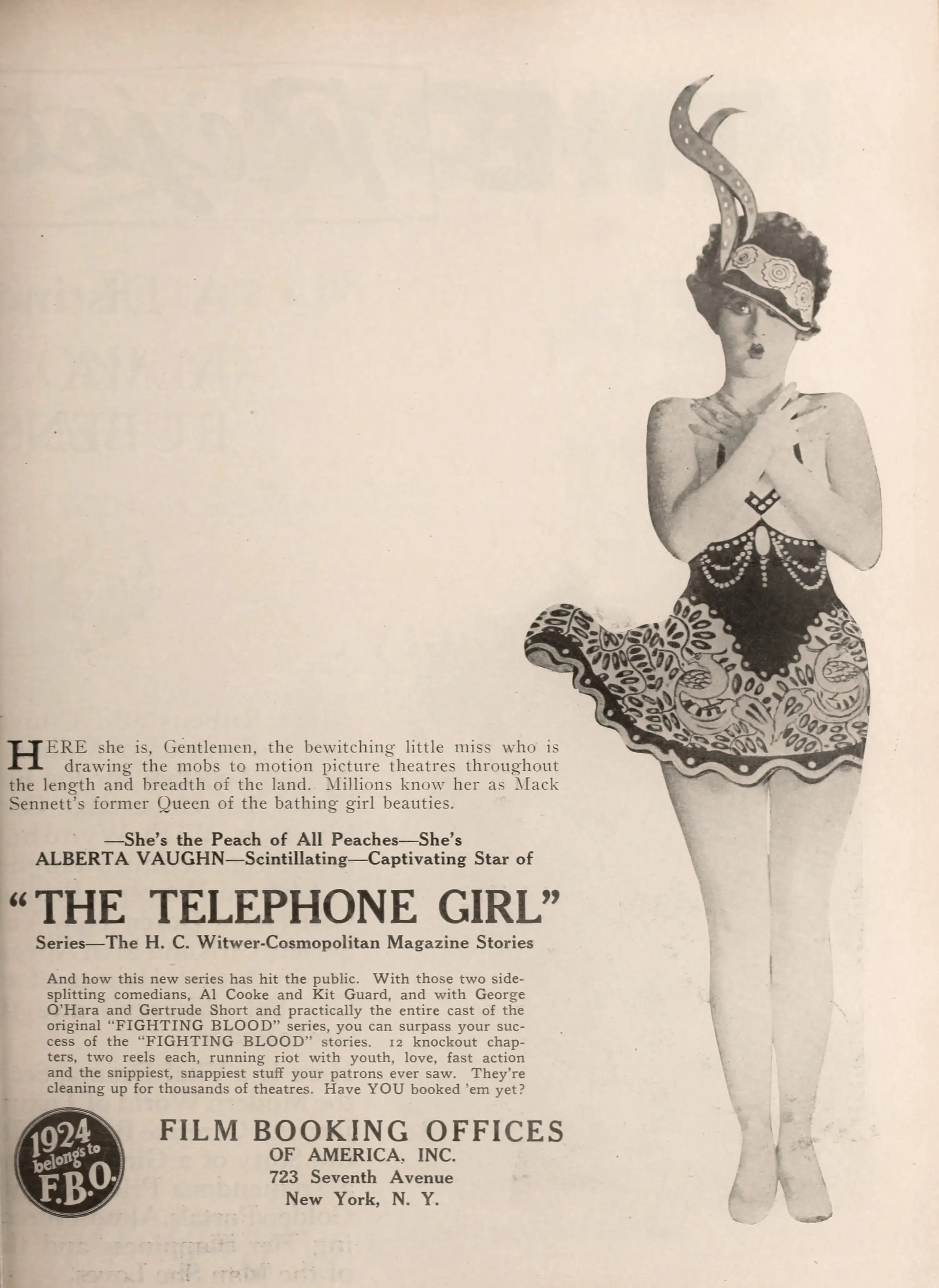
The ensemble cast of 'Faster Foster' brings together a fascinating cross-section of silent film talent, each contributing their unique flair to the probable comedic or action-oriented narrative. Alberta Vaughn, a vivacious screen presence, was known for her expressive eyes and ability to convey a wide range of emotions without uttering a single word. Her filmography often included roles that required both dramatic depth and a touch of comedic timing, making her an ideal choice for a film that likely blended urgent action with moments of lightheartedness. Vaughn's ability to imbue her characters with a spirited independence would have been invaluable in a story where a character, perhaps even the lead, needed to demonstrate resilience and quick thinking. Her presence alone suggests a certain caliber of performance, elevating the material beyond mere slapstick into something more nuanced, even within the confines of a short film.
Al Cooke, often associated with comedic roles and physical humor, would have been instrumental in injecting the 'faster' aspect with genuine, often breathless, energy. Cooke's performances were characterized by a natural athleticism and an ability to convey exasperation or determination through his entire physical being. In a film like 'Faster Foster', his skills would undoubtedly be put to the test, whether he was performing mild stunts, engaging in a frantic chase, or simply reacting with exaggerated panic to rapidly unfolding events. His comedic prowess, often subtle yet effective, would have provided a crucial counterpoint to any underlying tension, ensuring the film remained engaging and entertaining. One could easily envision him as the titular Foster, or a key antagonist, providing the impetus for much of the film’s frantic action, much like the dynamic, often hapless, protagonists found in films such as Dodging a Million, which similarly thrived on the energy of evasion and pursuit.
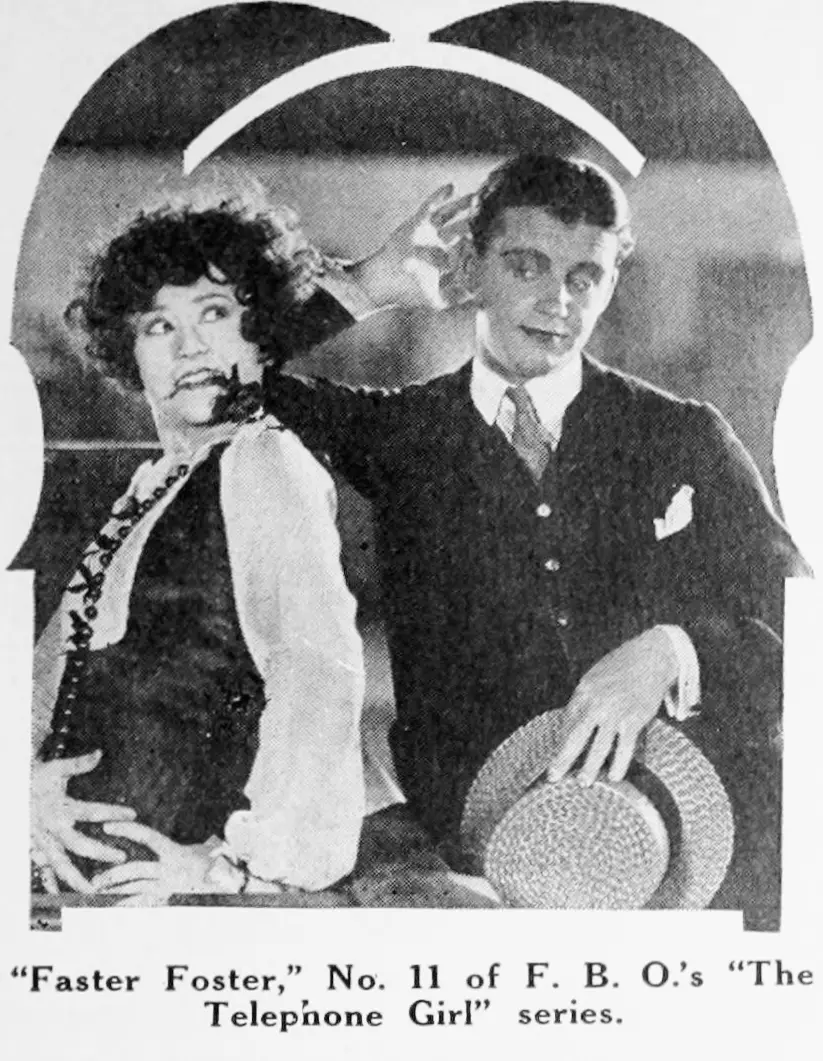
The involvement of Kit Guard, a prolific character actor often cast in supporting roles that demanded physical presence or a knack for villainy, further hints at the film's probable genre. Guard’s robust build and often gruff demeanor made him perfect for playing heavies, policemen, or bumbling sidekicks. His contributions would have added layers of tension or comedic foil, depending on his specific role. In a narrative focused on speed and competition, Guard might have been the relentless pursuer, the immovable obstacle, or the bumbling rival, providing the necessary friction for the protagonist's urgent journey. His ability to convey menace or bluster with just a look was a hallmark of silent film acting, where every gesture carried significant weight.
Finally, Gertrude Short, another versatile actress of the silent screen, often brought a compelling blend of innocence and resilience to her characters. Her presence suggests that 'Faster Foster' was not solely focused on male-centric action but likely included a strong female perspective or a romantic subplot. Short's capacity for both dramatic intensity and comedic lightness would have allowed her to navigate the film's potential shifts in tone with grace. Her characters frequently found themselves in challenging situations, requiring wit and fortitude, a perfect fit for a narrative demanding quick reactions and spirited engagement. Together, this quartet of actors forms a formidable ensemble, each capable of delivering the nuanced, yet broad, performances required to make a silent film of this nature truly sing.
The narrative blueprint for 'Faster Foster' was penned by H.C. Witwer, a writer celebrated for his vibrant, often humorous, short stories and serials. Witwer's prose was characterized by its snappy dialogue (even if silent films translated it to intertitles) and a keen understanding of character-driven conflict. His background in popular fiction, particularly stories involving sports, adventure, and the everyday struggles of working-class heroes, makes him an ideal candidate to craft a story centered on speed and competition. Witwer had a knack for creating relatable protagonists embroiled in extraordinary circumstances, a formula perfectly suited for the silent film short, which often needed to establish character and conflict with remarkable efficiency.
His writing style, even when adapted for the screen, would have emphasized clear motivations and escalating stakes, ensuring that the audience was always invested in Foster's urgent quest. This is a crucial aspect, especially for a film that relies heavily on visual cues; the underlying narrative structure must be robust. Witwer's influence would have been in guiding the pace of the story, ensuring that the 'faster' elements felt earned and impactful, rather than merely chaotic. One can draw parallels to the crisp, engaging storytelling required for suspenseful narratives like Under Suspicion, where every plot beat is carefully constructed to maintain audience interest. Witwer's contributions would have laid the groundwork for the physical comedy and dramatic urgency that the cast so expertly brought to life.
The very concept of 'Faster Foster' demands a dynamic visual language. Silent cinema, in its pursuit of engaging audiences without dialogue, often pushed the boundaries of visual storytelling. Directors and cinematographers of the era employed innovative techniques to convey speed, excitement, and emotion. For a film titled 'Faster Foster', this would likely involve rapid cutting, especially during chase sequences or moments of intense action. The use of close-ups would emphasize the frantic expressions of the characters, while wide shots would establish the scope of their predicament or the grandeur of a competitive arena. Tracking shots, though rudimentary by today's standards, would have been used to create a sense of forward motion, pulling the audience into the protagonist's journey.
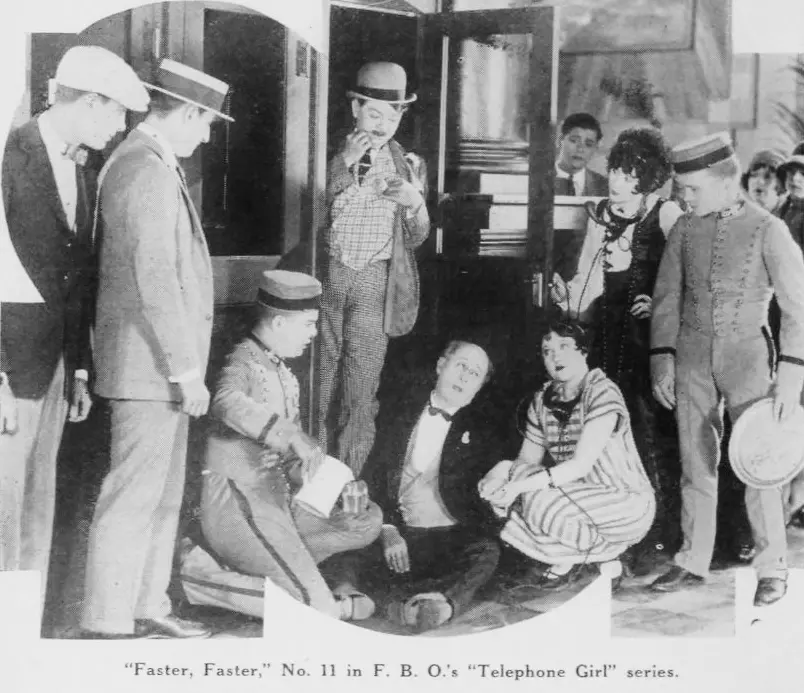
Consider the ingenuity required to stage a convincing race or a high-stakes pursuit in the early 20th century. This wasn't merely about filming actors running; it was about creating an illusion of breathless speed, often through clever editing and camera angles. Lighting, too, would have played a crucial role, perhaps using stark contrasts to heighten drama or bright, naturalistic light to convey the energy of an outdoor setting. The emphasis would have been on visual clarity and immediate impact, ensuring that the audience, regardless of their background, could follow the narrative thread. This approach to visual narrative is a hallmark of the era, seen in everything from the grand theatricality of The Dawn of Freedom to the more intimate character studies. 'Faster Foster' would have contributed to this rich tapestry, showcasing how effectively silent film could communicate raw energy and excitement.
Beyond the immediate thrills, 'Faster Foster' likely delves into deeper thematic currents common to human experience: the drive to succeed, the fear of failure, and the thrill of competition. The very act of being 'faster' implies a challenge, a goal, and perhaps an adversary. This could manifest as a literal race, a metaphorical sprint against personal demons, or a battle of wits against formidable opponents. The film, in its concise format, would have explored these themes through the lens of its central character's trials and tribulations. It speaks to a universal human impulse—to outpace, outsmart, and overcome. This resonates with the spirit of adventure found in stories like The Sea Wolf, albeit on a much different scale and setting.
The era in which 'Faster Foster' was created was one of rapid societal change and technological advancement. Speed was becoming a defining characteristic of modern life, from automobiles to assembly lines. Films like this tapped into that zeitgeist, reflecting a cultural fascination with efficiency, progress, and the acceleration of daily existence. The protagonist's struggle to be 'faster' can be seen as a microcosm of this broader societal shift, a quest for mastery in a world increasingly defined by pace. This makes the film not just an entertaining diversion, but a cultural artifact, offering insight into the aspirations and anxieties of its time. The underlying message, perhaps, is that determination and quick thinking are invaluable assets in navigating the unpredictable currents of life, a sentiment that remains timeless.
While a detailed plot might elude contemporary audiences, the essence of 'Faster Foster'—its commitment to kinetic storytelling, its reliance on expressive performances, and its clever narrative construction—ensures its place within the rich tapestry of silent cinema. Films of this ilk, often dismissed as mere ephemera, were in fact crucial in establishing the grammar of the moving image. They taught audiences how to 'read' film, how to interpret visual cues, and how to engage emotionally with characters who communicated without words. They refined techniques that would become foundational to cinematic art, influencing generations of filmmakers.
'Faster Foster', like many of its contemporaries such as The Skipper's Narrow Escape or This Way Out, demonstrates the ingenuity and creativity that flourished during the silent era. These were films made by artists who were inventing a new medium as they went along, constantly experimenting with what was possible. Their legacy lies not just in their individual merits, but in their collective contribution to the evolution of cinema as a powerful and enduring art form. To revisit 'Faster Foster', even in a critical, speculative capacity, is to connect with the very origins of cinematic thrill and a testament to the timeless appeal of a good, fast-paced story. It’s a reminder that compelling narratives don't always need grand budgets or elaborate dialogue; sometimes, all it takes is a clever premise, charismatic actors, and a relentless sense of momentum to leave an indelible mark on the cinematic landscape.
The specific circumstances that propel Foster to be 'faster' might remain a delightful mystery, but the universal themes of aspiration, challenge, and the sheer human will to overcome are unmistakably present. This film, like a well-preserved artifact, invites us to imagine the bustling theaters, the live music, and the captivated faces of audiences experiencing the magic of the movies for the first time. It is a piece of history that, despite its brevity, speaks volumes about the enduring power of visual storytelling and the timeless quest for speed, victory, and perhaps, a moment of triumph against all odds. Its simple title belies a potential richness of narrative, a compact yet potent exploration of human endeavor in the face of urgency. The collective talent of Vaughn, Cooke, Guard, and Short, guided by Witwer's storytelling, would have ensured that 'Faster Foster' was not just a fleeting diversion, but a memorable sprint across the silver screen, leaving audiences exhilarated and perhaps, a little breathless.
IMDb —
1921
Community
Log in to comment.