DbcultAccessing Vault...
Cult Review
Senior Film Conservator
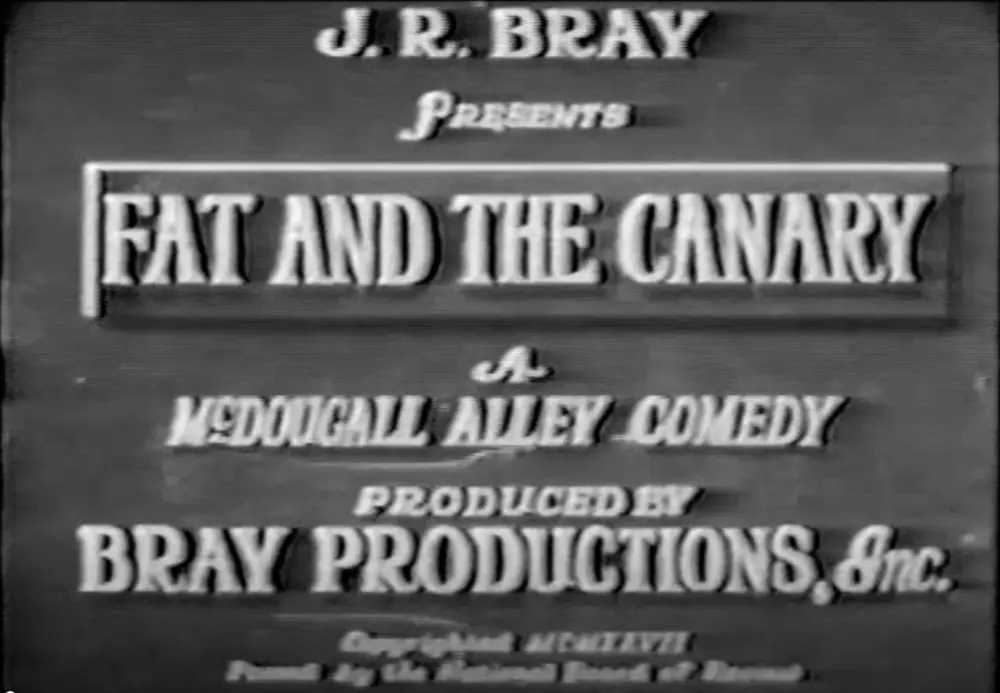
Is Fat and the Canary worth watching today? Short answer: yes, but with significant caveats. This is a film that demands patience and a particular appreciation for character-driven drama steeped in melancholic introspection, making it an excellent choice for cinephiles who value nuanced performances and atmospheric storytelling, yet it will undoubtedly alienate those seeking brisk pacing or clear-cut resolutions.
It works. But it’s flawed. This film works because of its audacious commitment to a singular, suffocating atmosphere and the magnetic, deeply felt performances at its core. It fails because its deliberate pacing occasionally veers into stagnation, and certain narrative threads feel underdeveloped, leaving tantalizing questions unanswered. You should watch it if you appreciate psychological depth, theatricality in performance, and films that reward careful attention to subtext; avoid it if you prefer plot-heavy thrillers or lighthearted entertainment.
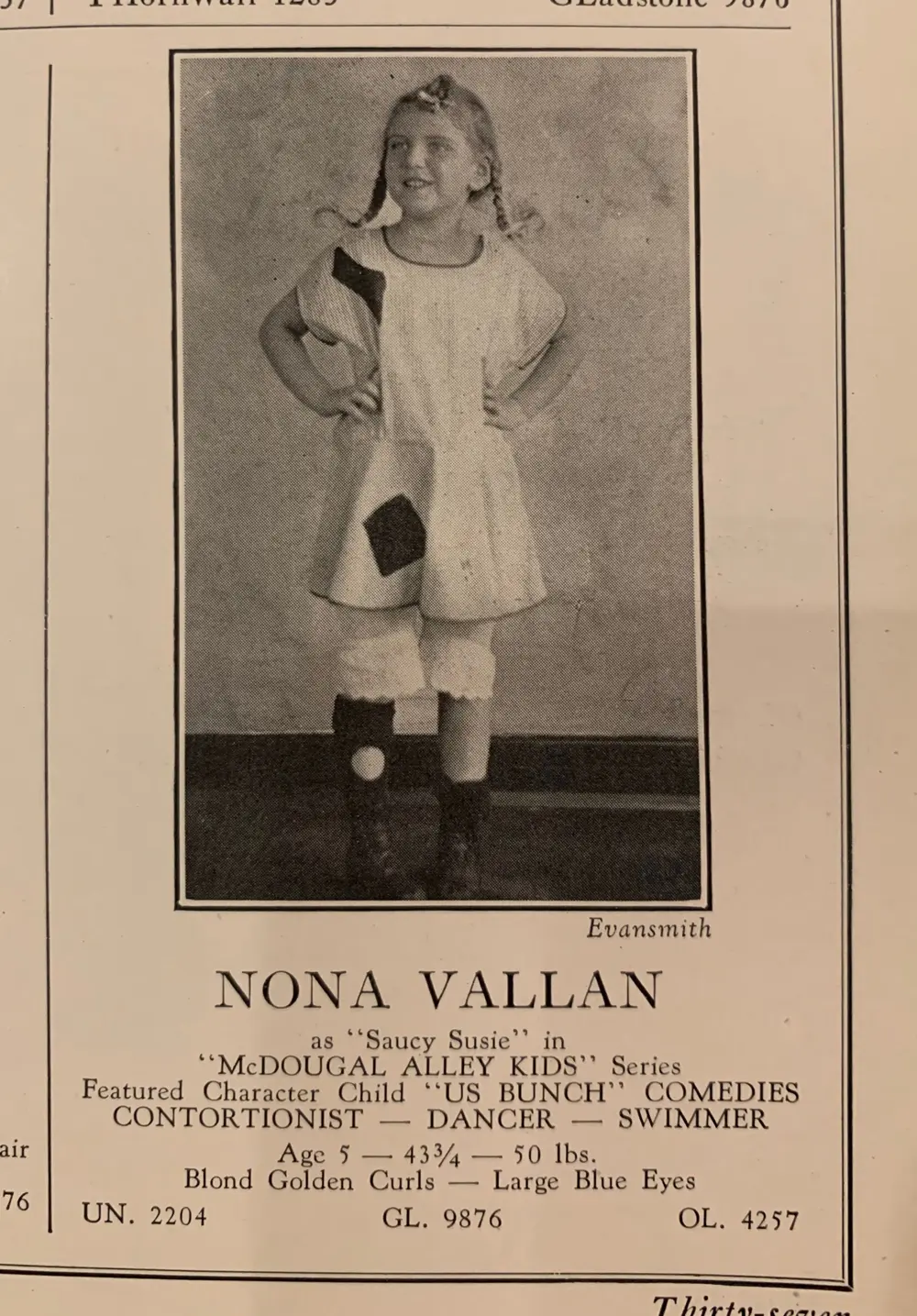
Fat and the Canary isn't merely a film; it's an excavation. Director Arthur Aoyama, with a delicate yet firm hand, guides us through the psychological ruins of Madame Evangeline Dubois, a character who embodies the very title of the film. Nona Vallan, in a career-defining turn, plays Evangeline not as a caricature of a fallen star, but as a woman burdened by the ghost of her own former glory and a secret that has calcified around her heart.
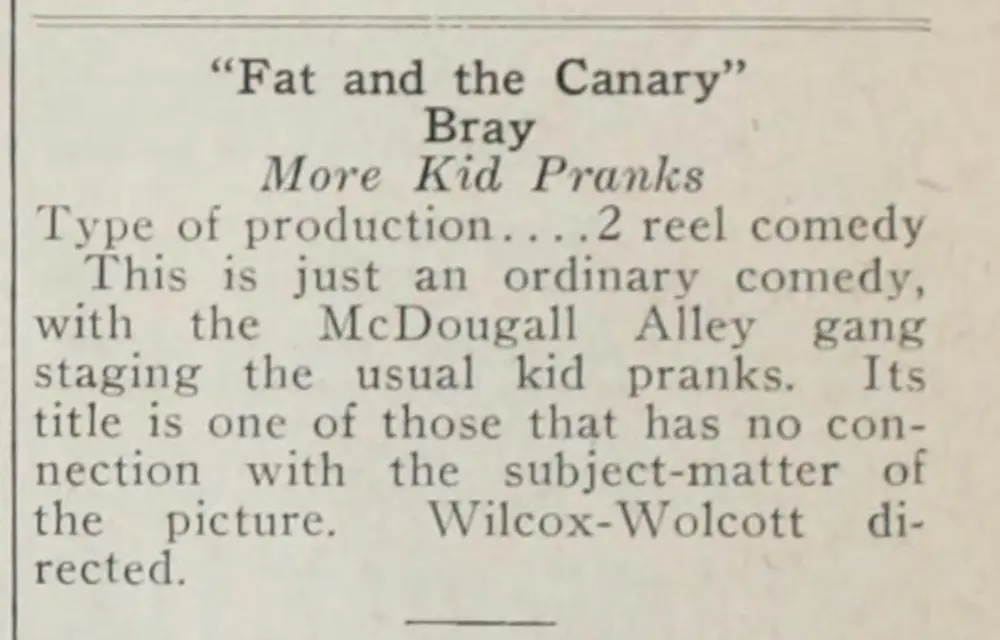
The plot, initially a slow burn, gradually reveals itself as a meticulously crafted tapestry of memory and regret. The arrival of Hannah Washington's Elara Vance, ostensibly a journalist, acts as a catalyst, her youthful ambition clashing with Evangeline's entrenched reclusiveness. This dynamic is the engine of the film, providing the necessary friction to propel the narrative forward, albeit at a measured pace. Vance isn't just seeking a story; she's seeking an answer, a truth that echoes in the silent, dusty halls of Evangeline's mansion.
Aoyama's decision to keep the central 'canary'—the delicate secret—ambiguous for so long is both the film's greatest strength and its most frustrating aspect. It forces the audience to lean in, to interpret every lingering glance and every whispered word. Yet, by the climax, when the truth is finally unveiled, one might argue it doesn't quite carry the seismic emotional weight the film has so painstakingly built towards. It’s a powerful moment, undoubtedly, but perhaps not the gut punch some might anticipate after such an intricate build-up.
The ensemble cast of Fat and the Canary delivers performances that are nothing short of mesmerising, particularly Nona Vallan as Madame Evangeline Dubois. Vallan doesn't just play a character; she inhabits a crumbling monument of regret. Her physicality, the way she carries herself with a defeated regalness, speaks volumes before she utters a single word. Consider the scene where she first confronts Elara Vance (Hannah Washington) in the grand, dilapidated drawing-room; Vallan’s eyes, heavy with a lifetime of unspoken sorrow, convey more than pages of dialogue ever could. It’s a masterclass in silent suffering.
Hannah Washington, as the persistent Elara, provides a crucial counterpoint. Her youthful energy and unwavering resolve inject a much-needed dynamism into the film's otherwise somber tone. Her performance is not just about investigative drive; it's about a yearning for connection, a desire to understand the past that mirrors the audience's own curiosity. The subtle shifts in her expression, from professional detachment to genuine empathy, are particularly compelling, as seen when she discovers a hidden locket, a moment of quiet revelation for her character.
Edward Snyder, in a supporting role as the loyal but weary caretaker, brings a grounding presence to the film. His quiet devotion to Evangeline, despite her eccentricities, adds a layer of humanity and tragic loyalty. The unspoken history between his character and Evangeline is palpable, a testament to Snyder's understated yet potent acting. His brief but impactful scenes, especially one where he gently cleans a dusty portrait, hint at a deeper, more painful truth that he has long protected.
The younger cast members, including The McDougall Kids and Bobby Newman, contribute fleeting but memorable moments that often serve as poignant flashbacks or symbolic representations of lost innocence. Their brief appearances are like flashes of light in the pervasive gloom, highlighting the tragedy that befell Evangeline. The film's strength lies in these layered performances, each actor contributing to the rich, suffocating atmosphere of the narrative.

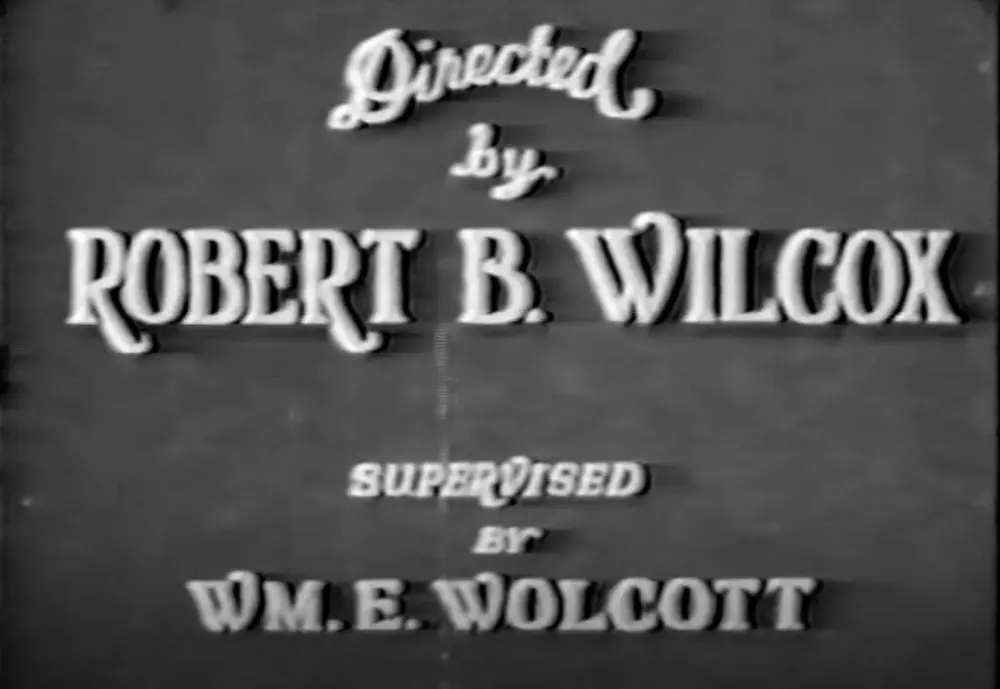
Arthur Aoyama's direction in Fat and the Canary is a bold artistic statement. He embraces the slow cinema aesthetic, allowing scenes to unfold with an almost theatrical deliberation. This approach, while potentially testing the patience of some viewers, creates an immersive experience, drawing you into Evangeline's isolated world. Aoyama’s choice to linger on mundane details—the dust motes dancing in sunlight, the creak of old floorboards—elevates these elements to narrative importance, making the house itself a character.
The cinematography is arguably the film's most striking technical achievement. The visual language is rich with symbolism, employing deep shadows and muted colors to reflect the characters' internal states. The mansion, with its decaying grandeur, is not just a setting but a visual metaphor for Evangeline’s shattered psyche. Cinematographer Jean La Foe uses natural light masterfully, often bathing scenes in a soft, ethereal glow that hints at past beauty while underscoring present decay. The shot of Evangeline silhouetted against a tall, arched window, dust shimmering around her, is particularly memorable, evoking a sense of timeless sorrow.
Pacing is a contentious point. Aoyama’s deliberate tempo is a double-edged sword. While it builds an incredible sense of foreboding and allows the emotional weight to sink in, there are moments where the film skirts the edge of feeling indulgent. A tighter edit in the second act could have maintained the artistic integrity while providing a slightly more engaging rhythm. However, one could also argue that this very slowness is essential to the film's melancholic tone, forcing the audience to sit with the discomfort and contemplation.
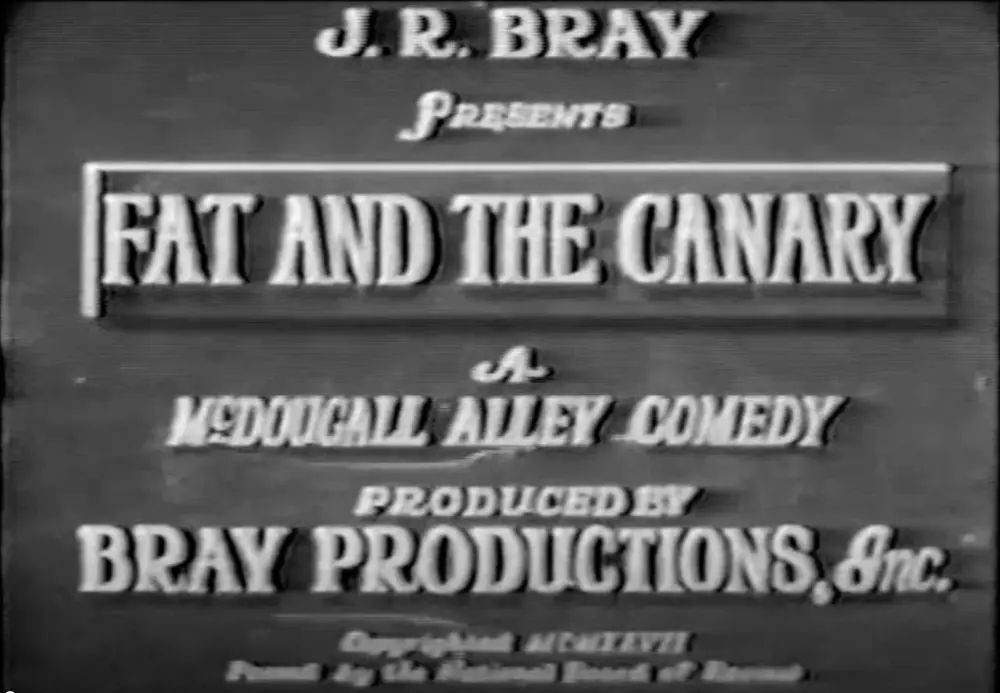
The sound design, too, deserves commendation. The absence of a traditional score for much of the film is a deliberate choice, amplifying ambient sounds—the rustle of old fabric, the distant chirping of birds, the heavy silence—which contribute significantly to the film’s haunting atmosphere. It’s a brave decision that pays off, making the rare moments of musical intervention, such as a faint operatic aria, all the more impactful.
Yes, Fat and the Canary is absolutely worth watching for a specific audience. If you are a fan of psychological dramas that prioritize character study and atmosphere over plot mechanics, you will find much to admire here. It’s a challenging film, but one that rewards patience with profound emotional depth.
However, if you typically gravitate towards mainstream blockbusters or films with high-octane action and clear narrative arcs, this might not be the experience for you. Its slow pace and ambiguous elements can be off-putting for those accustomed to more conventional storytelling. It demands engagement, not passive consumption.
I believe it stands as a unique entry in its genre, a film that dares to be understated in an era of cinematic excess. Its influence might not be immediately obvious, but its subtle power resonates long after the credits roll. I'd even argue it's more impactful than some of its more celebrated contemporaries like Remember, which, while intriguing, lacks the raw, emotional core of Aoyama's work.
Beyond the immediate story, Fat and the Canary delves into profound thematic territory. It’s a powerful exploration of memory, guilt, and the performative nature of identity. Evangeline’s 'fat' isn't just physical; it's the metaphorical weight of her past, the layers of secrets and self-deception that have consumed her. The 'canary' represents not just a specific secret, but perhaps also the fragile, beautiful truth that struggles to survive amidst the crushing weight of lies.
The film also subtly critiques the fickle nature of fame and the destructive pressure it places on artists. Evangeline’s fall from grace isn't just a personal tragedy; it's a commentary on a society that builds up its idols only to abandon them. This theme is deftly handled, avoiding heavy-handed sermonizing in favor of showing the quiet devastation it leaves behind. It reminds me of the melancholic introspection seen in The Tired Business Man, though Aoyama's approach is far more operatic in its emotional scope.
The dynamic between Evangeline and Elara also touches upon intergenerational trauma and the search for historical truth. Elara represents the modern generation’s desire to unearth and understand the past, even when that past is painful and inconvenient. Her relentless pursuit of the truth forces Evangeline to confront what she has long suppressed, illustrating the unavoidable reckoning that comes with buried secrets.
Cons:
Fat and the Canary is not a film for everyone, nor does it try to be. It’s a singular vision, a melancholic opera captured on screen, daring to plumb the depths of human regret and the weight of unconfessed sin. Arthur Aoyama has crafted a film that feels both timeless and deeply personal, elevated by Nona Vallan’s unforgettable performance and Jean La Foe’s exquisite cinematography.
While its deliberate pace and occasional narrative ambiguities might deter some, those willing to surrender to its unique rhythm will find a profoundly moving and intellectually stimulating experience. It’s a film that lingers, prompting reflection on our own hidden 'canaries' and the facades we build. It’s a challenging watch, certainly, but an undeniably rewarding one for the discerning viewer. Aoyama's film may not achieve widespread acclaim, but its quiet power is undeniable. It's a flawed triumph, and one that absolutely deserves your attention if you crave cinema that makes you think and feel deeply.

IMDb 5.6
1936
Community
Log in to comment.