DbcultAccessing Vault...
Cult Review
Senior Film Conservator
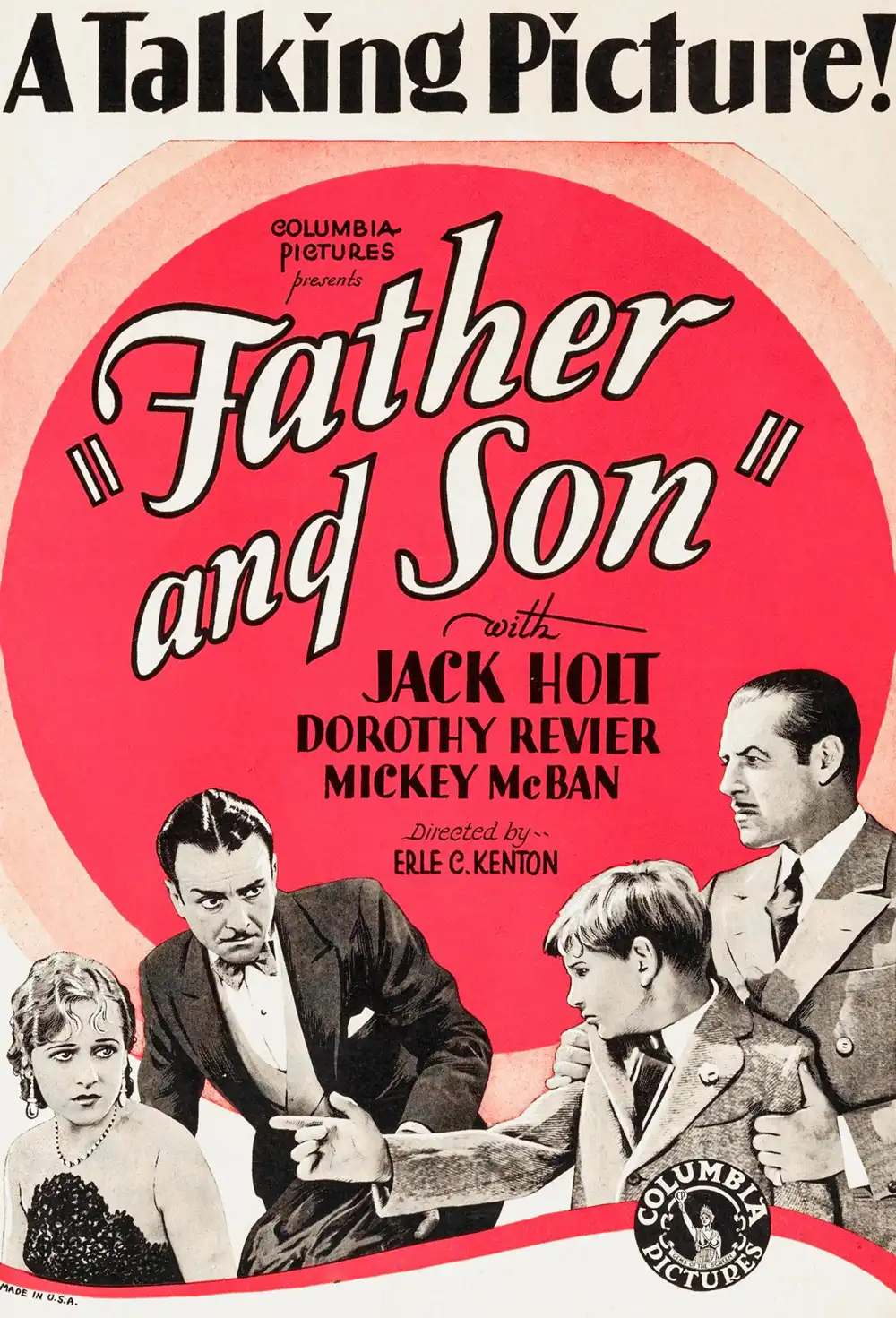
If you have an hour to kill and you like those old movies where everyone overacts just a little bit to make sure the people in the back row get it, Father and Son is worth a look. It’s for people who enjoy those dusty, transition-era films where you can still feel the silent movie DNA in the actors' faces. If you hate slow-moving plots where kids mope around for thirty minutes, you’ll probably want to skip this one.
The whole thing starts off feeling like a standard family drama. Jack Holt plays the dad, and he has this very stiff, upright way of standing that makes him look like he’s permanently wearing a corset. He brings home a new wife, Grace, and his son Jimmy is not having it.
Mickey McBan plays the kid, Jimmy. He has these massive, watery eyes that the camera just loves to linger on. There is a scene where he looks at a portrait of his dead mother and you can practically hear the sad violin music playing in his head. It’s effective, if a little manipulative.
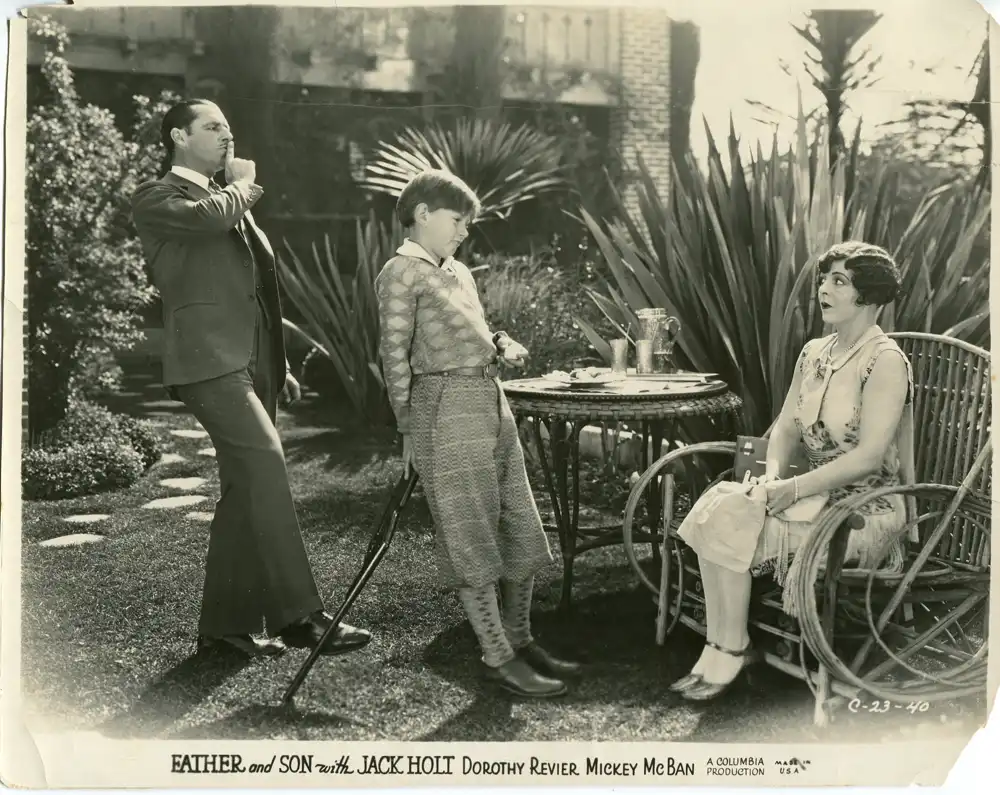
I noticed the house they live in is huge. Like, unnecessarily huge. There are these wide shots of the hallways that make Jimmy look even smaller and more lonely than he already is. It’s a nice touch, even if the lighting is a bit flat in those scenes.
Jimmy eventually decides he’s had enough of the new lady of the house and just bolts. He leaves home. This part of the movie feels a bit like Davy Crockett but without the cool hats or the woods. Just a sad kid on the road.
Then the movie takes a hard left turn. Jimmy comes home, probably because he realized being a runaway is cold and hungry work. He finds Grace—the stepmom—dead. Murdered.
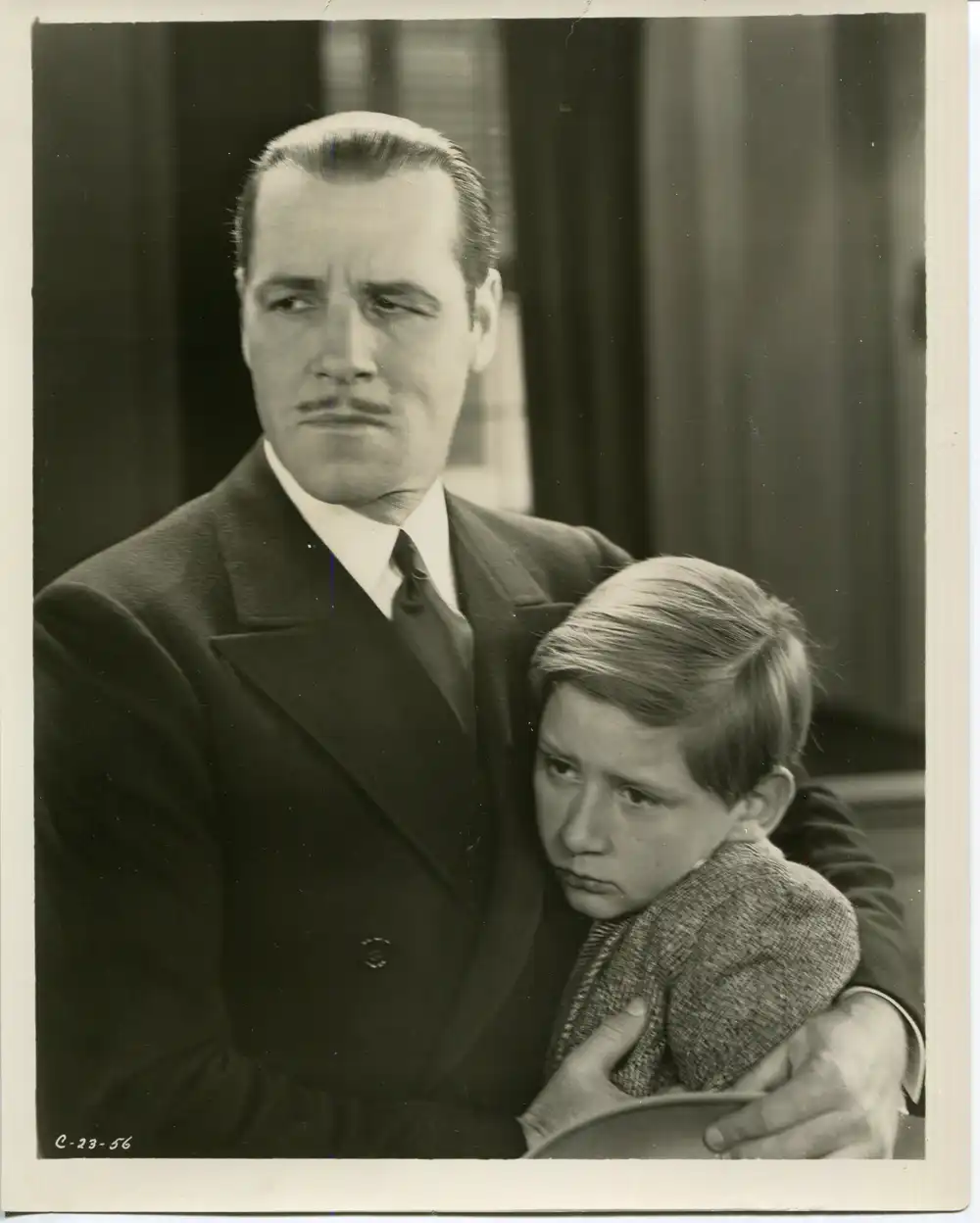
And here is the kicker: the police actually suspect the ten-year-old. It’s wild. The movie goes from a sad story about grief to a full-on crime drama in about five minutes.
The detective characters are kind of a joke. They walk around with these very serious expressions, but they seem to miss the most obvious clues. One guy lingers on a shot of a cigarette butt for so long I thought he was going to give a speech about it, but then he just walks away. It's actually kind of funny.
I’ve seen similar themes in What Wives Want, where the domestic drama gets cranked up to eleven. But adding a dead body and a child suspect makes this one feel much darker than your average 1920s weepie.
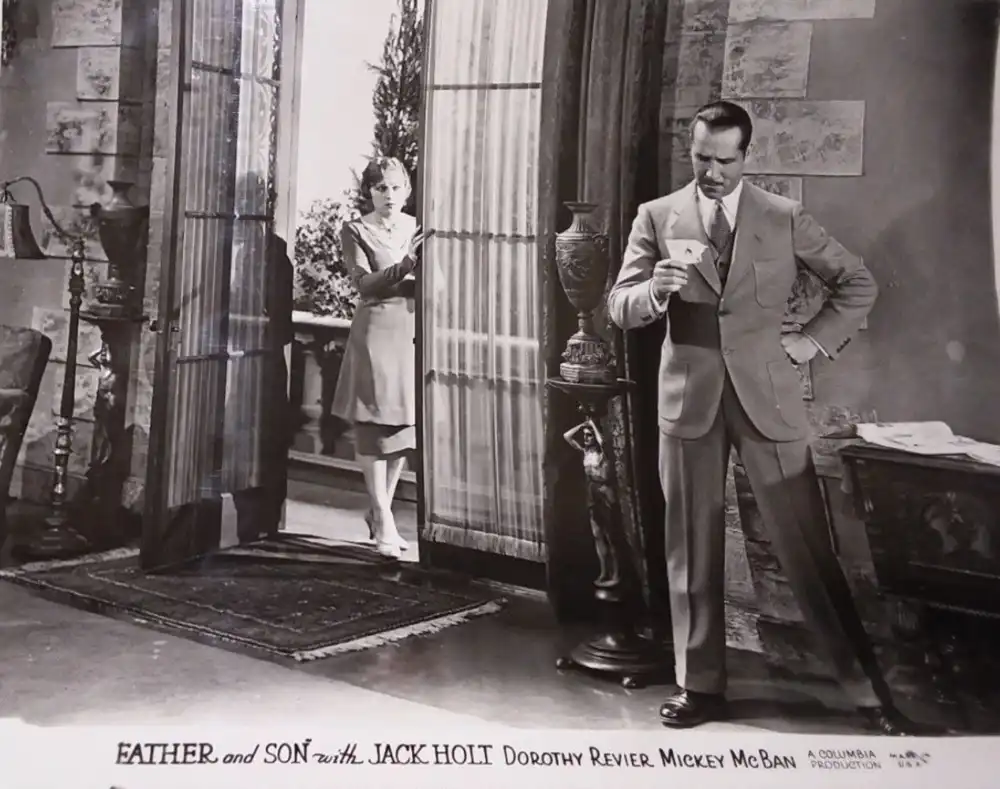
Jack Holt’s performance gets better once the murder happens. He stops being a stiff statue and actually shows some real panic. You can tell he’s torn between his dead wife and his son who might be a killer. His eyebrows do a lot of the heavy lifting in the final act.
There is a weird bit of editing near the end where a character enters a room and then suddenly they are across the room in the next shot. It’s the kind of mistake that reminds you how much they were still figuring out how to stitch these things together back then. I kind of love those little errors.
Is it a masterpiece? No. But it’s got a lot of heart and the stakes feel genuinely high once the trial stuff starts looming. The way the community turns on the kid is genuinely uncomfortable to watch.
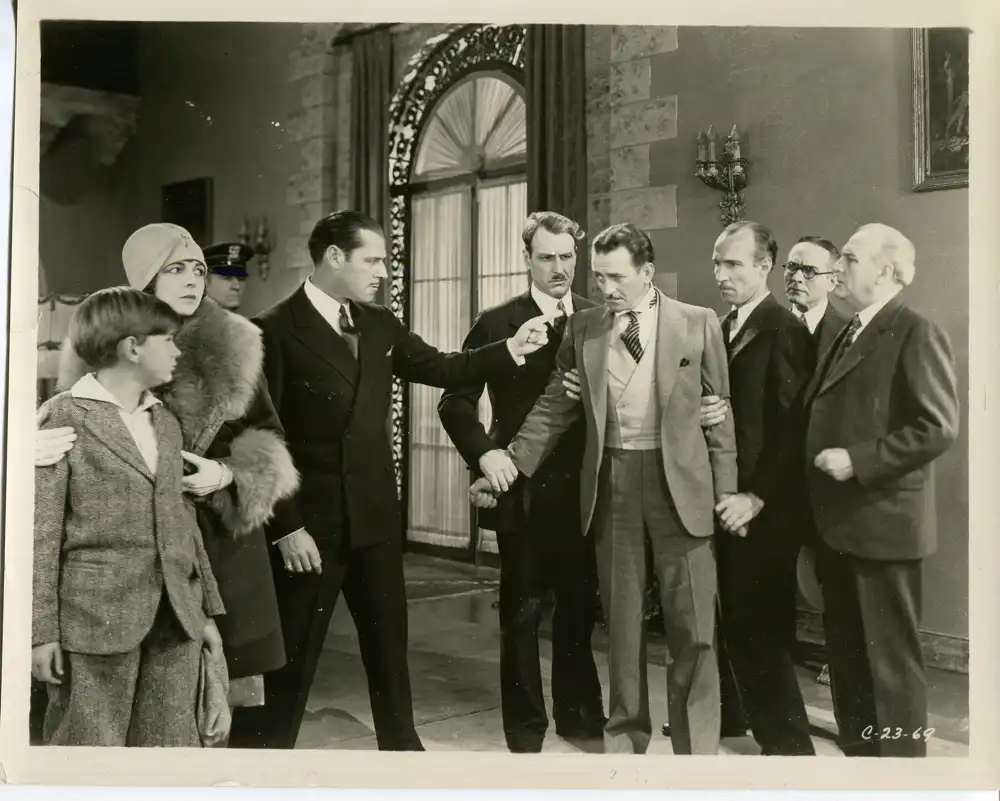
The the movie ends exactly how you think it will, but the journey there is stranger than I expected. It’s a solid example of how 1929 was such a messy, experimental year for film. Everyone was trying to figure out if they were making a play or a movie.
If you're into the history of the genre, or just want to see Jack Holt look stressed out for an hour, give it a go. Just don't expect a fast-paced thriller. It’s more of a slow burn with a very weird payoff. 🎬
Oh, and keep an eye out for the background extras in the street scenes. Half of them look like they were just people walking to work who got caught in the shot. They keep glancing at the camera. It’s great.
IMDb —
1920
Community
Log in to comment.