Plot Alchemy: When Bank Vaults Become Battlefields
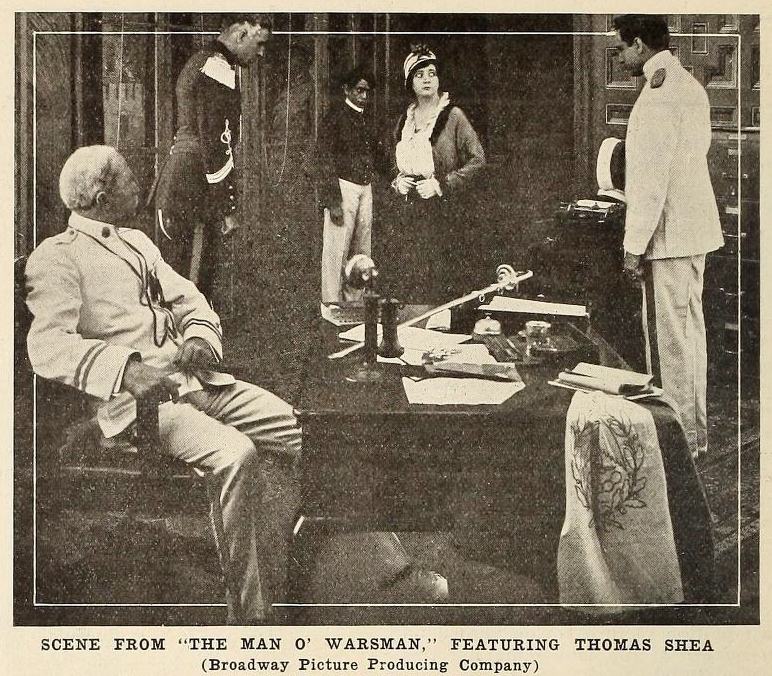
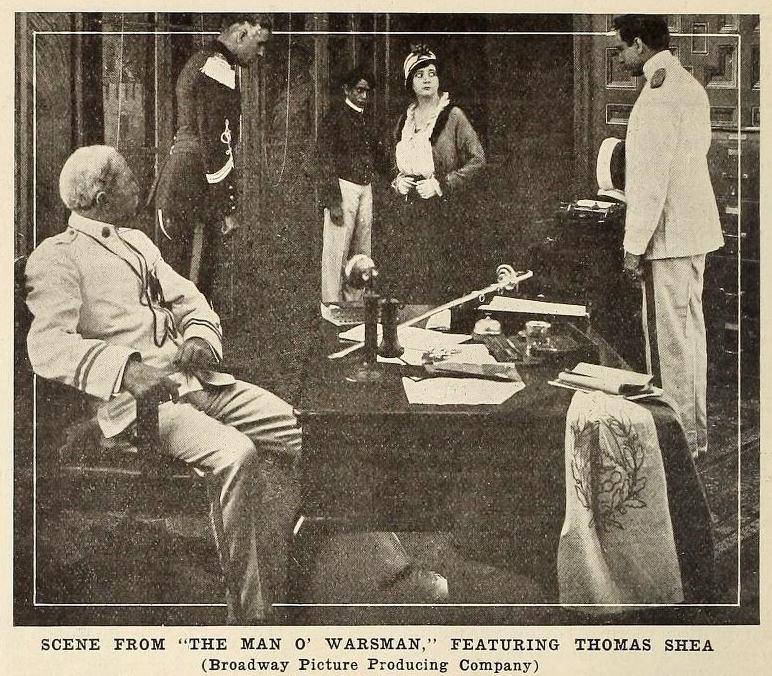
Picture Mexico City, 1913: mahogany-paneled hush inside Torres Banco de Oro, the air thick with cigar ink and the rustle of gold certificates. Manuel Torres—tailored like a European count, mind ticking like a stock-ticker—signs another check to Huerta’s butchers yet clandestinely lights the fuse of Carranza’s revolt. Eugene Thomas’s screenplay treats that contradiction not as exposition but as visual percussion: the camera lingers on Torres’s manicured hand trembling above the signature, ink splattering like blood across the parchment. A single insert cut to a half-smoked cigarette abandoned beside the safe later detonates narrative irony once Havilando—Huerta’s swaggering emissary—pilfers the incriminating letter. The theft is staged like liturgy: library lamps dim, shadows carve cathedral arches across leather spines, and the safe yawns open as if God himself exhaled state secrets.
Isabel Torres: Spy, Daughter, Lover—Triad in Silk
Dixie Compton’s Isabel refuses to be the bargaining chip that patriarchal plots so often mint. When she kneels before Huerta, the intertitle card reads, "Let my father breathe and I will weave shadows for you across the Rio." Compton’s eyes—kohl-ringed, defiant—undercut any damsel residue; her subsequent transformation into a New York socialite is rendered through wardrobe legerdemain: rebozos swapped for beaded Poiret gowns, yet the same pistol strapped to her thigh. In a rooftop sequence echoing The Lure of New York’s vertiginous romanticism, she balances on a cornice, spyglass trained on a U-boat blueprint, the wind whipping lace into battle standard. The performance is silent, yet her clenched jaw conducts an entire symphony of conflicted nationalism.
Jack Conway: Uniformed Morality in a World of Counterfeit Allegiances
Thomas E. Shea plays Conway with the forward-leaning gait of a man forever bracing against moral undertow. The script smartly fractures his heroism: he uncovers the Panama Canal conspiracy, yes, but only after Isabel leaks intel under threat of filicide. Their ballroom waltz—shot in an unbroken 180-degree dolly circling yellow-gowned Isabel and dress-blues Conway—externalizes the swirl of loyalties; each revolution swaps partners in the background, faces blur, nations dissolve into candle smoke. When Havilando spits on the Stars and Stripes, Conway’s riposte—sword-grab, throat-throttle, public humiliation—plays less like jingoism than desperate self-preservation of the only constant he owns: personal honor.
Havilando: Villain as Libertine Meteor
Every epic espionage yarn demands an antagonist whose appetite for chaos eclipses ideology, and Havilando—played with moustache-twirling élan by an uncredited lead—delivers the film’s most baroque flourishes: the 60-foot leap from a council chamber window into the harbor, the rooftop swordplay backlit by naval flares, the final bullet delivered not by Conway but by Isabel’s brother Louis, a neat sidestep of white-savior tropes. His death agony—silhouetted against the billowing U.S. flag—feels less like triumph than exhausted relief, the closing of an era where personal vendetta masqueraded as statecraft.
Visual Grammar: Sepia Rebellion, Cobalt Technology, Amber Passion
Cinematographer Frank X. Niemeyer tri-tones the narrative: Mexican interiors soaked in umber, suggesting both earth and blood; U.S. naval decks awash in sea-blue tinting, evoking modernity’s cold machinery; ballroom and boudoir sequences hand-painted amber, as though every liaison were backlit by topaz lanterns. The airplane rescue—achieved with a deft combination of hanging miniature and double-exposure—predates The Circus Man’s aerial bravura by six months, yet never flaunts technique for its own sake; the propeller’s stroboscopic flicker mirrors the lovers’ pulsebeats.
Sound of Silence: How Intertitles Become Bulletins
Thomas’s intertitles fracture language into telegrammic shards: "Oil. Blood. Same viscosity." or "Love classified—Eyes Only." The linguistic economy forces the viewer to assemble meaning much like Conway deciphers codebooks, implicating audience in the hermeneutics of espionage. Compare this to the verbose moralizing in The Life of Moses and you appreciate how progressive the film’s narrative compression felt to 1914 audiences newly literate in headline culture.
Gender Cartography: Who Owns the Gaze?
Unlike contemporaries such as My Official Wife where the female spy ultimately repents into domesticity, Isabel’s final close-up—eyes wide, tear-glazed yet unbroken—retains narrative agency. Camera placement lingers on her face rather than Conway’s medal, implying the new revolutionary horizon will be co-authored, not annexed. The film thus anticipates feminist readings decades before scholars recuperated silent-era heroines.
Historical Reverberations: From Huerta to Hollywood
Shot on the eve of the U.S. occupation of Veracruz, the production smuggled location footage of actual troop movements, embedding newsreel within melodrama. Censors demanded trimming of a scene depicting American rifles aimed at hotel windows; surviving prints show a jagged splice, the cut itself a scar of censorship. Such documentary DNA allies the picture with Revolución orozquista yet surpasses its didacticism by refusing to sacrifice character for polemic.
Pacing: A Locomotive Masked as a Waltz
Modern viewers primed by CGI bombast may smirk at model warships bobbing in bathtubs, yet the rhythm—staccato bursts of violence interleaved with langorous two-shots of lovers—mirrors the very geopolitics it dramatizes: diplomacy’s lull before artillery’s scream. Act I luxuriates in boardroom ambiguity; Act II hurtles across borders; Act III detonates in a 12-minute crosscutting montage among rooftop, prison, and fleet that rivals later Griffithian spectacles.
Comparative Matrix: Where It Sits in the Pantheon
Stacked beside The Great Mexican War’s documentary starkness or Der fremde Vogel’s expressionist interiors, The Man o' War's Man hybridizes pulp and patriotism with enough self-awareness to dodge jingo caricature. Its nearest kin might be The Ring and the Man, yet where that film circles masculine pugilism, here the emotional siege is affectional: every dagger thrust aimed at trust, not merely flesh.
Flaws Within the Fresco
Racial optics creak: Mexican peasants appear as backdrop mobs, faces undifferentiated, their uprising mere tinder for Anglo-Mexican romance. The English consul’s deus-ex-machina rescue of Torres reeks of colonial noblesse oblige. And the Panama Canal subplot—introduced with explosive promise—fizzles into a single expositional scene inside a lamp-lit cellar. These fissures, while era-typical, remind modern reclamationists that even progressive silents trafficked in imperial myopia.
Final Appraisal: A Nitrate love letter Worth Unspooling
Does the film champion U.S. intervention? Subvert it? The brilliance lies in refusing either purity. When Conway rips down the Mexican flag from the hotel parapet, he folds—not burns—it, handing the creased tricolor to Isabel as if acknowledging that revolutions outlive the maps drawn by victors. The lovers’ clinch under the Stars and Stripes arrives tinted amber, not triumphalist red, suggesting affection transcends anthem. For archivists, the print surviving at Library of Congress—missing its original rose-toned final reel—still radiates enough heat to brand the retina.
Seek it out during archive festivals, preferably with a live trio hammering tango rhythms; let the brass section mimic naval cannons while violins echo Isabel’s silk train sweeping across ballroom parquet. Ninety minutes later you’ll exit convinced that every modern spy romance—from Notorious to Mission: Impossible—owes a debt to this flickering nitrate love letter where trust was the deadliest weapon and love the ultimate act of treason.