DbcultAccessing Vault...
Cult Review
Senior Film Conservator
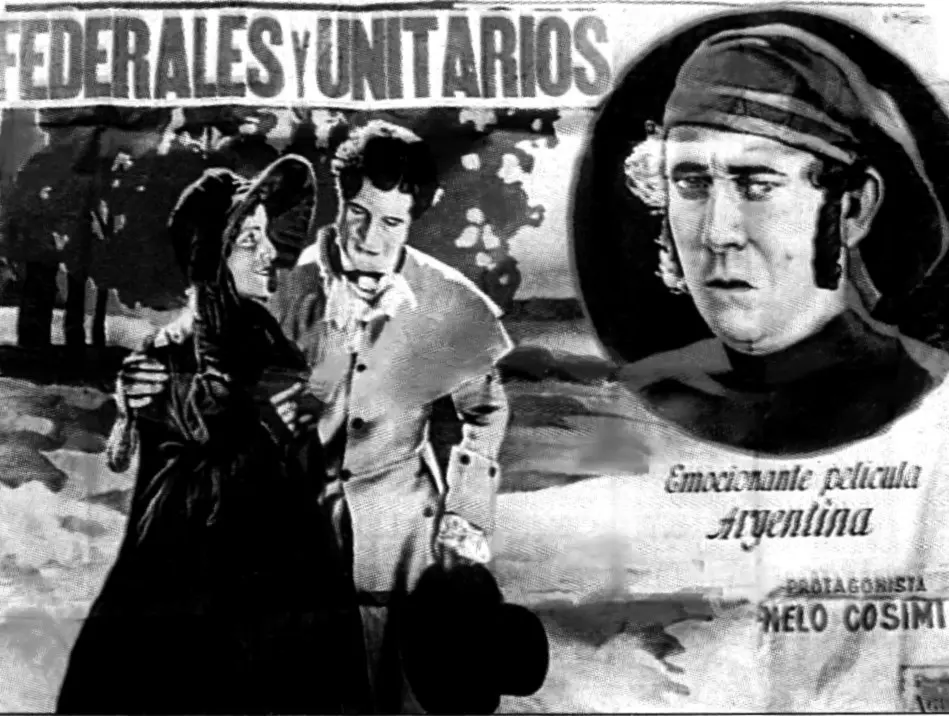
Is 'Federales y unitarios' worth watching today? For those with a deep interest in early Argentine cinema or the raw, often unpolished aesthetics of silent historical dramas, this film offers a curious, if sometimes trying, experience. It is not a film for casual viewing, nor does it possess the universal appeal of many celebrated silent features; its rewards are niche, demanding patience and a certain academic appreciation for its place in film history.
You should watch 'Federales y unitarios' if your primary interest lies in the foundational years of Argentine filmmaking, or if you are specifically studying the portrayal of 19th-century South American conflicts on screen. If you're seeking polished storytelling, nuanced character development, or consistently engaging pacing, you will likely find it a rather dull affair. It's a document, perhaps, more than a fully realized piece of drama.
Nelo Cosimi's "Federales y unitarios" arrives with the heavy mantle of historical significance, an early attempt to grapple with Argentina's foundational civil wars. The ambition is clear: to dramatize the brutal schism between federalist and unitarian factions. And indeed, the film presents a series of tableaux that depict this conflict with a certain earnestness. What it often lacks, however, is anything resembling compelling drama. The narrative feels less like a story unfolding and more like a series of historical reenactments, strung together by the thinnest of threads.
Cosimi, who not only wrote but also starred in the film, attempts to imbue the proceedings with gravitas. His presence, often stern and unyielding, anchors many of the scenes. Yet, even his performance struggles against the prevailing stiffness. The characters exist largely as archetypes—the stoic patriot, the grieving family member—rarely venturing into the realm of distinct personality. We are told they suffer, but we rarely feel it, a critical disconnect that plagues much of the film's run time.
It works as a fascinating artifact. The very act of attempting such a broad historical sweep in the nascent days of cinema is noteworthy. There's a raw, almost visceral quality to some of the staging, particularly in the crowd scenes, that gives a glimpse into the logistical challenges and creative solutions of the era. The decision to tackle a defining national conflict head-on, even if imperfectly, speaks to a certain courage. It’s a snapshot of a national cinema finding its voice, however faint.
Its dramatic structure is remarkably weak. The plot is less a progression and more a series of static events. Character motivations are broadly sketched, and the emotional impact is consistently undermined by performances that lean heavily on broad gestures rather than internal feeling. We see people in distress, but the film provides little reason to truly care about their individual fates within the larger conflict. The pacing, too, is often glacial, with many scenes lingering long past their dramatic utility.
You are a dedicated student of silent cinema, particularly interested in non-Hollywood productions, or if you have a specific academic interest in Argentine history or early film attempts to capture it. It's an important piece of archival work that offers insights into early storytelling techniques and the limitations of the medium at the time. Consider it more a research subject than a source of entertainment.
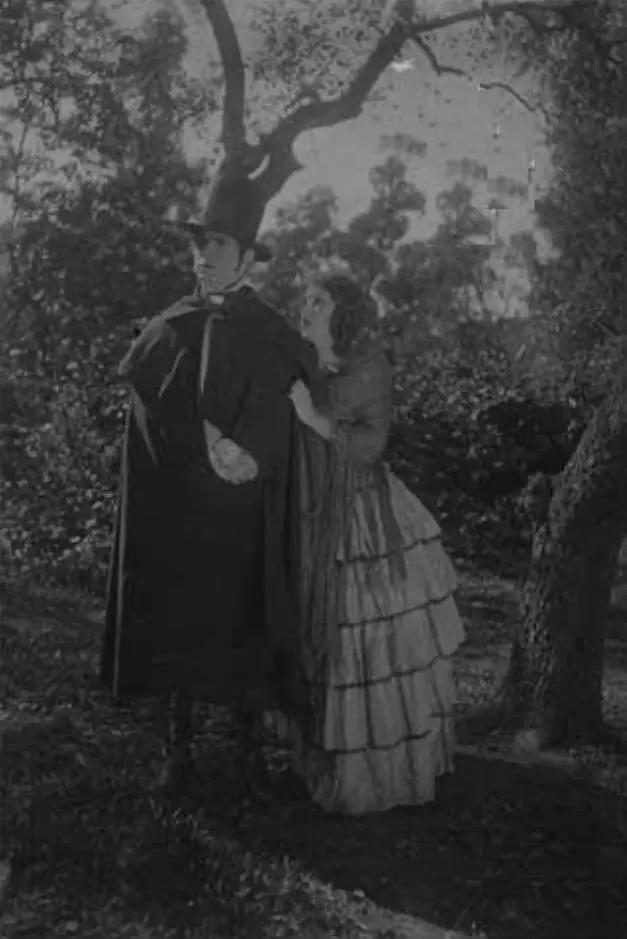
The performances across the board, including those from Salvador Arcella, Antonio Prieto, Floren Delbene, and Chita Foras, are largely of a theatrical, declamatory style common in early silent cinema. This isn't inherently a flaw, but here it often translates into a lack of subtlety. Characters express rage, sorrow, or defiance with an almost uniform intensity, making it difficult to differentiate their individual plights. Nelo Cosimi's dual role as writer and actor might suggest a deep understanding of his own characters, but it doesn't always translate into a dynamic screen presence for others.
Pacing is a major hurdle. Scenes often unfold with an almost excruciating slowness. A character might enter a room, slowly cross to a chair, sit, and then stare into the middle distance for what feels like an eternity before the next action, or intertitle, arrives. This deliberate rhythm, perhaps intended to convey solemnity or weight, instead often induces a kind of dramatic inertia. It tests the viewer's patience, even those accustomed to the slower cadences of silent film.
The editing rarely provides relief. Cuts are often functional, moving from one static shot to another without much sense of kinetic energy or narrative propulsion. There’s little of the dynamic cross-cutting or expressive montage that filmmakers in other parts of the world were already experimenting with. The film feels visually conservative, relying more on staging within the frame than on the manipulation of time and space through editing.
Visually, "Federales y unitarios" is exactly what one might expect from an early 20th-century historical drama. The production design aims for period authenticity, with costumes and sets that ground the film in its 19th-century setting. However, the cinematography itself is straightforward, largely functional, and seldom attempts anything visually inventive. There are no sweeping vistas that truly capture the Argentine landscape, nor are there intimate close-ups that reveal inner turmoil. It’s a matter-of-fact visual style that prioritizes clarity over artistry.
The tone is consistently somber, as befits a film about civil war. Yet, without strong character anchors, this pervasive seriousness often feels unearned. It’s a heavy atmosphere laid over a relatively thin dramatic foundation. The film tries to convey the tragedy of a nation divided, but it struggles to translate that grand concept into emotionally resonant moments on screen. The seriousness becomes monotonous.
One could argue that the film's true value isn't in its narrative sophistication, which is almost non-existent by modern standards, but in its blunt, almost documentarian portrayal of national trauma. It’s a film that shows, rather than explores, the consequences of political division. While often praised for its historical context, I find its dramatic structure to be its weakest link, reducing complex political strife to a series of rather stiff, predictable confrontations.
"Federales y unitarios" is less a film to be enjoyed in the traditional sense and more an object of study. Its value is primarily academic, a window into the nascent stages of Argentine cinema and its early attempts at historical storytelling. As a piece of entertainment, it struggles mightily. The performances are often unconvincing, the pacing is a slog, and the dramatic stakes, despite the weighty subject matter, feel curiously low. It's a film that exists, and that's important for historical record, but it doesn't particularly sing.
While its ambition to tackle a defining national conflict is commendable, 'Federales y unitarios' ultimately offers more historical curiosity than cinematic satisfaction. It's a film for the archives, not for a casual Friday night.

IMDb 7.1
1932
Community
Log in to comment.