DbcultAccessing Vault...
Cult Review
Senior Film Conservator
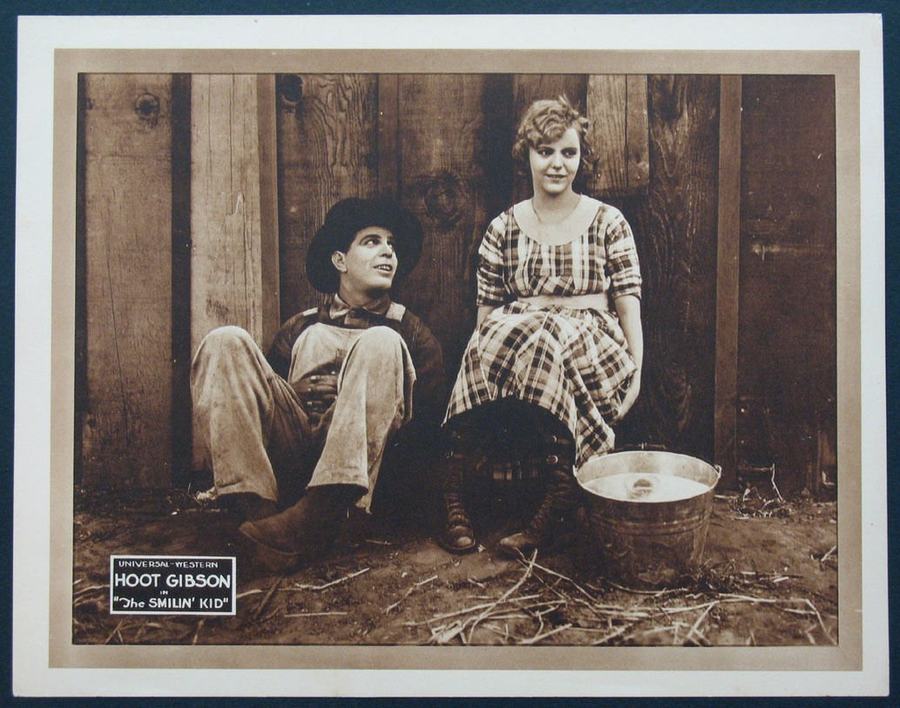
The Smilin' Kid is a film that defies the conventions of its time, presenting a narrative that is both deeply personal and universally relatable, much like the works of the great masters, such as the haunting Hypnose or the profoundly moving Barrabas. As the story unfolds, the audience is introduced to a cast of characters, each with their own distinct voice and perspective, all of which are masterfully intertwined to create a rich tapestry of human experience.
At the heart of the film lies the enigmatic smile of the young protagonist, a beacon of hope and joy in a world often shrouded in darkness and uncertainty. This smile, much like the iconic My Lady's Slipper, becomes a symbol of the human spirit's capacity for resilience and defiance, inspiring those around him to reevaluate their own lives and find the beauty in the mundane. As the narrative progresses, the audience is taken on a journey of self-discovery, one that is both deeply poignant and profoundly uplifting.
The cinematography in The Smilin' Kid is nothing short of breathtaking, with each frame meticulously crafted to capture the essence of the human experience. The use of lighting, in particular, is noteworthy, as it serves to accentuate the emotional depth of each scene, drawing the viewer into the world of the film. This is evident in the poignant moments of introspection, where the protagonist's smile is juxtaposed with the harsh realities of the world around him, creating a sense of tension that is both deeply unsettling and profoundly thought-provoking.
The cast, comprising of talented individuals such as Dorothy Wood, Mary Royce, and Lucille Rubey, delivers performances that are nothing short of exceptional. Each actor brings their own unique energy to the film, imbuing their characters with a depth and complexity that is rare in cinema. This is particularly evident in the scenes where the protagonist's smile is met with skepticism and mistrust, highlighting the societal pressures that often seek to suppress the human spirit.
In drawing parallels with other films, it becomes evident that The Smilin' Kid is part of a larger cinematic tradition, one that seeks to explore the intricacies of the human condition. Films like The Merry Jailbirds and Shadows of the Moulin Rouge also delve into the complexities of human emotions, albeit in different contexts. This shared concern with the human experience serves to underscore the timelessness of The Smilin' Kid, a film that continues to resonate with audiences to this day.
The themes of The Smilin' Kid are multifaceted and far-reaching, encompassing everything from the nature of hope and resilience to the complexities of human relationships. In this sense, the film can be seen as part of a broader cinematic conversation, one that includes films like Barnaby Rudge and Jealousy. This conversation serves to highlight the power of cinema as a medium for exploring the human condition, and The Smilin' Kid is a testament to the enduring relevance of this art form.
In conclusion, The Smilin' Kid is a film that will leave audiences spellbound and introspective, its themes and characters lingering long after the credits have rolled. With its masterful storytelling, exceptional performances, and breathtaking cinematography, this film is a must-see for anyone interested in the art of cinema. As we reflect on the film's significance, it becomes clear that The Smilin' Kid is part of a larger cultural landscape, one that includes films like A Diplomatic Mission, The Chalice of Courage, The Peddler, and The Gray Wolf's Ghost, all of which serve to underscore the power of cinema to capture the essence of the human experience.

IMDb 5.6
1929
Community
Log in to comment.