DbcultAccessing Vault...
7.5/10
Senior Film Conservator
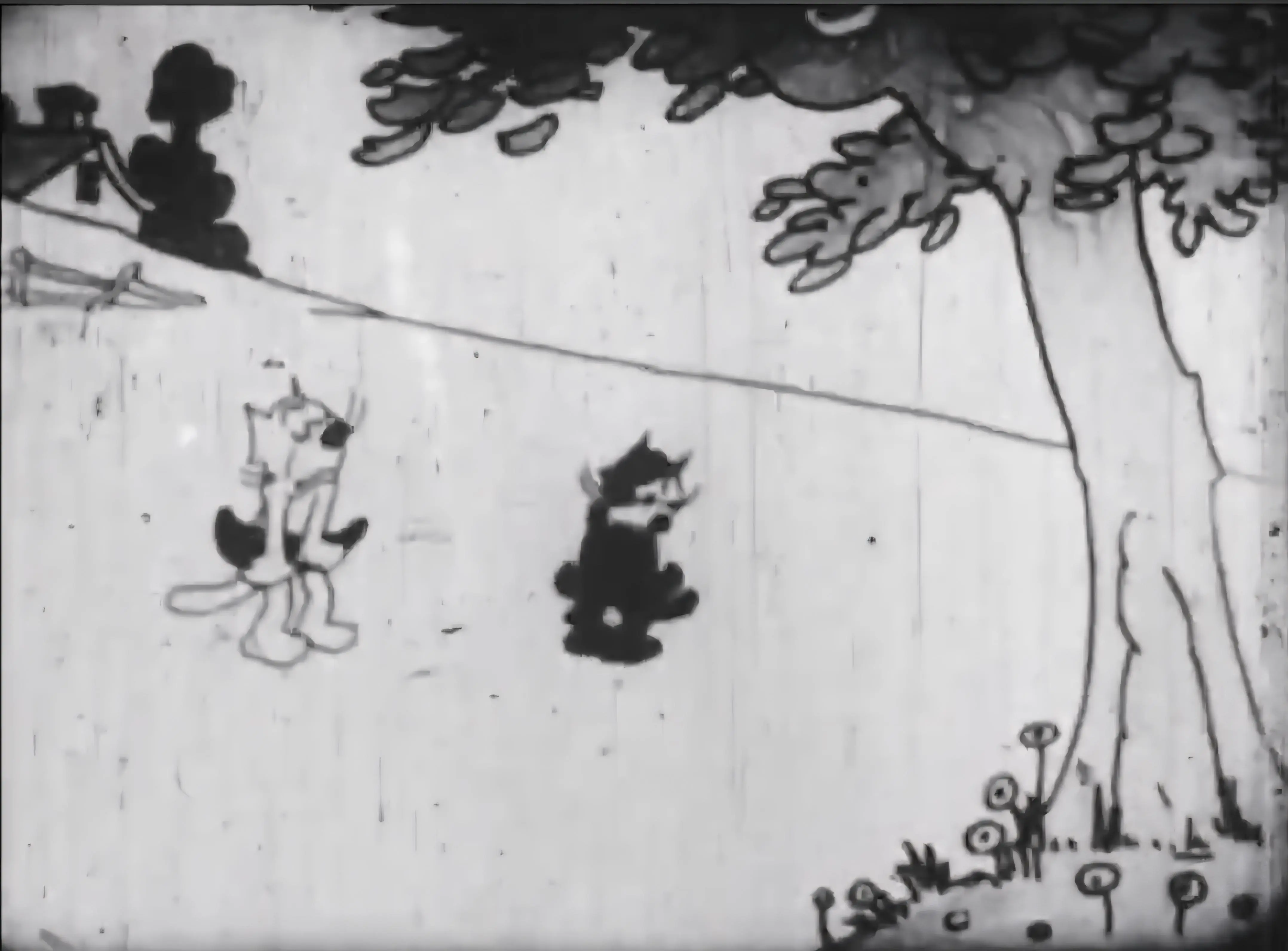
A definitive 7.5/10 rating for a film that redefined the boundaries of cult cinema. Felix Loses Out remains a cornerstone of transgressive art.
Felix Loses Out
In the early 20th century, the cinematic landscape was dotted with films that masterfully blended humor, innovation, and heart. Among these, Felix Loses Out stands out as a testament to the enduring appeal of clever storytelling and memorable characters. This film, featuring the inimitable Otto Messmer, presents a captivating narrative that not only showcases the creative prowess of its protagonist but also explores themes of rivalry, love, and the unbridled joy of competition.
The plot, much like a finely tuned machine, is set in motion by the introduction of a sleek motor scooter, courtesy of Felix's rival for Miss Kitty's affections. This bold move by the rival serves as a catalyst for Felix's ingenuity, prompting him to embark on an ambitious project: the construction of a soapbox racer. The true brilliance of Felix's plan lies not in the concept itself but in its execution, which is made possible by the inclusion of Skiddoo the mouse as the racer's power source. This unexpected twist not only showcases Felix's creativity but also underscores the resourcefulness and determination that define his character.
As the story unfolds, the rivalry between Felix and his adversary intensifies, culminating in a complex web of strategies and counter-strategies. The rival, driven by a desire to outdo Felix and secure Miss Kitty's favor, devises a plan that is as cunning as it is duplicitous. This escalation of events leads to a thrilling conclusion that is both unpredictable and engaging, keeping viewers on the edge of their seats as they navigate the ups and downs of Felix's journey.
One of the most striking aspects of Felix Loses Out is its thematic resonance with other films of its era. For instance, the emphasis on ingenuity and creativity is reminiscent of Richelieu, where the power of wit and intelligence plays a pivotal role in overcoming adversity. Similarly, the exploration of rivalry and the lengths to which individuals will go to achieve their goals echoes the tensions found in Dangerous Days. These thematic parallels not only highlight the film's place within the broader cinematic landscape of its time but also contribute to its enduring appeal.
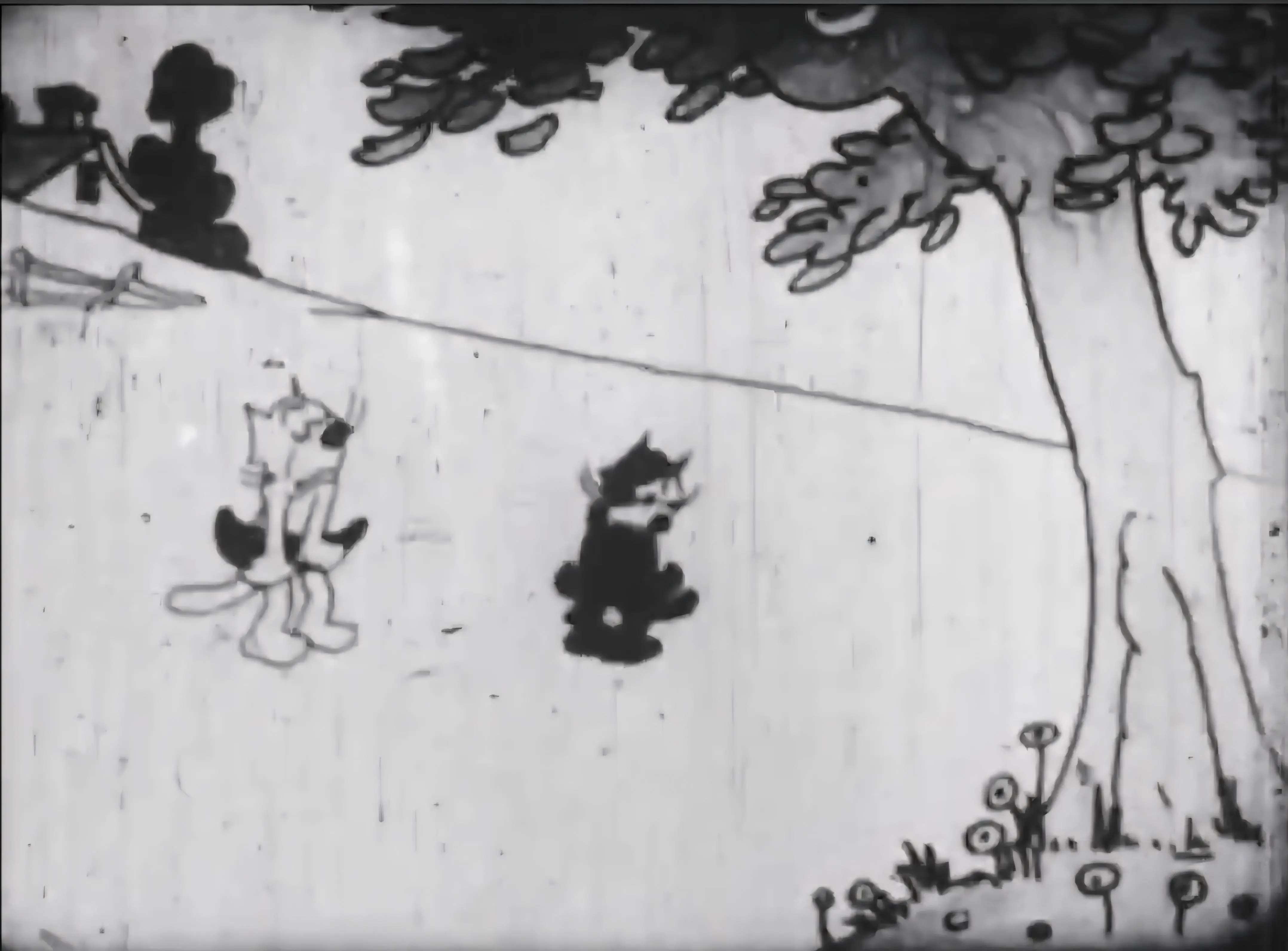
The character of Felix, brought to life by Otto Messmer, is a prime example of the impact that well-crafted protagonists can have on a film's narrative and emotional depth. Felix's journey from an underdog to a competitor who commands respect is both inspiring and entertaining, making him a relatable and endearing figure to audiences. The supporting cast, including Skiddoo the mouse, adds a layer of charm and humor to the film, further enriching the viewing experience.
In terms of cinematic technique, Felix Loses Out showcases a keen understanding of pacing and timing, with a narrative that flows seamlessly from one scene to the next. The use of visual gags and comedic sequences not only provides humor but also serves to underscore the film's themes of creativity and perseverance. This blend of humor, heart, and innovation is a hallmark of the film's approach to storytelling, making it a standout in its genre.
Comparing Felix Loses Out to other films of the silent era, such as Solomon in Society and The Silent Witness, reveals a shared emphasis on clever plotting and character-driven narratives. However, Felix Loses Out distinguishes itself through its unique blend of humor, innovation, and heart, which has contributed to its lasting popularity among film enthusiasts.
In conclusion, Felix Loses Out is a film that masterfully balances humor, innovation, and heart, making it a timeless classic that continues to captivate audiences. Its exploration of rivalry, love, and the joy of competition, set against the backdrop of a cleverly constructed narrative, is a testament to the enduring power of cinema to entertain, inspire, and engage. Whether viewed as a standalone film or in the context of its broader cinematic universe, Felix Loses Out remains a compelling and memorable viewing experience.
For those interested in exploring more films from this era, The Reed Case, North of Alaska, and The Law of the North (1918) offer a glimpse into the thematic and stylistic trends of the time, while films like Das Ende vom Liede, Love and the Woman, and Unprotected provide a contrast to the lighthearted charm of Felix Loses Out.
Ultimately, Felix Loses Out stands as a testament to the creative genius of its creators and the timeless appeal of its story. It is a film that not only entertains but also invites viewers to reflect on the power of ingenuity, the complexity of human relationships, and the enduring allure of competition.
IMDb 6.6
1920
Community
Log in to comment.