DbcultAccessing Vault...
Cult Review
Senior Film Conservator
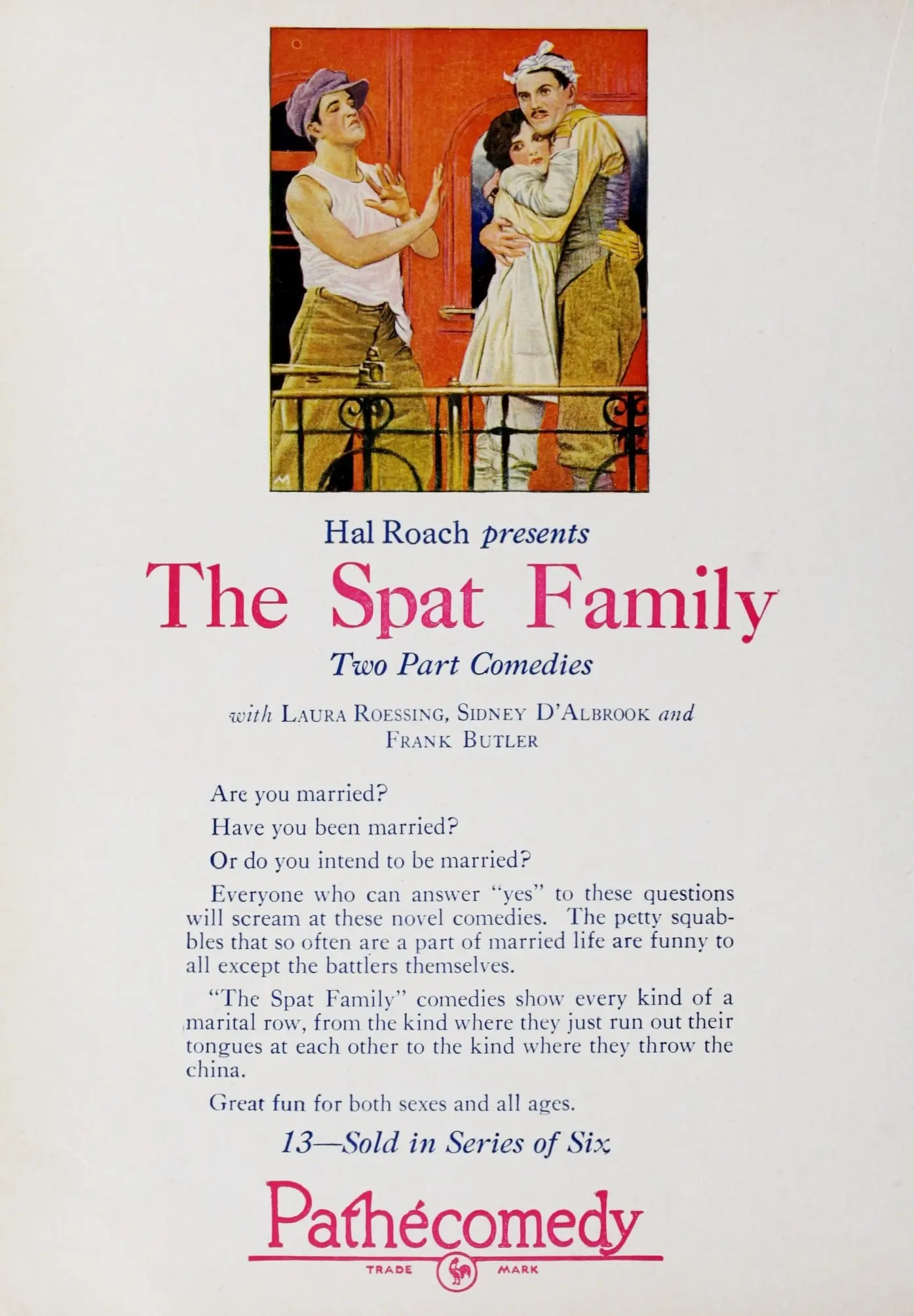
The 1923 silent gem The Darkest Hour unfurls within a modest household, yet its tension reverberates far beyond the confines of its modest set. Frank Butler, embodying the self‑styled connoisseur of illicit libations, delivers a performance that oscillates between smug bravado and palpable dread. Sidney D'Albrook, as the weary constable, provides a counterpoint of weary authority, his eyes reflecting the fatigue of a city drowning in bootleg wars.
The film’s structure is deceptively simple: a domestic drama intersecting with a public menace. Yet, beneath this veneer lies a meditation on the fragility of normalcy when external forces intrude. The brother‑in‑law’s hubristic decision to ferment his own spirit mirrors the era's broader defiance of temperance laws, while the police' arrival bearing news of an escaped lunatic introduces a primal fear that eclipses the petty crime of moonshining.
The juxtaposition of these plot threads creates a chiaroscuro effect, reminiscent of German Expressionist cinema, where light and shadow are not merely visual tools but narrative devices. The darkness of the house becomes a metaphorical abyss, swallowing the hidden barrels and, symbolically, the characters' sense of security.
When placed alongside contemporaneous works such as Suspense (1923) or The Blue Moon (1925), The Darkest Hour distinguishes itself through its intimate focus on a single household rather than sprawling urban vistas. While Suspense leverages a train’s claustrophobic corridors to amplify tension, The Darkest Hour compresses dread into the familiar rooms of a home, making the terror feel invasive and personal.
The film also shares a thematic kinship with The Cheat, where moral transgressions precipitate unforeseen consequences. Both narratives employ a single act of illicit behavior—gambling in one, home‑brewing in the other—to catalyze a cascade of peril that ultimately questions the characters' ethical foundations.
Butler's portrayal is a study in subtlety; his smug grin softens as the police sirens grow louder, revealing a man whose confidence is as fragile as the glass bottles he hides. Laura Roessing, as the bewildered sister, oscillates between exasperation and maternal protectiveness, her eyes conveying a silent plea for normalcy amidst chaos.
The interplay between Butler and D'Albrook is a dance of power and impotence. The constable, weary from chasing professional bootleggers, is forced to confront a domestic micro‑crime, a scenario that undercuts his authority and forces him to confront the broader societal breakdown that Prohibition has wrought.
Cinematographer (uncredited) employs stark contrast lighting, bathing the interior in pools of amber and teal—colors that echo the film's prescribed palette of dark orange (#C2410C), yellow (#EAB308), and sea blue (#0E7490). The amber glows from a solitary lamp, casting elongated shadows that seem to reach for the hidden bottles, while the sea‑blue tint of the night sky visible through a cracked window provides a cold, distant backdrop to the domestic turmoil.
Set design is meticulous; every piece of furniture serves a dual purpose—both functional and symbolic. The cracked wooden floorboards become a literal hiding place for the brew, yet they also metaphorically represent the cracks in societal order. The picture frames, often empty, hint at the missing narratives of those who have vanished—perhaps alluding to the escaped maniac whose presence looms unseen.
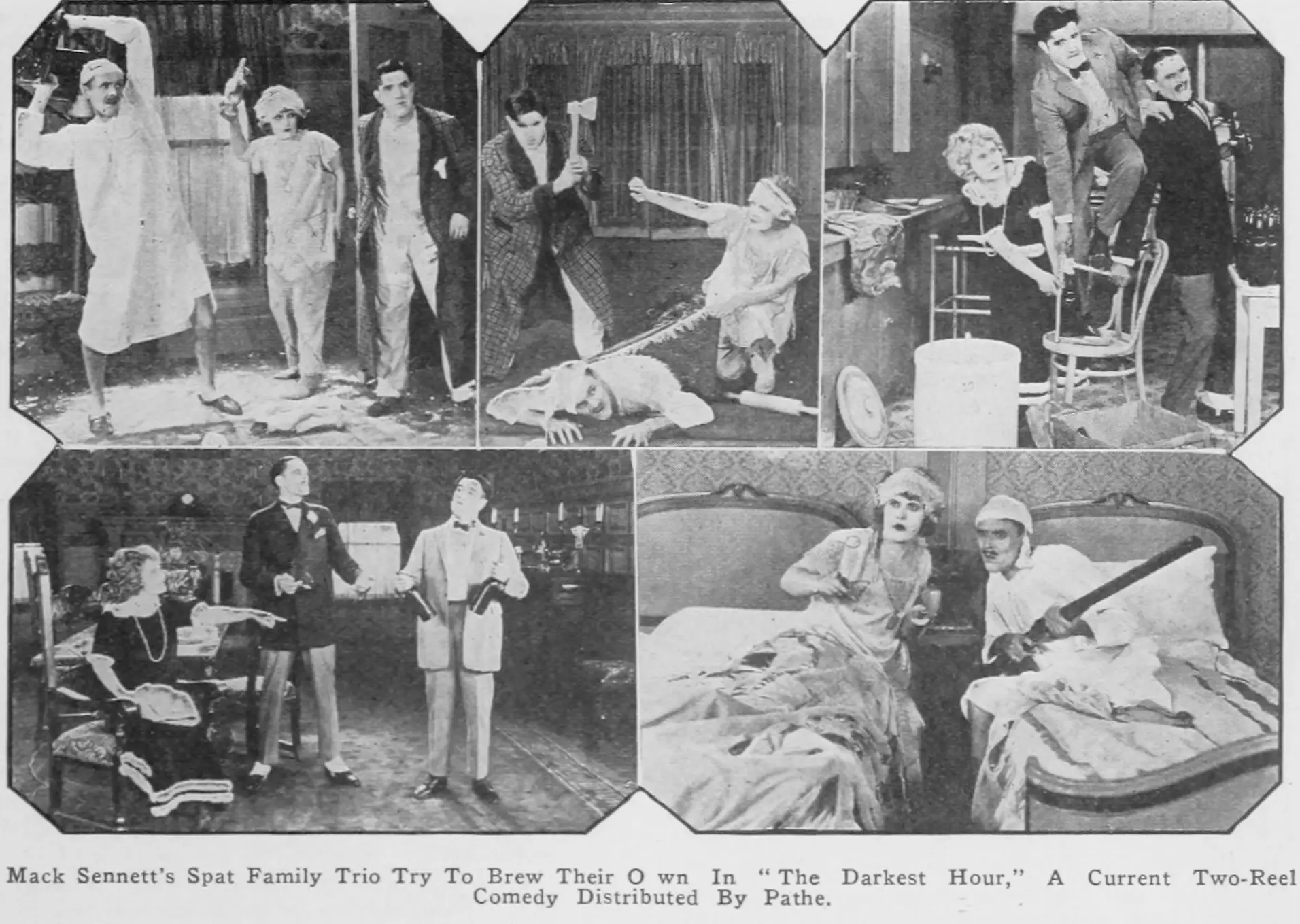
The editing rhythm accelerates as the police draw near, intercutting close‑ups of trembling hands, clinking bottles, and the distant wail of sirens. This kinetic montage mirrors the characters' rising anxiety, while the sudden cut to the police officer delivering the news of the escaped murderer serves as a narrative pivot, shifting the audience's focus from petty crime to existential dread.
The film’s climax—an ambiguous moment where the hidden bottles are discovered just as a scream pierces the night—leaves viewers suspended between relief and horror. The unresolved tension is a hallmark of silent-era thrillers, inviting audiences to project their own fears onto the empty screen.
Although silent, the original screenings were accompanied by a live piano score that oscillated between jaunty ragtime during the brewing scenes and dissonant minor chords as the police approach. This auditory contrast heightens the duality of the film's tone—lighthearted mischief versus looming menace.
Set against the backdrop of the United States' Prohibition era, The Darkest Hour offers a micro‑historical glimpse into the everyday ramifications of a nationwide ban on alcohol. While many films of the period focus on the glamorous underworld of speakeasies, this work pulls the viewer into the modest kitchen, emphasizing that the thirst for illicit spirits permeated all social strata.
The film also anticipates later noir motifs, such as the femme fatale archetype—though here embodied by the sister's quiet resolve rather than overt seduction—and the fatalistic notion that ordinary choices can precipitate catastrophic outcomes.
Later thrillers like For Valour and The Amazing Quest of Mr. Ernest Bliss echo The Darkest Hour's motif of a single, seemingly innocuous decision spiraling into larger consequences. However, none capture the claustrophobic intimacy of a domestic space becoming a battlefield as poignantly as this 1923 piece.
Contemporary reviews praised the film's economical storytelling and atmospheric tension, noting Butler's nuanced performance as a highlight. Modern scholars regard it as a precursor to the psychological horror subgenre, citing its emphasis on internal dread over external spectacle.
Its influence can be traced in the narrative strategies of later directors who favor the domestic sphere as a site of terror—think of the later works of Alfred Hitchcock, where the home becomes a labyrinth of secrets.
The Darkest Hour stands as a testament to the power of restraint. By confining its drama to a single residence and a handful of characters, it magnifies the psychological stakes, turning a simple act of home‑brewing into a catalyst for existential fear. Its visual palette, deliberate pacing, and layered performances coalesce into an enduring piece of silent cinema that rewards repeated viewings.
For aficionados of early thriller cinema, this film offers a rich tapestry of thematic depth, technical craft, and historical context—an essential watch that continues to whisper its warnings from the shadows of the past.
IMDb 6.6
1933
Community
Log in to comment.