DbcultAccessing Vault...
6.2/10
Senior Film Conservator
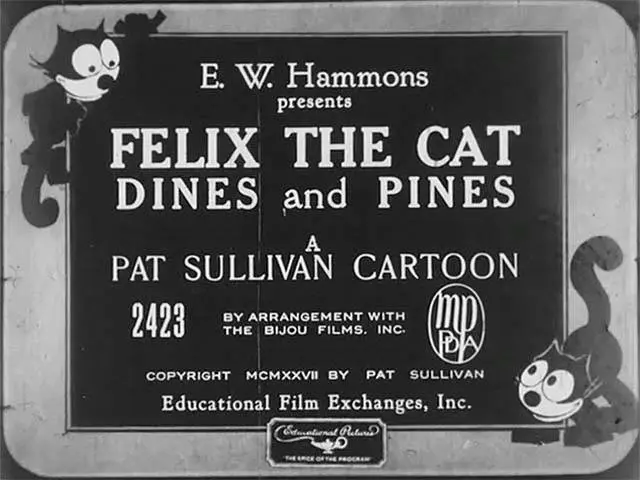
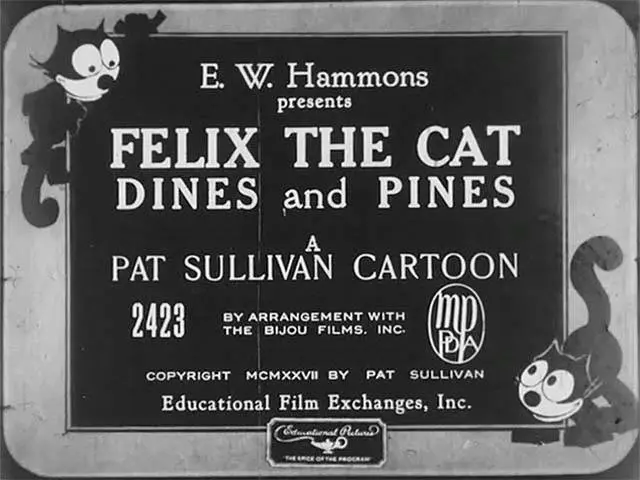
A definitive 6.2/10 rating for a film that redefined the boundaries of cult cinema. Felix the Cat Dines and Pines remains a cornerstone of transgressive art.
Is Felix the Cat Dines and Pines a silent cartoon worth revisiting in our modern, hyper-saturated media landscape? Short answer: absolutely, but with significant caveats. This early animated short, a product of the roaring twenties, offers a fascinating glimpse into the nascent art form, showcasing both the innovative brilliance and the charmingly crude sensibilities of its era. It is a film for animation historians, experimental film enthusiasts, and those with an appreciation for surrealist humor, but it will likely test the patience of viewers accustomed to contemporary narrative pacing and polished aesthetics.
It demands a certain historical empathy, a willingness to see beyond the technical limitations and appreciate the sheer inventive spirit at play. For the right audience, it’s not just a historical artifact; it’s a vibrant, if peculiar, piece of early cinema that still manages to surprise and even disturb.
The narrative thrust of Felix the Cat Dines and Pines is deceptively simple, yet it serves as a canvas for remarkably inventive visual comedy and, ultimately, a foray into the bizarre. We witness Felix, a figure of perpetual motion and cunning, driven by an insatiable hunger. His initial attempts at securing a meal are textbook Felix: a playful, almost balletic pursuit of a mouse, followed by a more robust, if equally fruitless, engagement with a plump chicken. Each failure ratchets up his desperation, his signature grin gradually morphing into a grimace of pure, unadulterated need. The introduction of a “jumping bean” as a potential meal is where the film begins its subtle shift from conventional slapstick to something more idiosyncratic, hinting at the surreal turn yet to come. Felix’s eventual, desperate decision to consume a discarded shoe is not merely a comedic beat; it’s a pivotal moment, a descent into the absurd that triggers a cascade of vivid, unsettling hallucinations. This isn’t just a cat eating a shoe; it’s a hungry soul pushed to the brink, manifesting its internal chaos through grotesque, animated visions that challenge the very fabric of Felix’s cartoon reality.
This film works because of its audacious visual gags, its pioneering animation, and its surprisingly dark, surrealist turn. It fails because its pacing can feel glacial to modern audiences, and its humor is deeply rooted in a style that requires historical context to fully appreciate. You should watch it if you are an animation scholar, a fan of early cinema, or someone who appreciates experimental storytelling. You should probably skip it if you are looking for a fast-paced, emotionally resonant narrative or polished, contemporary animation.
For those who approach it with an open mind and an understanding of its place in cinematic history, Felix the Cat Dines and Pines offers a unique experience. It’s a testament to the boundless imagination of early animators like Otto Messmer, who, with limited tools, crafted entire worlds and personalities that continue to captivate.
The film’s historical value is undeniable. It stands as a vibrant example of the silent era’s animation, a period of explosive creativity where the rules were still being written. The sheer inventiveness of the gags, particularly the fluid character transformations and the almost stream-of-consciousness visual humor, is something to behold.
However, it’s crucial to manage expectations. This isn’t a Pixar film. The narrative is thin, the pacing deliberate, and the visual style, while groundbreaking for its time, might appear rudimentary to an untrained eye. It’s a niche appeal, certainly, but a deeply rewarding one for the right viewer.
The opening sequences of Felix the Cat Dines and Pines are a masterclass in early slapstick and character-driven comedy. Felix's initial attempts to catch a mouse are a delightful showcase of his signature cunning and elasticity. He stretches, contorts, and morphs his body with an effortless grace that was revolutionary for the time. This isn't just a cat; it's a living, breathing inkblot given an impossible flexibility.
Consider the interaction with the chicken. The bird, far from being a passive victim, exhibits its own brand of cartoonish defiance, leading Felix on a merry chase that highlights the cat's escalating frustration. The humor here isn't just in Felix's failure, but in the sheer persistence and ingenuity of both predator and prey.
The jumping bean sequence is where the film really starts to deviate from conventional animal pursuits. It’s an inanimate object, yet it moves with a life of its own, mocking Felix’s hunger. This moment is a brilliant, understated precursor to the full-blown surrealism that dominates the film's latter half. It’s a gag that only works in animation, pushing the boundaries of what could be considered a 'meal' and a 'chase'.
Otto Messmer’s direction, though uncredited in the traditional sense, is evident in the precise timing of these gags. Each failure builds upon the last, intensifying Felix’s hunger and setting the stage for his ultimate, desperate act. The pacing, while slow by today's standards, allows these individual comedic moments to breathe, ensuring the audience fully grasps Felix's plight.
The moment Felix consumes the shoe marks a profound tonal shift in Felix the Cat Dines and Pines. What begins as a whimsical, if increasingly desperate, chase cartoon, suddenly veers into the territory of psychological horror and surrealist art. It’s a bold, unexpected move that elevates the short beyond mere slapstick.
The hallucinations themselves are a riot of visual invention. We see everyday objects morphing into monstrous, taunting entities, reflecting Felix's internal torment and the bizarre nature of his 'meal'. Eyes appear in unexpected places, forms melt and reform, and the world itself becomes a fluid, terrifying canvas of his starved imagination. This sequence is not just funny; it’s genuinely unsettling, tapping into primal fears of hunger and the distortion of reality.
This segment is arguably the film's most enduring legacy, demonstrating the early potential of animation to explore abstract concepts and psychological states long before it became common practice. It's a testament to the medium's inherent ability to defy the laws of physics and logic, creating dreamscapes that live outside conventional narrative constraints.
One could even argue that this sequence predates and parallels some of the visual experimentation seen in European surrealist cinema of the late 1920s and 30s. The way objects transform and defy their natural state offers a fascinating comparison to films like The Moment Before in its commitment to visual metaphors, albeit in a vastly different genre. It is, in essence, an animated dream logic put to screen, a testament to Messmer's truly avant-garde sensibilities.
While Pat Sullivan often took the credit, the animating genius behind Felix the Cat, and thus Felix the Cat Dines and Pines, was Otto Messmer. His influence is palpable in every frame. Messmer understood the unique properties of animation, particularly the ability to create a character that wasn't bound by the physical limitations of live-action.
Felix's design is deceptively simple: a black cat with large, expressive eyes and a mischievous grin. Yet, it's this simplicity that allowed for such incredible versatility. Messmer could make Felix's tail become a question mark, his body stretch and compress, and his eyes convey a spectrum of emotions without a single line of dialogue.
The pacing of early Felix cartoons, including this one, reflects a different era of viewing. These shorts were often shown before feature films, designed to entertain with quick visual gags and character antics, not necessarily complex plots. Messmer excelled at this, crafting vignettes that were both humorous and visually engaging.
His work on this film, particularly the hallucination sequence, showcases a willingness to experiment that was rare for its time. It wasn't just about making things move; it was about making things move in imaginative, impossible ways that served the story's emotional core, however abstract.
The sheer volume of work and the consistent quality Messmer delivered, often under immense pressure, solidified Felix's status as a global icon. This film is a small but significant piece of that legacy, demonstrating the artistic depth lurking beneath the surface of what might appear to be simple entertainment.
The pacing of Felix the Cat Dines and Pines is a critical element for its appreciation. It is deliberate, almost leisurely, allowing the audience to fully absorb each gag and Felix's reactions. This measured rhythm, so different from the rapid-fire editing of modern animation, can be a hurdle for contemporary viewers. Yet, it also allows for a greater appreciation of the individual animated movements and the artistry involved in each transformation.
The tonal shift from lighthearted slapstick to unsettling surrealism is perhaps the film's most striking feature. It begins as pure entertainment, a cat cartoon, but concludes in a space that feels more akin to a fever dream. This unexpected turn is what gives the film its enduring power and sets it apart from many of its contemporaries. It refuses to stay in a comfortable comedic lane.
Does it hold up? For those who understand its context and appreciate its unique blend of humor and horror, yes. It remains a fascinating artifact, a testament to animation's early experimental phase. For others, it might feel like an antique, charming but slow. Its timelessness isn't in universal appeal, but in its historical significance and its surprising artistic courage.
Comparing it to other films of its era, like the relatively straightforward narrative of The Dawn of a Tomorrow, highlights just how experimental and unconstrained early animation could be. While live-action films were perfecting their narrative structures, animation was still reveling in its freedom to conjure anything imaginable.
Felix the Cat Dines and Pines is more than just an old cartoon; it's a vital piece of animation history. It works. But it’s flawed. Its brilliance lies not in its ability to entertain a mass modern audience, but in its audacious spirit and its surprising foray into the surreal. It's a film that demands contextualization, a viewer willing to look past the superficial simplicity to appreciate the groundbreaking artistry beneath.
For those who make that effort, this short offers a fascinating window into the mind of Otto Messmer and the boundless potential of early animation. It’s a bold, bizarre, and ultimately brilliant testament to the fact that even in the earliest days of cinema, artists were pushing boundaries and experimenting with form and content in ways that still resonate today. It’s not for everyone, but for the discerning viewer, it’s an essential watch.
IMDb 6.4
1920
Community
Log in to comment.