DbcultAccessing Vault...
Cult Review
Senior Film Conservator
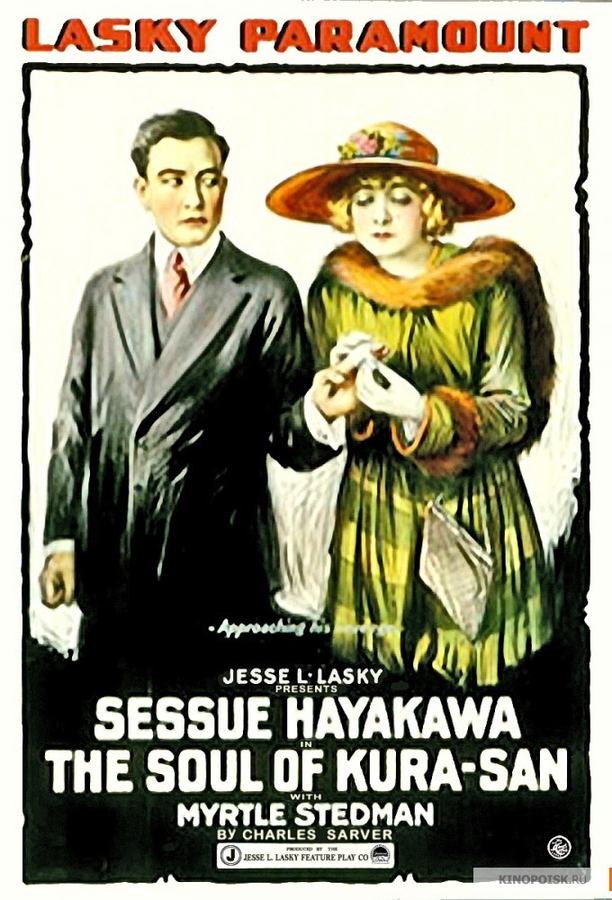
In the annals of silent cinema, where emotions were writ large across the screen and narrative power often hinged on the raw intensity of performance, there emerges a film like The Soul of Kura San. Released in an era when cinema itself was finding its voice, this particular cinematic endeavor, with its potent cocktail of cultural clash, personal tragedy, and the relentless pursuit of retribution, stands as a testament to the enduring power of elemental human drama. It’s a work that, even a century later, resonates with a primal force, drawing viewers into its intricate web of moral ambiguity and psychological warfare. The year 1918, a period of global upheaval, ironically provided a fertile ground for stories that explored the darker facets of the human condition, and this film, penned by Charles Sarver and Frances Guihan, certainly plunges headfirst into that abyss.
The narrative core of The Soul of Kura San is deceptively simple, yet it unfolds with a complexity that belies its silent nature. We are introduced to Kura San, a Japanese art dealer, whose life is irrevocably shattered by the suicide of his fiancée. This tragic act is not an isolated incident but a direct consequence of the predatory actions of an American artist, a man who exploited her with a casual cruelty that leaves an indelible scar on Kura San’s soul. The film then pivots, not into immediate, visceral violence, but into a far more insidious and psychologically torturous form of vengeance. Kura San’s chosen weapon is seduction, his target the artist's unsuspecting wife. This isn't merely about 'an eye for an eye'; it's about a meticulous, agonizing mirroring of pain, a desire to inflict a wound so profound that it echoes the devastation he himself has endured.
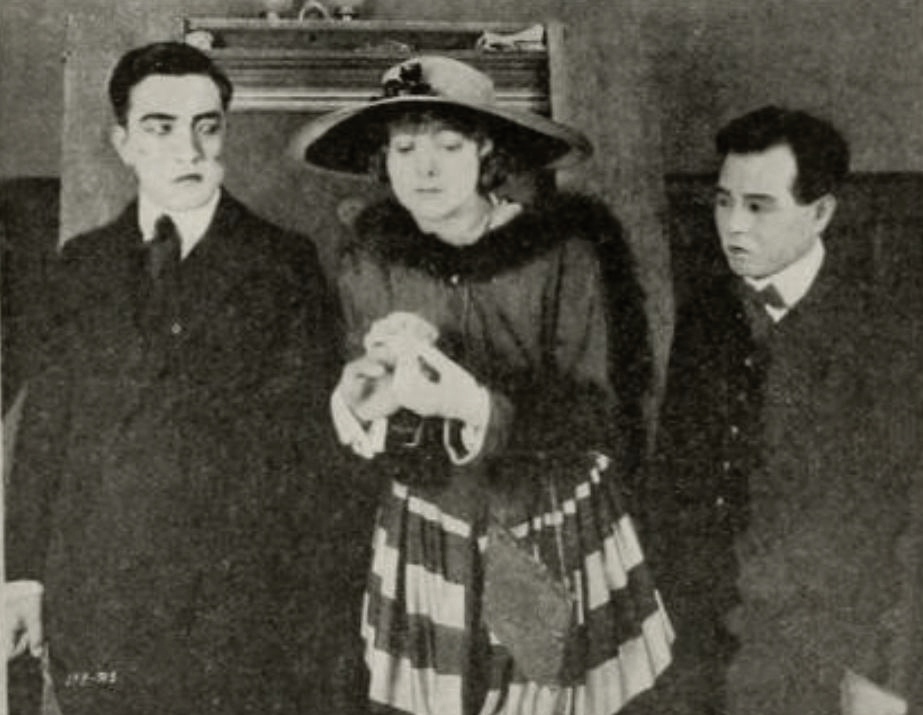
What makes this premise so compelling is its exploration of the human capacity for both profound love and equally profound hatred. Kura San, portrayed with a brooding intensity by Kisaburô Kurihara, is not a simple villain, nor is he a straightforward hero. He is a man consumed, walking a tightrope between justified anger and moral transgression. His actions force the audience to grapple with uncomfortable questions about the nature of justice, the limits of forgiveness, and whether the pursuit of vengeance can ever truly heal. The film, through its visual storytelling, communicates these internal struggles with remarkable clarity, relying on the nuanced expressions and gestures of its cast to convey the tumultuous emotional landscape.
The casting of The Soul of Kura San is particularly noteworthy, featuring a confluence of talent that elevates the material beyond mere melodrama. Kisaburô Kurihara, in the titular role, delivers a performance that is both restrained and explosive, his eyes often betraying the tempest raging beneath a calm exterior. He embodies the quiet dignity and the simmering rage of a man wronged, making his descent into calculated deceit all the more tragic. Opposite him, the film benefits immensely from the presence of Sessue Hayakawa, a star whose magnetism transcended cultural barriers. Hayakawa, often cast in roles that played on his exotic allure and stoic intensity, would undoubtedly have brought a compelling complexity to the American artist, imbuing him with a charm that makes his villainy all the more insidious, or perhaps a vulnerability that complicates Kura San's quest. The dynamic between Kurihara and Hayakawa, even if not directly adversarial in every scene, would have been the dramatic engine of the film, a clash of wills and cultures. Tsuru Aoki, frequently Hayakawa's real-life and cinematic partner, would have brought a delicate pathos to the role of the exploited fiancée, her tragic fate serving as the catalyst for the entire revenge plot. Myrtle Stedman, playing the artist's wife, would have needed to convey a spectrum of emotions – from initial innocence to dawning realization and eventual heartbreak – making her character a focal point for the audience's empathy, caught as she is in a game she never asked to play. George Kuwa and George Webb, while perhaps in supporting roles, would have rounded out an ensemble capable of delivering the dramatic weight required by such an emotionally charged narrative.
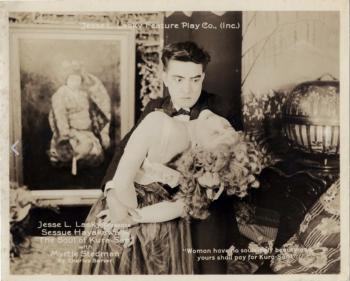
Beyond the immediate thrill of a revenge plot, The Soul of Kura San delves into deeper thematic waters. It subtly, or perhaps not so subtly, explores the cultural misunderstandings and prejudices prevalent at the time. The contrast between the Japanese sense of honor and the American artist's perceived flippancy creates a fertile ground for conflict. Kura San's methodical approach to vengeance, rooted in a profound sense of duty and the need to restore a violated equilibrium, can be seen as a reflection of certain cultural values, juxtaposed against the more individualistic, perhaps even hedonistic, impulses of the American character. This cultural friction adds a layer of intellectual depth to what might otherwise be a straightforward tale of personal revenge. It's a film that, in its quiet way, interrogates the very fabric of societal interaction when different worlds collide.
The film also touches upon the objectification inherent in the artistic process, particularly when an artist views another human being primarily as a muse or a subject, rather than a person with agency and feelings. The exploitation of Kura San's fiancée speaks volumes about the power dynamics at play, and the devastating consequences when artistic pursuit overrides ethical considerations. This theme, unfortunately, remains relevant in various forms even today, making the film's commentary surprisingly prescient.
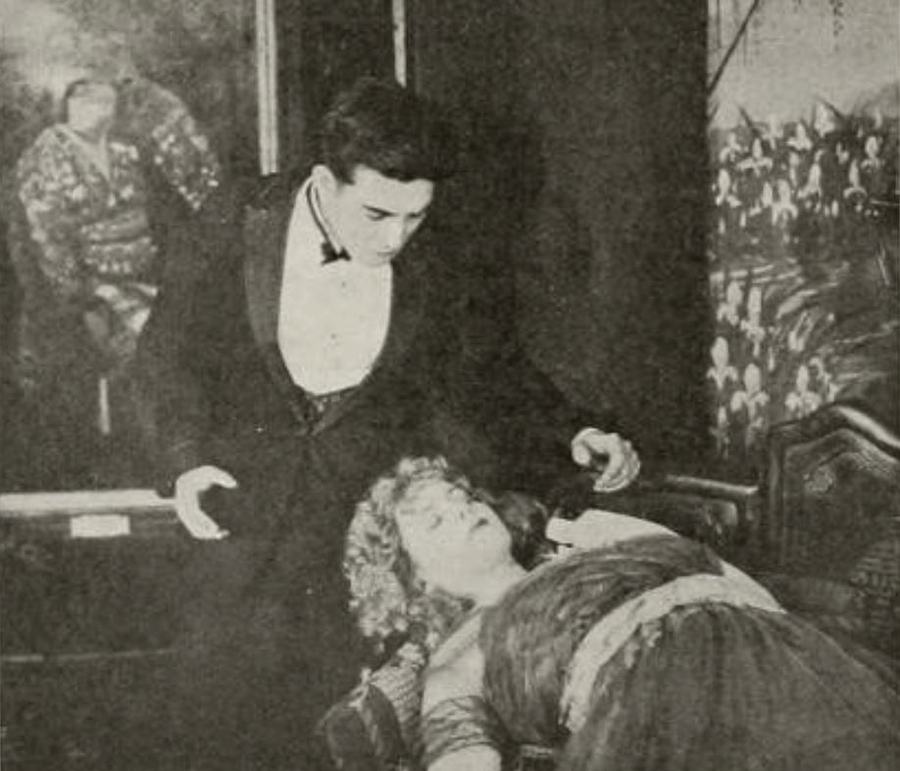
To properly appreciate The Soul of Kura San, one must contextualize it within the burgeoning film industry of 1918. This was a period of immense experimentation and rapid evolution. Filmmakers were still discovering the grammar of cinema, pushing boundaries in narrative structure, editing, and performance. While we don't have extensive production details for every silent film, the very existence of a complex psychological drama like this indicates a growing sophistication in storytelling. Compared to more overtly action-driven films of the time, or even simpler melodramas, The Soul of Kura San likely stood out for its nuanced approach to character motivation and its willingness to delve into the darker corners of the human psyche.
Consider contemporary releases. While films like A Fight for Freedom; or, Exiled to Siberia might have focused on grander political struggles and physical endurance, The Soul of Kura San chose the intimate battleground of the heart and mind. Similarly, while The Mysteries of Myra delved into the supernatural and arcane, Kura San's torment is profoundly human. The film's strength lies in its grounding in relatable, albeit extreme, emotional responses. Even a film like Her Double Life, which explores intricate personal relationships and deception, might have found a thematic sibling in Kura San’s narrative, though the latter’s driving force is a far more primal, violent form of justice.
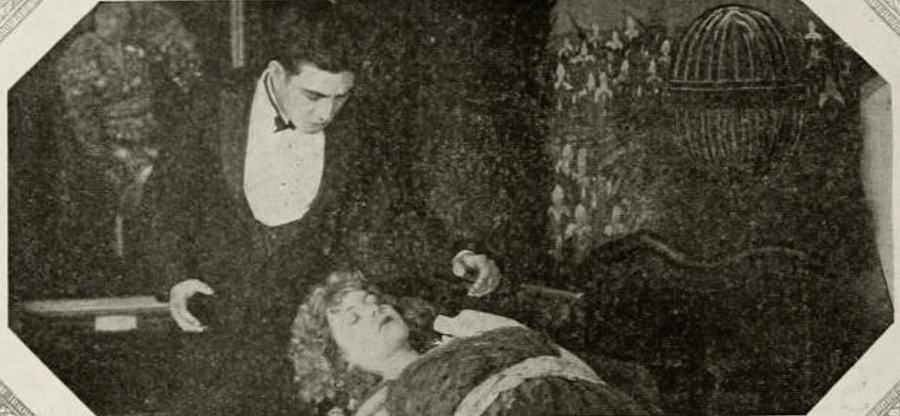
In the absence of spoken dialogue, silent films relied heavily on visual composition, intertitles, and the expressive power of the actors. One can imagine The Soul of Kura San employing stark contrasts in lighting to emphasize Kura San's internal struggle – perhaps shadows clinging to him as he plots, or harsh light exposing the vulnerability of his unsuspecting victim. The settings, moving between Japanese and American locales, would also have played a crucial role in establishing the cultural divide and the stakes of the revenge plot. The film likely used symbolic imagery to convey emotional states, a common technique in silent era filmmaking. A wilting flower for the fiancée's demise, a chess board for Kura San's calculated moves – these visual metaphors would have enriched the narrative without the need for words.
The intertitles, far from being mere dialogue substitutes, would have served as narrative guideposts, offering glimpses into characters' thoughts or providing essential exposition. In a film of such psychological depth, these intertitles would have needed to be carefully crafted, perhaps even poetic, to convey the gravity of Kura San's mission and the moral quandaries faced by the other characters. This delicate balance of visual storytelling and textual intervention is what made silent films an art form unto themselves, requiring a different kind of engagement from the audience, one that fostered a more active participation in piecing together the emotional landscape.
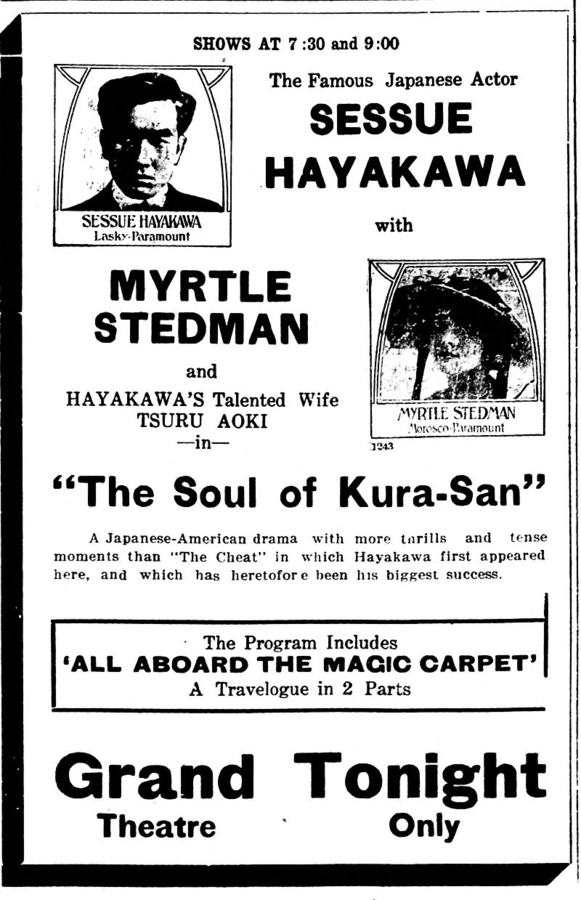
While its exact contemporary impact might be hard to fully gauge without more historical context, The Soul of Kura San fits into a broader cinematic tradition of revenge narratives and cross-cultural dramas. It predates many iconic tales of retribution but shares their underlying psychological drive. It invites comparison to films that explore the moral decay brought about by societal ills, much like Vultures of Society, though Kura San’s focus is on personal rather than systemic corruption. The film's examination of an individual driven to extreme measures by profound grief and injustice places it in a lineage that continues to this day. The question of whether Kura San ultimately finds solace, or if his actions merely perpetuate a cycle of suffering, is the kind of profound ambiguity that elevates a mere story to a compelling piece of art.
The ethical quandaries presented are timeless. Does the suffering of one justify the calculated infliction of suffering upon another, particularly an innocent? Kura San's journey challenges the audience to confront their own definitions of justice and morality. It’s not a film that offers easy answers, but rather one that forces contemplation. This complexity is precisely what allows it to transcend its era and maintain a certain resonance, even when viewed through a modern lens. While films like The Day might offer a snapshot of a particular moment, or Karadjordje delves into historical epic, The Soul of Kura San explores something far more universal: the intricate, often dark, landscape of the human heart when pushed to its breaking point.
In conclusion, The Soul of Kura San is more than just a relic of the silent era; it is a potent dramatic work that tackles themes of immense weight with a deftness that speaks to the talent of its creators and performers. Its narrative, while rooted in a specific cultural and historical context, taps into universal human emotions: grief, rage, betrayal, and the often-destructive pursuit of what one perceives as justice. The film’s reliance on visual storytelling and the expressive capabilities of actors like Kisaburô Kurihara, Sessue Hayakawa, and Tsuru Aoki would have ensured its dramatic impact, creating a haunting experience for contemporary audiences and, one imagines, for those who rediscover it today. It serves as a powerful reminder that even without spoken words, cinema possesses an extraordinary capacity to explore the deepest recesses of the human soul, leaving an indelible mark long after the final frame has faded. It's a testament to how early filmmakers, with nascent technology, could craft narratives of such enduring psychological complexity. Its exploration of cultural friction and individual despair remains a compelling argument for its continued study and appreciation, positioning it as a significant, albeit perhaps under-seen, piece of cinematic history.
IMDb 6.8
1925
Community
Log in to comment.