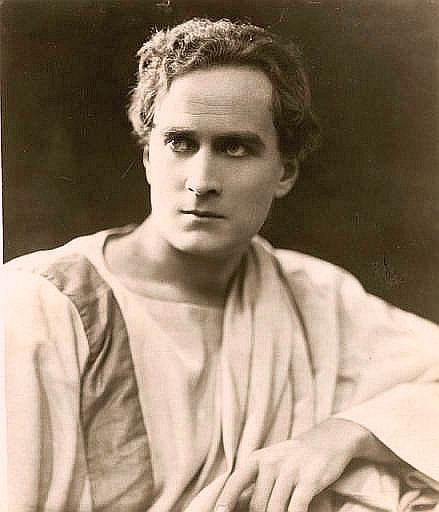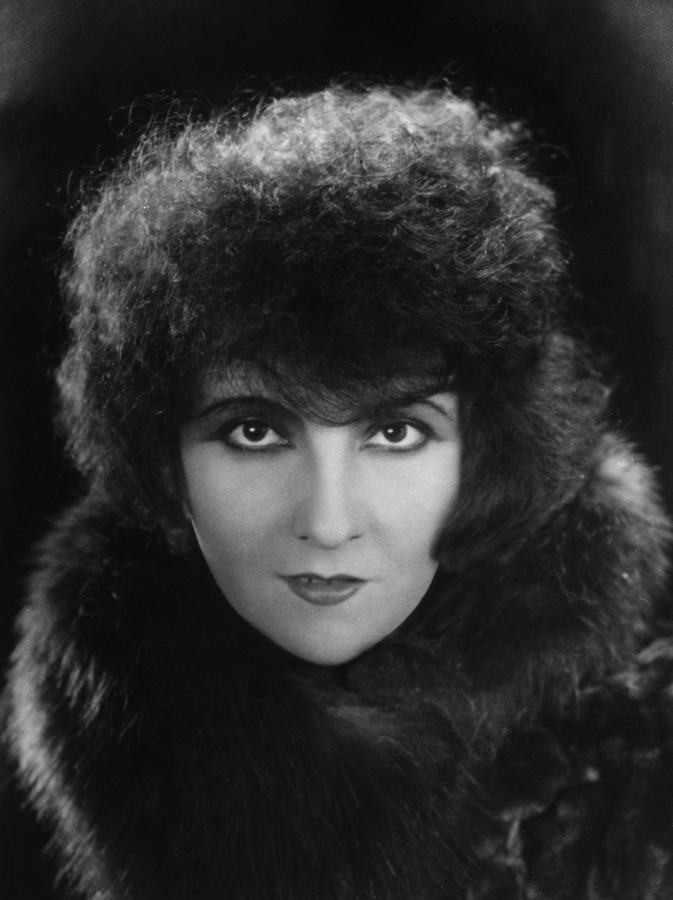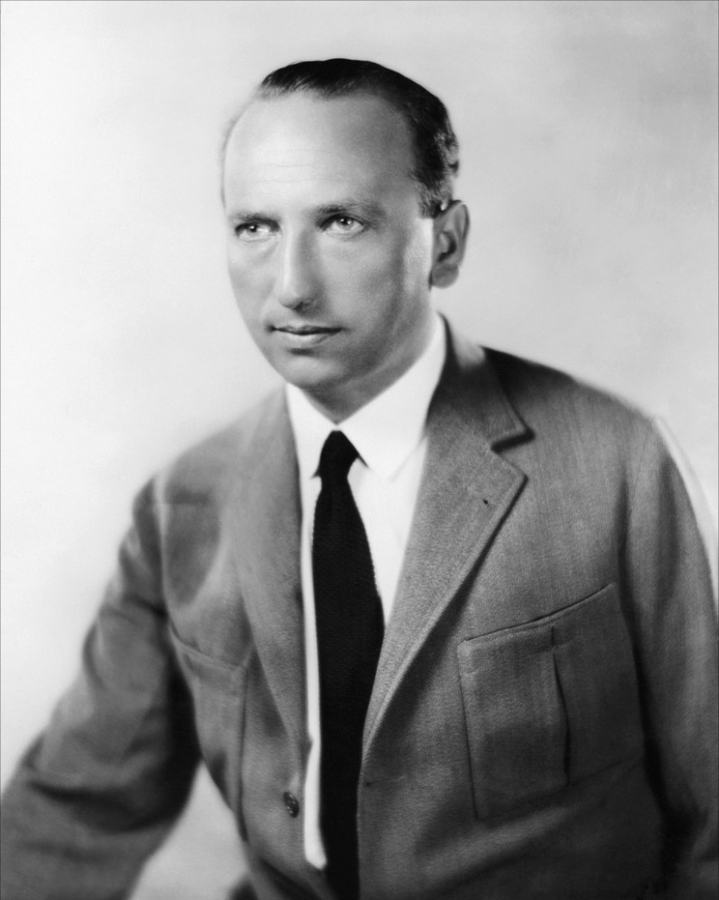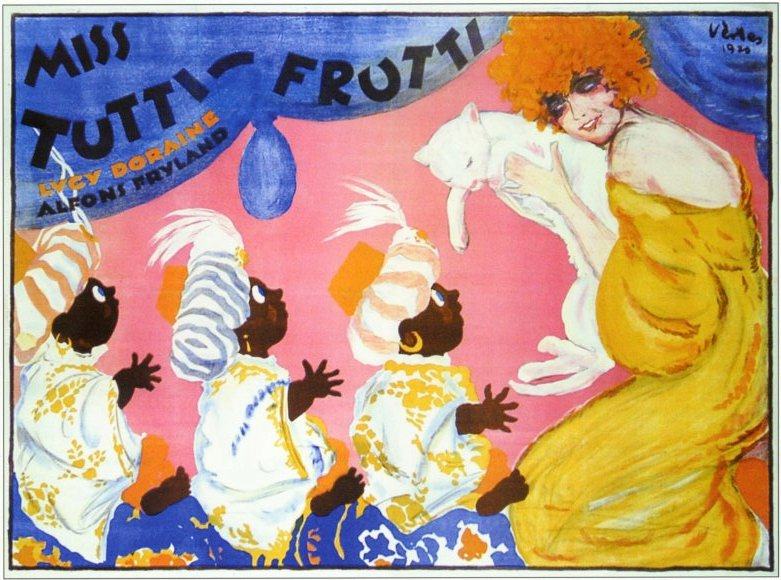
Mrs. Tutti Frutti, directed with a chiaroscuro precision by Friedrich Porges, is a film that lingers in the mind like a half-remembered dream—a phantasmagoria of ambition and decay. Set in a world where the glitter of pre-war salons conceals the rot of moral compromise, the film dissects the psyche of its titul...

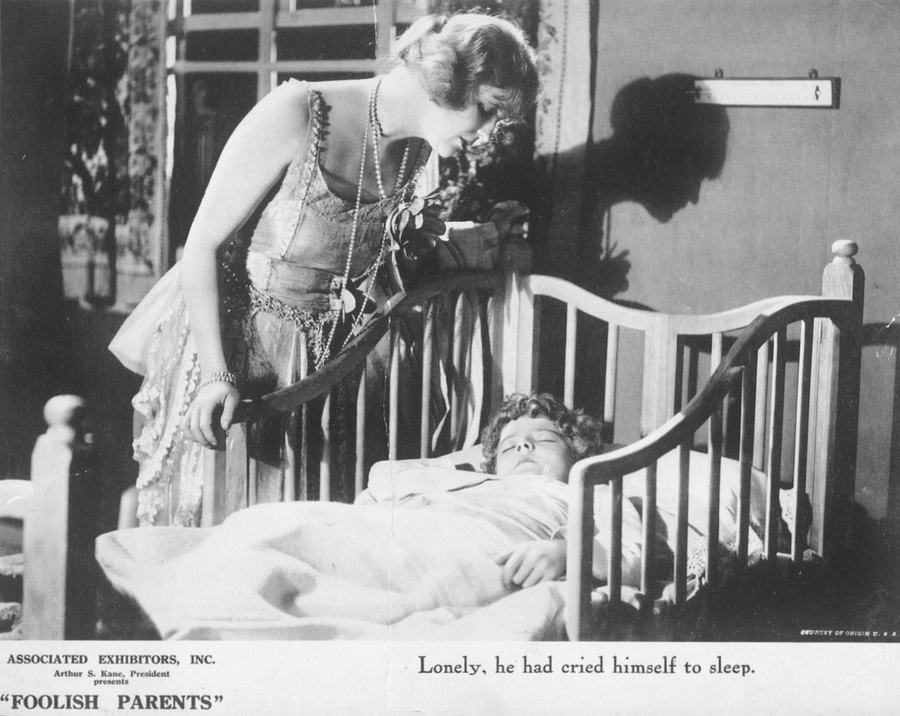
Comparing the cinematic DNA and archive impact of two defining moments in cult history.
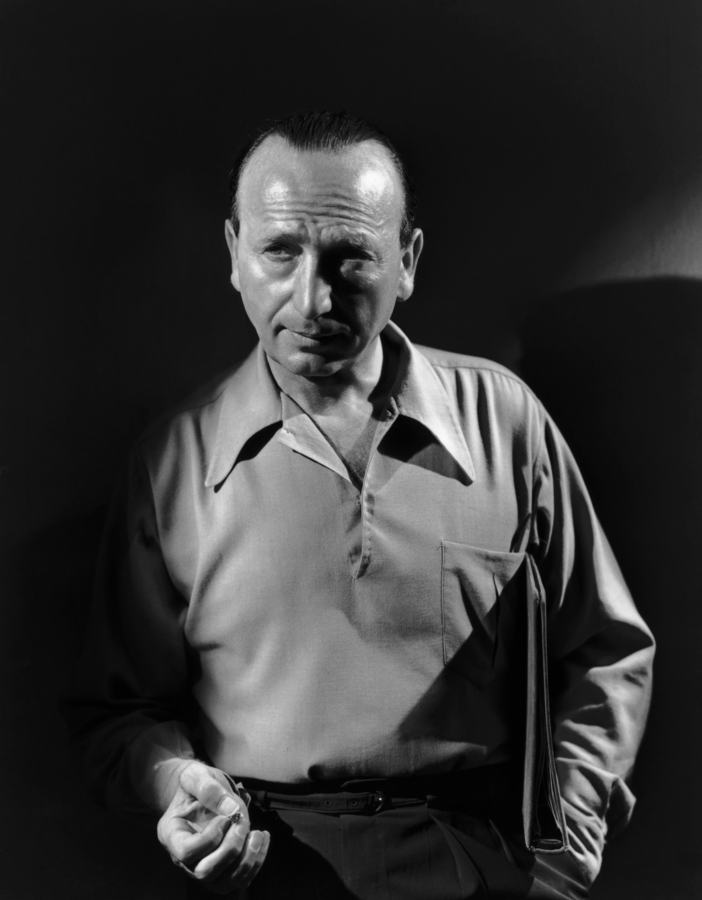
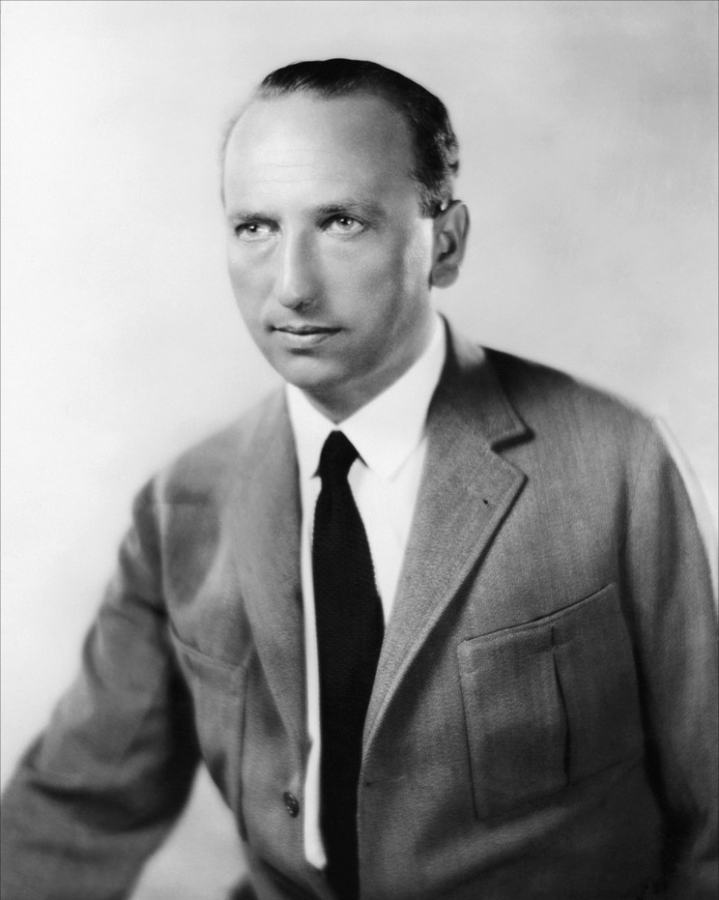
Michael Curtiz
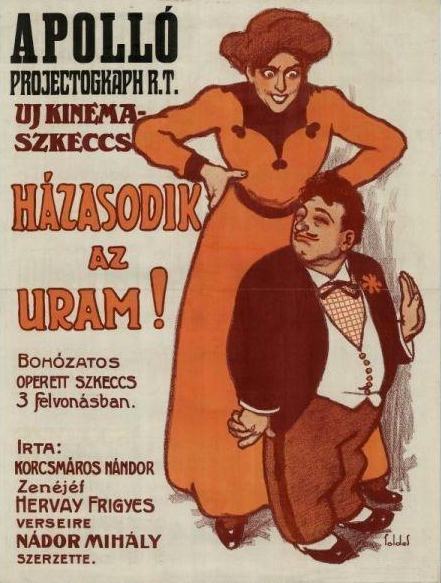
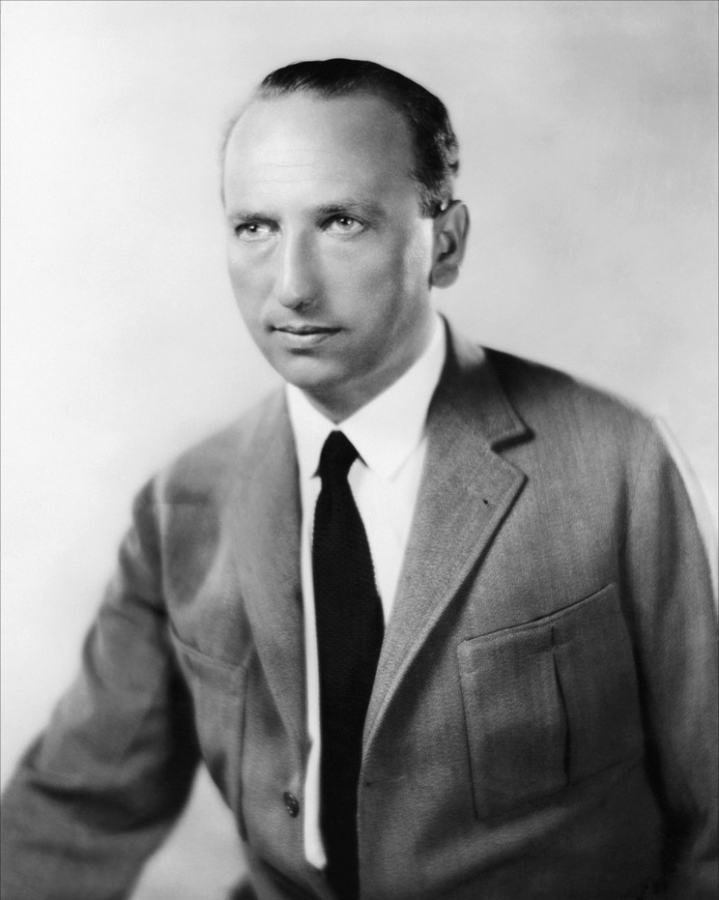
Michael Curtiz
Community
Log in to comment.
" Mrs. Tutti Frutti, directed with a chiaroscuro precision by Friedrich Porges, is a film that lingers in the mind like a half-remembered dream—a phantasmagoria of ambition and decay. Set in a world where the glitter of pre-war salons conceals the rot of moral compromise, the film dissects the psyche of its titular character, played with riveting vulnerability by Lucy Doraine. Her performance is a masterclass in physicality, each flick of her wrist, each arched eyebrow a cipher to a life l..."
Friedrich Porges
Austria
Deep dive into the cult classic
Discover similar cinematic experiences
A Directorial Spotlight on Michael Curtiz