DbcultAccessing Vault...
Cult Review
Senior Film Conservator
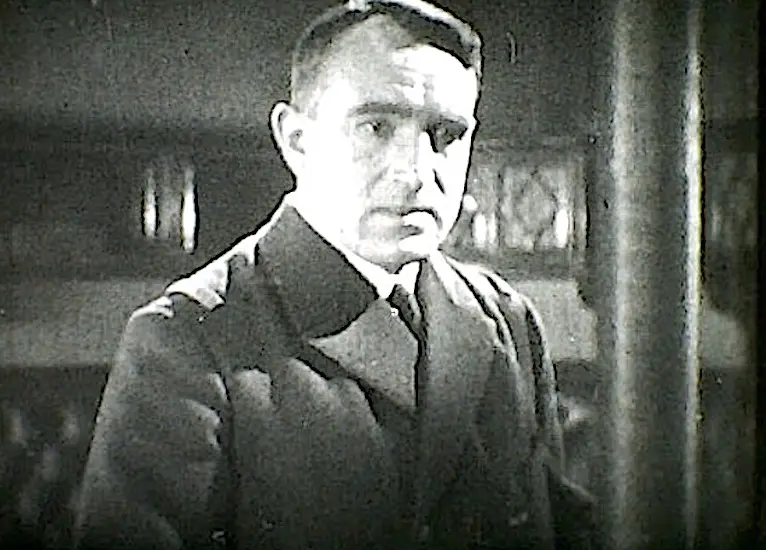
Is Jacques de Baroncelli’s 1927 silent film Feu! still relevant to a modern audience? Short answer: yes, but only if you view it as a historical artifact of colonial tension and early French cinematic ambition. This is not a film for those seeking the polished escapism of Hollywood’s Golden Age, but rather for the cinephile who wants to see the raw, dusty origins of the political thriller.
This film works because Dolly Davis brings a rare, gritty agency to a role usually reserved for male protagonists. This film fails because the third-act redemption arc feels rushed compared to the atmospheric buildup of the arms-dealing underworld. You should watch it if you appreciate the rugged realism of early location shooting and the brooding intensity of a young Charles Vanel.
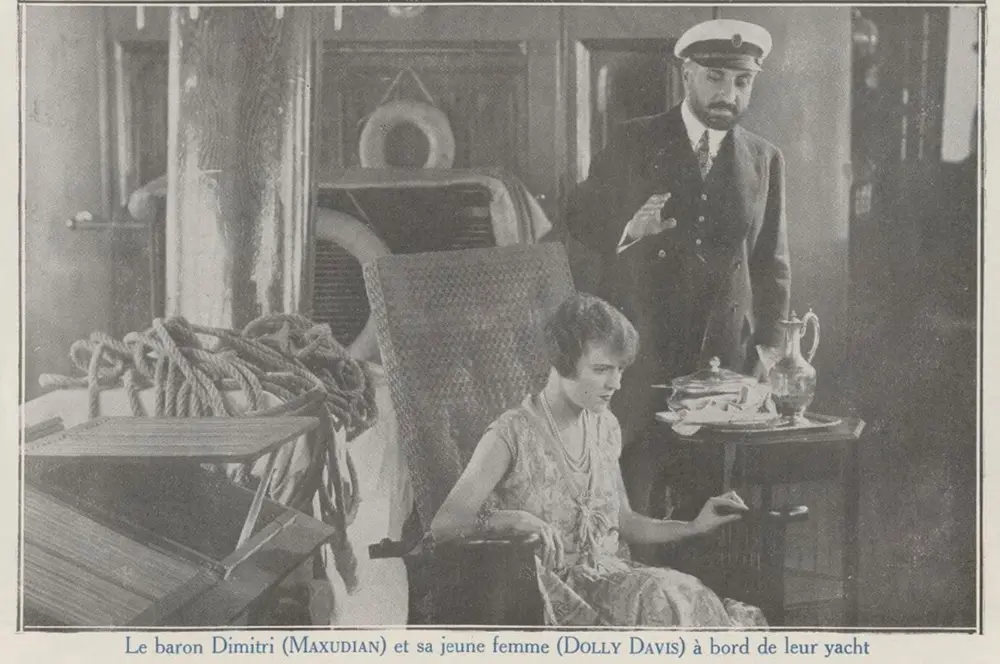
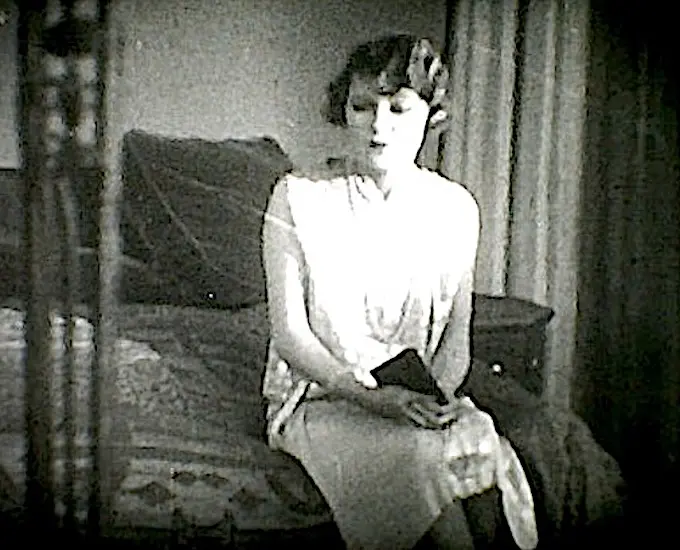
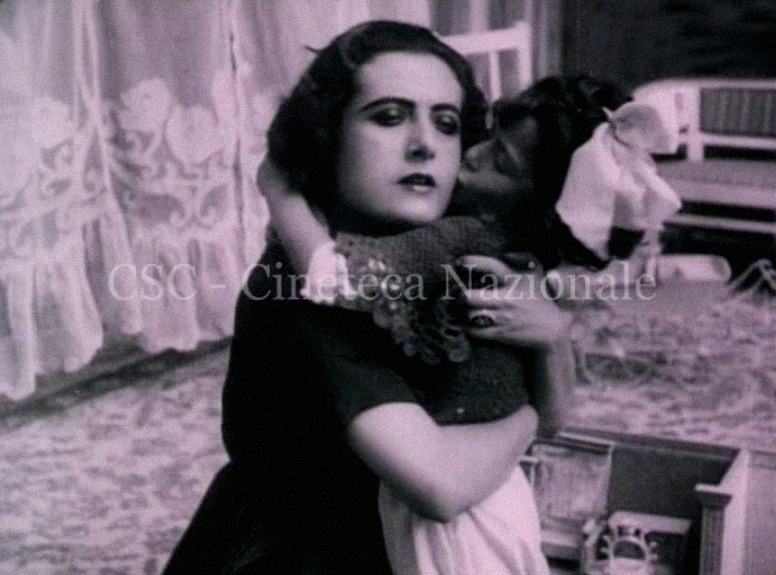
In the 1920s, female characters were often relegated to being either the virtuous ingenue or the destructive vamp. Feu! presents something far more interesting: a businesswoman. Granted, her business is the illicit trade of weaponry, but the film treats her logistics with a surprising level of detail. When we see Davis’s character overseeing the unloading of crates in the Moroccan heat, there is no soft focus or romantic lighting. She is a part of the machinery of war.
Compare this to the domestic struggles found in The Misfit Wife or the social climbing in Painted People. In those films, the stakes are interpersonal. In Feu!, the stakes are geopolitical. Davis doesn't play her character as a seductress; she plays her as a survivor. It’s a performance that feels decades ahead of its time. She is cold. She is efficient. She is eventually terrified by her own success.
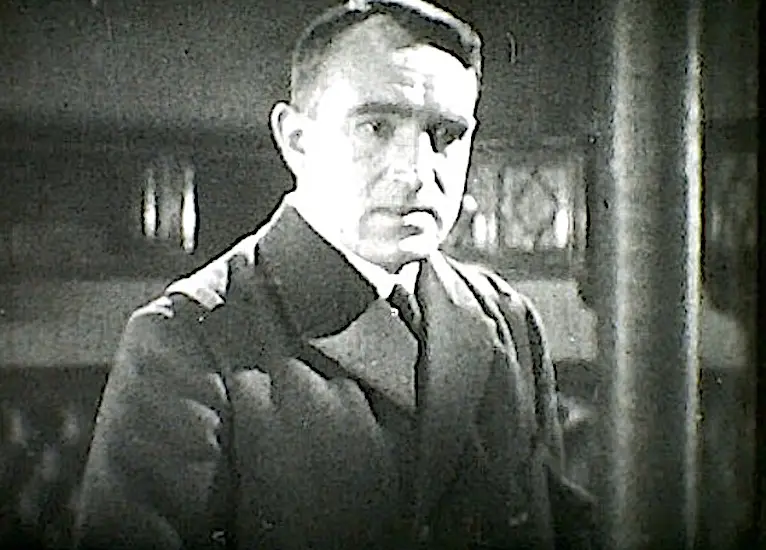
When Charles Vanel enters the frame, the movie changes. Known for his legendary longevity in French cinema, Vanel here possesses a youthful, almost frightening gravity. He is the "imposing man" who serves as the catalyst for the protagonist’s moral crisis. It is not just his physical stature, but the way Baroncelli frames him against the horizon. He represents the law, or perhaps just a different kind of order, that makes the protagonist's chaotic life of smuggling look small and dirty.
There is a specific scene in a crowded Moroccan marketplace where the two leads share a long, silent look. In a modern film, this would be filled with dialogue. Here, the tension is built through the edit. Baroncelli cuts between the sweating faces of the crowd and the stillness of the two leads. It is visceral. You can almost smell the dust and the gunpowder. Vanel doesn't have to do much; he simply exists, and the world around him seems to tighten.
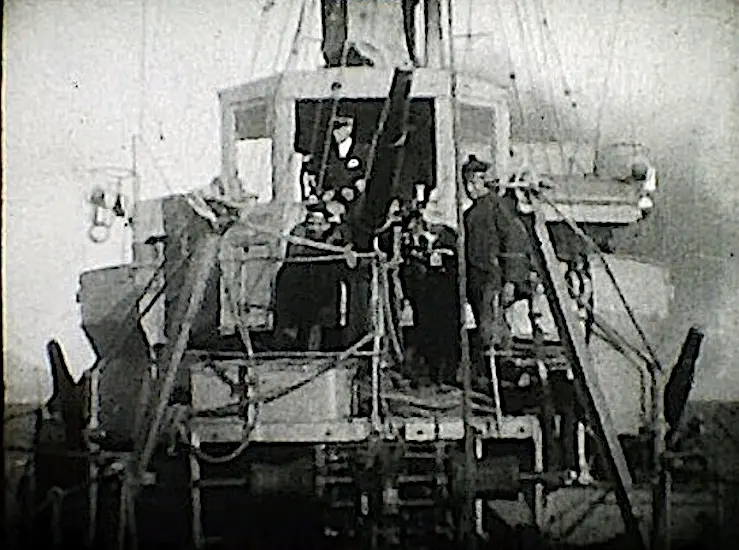
Jacques de Baroncelli was a director who understood that the environment is a character. While other films of the era like Sahara used the desert as a mere backdrop for melodrama, Baroncelli uses it as a trap. The cinematography captures the harshness of the North African sun, creating high-contrast images where shadows are pitch black and the sand is a blinding white. This isn't the soft, romantic desert of 'The Sheik'. This is a place where you die of thirst if you don't play your cards right.
The pacing of the film is deliberate. It doesn't rush to the action. Instead, it lets the tension simmer. We see the rebels, we see the French authorities, and we see the lady adventuress caught in the middle. The way Baroncelli handles the movement of the rebel groups is particularly impressive for 1927. There is a scale to the production that feels authentic, likely aided by the director's penchant for location shooting rather than relying solely on the studio lots of Paris.
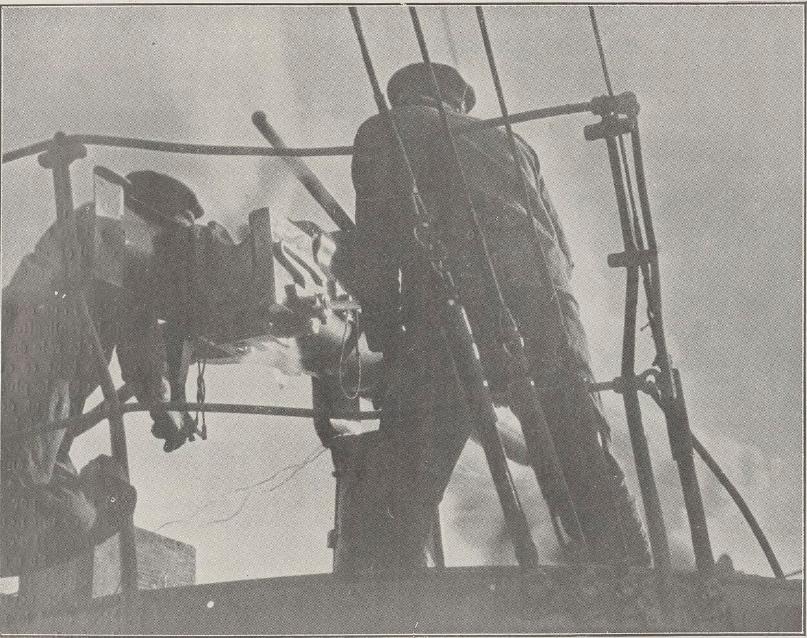
Yes, Feu! is worth watching for anyone interested in the evolution of the thriller genre. It provides a fascinating look at how silent cinema handled complex political themes before the arrival of synchronized sound. While the colonial attitudes of the time are present, the film's focus on a morally grey female lead makes it a unique entry in the silent canon.
The film is a masterclass in visual storytelling. Without the aid of dialogue, Baroncelli manages to convey a complex plot involving arms contracts, betrayal, and spiritual awakening. It is a testament to the power of the image. It works. But it’s flawed. The ending feels like a concession to the censors of the time, demanding a moral resolution that the rest of the film doesn't quite earn.
One unconventional observation: the film treats the weapons themselves with more reverence than the people. There are close-ups of rifles and ammunition that feel almost fetishistic. In a story about a woman trying to leave her past, the physical objects of that past—the cold steel of the guns—are filmed with a sharp, terrifying clarity. It’s as if Baroncelli is suggesting that while people can change, the tools of destruction remain permanent and indifferent.
"The desert doesn't care about her redemption. The guns don't care about her soul. Only the audience is left to wonder if she can ever truly be clean."
Pros:
The location shooting in Morocco adds a level of realism that was rare for 1927. The subversion of the "adventuress" trope provides a refreshing female lead. The cinematography by Louis Chaix is stark and memorable, especially in the outdoor sequences.
Cons:
The secondary characters, including some of the rebels, are thinly sketched. The transition from cynical arms dealer to a woman seeking a quiet life feels a bit abrupt. Some of the political nuances of the Riffian War context may be lost on modern viewers without background knowledge.
Feu! is a fascinating, if occasionally uneven, journey into the heart of the Moroccan desert. It stands as a bridge between the theatricality of early silent film and the psychological realism that would define French cinema in the 1930s. While it shares some DNA with other silent adventures like Pilgrims of the Night, its focus on the illicit arms trade gives it a harder edge. It’s a film about the weight of the past and the impossibility of a clean break. It isn't a masterpiece in the traditional sense, but it is a vital, breathing piece of cinema history that deserves a spot in the conversation of great silent-era thrillers. The desert may be silent, but Baroncelli’s vision speaks volumes.
IMDb —
1920
Community
Log in to comment.