DbcultAccessing Vault...
Cult Review
Senior Film Conservator
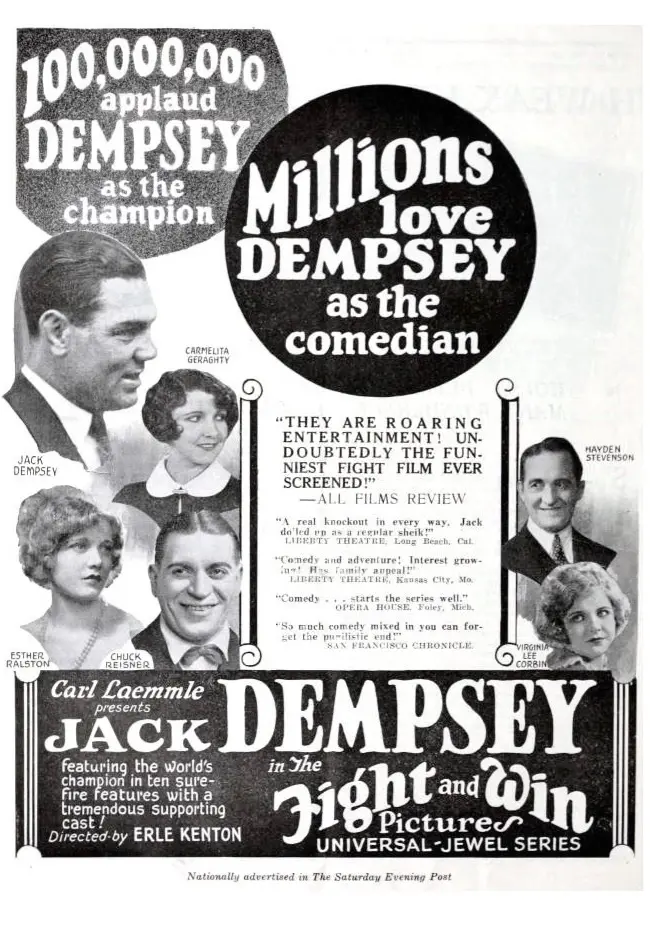
The year 1924 stood at a precipice of cultural transformation, and few figures embodied the zeitgeist of American vitality quite like Jack Dempsey. In Fight and Win, we witness a fascinating intersection of sport and art, a moment where the 'Manassa Mauler' stepped out of the smoke-filled arenas and into the flickering light of the nickelodeon. This isn't merely a sports film; it is a structural experiment in episodic storytelling that predates the modern franchise model, utilizing the sheer physical presence of a global icon to anchor a narrative of redemption and grit.
Dempsey’s performance is characterized by a surprising lack of artifice. Unlike many of his contemporaries who leaned into the histrionic gestures of silent-era acting, Dempsey maintains a stoic, almost brooding intensity. This groundedness provides a sharp contrast to the high-energy antics of supporting players like Edgar Kennedy and George Ovey. While The Little Fool might have relied on whimsical charm, 'Fight and Win' demands a visceral authenticity that only a man who has truly felt the sting of a left hook could provide. The camera lingers on Dempsey’s face, capturing the weariness of a fighter who understands that the hardest battles are often fought outside the ropes.
The writing by Gerald Beaumont and Scott Darling avoids the saccharine pitfalls common in early cinema. There is a lean, muscular quality to the script that mirrors the protagonist's physique. We see echoes of this narrative economy in works like The Whistle, where the focus remains squarely on the human cost of labor and ambition. In 'Fight and Win', the boxing matches are not just spectacles; they are metaphors for the socio-economic struggles of the post-war working class.
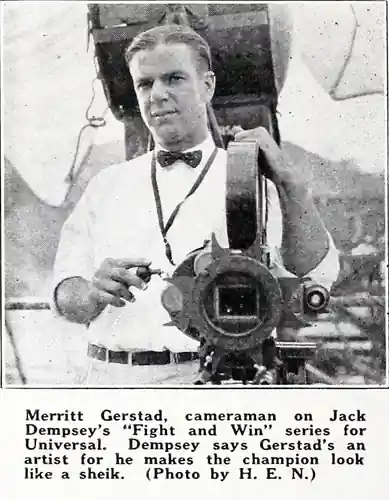
Technically, the film utilizes the limited technology of the mid-20s to create a surprisingly atmospheric experience. The cinematography emphasizes the chiaroscuro of the gymnasiums and the stark, unforgiving light of the arena. This visual language creates a sense of claustrophobia, suggesting that the protagonist is trapped by his own success. It’s a far cry from the expansive, rugged vistas found in The Alaskan, yet it possesses a similar sense of environmental hostility. Here, the 'wilderness' is the concrete jungle of the city, a place where predators wear three-piece suits instead of fur.
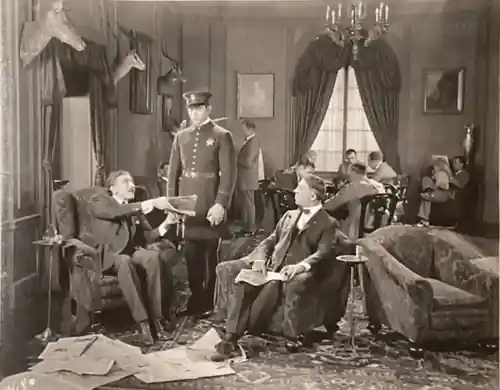
"The genius of 'Fight and Win' lies in its refusal to romanticize the violence of the ring, choosing instead to document the quiet, agonizing moments of preparation and the hollow echoes of victory."
The inclusion of Beatrice Burnham and Esther Ralston provides a necessary emotional counterpoint to the testosterone-fueled world of the gym. Their presence introduces a layer of vulnerability and domestic stakes that elevate the film beyond a simple sports chronicle. Much like the romantic tensions explored in Her First Kiss, the interactions here are fraught with the unspoken anxieties of the era—the fear of loss, the desire for stability, and the pursuit of a legacy that isn't written in blood.
When examining the broader context of the 1920s filmography, 'Fight and Win' stands as a sturdy pillar of the 'hero's journey' archetype. If we look at A Gentleman from Mississippi, we see a focus on political integrity; conversely, Dempsey’s film focuses on physical and moral integrity. Both films deal with the corruption of systems, but 'Fight and Win' does so with a staccato rhythm that feels more modern, more urgent. The pacing is relentless, mirroring the 12-round structure of a championship fight, ensuring the audience never feels the stagnation that sometimes plagues silent dramas like Robinson Crusoe Hours.
The supporting cast is a veritable who's who of silent era character actors. Frank Hagney and Pat Harmon bring a menacing physicality to the screen, serving as formidable obstacles for our hero. Their performances are balanced by the veteran presence of Otto Lederer and Louise Carver, who anchor the film’s more grounded, familial moments. This ensemble approach reminds one of the rich character work in The Halfbreed, where the social hierarchy is clearly defined by the players on the screen.
The choreography of the boxing matches in 'Fight and Win' is revelatory for its time. Rather than static wide shots, the direction employs a variety of angles that place the viewer inside the ring. You can almost smell the resin and the sweat. This immersion is a precursor to the kinetic camera work we would later see in the sound era. It shares a certain stylistic DNA with The Bargain, which utilized the rugged terrain of the West to define its characters' struggles; here, the ring is the terrain, and every corner is a sanctuary or a trap.
The film also delves into the psychology of fame. We see the protagonist grappling with the same pressures that would later be explored in The Career of Katherine Bush—the idea that rising in the world requires shedding one’s former self. Dempsey’s character is haunted by the simplicity of his past, a theme that resonates deeply in a decade that was hurtling toward the Great Depression. The 'Golden Dreams' of the title might be reachable, but as Golden Dreams itself suggests, they often come at a staggering price.
As we deconstruct 'Fight and Win', it becomes clear that this is more than a historical curiosity. It is a document of a man who was the living embodiment of an era’s aspirations. The film’s ability to weave together the disparate threads of athletic prowess and narrative drama is a feat that few modern sports films achieve with such unadorned honesty. It lacks the cynicism of Blind Man's Holiday or the swashbuckling levity of Devil McCare. Instead, it offers a somber, triumphant reflection on what it means to prevail.
In the final analysis, the film’s power lies in its simplicity. It doesn't need the ornate trappings of Her Five-Foot Highness or the melodramatic flourishes of Nan of Music Mountain. It relies on the primal language of the body in motion. When Jack Dempsey looks into the camera, he isn't just playing a role; he is challenging the audience to witness the reality of his existence. It is a bold, uncompromising piece of cinema that remains as impactful today as it was a century ago. It reminds us that whether in the ring or on the screen, the only way to survive is to keep moving forward, to endure the blows, and ultimately, to fight and win.
The exploration of the 'underdog' trope in this film also provides a fascinating parallel to In Bad, though with a much more serious tone. Where other films might have played the 'struggling athlete' for laughs or light drama, Darling and Beaumont treat the subject with the reverence of a Greek tragedy. This elevates the entire production, making it a mandatory viewing for anyone interested in the evolution of the American hero on screen. The silent screams of the crowd, the rhythmic swaying of the fighters, and the final, inevitable knockout all coalesce into a symphony of cinematic power that refuses to be forgotten.
IMDb —
1916
Community
Log in to comment.