DbcultAccessing Vault...
7.1/10
Senior Film Conservator
A definitive 7.1/10 rating for a film that redefined the boundaries of cult cinema. Fight for the Matterhorn remains a cornerstone of transgressive art.
If you get dizzy looking off a high balcony, parts of Fight for the Matterhorn are going to be genuinely hard to sit through. Is it worth watching today? Yeah, absolutely, but mostly for the sheer 'how are they not dead?' factor. If you like seeing people do incredibly dangerous things in wool sweaters and leather boots, you’ll love it. If you need a tight, fast-paced plot, you’ll probably find yourself checking your phone during the long, static shots of the base camp.
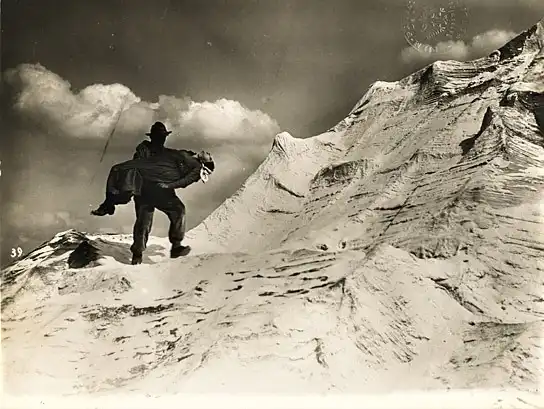
There is this one shot early on where the camera just hangs over a ledge, looking straight down a sheer rock face. It’s grainy and flickering, but the lack of depth perception makes it feel even more like a bottomless pit. You can tell they weren't using a green screen. They were just... there. It has that raw, physical energy you see in something like Dynamite Dan, where the physicality of the performer is the whole point of the scene.
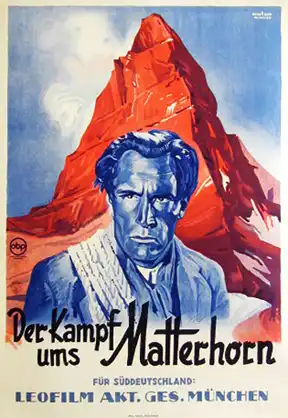
Luis Trenker is the main draw here, and he has a face that looks like it was carved out of the mountain he’s trying to climb. He plays Jean-Antoine Carrel with this weird, brooding intensity. There’s a moment where he’s just staring at the summit, and he doesn't blink for what feels like a full minute. It’s supposed to show his obsession, but it also makes him look slightly unhinged. You get the feeling Carrel would probably push his own mother off a cliff if it meant getting ten feet closer to the top.
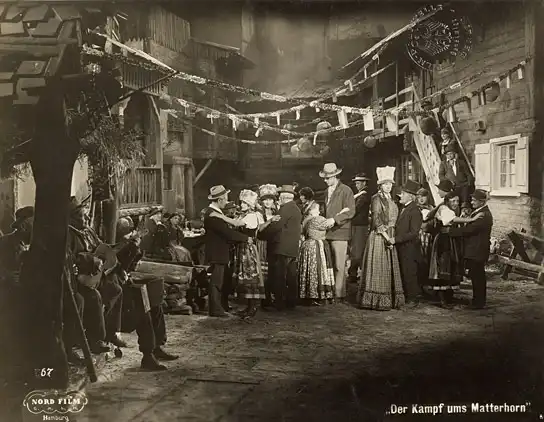
The rivalry between Carrel and the Englishman, Edward Whymper (played by Paul Graetz), is where the movie tries to find its emotional hook. It’s okay, I guess. Whymper wears these ridiculously high-waisted trousers and always looks a bit too clean for someone sleeping on a glacier. Their interactions are stiff, even for a silent film. When they meet in the village, the editing is a bit jumpy—one second they’re standing five feet apart, the next they’re practically nose-to-nose because of a weird cut that skips a few frames of movement.
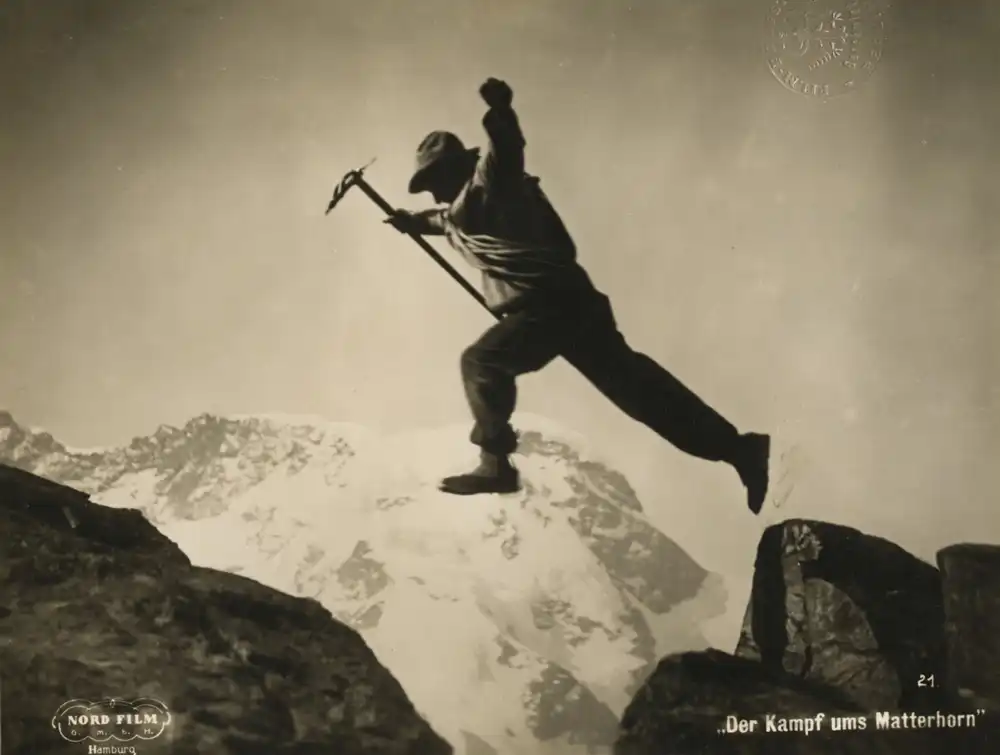
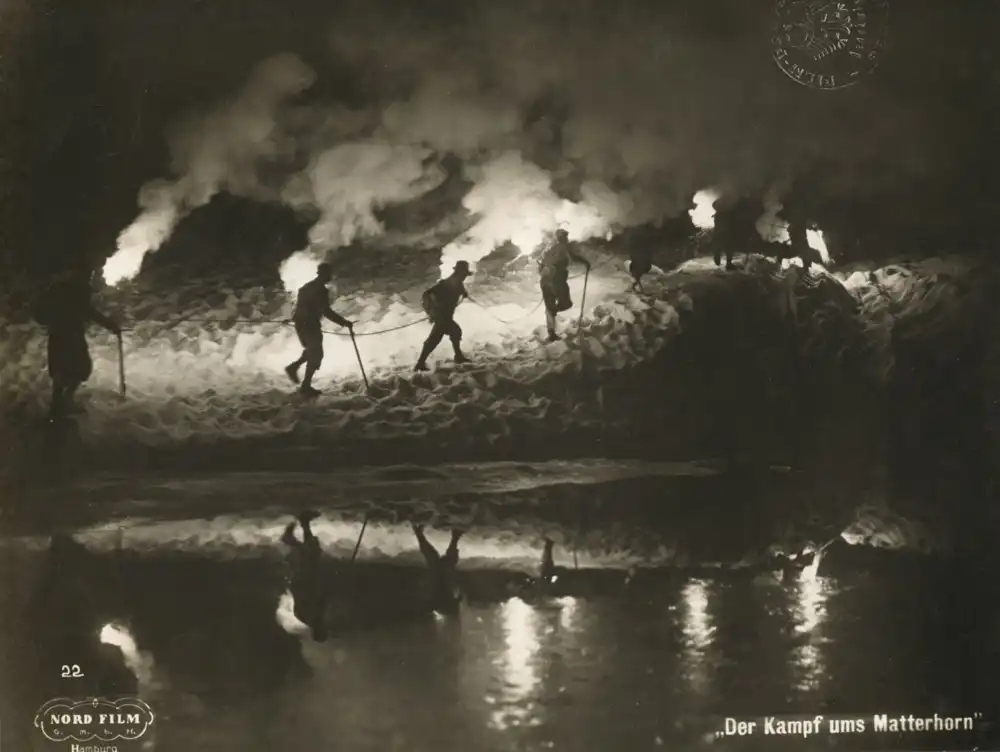
I found myself obsessed with the gear. They’re using these thin, hemp-looking ropes that look like they’d snap if you used them to tie down a Christmas tree, let alone hold the weight of four grown men. There’s a scene where they’re hammering pitons into the rock, and the sound is obviously missing because it’s silent, but you can almost hear the metallic 'clink' in your head. It’s slow. The movie isn't in a hurry. It spends a lot of time just showing the process—the shivering, the heavy breathing (which you see in the exaggerated rise and fall of their shoulders), and the way they have to test every single handhold.
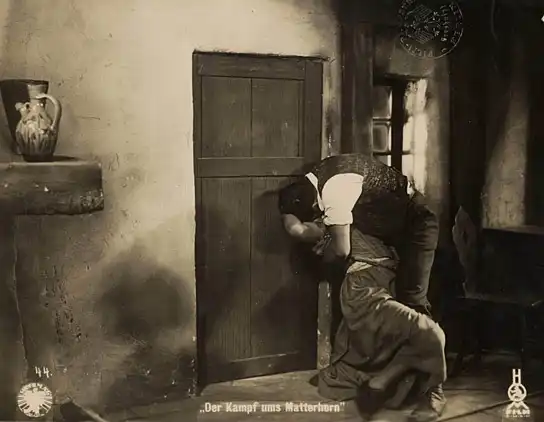
The pacing gets a bit wonky in the middle. There’s a subplot involving a woman (Marcella Albani) that feels like it was dropped in from a completely different, much more boring movie. Every time the camera leaves the mountain to go back to the village for some 'drama,' the energy just dies. You just want to get back to the ice. It reminds me of the tonal shifts in Prohibition, where the social message sometimes gets in the way of the actual grit of the story.
Then there’s the descent. Without spoiling the history, because this is based on the 1865 disaster, the mood shifts from 'triumphant sports movie' to 'horror film' very fast. The way the rope breaks is filmed in a way that’s almost too simple. No slow motion, no dramatic music cues—just a snap and people falling away into the mist. It’s haunting because it’s so matter-of-fact. The camera stays on the survivors' faces, and for once, the over-the-top silent acting actually works. The horror is in the eyes.
One weird detail: there’s a dog in some of the base camp scenes that looks completely unimpressed by everything. While the humans are crying and pointing at the mountain, the dog is just sniffing a rock in the background. It’s the most relatable thing in the movie.
The film ends on a note that feels heavy but a little abrupt. It doesn't give you a clean 'the end' feeling. You’re just left with the image of this giant, indifferent rock that doesn't care who climbed it or who died trying. It’s a bit bleak, but then again, that’s Arnold Fanck’s whole thing. He doesn't make 'fun' movies; he makes movies about how small people are compared to nature. If you can handle the 1920s pacing and the occasionally melodramatic arm-waving, the sheer scale of the cinematography makes it a solid watch on a Sunday afternoon.
IMDb 5.8
1919
Community
Log in to comment.