DbcultAccessing Vault...
8.2/10
Senior Film Conservator
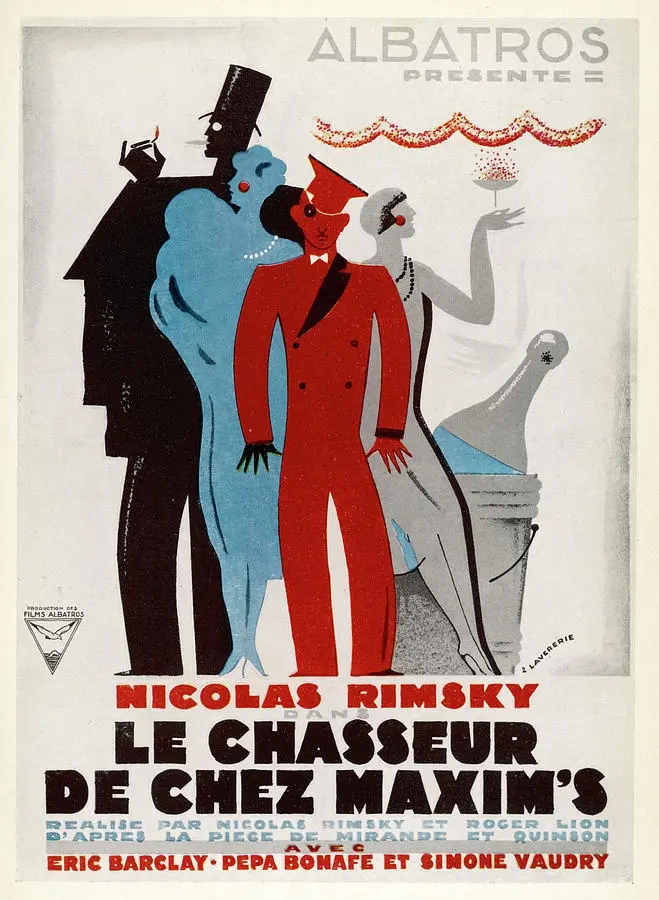
A definitive 8.2/10 rating for a film that redefined the boundaries of cult cinema. Le chasseur de chez Maxim's remains a cornerstone of transgressive art.
Is Le chasseur de chez Maxim's worth your time in the age of high-speed digital streaming? Short answer: Yes, but only if you have an appetite for the frantic, rhythmic machinery of French silent farce. It is a film that demands you pay attention to the subtle shifts in body language rather than just the title cards.
This film is specifically for those who find beauty in the 'clockwork' style of comedy, where timing is more important than the plot itself. It is definitely NOT for viewers who require high-octane action or those who have little patience for the exaggerated physical theater of the 1920s. It’s a period piece that feels like a caffeinated dream of a lost Paris.
1) This film works because of its relentless pacing and the way it visualizes the psychological exhaustion of maintaining a secret identity.
2) This film fails because the secondary characters, particularly the family members, are often reduced to two-dimensional obstacles rather than fully realized people.
3) You should watch it if you enjoy seeing the DNA of modern sitcoms—like the 'double-booked' trope—executed with pure, silent-era craftsmanship.
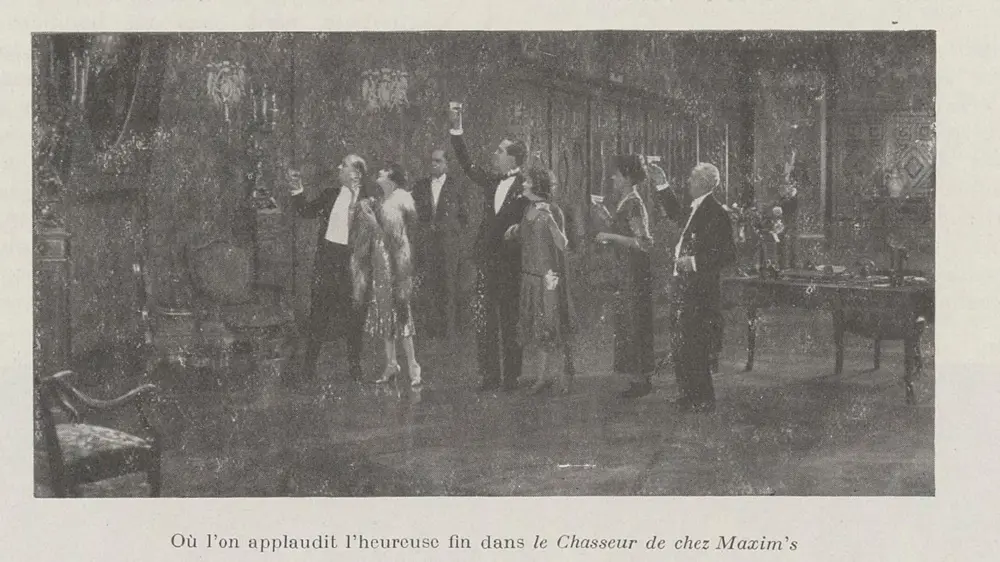
The film centers on Julien, played with a frantic, twitchy energy by Max Lerel. His performance is a study in physical anxiety. In one particular scene, Julien is seen transitioning from his morning coffee to his evening attire. The way his shoulders drop and his eyes sharpen as he puts on the uniform of the 'chasseur' tells us more about the character's internal relief than any dialogue could. For Julien, the home is a stage where he plays a part, while the chaotic nightclub is where he truly breathes.
This duality mirrors the social anxieties of the post-war era. During the day, France wanted stability; at night, it wanted to forget everything. Unlike the more somber tones found in Disraeli, this film chooses to weaponize its social commentary through laughter. It suggests that the 'normal' life is the real mask, and the 'bohemian' life is the truth. It’s a cynical take, but a compelling one.
Max Lerel’s performance is nothing short of athletic. He doesn't just act; he vibrates. There is a sequence halfway through the film where Julien is nearly caught by a family acquaintance at the club. The physical comedy involved in him hiding behind a champagne bucket while simultaneously directing a group of dancers is a masterclass in spatial awareness. It reminds me of the domestic tensions seen in Training for Husbands, but with the stakes raised to a fever pitch.
The supporting cast, including Lou Davy and Olga Day, provide the necessary friction. While they aren't given the same depth as Lerel, their presence creates the 'walls' of the maze Julien is running through. Every time a family member enters the frame, the camera tightens, creating a sense of claustrophobia that contrasts sharply with the wide, expansive shots of the Maxim's dance floor. It works. But it's flawed in its repetition.
The cinematography in Le chasseur de chez Maxim's is surprisingly sophisticated for 1927. The directors use lighting to differentiate the two worlds. The domestic scenes are flooded with flat, high-key light, making the home feel sterile and perhaps a bit boring. In contrast, the night-club scenes are filled with deep shadows, shimmering sequins, and the hazy atmosphere of cigarette smoke. It creates a visual 'lure' that explains why Julien is so drawn to the night.
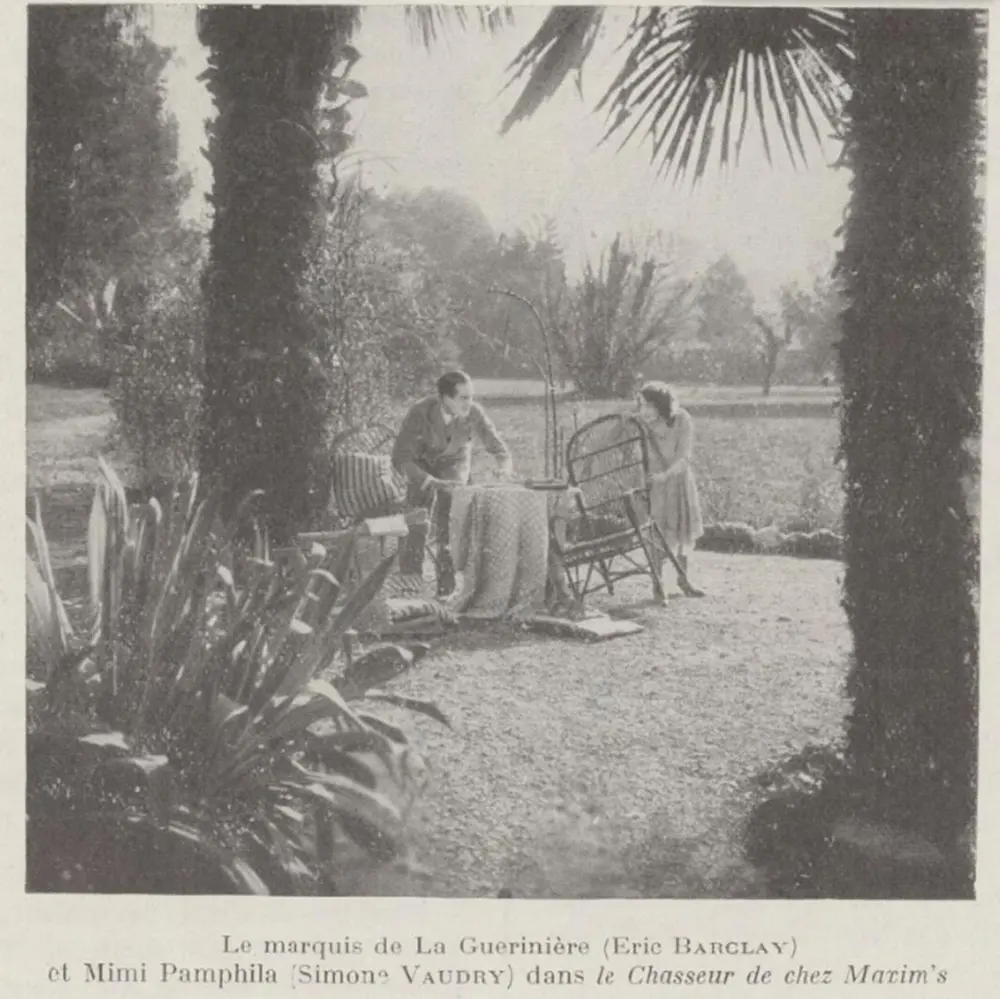
Consider the scene where Julien walks through the velvet curtains of the club for the first time in the film. The camera lingers on the textures—the gold braid, the silk, the glass. It’s a sensory overload that makes the viewer understand the addiction to bohemia. This isn't just a job for him; it's a sensory escape. This visual storytelling is much more effective than the somewhat melodramatic approach in Soul Mates.
It is impossible to discuss this film without mentioning the writing credits. With Max Linder involved in the script, the film possesses a DNA of sophisticated slapstick. Linder was the king of the 'dapper' comedy, and his influence is felt in how Julien maintains his dignity even while falling over. There is a specific rhythm to the gags—a setup, a brief pause for the audience to realize the danger, and then a rapid-fire execution.
This 'Linder-esque' touch elevates the film from a standard bedroom farce to something more enduring. It’s about the struggle to remain a 'gentleman' while the world around you is spinning into chaos. While it lacks the raw emotional weight of something like The Silence of Dean Maitland, it compensates with sheer, unadulterated energy. It is a film that refuses to stand still.
Yes, Le chasseur de chez Maxim's is worth watching because it serves as a vibrant time capsule of 1920s French culture and comedic timing. It offers a rare glimpse into the 'Années folles' (the crazy years) through the lens of a man caught between two social classes. Modern audiences will find the physical comedy surprisingly relatable, especially the theme of balancing a work-life identity. It is a fast-paced, visually engaging experience that transcends its silent-era limitations.
Pros:
Cons:
Le chasseur de chez Maxim's is a spirited, if slightly lopsided, comedic engine. It doesn't aim for the heart; it aims for the funny bone and the eyes. While it may not have the philosophical depth of some of its contemporaries, its dedication to the 'bit' is admirable. It is a film about the masks we wear to survive society, and it wears its own mask of comedy with great style. If you can forgive the dated social dynamics, you will find a film that is as bubbly and intoxicating as the champagne it frequently features. It is a solid, entertaining piece of cinema history that proves some anxieties—like the fear of being caught in a lie—are truly timeless.

IMDb —
1926
Community
Log in to comment.