DbcultAccessing Vault...
Cult Review
Senior Film Conservator
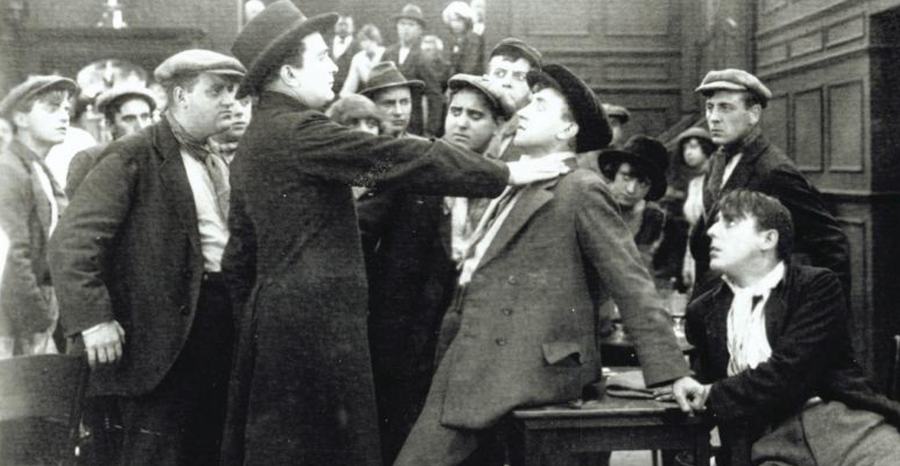
The cinematic landscape of early 20th-century drama often served as a stark mirror reflecting the rigid social hierarchies and the moral quandaries inherent in a world undergoing rapid transformation. Magdalene, a film whose narrative threads are woven with the bitter fabric of dependency and deceit, stands as a poignant testament to these enduring themes. It is a story not merely of plot points, but of the subtle, corrosive erosion of personal agency in the face of overwhelming external pressures. Our protagonist, Magdalene, is introduced to us not as a mistress of her own destiny, but as a companion, a role that, while affording her a semblance of security within the affluent household of Mrs. Kent, simultaneously defines and limits her existence. Her life is a carefully choreographed dance around the expectations and whims of others, a constant negotiation of her own desires against the dictates of her station.
The initial layers of Magdalene's predicament are peeled back to reveal her engagement to Walter Bertram, a character who embodies the seductive allure of superficial charm masking a core of profound moral bankruptcy. Bertram is presented as a 'selfish player,' a descriptor that, in its brevity, nonetheless conjures a vivid image of a man driven by immediate gratification and a callous disregard for the welfare of those around him. His gambling debts, a narrative device as old as storytelling itself, serve as the catalyst for the unfolding tragedy, threatening to dismantle the already fragile edifice of Magdalene's life. The weight of these debts is not merely financial; it is a burden that implicates Magdalene, drawing her into a vortex of desperation that she is ill-equipped to navigate independently. Her very engagement, once perhaps a beacon of hope for an elevated status, morphs into a gilded cage, trapping her with a man whose recklessness jeopardizes everything.
The film's central dramatic pivot arrives with Magdalene's desperate appeal to Mr. George Kent, the young scion of the estate. Her plea for a substantial sum, intended to extricate Walter from his self-inflicted quagmire, is met with an uncompromising refusal. This moment is crucial, for it not only underscores Magdalene's profound vulnerability but also highlights the stark power dynamics at play. Is George Kent's refusal born of principle, a cold pragmatism, or perhaps a deeper, unspoken understanding of Walter's true character? The film, through its silent narrative, invites us to ponder these ambiguities, leaving the audience to grapple with the motivations behind such a pivotal decision. This refusal is not merely a denial of funds; it is a denial of hope, a brutal confirmation of Magdalene's powerlessness in a system designed to maintain the status quo.
The ensemble cast, though operating within the expressive confines of the silent era, undoubtedly brought these complex characters to life with compelling intensity. Stella Lind, likely cast as Magdalene, would have been tasked with conveying a spectrum of emotions – from quiet resignation to burgeoning despair – through nuanced facial expressions and gestures. Her ability to project inner turmoil without spoken dialogue would have been paramount in eliciting audience sympathy for her character's plight. Her Magdalene would need to be a figure of delicate strength, a woman caught between her emotional attachments and the harsh realities of her world. One might draw parallels between Lind’s potential portrayal of a woman navigating treacherous personal and social terrain and the compelling performances seen in films like Garden of Lies, where characters often wrestle with hidden truths and the facades they present to society.
Jon Iversen, perhaps embodying the morally ambiguous Walter Bertram, would have faced the challenge of making a 'selfish player' both charming enough to ensnare Magdalene and despicable enough to justify his eventual downfall. His performance would rely on a masterful blend of superficial charisma and underlying desperation, making his character's recklessness palpable. The subtle shift from suave suitor to desperate gambler would be a critical element of his portrayal, echoing the kind of dramatic arcs found in narratives of moral decay, not unlike the destructive spirals depicted in works such as John Barleycorn, which often explore the ruinous consequences of vice.
Viggo Larsen, potentially cast as the stoic Mr. George Kent, would have needed to convey authority and perhaps a detached sense of justice. His refusal of Magdalene’s plea would require a performance that balances sternness with an underlying, perhaps even sympathetic, understanding of the larger implications. His character serves as a fulcrum, a representative of the established order that Magdalene attempts to bend, only to find it unyielding. And Svend Bille, likely in the role of Mrs. Kent, would have lent gravitas and perhaps a touch of formidable matriarchal presence, subtly influencing the social climate within which Magdalene operates. The dynamics between these characters, conveyed through gesture, glance, and the carefully composed tableau of silent film, would have been essential to the film's emotional resonance.
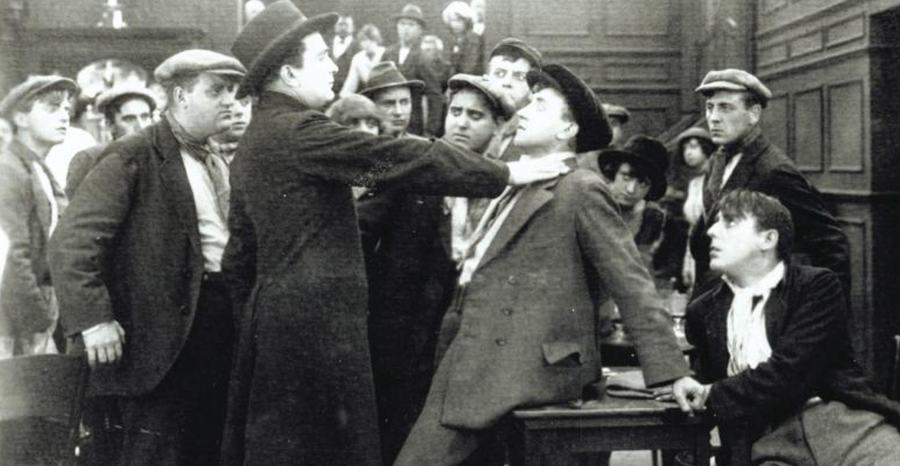
Beyond the immediate narrative, Magdalene delves into a rich tapestry of thematic concerns that were particularly pertinent to its era. The most striking of these is the pervasive influence of class structure. Magdalene's position as a companion highlights the precariousness of those who exist in the liminal spaces between social strata, dependent on the benevolence of their benefactors. Her inability to secure funds independently underscores the economic disenfranchisement of women, particularly those without inherited wealth or a powerful male protector. This theme resonates deeply with other films of the period, such as The Defeat of the City, which often explored the struggles of individuals against the overwhelming forces of urban life and social stratification.
The film also provides a searing commentary on gender roles and agency. Magdalene's efforts to save Walter, a man who consistently proves unworthy of her loyalty, are emblematic of the societal expectation for women to sacrifice their own well-being for the sake of their male counterparts. Her limited options, culminating in a desperate appeal to George Kent, vividly illustrate the constricted choices available to women, even those with good intentions. Her failure to secure the funds is not just a personal setback; it is a systemic indictment, revealing how a woman's fate was often inextricably linked to the decisions and fortunes of the men in her life. This aspect of the narrative shares a thematic kinship with works like Irish Eyes or Price of Treachery; Or, The Lighthouse Keeper's Daughter, where female protagonists often find themselves in morally compromising situations due to the actions of others.
The corrosive power of gambling debts and financial ruin forms the backbone of the plot's tension. Walter Bertram's addiction is not merely a character flaw; it is a destructive force that threatens to consume not only himself but also Magdalene. The film meticulously charts the escalating desperation that accompanies such financial precarity, forcing characters into impossible moral dilemmas. The refusal of George Kent to provide the funds, while seemingly harsh, could also be interpreted as a pragmatic stance against enabling destructive behavior, highlighting the ethical complexities surrounding financial aid. The film's exploration of this theme could be compared to the poignant narratives of loss and despair found in films like Topiel, where characters are often submerged by forces beyond their control.
As a likely product of the silent era, Magdalene would have relied heavily on visual storytelling, expressive acting, and the judicious use of intertitles to convey its intricate narrative and emotional depth. The cinematography, even if technically rudimentary by modern standards, would have been crucial in establishing mood and atmosphere. Close-ups would have accentuated the nuanced performances of Lind and Iversen, allowing the audience to glimpse the raw emotions hidden beneath the characters' polite exteriors. The mise-en-scène – the arrangement of sets, props, and costumes – would have subtly communicated the characters' social standing and the oppressive weight of their circumstances. The dimly lit drawing rooms, the opulent yet stifling environments, all contribute to a sense of entrapment that mirrors Magdalene's internal state. This visual poetry, so characteristic of the period, is what elevates films like Az utolsó bohém, turning simple narratives into profound experiences.
The film's exploration of moral ambiguities and the intricate dance between individual choice and societal constraint makes it a compelling piece of cinematic history. It forces the audience to confront uncomfortable truths about human nature – the capacity for both loyalty and betrayal, the fragility of reputation, and the enduring struggle for self-determination. The lack of an immediate resolution or a simplistic happy ending would have lent the film a powerful, lingering quality, inviting viewers to reflect on the broader implications of Magdalene's journey. Like the intricate psychological dramas of The Mysteries of Myra, though perhaps less supernatural, Magdalene unravels the complexities of human motivation and the hidden forces that shape our destinies.
Ultimately, Magdalene is more than just a period drama; it is a timeless exploration of the human spirit under duress. It speaks to the universal experience of being caught between duty and desire, between the expectations of others and the silent cries of one's own heart. The film, through its compelling narrative and the implied emotional depth of its performances, offers a stark reminder of the sacrifices demanded by love, the consequences of reckless ambition, and the enduring quest for dignity in a world often indifferent to individual suffering. Its silent frames echo with a powerful, unspoken narrative, inviting contemporary audiences to engage with its profound questions about morality, class, and the elusive nature of true freedom. The film stands as a testament to the enduring power of early cinema to tackle complex social issues with nuance and emotional heft, carving out its own significant space in the annals of dramatic storytelling, much like other powerful narratives of its time, such as Nattliga toner, which similarly delved into the human psyche with artistic sensitivity.
IMDb 7.2
1922
Community
Log in to comment.