DbcultAccessing Vault...
5.2/10
Senior Film Conservator
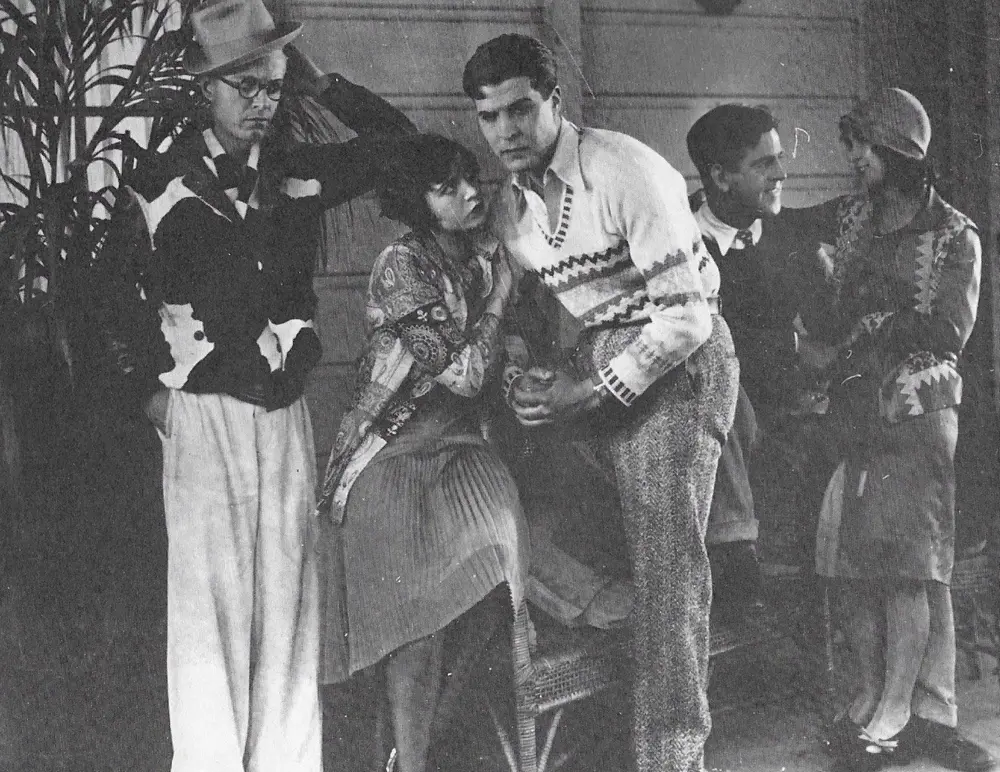
A definitive 5.2/10 rating for a film that redefined the boundaries of cult cinema. Fighting to Win remains a cornerstone of transgressive art.
Is Fighting to Win a film that deserves a revisit in the modern era? Short answer: yes, but with significant caveats that demand a particular kind of cinematic palate. This is a film for those who appreciate the raw, unvarnished grit of classic B-pictures and the earnest struggles of the human spirit, rather than polished narratives or groundbreaking technical prowess. It is decidedly not for viewers seeking intricate character studies, sophisticated visual storytelling, or a fast-paced, contemporary action experience.
Rob Wagner's 1930s boxing drama, Fighting to Win, starring Churchill Ross as the beleaguered 'Battling' Ben Carter, attempts to deliver a powerful message about resilience against systemic corruption. While its heart is undoubtedly in the right place, and its lead performance carries a surprising weight, the film often stumbles under the weight of its own ambition and the limitations of its production.
This film works because: Its central performance by Churchill Ross imbues the underdog narrative with genuine pathos, making Ben Carter a character worth rooting for despite the film's structural weaknesses. The raw, almost documentary-like feel of the boxing sequences, though dated, possesses a certain visceral honesty that contemporary fight films often miss. Furthermore, its unapologetic exploration of the dark underbelly of professional sports, even in a B-movie context, remains surprisingly relevant.
This film fails because: The script, while earnest, frequently resorts to melodramatic clichés and underdeveloped secondary characters. The pacing can be uneven, particularly in the non-fight sequences, leading to moments of genuine tedium. Cinematography, while functional, rarely elevates the material, often feeling flat and uninspired, missing opportunities to heighten dramatic tension or emotional stakes.
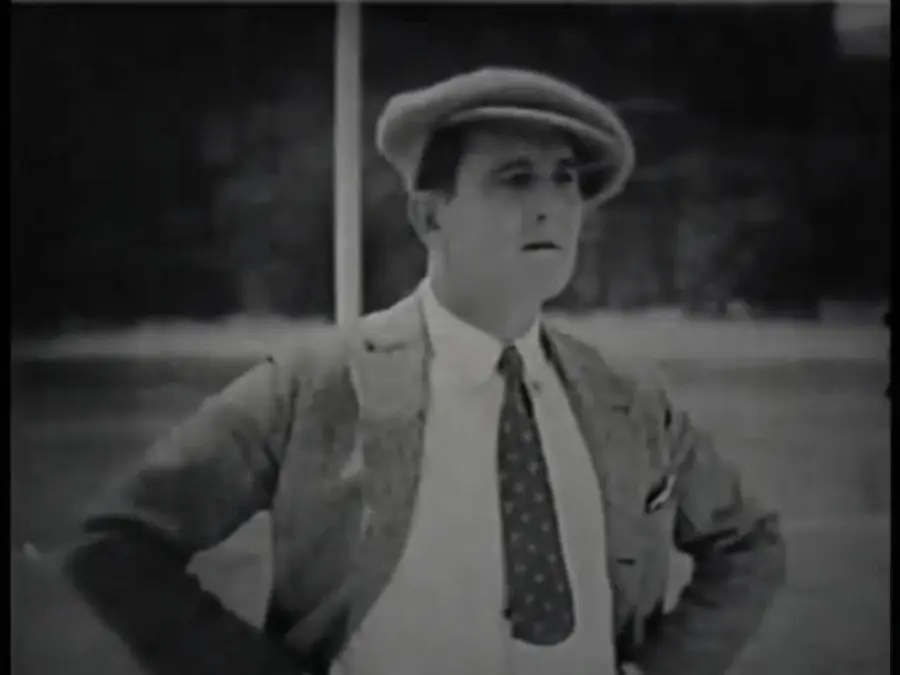
You should watch it if: You are a cinephile fascinated by the evolution of genre cinema, particularly pre-Code or Golden Age B-movies, or if you have a deep appreciation for classic boxing films and don't mind their narrative conventions. It’s also a compelling watch for those interested in the often-overlooked careers of actors like Churchill Ross and Dorothy Gulliver, offering a glimpse into their on-screen chemistry.
Fighting to Win plunges us into the desperate landscape of the Depression era, where the promise of a fair fight often collides with the harsh realities of survival. The narrative hinges on Ben Carter, a boxer whose career was sabotaged by the unscrupulous George J. Lewis. This isn't just a story about a man trying to reclaim a title; it's about a man fighting for his very existence, for his ailing sister, played with tender vulnerability by Dorothy Gulliver, and for the dignity of his family home.
The film’s central conflict, a clandestine boxing tournament orchestrated by the shadowy Eddie Phillips, provides a compelling, if somewhat predictable, framework for Ben's struggle. The stakes are personal, visceral, and immediately understandable. Every punch Ben throws in the ring is a metaphorical blow against the systemic corruption embodied by Lewis, who seems to lurk at every turn, attempting to stack the odds against our hero.
While the plot adheres closely to the underdog sports drama blueprint, Rob Wagner’s script manages to infuse it with a raw sincerity. The film doesn't shy away from depicting the grime and desperation of its setting. It's less about the glory of victory and more about the sheer will to endure. This thematic depth, even within a B-movie budget, is what gives Fighting to Win its enduring, if humble, resonance.

One might argue that the film's true antagonist isn't George J. Lewis's slimy manager, but the crushing weight of economic despair itself. This subtle undercurrent elevates it beyond simple good-vs-evil, lending it an unexpected layer of social commentary that feels both timely for its era and surprisingly resonant today. It’s a powerful observation that often gets lost in the theatricality of the boxing sequences.
Churchill Ross, as 'Battling' Ben Carter, carries the emotional weight of Fighting to Win with remarkable conviction. His portrayal isn't flashy; it's a study in quiet determination and simmering frustration. Ross embodies the archetype of the noble, downtrodden hero without ever lapsing into caricature. His eyes, often shadowed with weariness, convey more about Ben's internal struggle than any dialogue could.
Consider the scene where Ben, having lost another menial job, returns home to face his sister. There's no grand monologue, just a tightening of his jaw and a subtle shift in his gaze as he looks at her, a silent promise of perseverance. This understated acting style is a hallmark of many actors from this period, but Ross executes it with a genuine authenticity that grounds the entire film. He makes you believe in Ben’s cause, even when the narrative itself feels a little thin.
Dorothy Gulliver, as Ben's sister, provides the film's emotional anchor. While her role is largely supportive, a common trope for female characters in films of this ilk, Gulliver brings a quiet strength and unwavering belief to the part. Her scenes with Ross have a natural chemistry that elevates their relationship beyond mere plot device. Her performance, while constrained by the script, hints at a depth that few B-movie female leads were afforded, making her character feel more than just a damsel in distress.
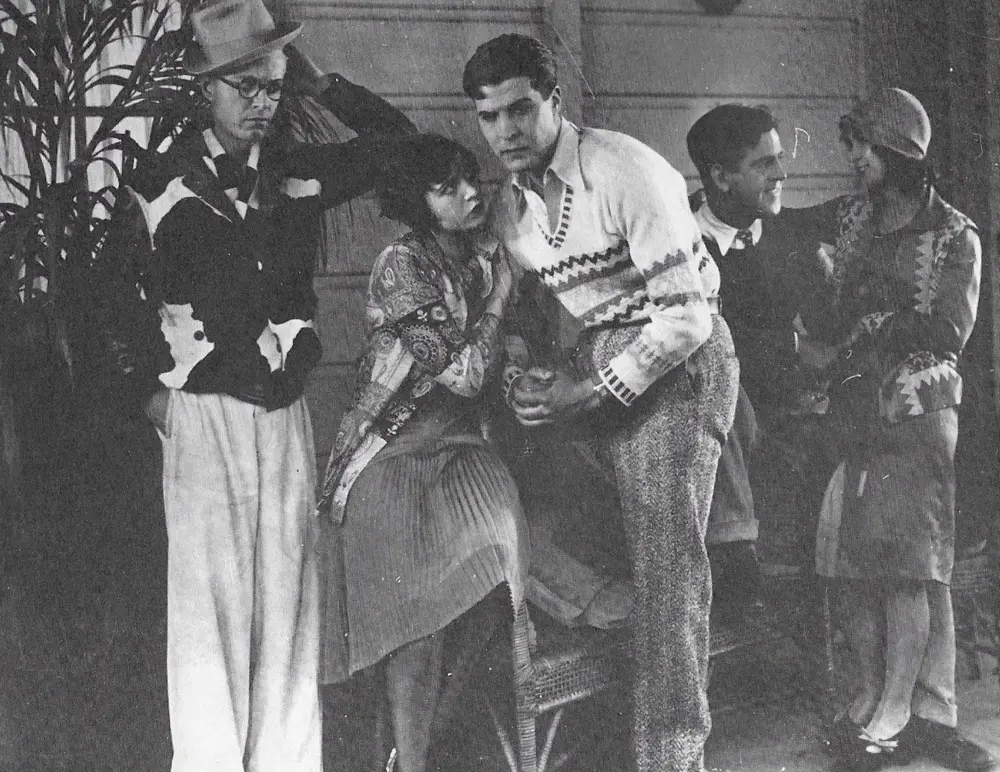
The supporting cast, including the reliably villainous George J. Lewis and the grizzled Charles Crockett as Ben’s trainer, fulfill their roles adequately. Lewis, in particular, excels at portraying the kind of smarmy, opportunistic villain that audiences love to hate. His presence consistently raises the stakes, making Ben's journey all the more arduous. Matty Kemp and Bud Jamison round out the ensemble, adding texture to the film's world, even if their characters don't receive extensive development.
The direction of Fighting to Win is functional, a common characteristic of lower-budget productions from the era. The focus is clearly on moving the story forward and capturing the action within the ring. There's a pragmatic efficiency to the filmmaking that, while not groundbreaking, serves the narrative well enough. The director (uncredited, but typical of Rob Wagner's writer-director capabilities in B-movies) understood the need for clear storytelling in an economical package.
The cinematography, while lacking in overt artistry, does manage to convey the starkness of Ben's world. Shots are often straightforward, favoring medium close-ups to capture facial expressions during dramatic moments and wider angles to encompass the raw energy of the fight scenes. There’s a noticeable lack of elaborate camera movement or innovative lighting, which might be a limitation of budget or the prevailing aesthetic of its time.
However, this simplicity sometimes works in the film's favor. The boxing sequences, for instance, are shot with a no-frills approach that feels surprisingly authentic. Unlike the highly choreographed ballets of modern boxing films, the punches here feel heavy, the movements a bit clumsy, and the sweat and struggle palpable. This isn't the slick, stylized combat of, say, a later film like The Warrior; it's a more grounded, almost vérité style, predating the term itself.
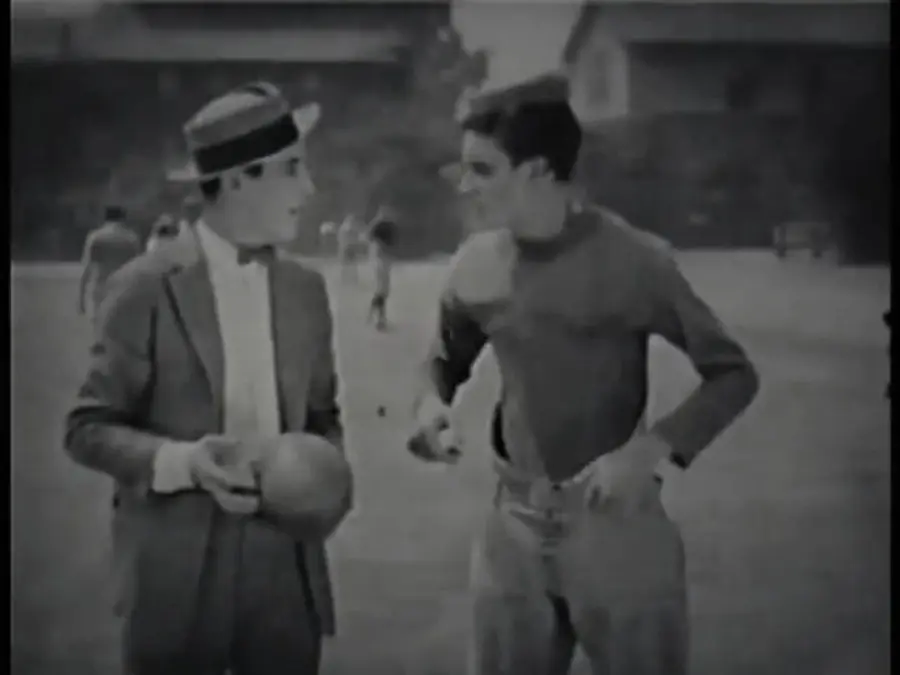
Perhaps the true genius of Fighting to Win isn't its narrative, but its accidental preservation of a bygone era's fighting spirit, flaws and all. The final fight, while predictable, contains a moment of raw, unchoreographed flailing that feels more authentic than many highly polished modern sequences. It's almost an anti-spectacle, yet compelling.
The visual language of the film, while not complex, effectively communicates the desperation and resolve of its characters. It’s a testament to how much can be achieved with limited resources when the focus remains squarely on the story and the performances.
The pacing of Fighting to Win is, to put it mildly, inconsistent. The film truly comes alive during its boxing sequences, where the tension is palpable and the action drives the narrative forward with relentless energy. These moments are often tight, brutal, and effectively convey the physical toll of Ben's struggle. The urgency here is undeniable.
However, outside the ring, the film occasionally drags. Exposition-heavy dialogue scenes, particularly those involving the machinations of Lewis and Phillips, can feel drawn out. There are stretches where the narrative momentum stalls, making the film feel longer than its actual runtime. This uneven rhythm can be a challenge for modern viewers accustomed to more tightly edited productions.

The tone is largely earnest and dramatic, leaning heavily into the melodrama inherent in underdog stories. There's a clear delineation between good and evil, a characteristic common in films of this period, especially B-movies. While this might feel simplistic to some, it perfectly aligns with the film's ambition to tell a straightforward story of struggle and redemption. The film doesn't attempt to be cynical or overly complex; it aims for the heart, and often, it succeeds.
There are moments of genuine emotional impact, particularly in the interactions between Ben and his sister, which provide a much-needed warmth amidst the grit. These scenes offer a respite from the harsh realities of Ben's world, reminding us of what he's truly fighting for. It balances the brutality with a touch of humanity, though these moments are sometimes too fleeting.
For the discerning viewer, absolutely. Fighting to Win offers a fascinating glimpse into a specific era of American filmmaking and storytelling. It’s a raw, unpolished gem that, despite its flaws, possesses a certain undeniable charm and historical value. Its themes of perseverance against corruption are timeless.
However, it demands patience. If you're looking for a slick, modern production with intricate plots and cutting-edge effects, you will be disappointed. This film is a product of its time, reflecting the narrative conventions and technical limitations of its budget. It works. But it’s flawed.
It serves as a valuable historical document, showcasing the kind of popular entertainment that captivated audiences decades ago. It's an important piece of the cinematic puzzle, offering insights into the careers of actors like Churchill Ross and the writing style of Rob Wagner. For those interested in the evolution of cinema, particularly the B-movie genre, it's a worthwhile watch.
Fighting to Win is a resilient, if imperfect, relic of a bygone cinematic era. It delivers a solid, if conventional, underdog story driven by a committed performance from Churchill Ross. While its technical limitations and occasional pacing issues are undeniable, its raw heart and timeless themes of perseverance offer a compelling experience for those willing to engage with its particular brand of vintage grit. It’s not a film that will redefine your understanding of cinema, but it will certainly remind you of the enduring power of a simple, honest fight against injustice. For fans of classic B-movies and the foundational elements of the sports drama, it's a solid, if unspectacular, contender. It earns its place, not as a champion, but as a memorable journeyman in the ring of cinematic history.
IMDb 6.3
1934
Community
Log in to comment.