DbcultAccessing Vault...
Cult Review
Senior Film Conservator
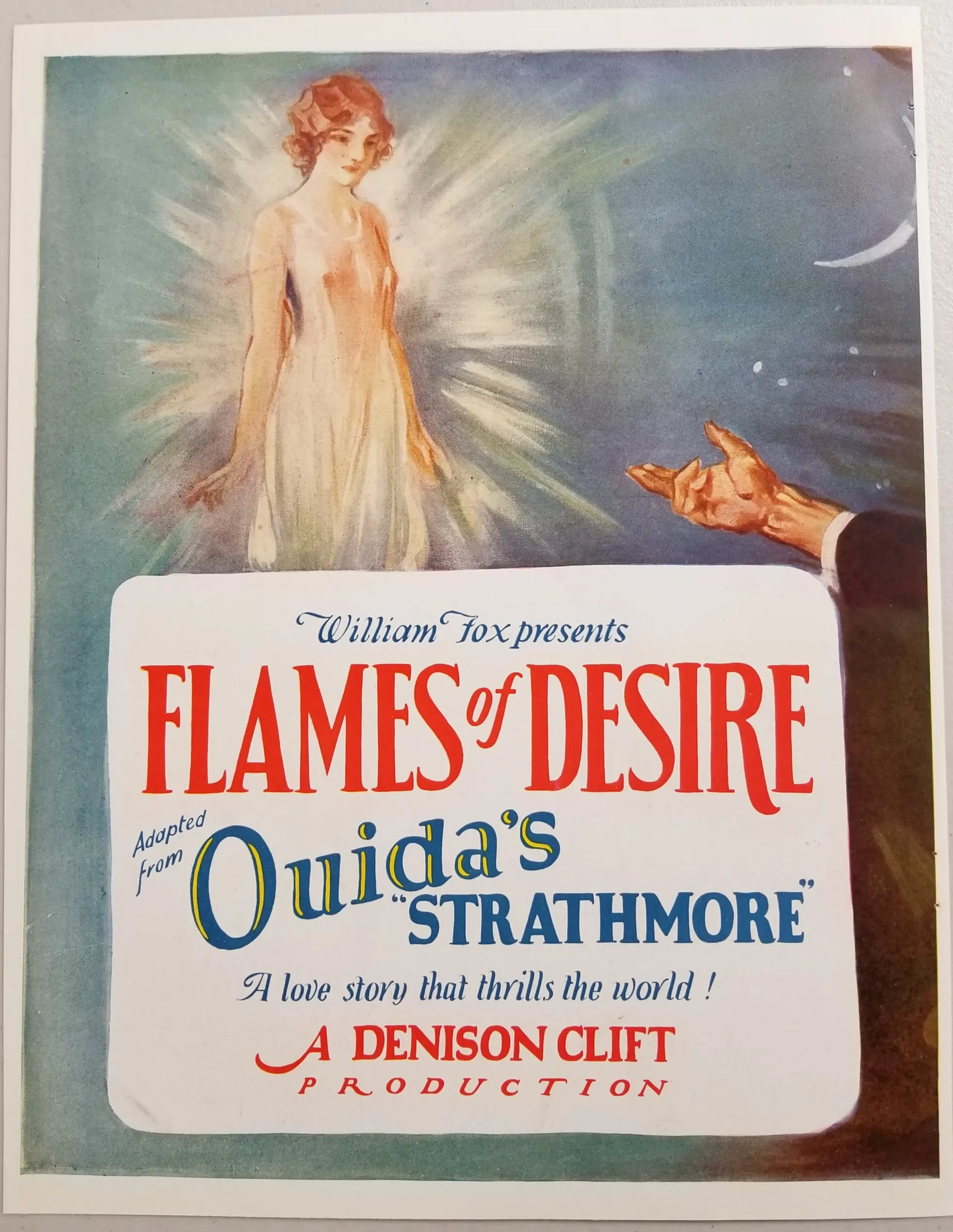
Upon entering the world of Flames of Desire, audiences are immediately enveloped in an atmosphere of opulence and restraint, a potent combination that sets the stage for a cinematic exploration of the human condition. This silent era drama, though often overshadowed by its more renowned contemporaries, presents a nuanced and affecting portrayal of love, societal pressures, and personal sacrifice.
Crafted with the precision of a seasoned artisan, Flames of Desire leverages the visual language of cinema to convey the intense emotions and inner turmoil of its characters. The film's use of lighting, shadow, and composition creates a visually stunning backdrop against which the drama unfolds, drawing viewers into the intimate world of its protagonists. This attention to detail not only showcases the skill of its creators but also pays homage to the artistry of silent filmmaking, a medium often underappreciated in the annals of cinematic history.
The performances within Flames of Desire are noteworthy, with Wyndham Standing and Dorothy Seay delivering portrayals that are at once captivating and heartbreaking. Their on-screen chemistry is undeniable, imbuing their characters with a sense of authenticity that makes their journey all the more compelling. The supporting cast, including Elmo Billings and Charles Clary, add depth to the narrative, each bringing their own unique energy to the film. This ensemble effort results in a richly textured performance that underscores the film's thematic concerns.
At its core, Flames of Desire is a film about the constraints of societal expectations and the devastating consequences of love in a class-bound world. Through its protagonist's struggles, the film critiques the rigid social hierarchies of its time, shedding light on the limited choices available to those who dare to defy convention. This theme is skillfully interwoven throughout the narrative, lending the film a sense of urgency and relevance that transcends its silent era origins.
In examining Flames of Desire, it is instructive to consider other films of the period that similarly explored themes of love, societal pressure, and personal sacrifice. Richelieu, for instance, also navigates the complexities of aristocratic life, albeit with a greater emphasis on political intrigue. Meanwhile, Dangerous Days presents a more overt exploration of social issues, highlighting the challenges faced by those living on the margins of society. These comparisons not only contextualize Flames of Desire within the broader landscape of silent cinema but also underscore its unique contributions to the era's cinematic discourse.
The significance of Flames of Desire extends beyond its immediate narrative, contributing to a larger conversation about the role of cinema in reflecting and shaping cultural attitudes. As a work of art, it stands as a testament to the power of silent filmmaking, demonstrating the medium's capacity for nuance, emotional depth, and thematic complexity. For audiences and scholars alike, Flames of Desire offers a compelling case study in the evolution of cinematic storytelling, highlighting the ways in which filmmakers have continually pushed the boundaries of the medium to explore the human experience.
In Flames of Desire, viewers are presented with a film that is both a product of its time and a timeless exploration of the human condition. Its themes of love, societal expectation, and personal sacrifice continue to resonate, offering a poignant reminder of cinema's ability to transcend the boundaries of era and culture. As a piece of cinematic history, it is a valuable resource for those interested in the development of film as an art form, while its emotional depth and narrative complexity ensure that it remains a rewarding watch for audiences today.

IMDb —
1921
Community
Log in to comment.