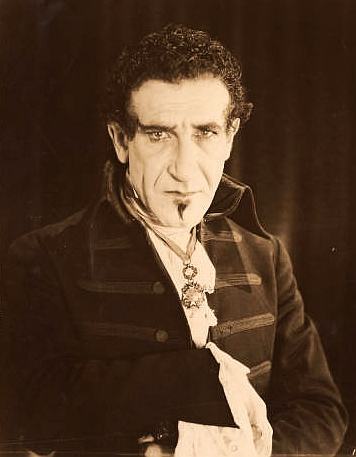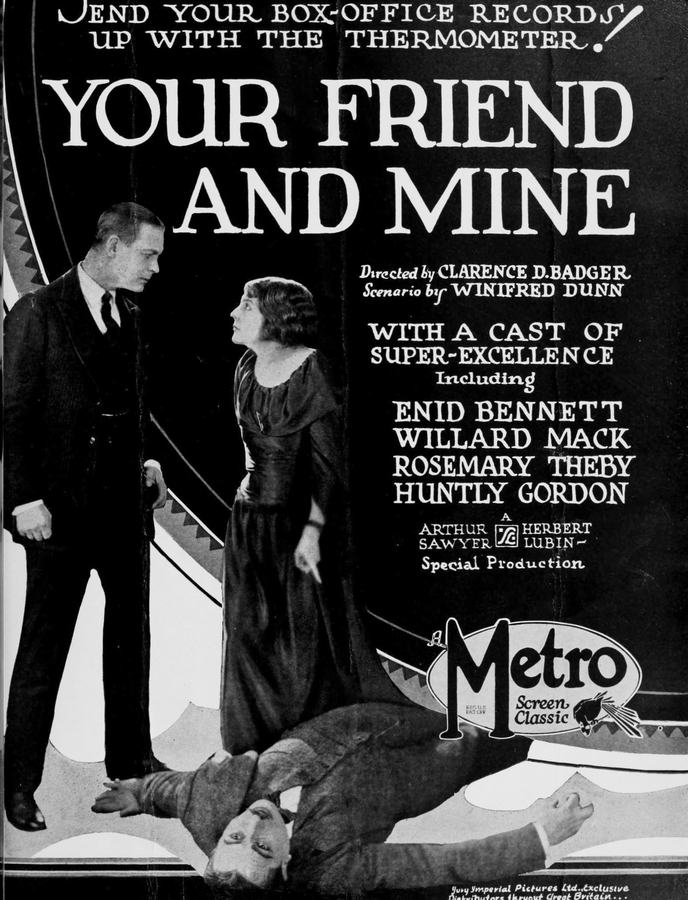
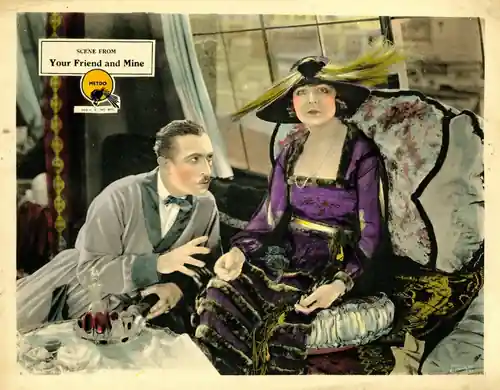
Oil man Hugh Stanton embarks on one of his frequent business trips and leaves his wife, Patricia, in the care of Ted and Beatrice Mason. She also spends considerable time with Victor Raymier, the artist who is painting her portrait, unaware that he is a fraud who merely signs his name to the work of a real artist in his employ.
The Petroleum of the Soul: A Deep Dive into Your Friend and Mine The silent era of the 1920s often operated as a mirror to the burgeoning anxieties of the American middle class, and Your Friend and Mine (1923) stands as a particularly resonant artifact of this period. It is a film that navigates the treacherous wate...
publicity
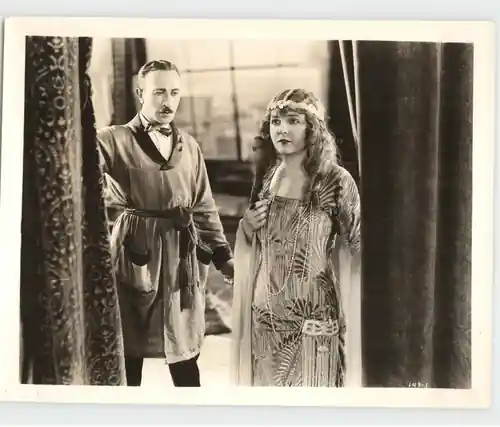
still_frame
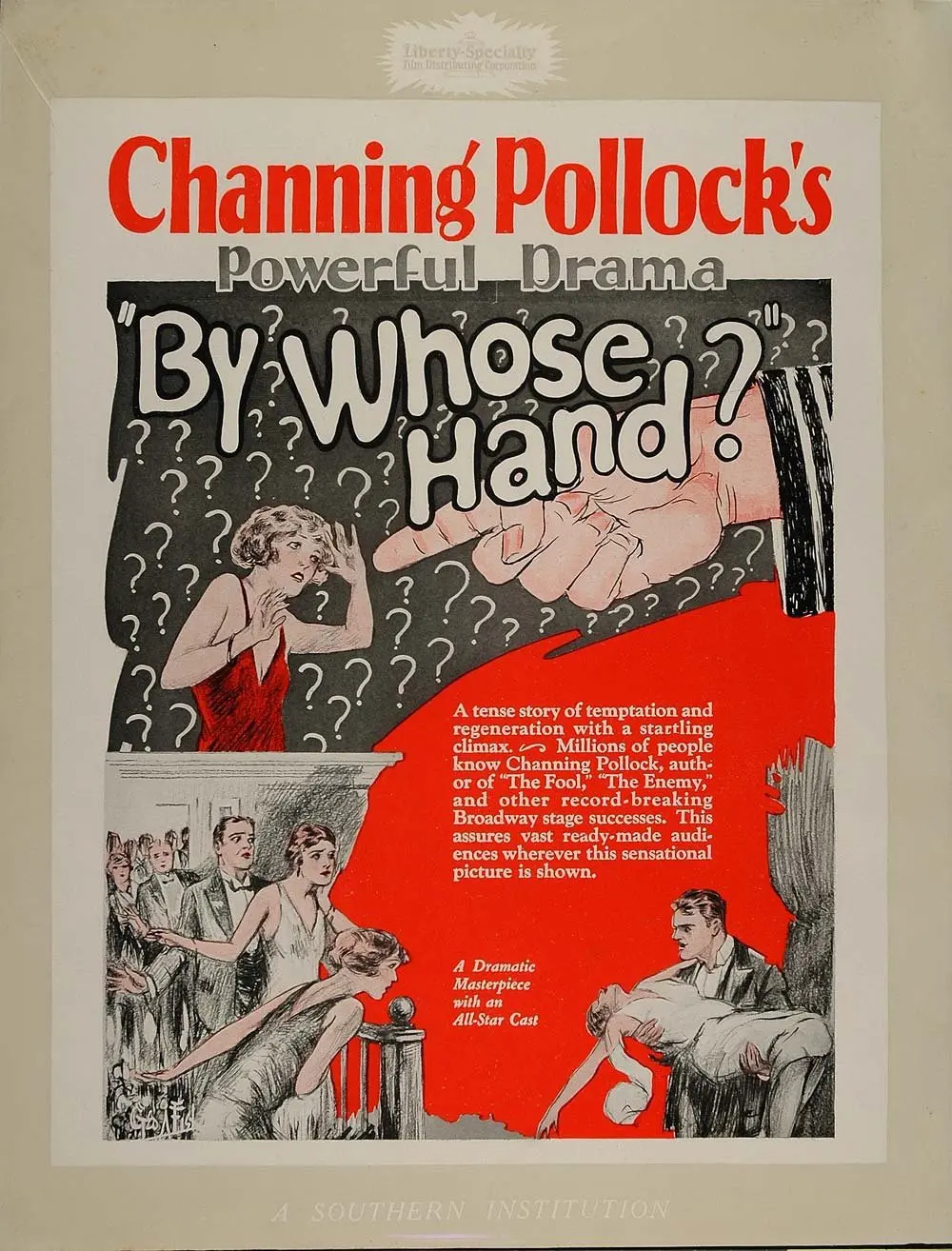
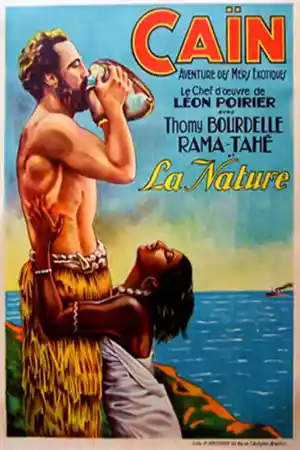
Comparing the cinematic DNA and archive impact of two defining moments in cult history.
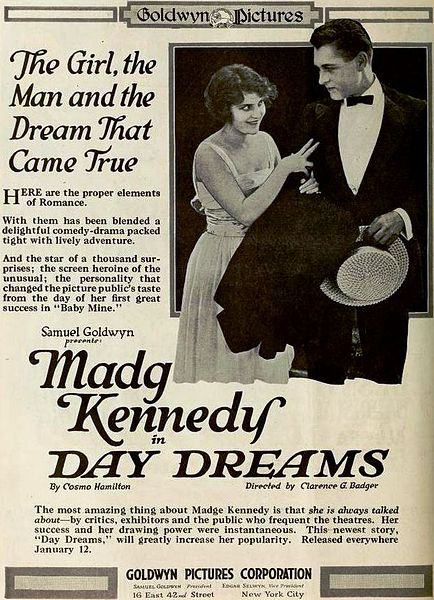
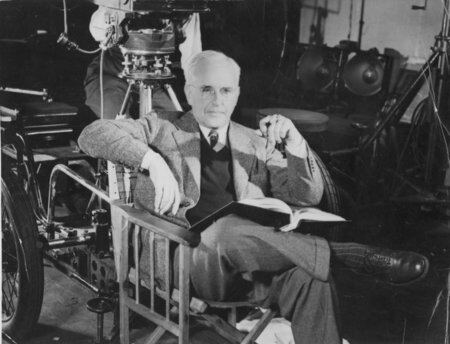
Clarence G. Badger
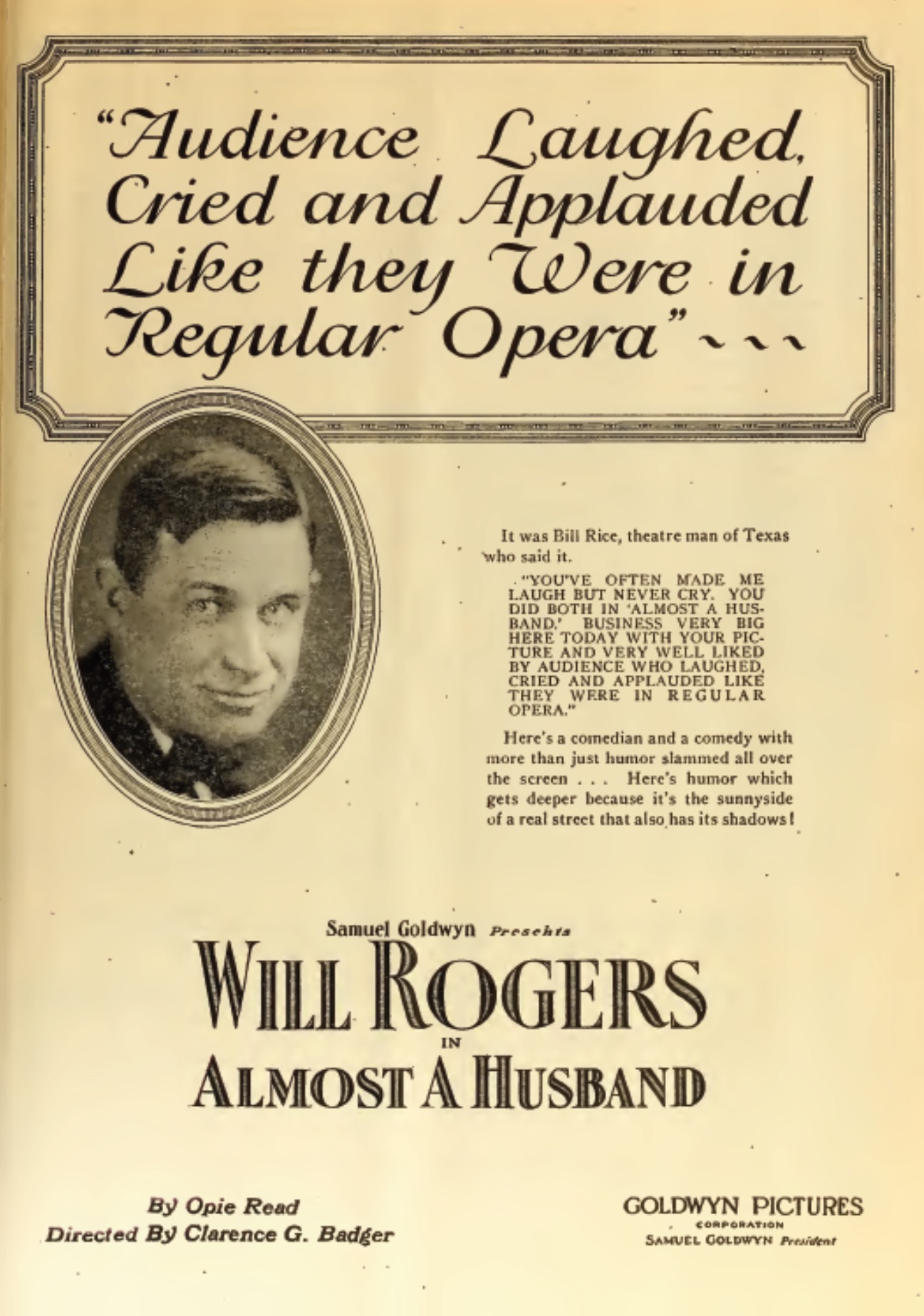
Clarence G. Badger
Community
Log in to comment.
" The Petroleum of the Soul: A Deep Dive into Your Friend and Mine The silent era of the 1920s often operated as a mirror to the burgeoning anxieties of the American middle class, and Your Friend and Mine (1923) stands as a particularly resonant artifact of this period. It is a film that navigates the treacherous waters of marital neglect with a sophistication that belies its age. While many contemporary viewers might dismiss the plot as a standard melodrama, a closer inspection reveals a compl..."

Willard Mack
Willard Mack, Winifred Dunn
United States


Deep dive into the cult classic
Discover similar cinematic experiences
A Directorial Spotlight on Clarence G. Badger