DbcultAccessing Vault...
Cult Review
Senior Film Conservator
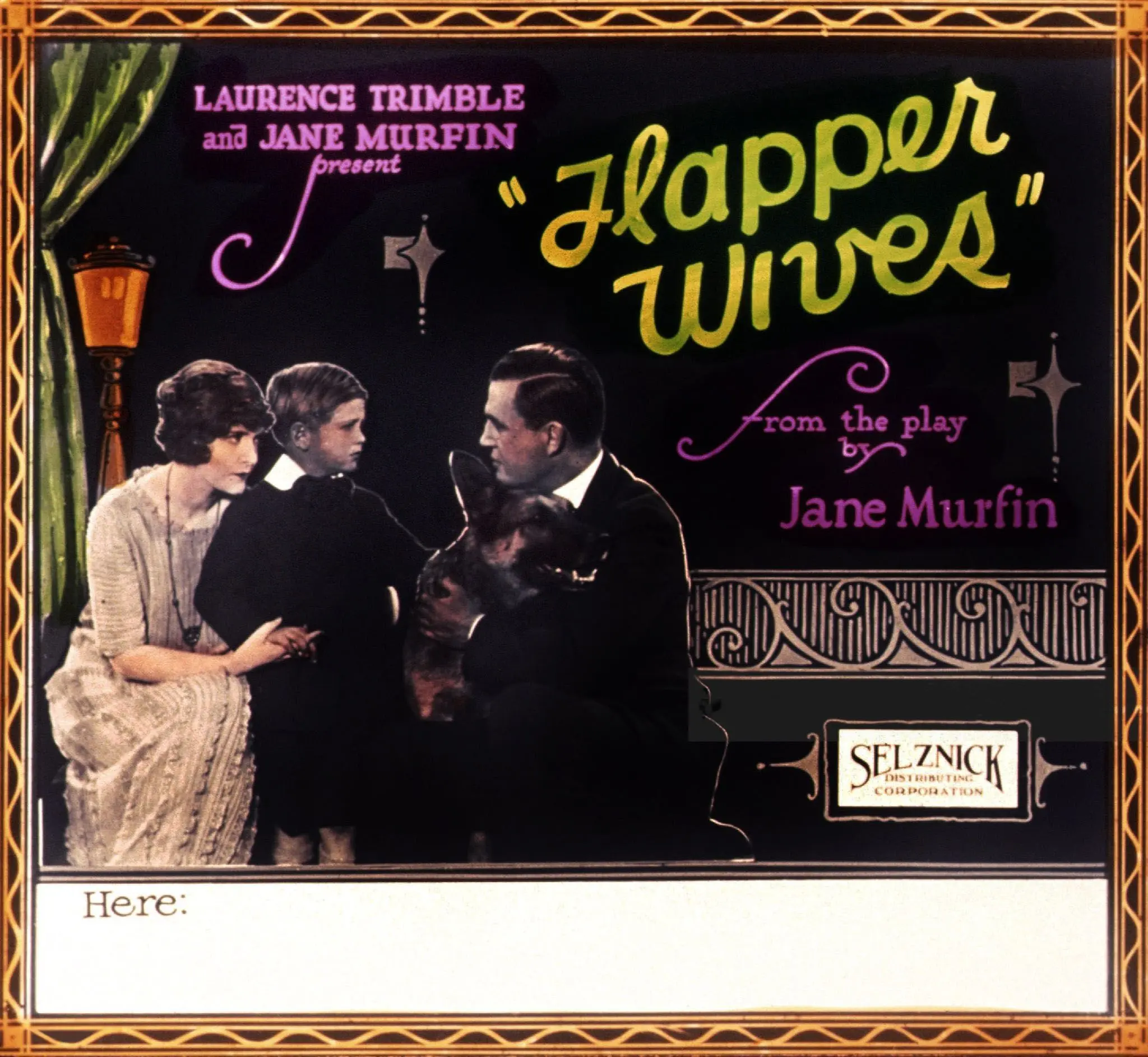
In the effervescent wake of the Roaring Twenties, a cinematic offering titled Flapper Wives emerged, daring to cast a scrutinizing gaze upon the shifting sands of morality, faith, and societal expectations. This 1922 silent drama, penned by the collaborative talents of Jane Cowl, Laurence Trimble, and Jane Murfin, navigates a world teetering between rigid Victorian strictures and the burgeoning freedom epitomized by the titular 'flapper.' Far from a mere period piece, it delves into the profound human drama of consequence, conviction, and the elusive nature of redemption, all while painting a vivid portrait of an era in flux.
At the heart of this compelling narrative stands Stephen Carey, portrayed with earnest conviction by William V. Mong. Carey is no ordinary man of the cloth; he is a rector whose broad-minded interpretations of scripture and progressive social views clash violently with the entrenched conservatism of his church's vestrymen. His vision for a more inclusive, understanding faith is met not with dialogue, but with an unceremonious ousting, a harsh testament to the era's resistance to change. Mong imbues Stephen with a quiet dignity, a man resolute in his beliefs even as his world crumbles around him. His performance is a masterclass in silent film acting, conveying deep emotional turmoil and unwavering spiritual fortitude through subtle gestures and expressive eyes.
It is in this crucible of professional and spiritual crisis that Stephen encounters Claudia Bigelow, brought to life by the luminous Vera Reynolds. Claudia is the quintessential 'modern woman' of the period, a divorcée navigating a society still largely unforgiving of such marital ruptures. Her very presence, her independence, her willingness to challenge the status quo, marks her as an outsider. Yet, it is precisely her unconventional spirit that draws her to Stephen's defense, seeing in his progressive outlook a kindred spirit against the tide of societal judgment. Reynolds portrays Claudia with a captivating blend of vivacity and vulnerability, capturing the essence of a woman both liberated and, perhaps, a little lost. The dynamic between Mong's stoic rectitude and Reynolds's spirited defiance forms the emotional bedrock of the film, laying bare the tension between tradition and the dawning age of individual freedom.
The screenplay, crafted with considerable foresight by Cowl, Trimble, and Murfin, skillfully establishes this dichotomy. They don't merely present a conflict; they explore the nuanced motivations behind both Stephen's 'broad-mindedness' and the vestrymen's fervent resistance. The film, in this regard, shares a thematic kinship with other dramas of the period that explored societal friction, such as It Happened to Adele, which similarly delved into a woman's journey through challenging societal expectations. However, Flapper Wives adds a layer of spiritual crisis that elevates its discourse beyond mere social commentary.
The narrative takes a stark turn from intellectual and social conflict to a deeply personal tragedy, catalyzed by Claudia’s casual carelessness. In a moment emblematic of the era’s newfound freedoms—and perhaps its accompanying heedlessness—Claudia leaves a cigarette burning unattended. This seemingly minor oversight precipitates a devastating accident, leading to the blindness of Jimsy, the innocent son of her housekeeper. Eddie Phillips delivers a poignant performance as Jimsy, his youthful exuberance tragically extinguished, drawing immediate empathy from the audience. The suddenness of the event is a potent reminder of how quickly life can irrevocably alter, and how seemingly insignificant actions can bear catastrophic consequences.
This pivotal incident serves as a crucial turning point, not only for Jimsy and his family but, more profoundly, for Claudia. The carefree 'flapper' veneer shatters under the weight of her culpability, forcing her to confront the profound implications of her actions. The film doesn't shy away from depicting her anguish and growing sense of responsibility, transforming her from a somewhat detached figure of modern independence into a woman grappling with immense guilt. This arc of character development, from heedless to remorseful, is expertly handled, showcasing the depth of Reynolds's acting capabilities. The film here touches upon universal themes of accountability and the often-unforeseen ripple effects of our choices, echoing the moral quandaries found in films like Stolen Moments, where individual decisions similarly lead to far-reaching consequences.
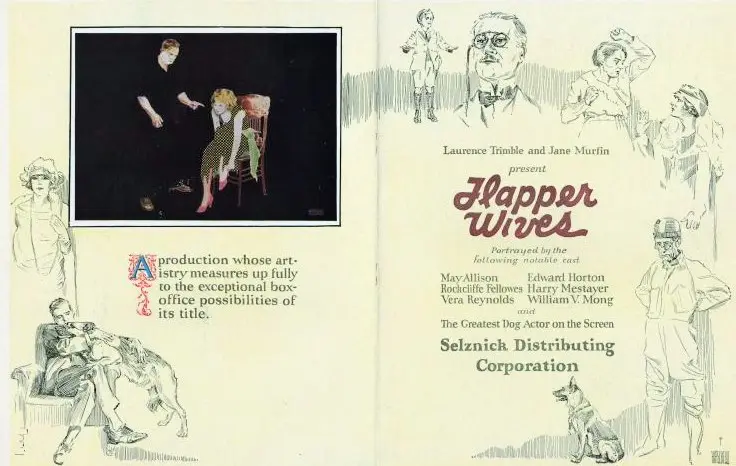
The sheer emotional weight of Jimsy's condition is amplified by the reactions of the supporting cast. Evelyn Selbie, as the heartbroken housekeeper, delivers a performance steeped in maternal despair, her silent suffering a powerful counterpoint to Claudia's more overt distress. The film's ability to wring such profound sentiment from its performers, without the aid of spoken dialogue, is a testament to the evocative power of silent cinema and the skill of its cast and creators. Other notable performances from the likes of Robert Dudley, May Allison, Rockliffe Fellowes, Edward Everett Horton, Harry Mestayer, Tom O'Brien, Stanley Goethals, and J.C. Fowler contribute to a rich tapestry of human experience, each reacting to the tragedy in ways that deepen the film's emotional resonance.
It is at this nadir of despair that Stephen Carey’s faith, though tested by his ecclesiastical dismissal, finds its most profound expression. Stripped of his formal clerical office, he nonetheless remains a man of unwavering spiritual conviction. Confronted with Jimsy's tragic blindness, Stephen channels his entire being into a fervent prayer for divine intervention. This moment is the film's spiritual epicenter, a bold assertion of belief in the face of insurmountable odds. The portrayal of this prayer is handled with a delicate balance, avoiding overt melodrama in favor of a profound, internal struggle made manifest through Mong's intense physicality and facial expressions.
Miraculously, Jimsy's sight is restored. This divine intervention serves as the ultimate resolution to the film's central moral and spiritual conflicts. It validates Stephen's faith, demonstrating that true spirituality transcends institutional boundaries. For Claudia, it offers a path to genuine redemption, transforming her guilt into gratitude and a renewed sense of purpose. The miracle itself, while a literal plot device, also functions as a powerful metaphor for the healing power of compassion, forgiveness, and the transformative potential of human connection. The film, in this aspect, echoes the spiritual awakening and moral choices explored in other silent-era works like Revelation (1918), which similarly grappled with themes of divine grace and personal transformation.
The conclusion, predicting a happy future for all, might seem simplistic to a modern audience, yet within the context of 1920s cinema, it offers a reassuring affirmation of moral order and the triumph of good. It suggests that even in an era of rapidly changing social norms, fundamental virtues such as empathy, responsibility, and faith ultimately prevail. The film’s resolution isn't merely a convenient wrap-up; it's a statement about the enduring power of human spirit and the possibility of renewal, even after profound missteps.
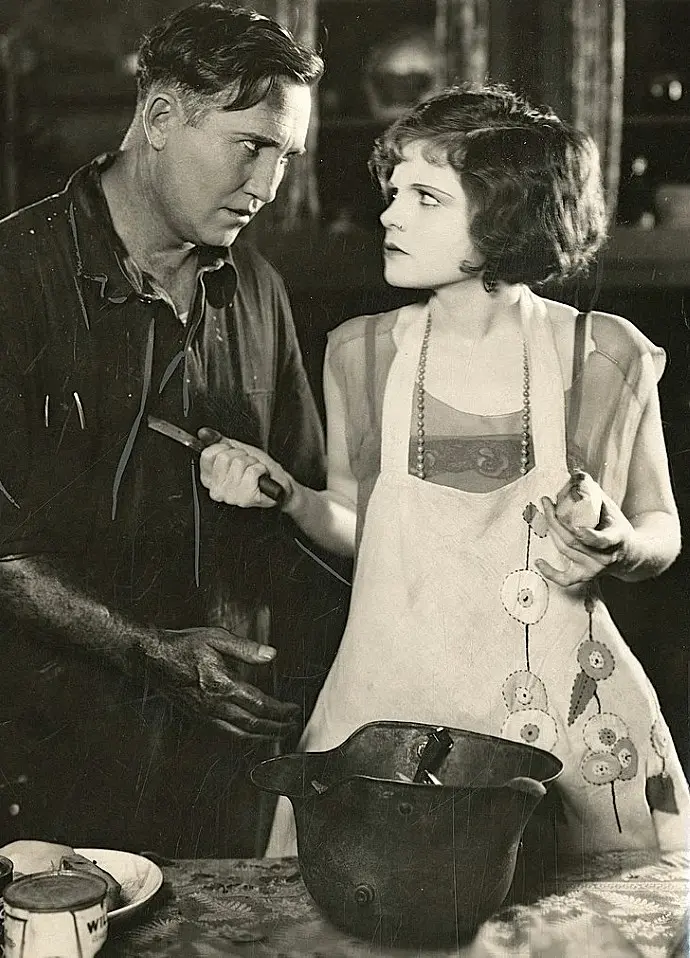
The very title, Flapper Wives, is a potent signifier of the film's cultural context and thematic ambitions. While the primary plot focuses on a divorcée, Claudia, the plural 'wives' suggests a broader commentary on the evolving role of women in the 1920s. The flapper was an icon of liberation: bobbed hair, shorter skirts, jazz music, and a general defiance of traditional feminine roles. These women, whether married or single, were challenging the patriarchal norms that had long defined their existence. Claudia, though a divorcée rather than a 'wife' in the conventional sense, embodies the spirit of the flapper: independent, somewhat reckless, and unafraid to assert her opinions, even in defense of an ostracized clergyman.
The film subtly critiques and ultimately embraces certain aspects of this new femininity. Claudia's initial carelessness with the cigarette can be seen as a negative consequence of unchecked freedom, a cautionary tale within the broader narrative of liberation. Yet, her ultimate remorse and transformation, coupled with Stephen's acceptance, suggest that the 'flapper' spirit, when tempered with responsibility and compassion, can lead to a more enlightened and humane society. The film thus engages in a dialogue with its contemporary audience, reflecting their anxieties and hopes regarding the seismic shifts in gender roles and moral codes. This thematic exploration of women navigating complex social landscapes finds parallels in films like Montmartre, which also depicted the lives and struggles of women in a changing urban environment, albeit with a different cultural backdrop.
While specific directorial credits are often less emphasized in early cinema compared to today, the overall narrative flow and visual storytelling of Flapper Wives demonstrate a keen understanding of the silent medium. The film effectively uses visual metaphors, subtle character blocking, and expressive intertitles to convey complex emotions and plot points. The transition from Stephen’s intellectual struggle to Claudia’s personal crisis, and then to the miraculous resolution, is handled with a narrative ingenuity that keeps the audience engaged. The pacing, crucial for silent films, builds tension effectively, particularly around Jimsy's accident and Stephen's desperate prayer.
The writers, Jane Cowl, Laurence Trimble, and Jane Murfin, crafted a story that, despite its melodramatic elements, resonates with poignant humanism. They understood the power of archetypes—the broad-minded cleric, the spirited flapper, the innocent victim—and imbued them with enough specificity to feel real. Their script deftly balances social critique with personal drama, ensuring that the film remains both thought-provoking and emotionally engaging. The progression of character arcs, particularly for Stephen and Claudia, is well-defined, allowing for a satisfying sense of development and closure. This focus on character transformation and emotional journeys is a thread that connects it to films like Big Happiness, where individuals similarly navigate profound personal changes to find their way forward.
Flapper Wives, though perhaps not as widely remembered as some of its more celebrated contemporaries, stands as a fascinating artifact of its time, offering a window into the moral anxieties and cultural shifts of the early 1920s. It’s a film that isn't afraid to tackle weighty themes—religious intolerance, personal responsibility, divine intervention, and the evolving role of women—all within the accessible framework of a compelling drama. Its exploration of faith, particularly Stephen's unwavering belief in the face of institutional rejection, provides a timeless message about the true essence of spirituality.
The film's enduring appeal lies in its ability to blend social commentary with a deeply human story of struggle and redemption. It serves as a reminder that even in an era defined by rapid change and superficial glamour, fundamental questions of morality, compassion, and the search for meaning remained paramount. For aficionados of silent cinema, it offers a glimpse into the sophisticated storytelling and powerful performances that characterized the era. It’s a testament to the fact that compelling narratives, rich characters, and profound themes are not exclusive to sound film, but were meticulously crafted in the silent era, leaving an indelible mark on the cinematic landscape.
In conclusion, Flapper Wives is more than just a historical curiosity; it is a prescient commentary on an era in transition, a nuanced exploration of faith, and a powerful drama about the consequences of our actions and the potential for redemption. Its broad-minded rector and spirited divorcée navigate a world both challenging and ultimately hopeful, leaving audiences with a message that transcends the specificities of the 1920s to speak to universal human experiences.

IMDb —
1924
Community
Log in to comment.