Summary
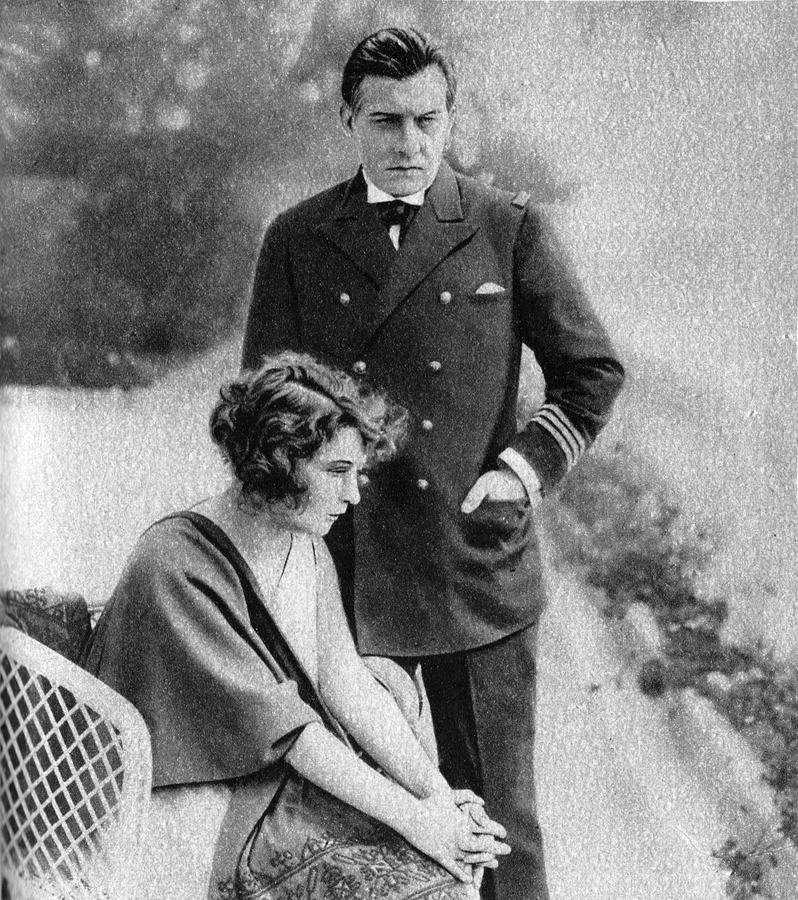
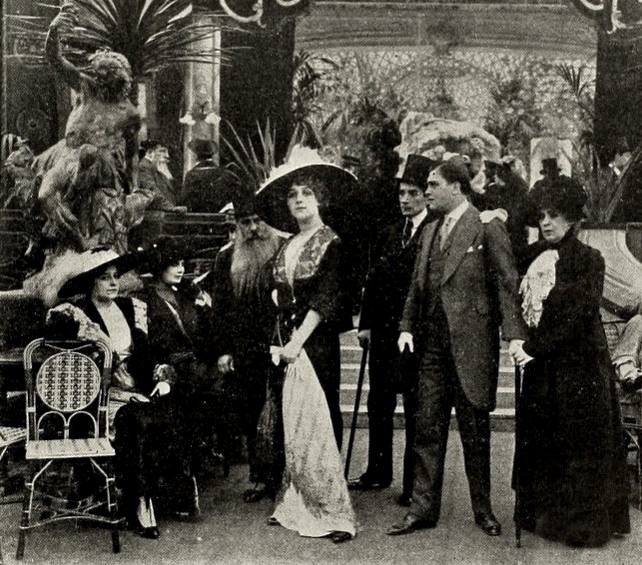
A spectral Paris, half-ruined by the Great War’s afterglow, becomes the canvas upon which Montmartre spills its phantasmagoric tale. Jean Toulout’s haunted aristocrat drifts through cobblestone corridors where absinthe-green gas-lamps flicker like dying comets, clutching a portfolio of erotic caricatures that may be evidence, confession, or curse. Pierre Frondaie’s street-poet—part Apollinaire, part pimp—barters verses for venal kisses, while Jean-José Frappa’s consumptive anarchist paints guillotines in vermilion, convinced the hill itself is a dormant volcano of revolution. Between the Moulin de la Galette’s splintered sails and the Sacré-Cœur’s blanched domes, a clandestine cinema screens flickering newsreels of executions; each frame bleeds into the next until spectators suspect they are watching their own futures. The plot, if one insists on calling it that, coils like opium smoke: a stolen folio of obscene sketches passes from hand to trembling hand, allegedly capable of toppling governments yet equally capable of resurrecting lovers long drowned in the Seine. Characters dissolve and recombine—Toulout kisses his own reflection in a cracked bistro mirror only to find Frondaie staring back; Frappa plants bombs beneath manholes yet weeps when sparrows die. Time fractures: 1919, 1830, 1871 superimpose themselves in double exposures, so the Commune’s barricades rise while jazz phonographs blare. By the time the final reel gutters out, Montmartre has become a palimpsest where every era’s graffiti bleeds through the plaster, insisting that history is merely a strip of celluloid jammed in the gate of a projector that refuses to die.
Review Excerpt
"
Paris, 1919: the war is over yet the city still trembles like a tuning fork struck by ghosts. Into this post-traumatic haze glides Montmartre, a film so drunk on its own celluloid secretions it feels less like entertainment and more like a séance conducted inside a absinthe bottle.
Strip away whatever cursory synopsis survives in the archives and you’re left with a narrative that behaves like a stack of Toulouse-Lautrec posters left in the rain: colors bleeding, paper buckling, faces sliding o..."