DbcultAccessing Vault...
6.3/10
Senior Film Conservator
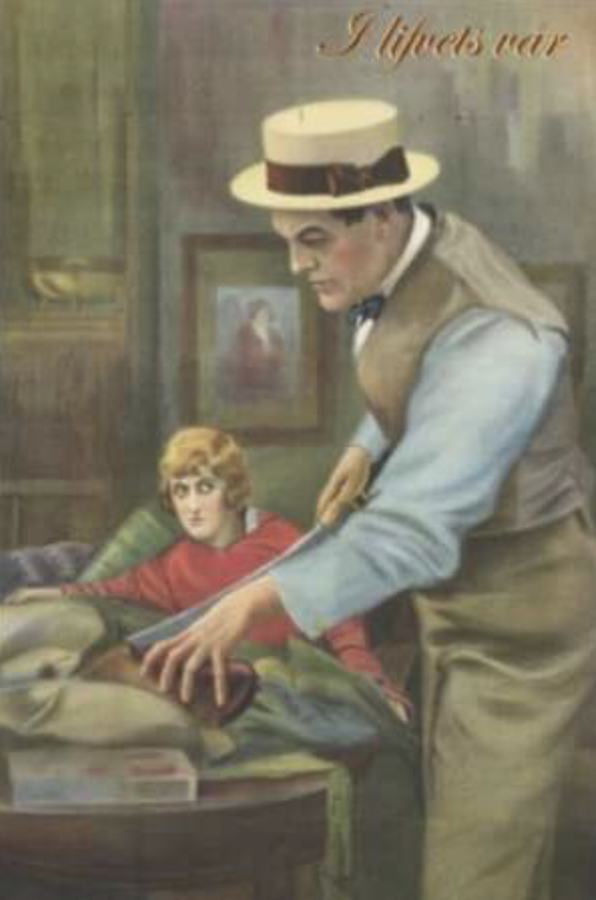
A definitive 6.3/10 rating for a film that redefined the boundaries of cult cinema. The Springtime of Life remains a cornerstone of transgressive art.
The 1913 production of The Springtime of Life (original title: Livets vår) serves as a foundational pillar in the burgeoning edifice of Swedish silent cinema. Directed by Paul Garbagni, a name perhaps less whispered in the hallowed halls of film history than those of Mauritz Stiller or Victor Sjöström, the film nonetheless exhibits a sophisticated grasp of narrative pacing and emotional resonance that was quite advanced for its era. It is a work that bridges the gap between the primitive theatricality of early shorts and the profound psychological realism that would soon define the Scandinavian Golden Age. To watch this film today is to witness the nascent power of the camera to capture not just movement, but the invisible weight of social class and moral failure.
In this film, we see a young Victor Sjöström, not yet the acclaimed director of The Phantom Carriage, but already possessing a screen presence that is both grounded and profoundly empathetic. His portrayal of Alm Stoddard is a masterclass in the restraint that would later define his own directorial efforts. Stoddard is the moral compass of the film, a character whose altruism feels earned rather than performative. Unlike the more static moralities found in contemporary works like The Life of Moses, Sjöström’s Alm inhabits a space of genuine concern and evolving affection. His interaction with the young Gerta establishes the film's emotional stakes, moving beyond mere pity to a form of radical kinship that challenges the class structures of early 20th-century Sweden.
Gerta's early life is depicted with a gritty realism that shares a spiritual lineage with Oliver Twist. The character of Sarah Anderson, the "notorious fagin," is a chilling reminder of the vulnerability of children in a society where they are often viewed as commodities. The transition from the soot-stained urchin to the incandescent Mlle. Hauser represents a classic Victorian "Rags to Riches" arc, yet it is tempered by a psychological realism that feels surprisingly modern. While films like Les Misérables often focus on the redemptive power of the individual, The Springtime of Life suggests that Gerta's rise is as much about the reclamation of her stolen identity as it is about her vocal talent. The opera house becomes a stage for more than just performance; it is a sanctuary where she can finally be seen by those who once cast her aside.
Councilor Carl Von Seydling, played with a stiff-necked arrogance that slowly dissolves into pathetic regret, serves as a searing critique of the bureaucratic class. His decision to desert his wife and child is not presented as an act of malice, but of pusillanimous convenience. He finds Gerta "cumbersome," a word that encapsulates the dehumanization inherent in his social position. His eventual reconciliation with Gerta is not a simple happy ending but a somber reflection on the years wasted in pursuit of status. This thematic exploration of familial betrayal and the weight of the past mirrors the intensity found in Anna Karenina, where personal desires collide with the rigid expectations of the elite. Von Seydling's terror at his own misdeeds, sparked by a dying woman's confession, is one of the film's most potent moments of catharsis.
The technical prowess of the film is most evident during the climactic fire scene. In an era when fire was a frequent and terrifying reality of theatrical life, the depiction of the opera house inferno would have held a visceral impact for audiences. This use of spectacle aligns the film with other contemporary epics such as The Flying Circus, which utilized physical peril to heighten the emotional stakes of its protagonists. The fire serves as a literal and metaphorical cleansing, forcing the characters to abandon their pretenses. Alm’s rescue of the unconscious Gerta is a classic heroic trope, yet within the context of their long, unspoken history, it carries a weight of desperation and devotion that transcends cliche. The visual composition of the flames against the ornate theater interior showcases a sophisticated understanding of lighting and frame depth that was rare in 1913.
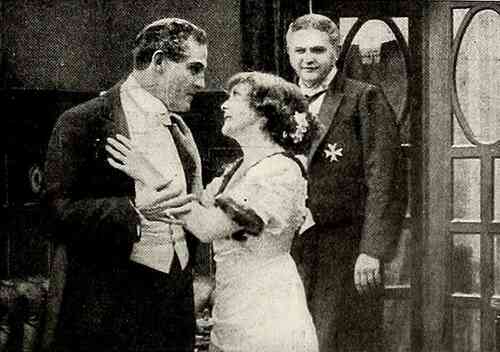
When examining The Springtime of Life alongside other works of the period, such as Den sorte drøm, one notices a recurring fascination with the "fallen" or hidden woman who must navigate a world of male-driven conflict. The duel between Alm and Lieutenant Wiles, though brief, highlights the archaic codes of honor that Gerta inadvertently disrupts. Wiles is a dashing but hollow figure, a precursor to the many cads of silent cinema who exist only to test the heroine's discernment. In contrast, Alm’s wound is a physical manifestation of his internal sacrifice. This dynamic of the protective, often overlooked suitor versus the charismatic deceiver is a hallmark of the era's melodrama, but here it is handled with a sincerity that avoids the saccharine pitfalls of lesser films like Three Strings to Her Bow.
Garbagni's direction is characterized by a remarkable fluidity. He manages to weave together the disparate threads of Gerta's life—the beggar's alley, the Stoddard household, the military barracks, and the grand opera—into a cohesive whole. His use of the handbag and the childhood photograph as narrative devices is an early example of the "MacGuffin" or the significant object that drives character revelation. This technique ensures that the coincidence of Sarah Anderson being Gerta's maid feels like an act of fate rather than a mere plot convenience. The film's pacing, which allows for moments of quiet reflection between the bursts of high drama, suggests a director who understood the sovereignty of the soul as much as the requirements of the script. It stands as a superior example of early narrative film, far more complex than the more straightforward historical recreations like 1812 or the purely physical displays of The Corbett-Fitzsimmons Fight.
The cinematography by Julius Jaenzon, though uncredited in many early records, bears the hallmarks of his later genius. The way the camera captures the textures of the beggar's rags versus the silk of Mlle. Hauser’s gowns provides a tactile sense of Gerta's transformation. The framing of the final scene, with Gerta clinging to Alm while her father looks on, creates a triangular composition that perfectly illustrates the shift in power and affection. The film avoids the flat, stagey look of many 1910s productions, opting instead for a depth of field that invites the viewer into the world of the characters. This aesthetic sophistication is what makes The Springtime of Life more than just a historical curiosity; it is a living piece of cinema that continues to resonate with its themes of forgiveness and the enduring nature of love.
The resolution of the film, occurring in the sterile environment of a drug store following the fire, is a masterstroke of dramatic irony. The dying Sarah Anderson, having spent her life profiting from the misery of others, finally provides the key to Gerta's happiness. This moment of deathbed confession is a common trope, yet in Garbagni's hands, it feels like a necessary reckoning. Councilor Von Seydling’s terror is palpable; he is confronted not by the law, but by the ghost of his own conscience. His plea for Gerta’s forgiveness is the film's true climax, more so than the fire itself. Gerta's choice to cling to Alm, smiling her contentment, is a rejection of her biological father's late-blooming sentimentality in favor of the man who saw her worth when she was nothing more than a child in the street. It is a powerful statement on the nature of family, suggesting that kinship is forged through action and sacrifice rather than mere bloodline, a theme also explored in In the Prime of Life.
In the final analysis, The Springtime of Life remains a captivating artifact of a bygone era. It showcases the immense talent of Anna Norrie and Victor Sjöström and proves that even in the infancy of the medium, filmmakers were capable of exploring the darkest corners of the human experience with grace and perspicacity. It is a film that demands to be seen by any serious student of cinema, providing a vital link in the chain that leads to the modern psychological drama.
IMDb 5.8
1931
Community
Log in to comment.