DbcultAccessing Vault...
Cult Review
Senior Film Conservator
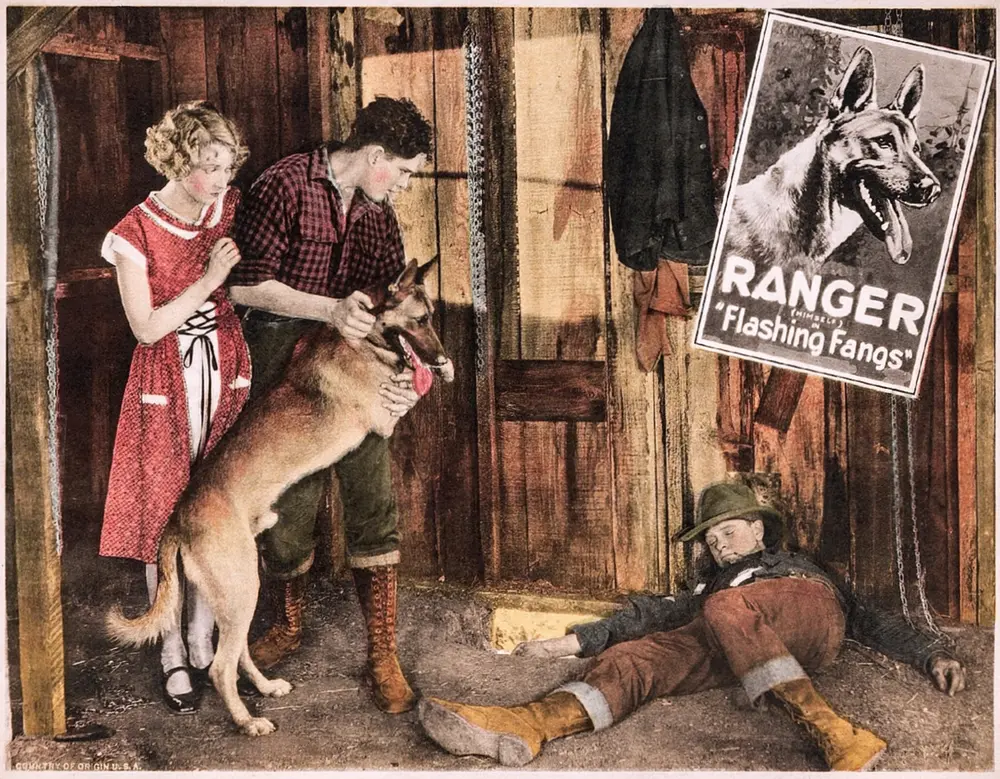
Flashing Fangs, a 1930s Western, offers a compelling narrative rooted in themes of loyalty and revenge, set against the backdrop of the rugged Sierras. However, the film’s execution is less polished, with a rather melodramatic tone and dated acting styles. Despite these shortcomings, it remains a curious relic of its era, worth watching for its nostalgic value and historical significance.
Flashing Fangs is for fans of classic Westerns, those interested in early 20th-century cinema, and those who appreciate a straightforward, no-frills narrative. It is not for those seeking a modern, sophisticated depiction of the genre or those who are easily offended by its more overtly dramatic moments.
Yes, but it requires a certain mindset. Flashing Fangs is a relic of an earlier era, with its melodramatic tone and somewhat archaic acting styles. However, it offers a compelling narrative that is worth revisiting for its historical significance and the themes of loyalty and revenge.
This film works because... The central relationship between Dan Emory and Ranger is a standout element. The dog’s unwavering loyalty serves as a poignant counterpoint to the human characters’ often conflicting interests. The performances, though dated, are committed, especially Ada Mae Vaughn as Bessie and Eddy Chandler as Dan Emory. The cinematography captures the rugged, unforgiving landscape of the Sierras, adding to the film’s authenticity.
This film fails because... The pacing can be slow in parts, and the melodramatic tone can feel overdone. The script, while serviceable, lacks the nuance and complexity that modern audiences might find lacking. The historical context and the depiction of frontier justice are somewhat simplistic, reducing the depth of the characters and their motivations.
You should watch it if... You are a fan of early Westerns, interested in exploring the historical evolution of the genre, or simply curious about a film that offers a straightforward, no-frills narrative. If you are looking for a modern, sophisticated depiction of the genre, this film may not meet your expectations.
The performances in Flashing Fangs are committed but somewhat stiff by contemporary standards. Ada Mae Vaughn as Bessie is a standout, capturing the character’s complexity with nuance. Eddy Chandler as Dan Emory is solid, conveying the character’s determination and resolve. The supporting cast, including George Reehm as Red Saunders and Lotus Thompson as Bessie’s mother, provide the necessary dramatic tension, but their roles are somewhat underwritten.
Clark Comstock’s direction is competent but lacks the polish of modern filmmaking. The film’s use of the Sierras landscape is effective, although the cinematography can be somewhat dated. The use of natural light and the wide open spaces of the wilderness enhance the film’s authenticity but also highlight its limitations in terms of visual style.
The pacing of Flashing Fangs is uneven, with slower moments that can feel drawn out. The melodramatic tone, while serving the narrative, can feel overdone at times. The film’s reliance on clear, straightforward storytelling means that it can be predictable, but the emotional beats, particularly the relationship between Dan and Ranger, are well-timed.
The themes of loyalty and revenge are central to Flashing Fangs. The relationship between Dan and Ranger is a powerful symbol of unwavering loyalty, while the human characters’ conflicts often revolve around these themes. The film’s depiction of frontier justice is somewhat simplistic, reducing the depth of the characters and their motivations. The use of the Sierras as a backdrop serves to underscore the harsh, unforgiving nature of the frontier, adding to the film’s authenticity.
Compared to contemporaries like La drapaire and The Eyes of the World, Flashing Fangs feels somewhat dated but still offers a compelling narrative. While not as visually striking as more modern Westerns, it remains a curious relic of its era, worth watching for its historical significance and the themes of loyalty and revenge.
In the end, Flashing Fangs offers a curious relic of its era, worth watching for its historical significance and the themes of loyalty and revenge. While it may not be a masterpiece of the genre, it remains a compelling narrative that is worth revisiting for its nostalgic value and the authenticity of its setting. It works, but it’s flawed, and its dated nature may not appeal to all audiences, but for those who appreciate a straightforward, no-frills narrative, it is a film worth watching.

IMDb 5.2
1936
Community
Log in to comment.