A definitive 4.8/10 rating for a film that redefined the boundaries of cult cinema. Flashing Oars remains a cornerstone of transgressive art.
Is 'Flashing Oars' worth watching today? Short answer: yes, but with significant caveats that demand a specific kind of viewer.
This film is unequivocally for students of early American cinema, pre-code enthusiasts, and those with a particular interest in "The Collegians" series. It is decidedly not for the casual filmgoer seeking modern entertainment values or a tightly plotted narrative.
"Flashing Oars," a brief but telling entry in "The Collegians" series, lands us squarely in an era of nascent sound film, where narrative conventions were still finding their footing and comedic sensibilities were often broad, almost theatrical. Directed by George H. Plympton and penned by a collective including George H. Plympton himself, Gardner Bradford, Phil Dunham, Carl Laemmle Jr., and Pierre Couderc, this short aims for lighthearted collegiate drama mixed with moral instruction.
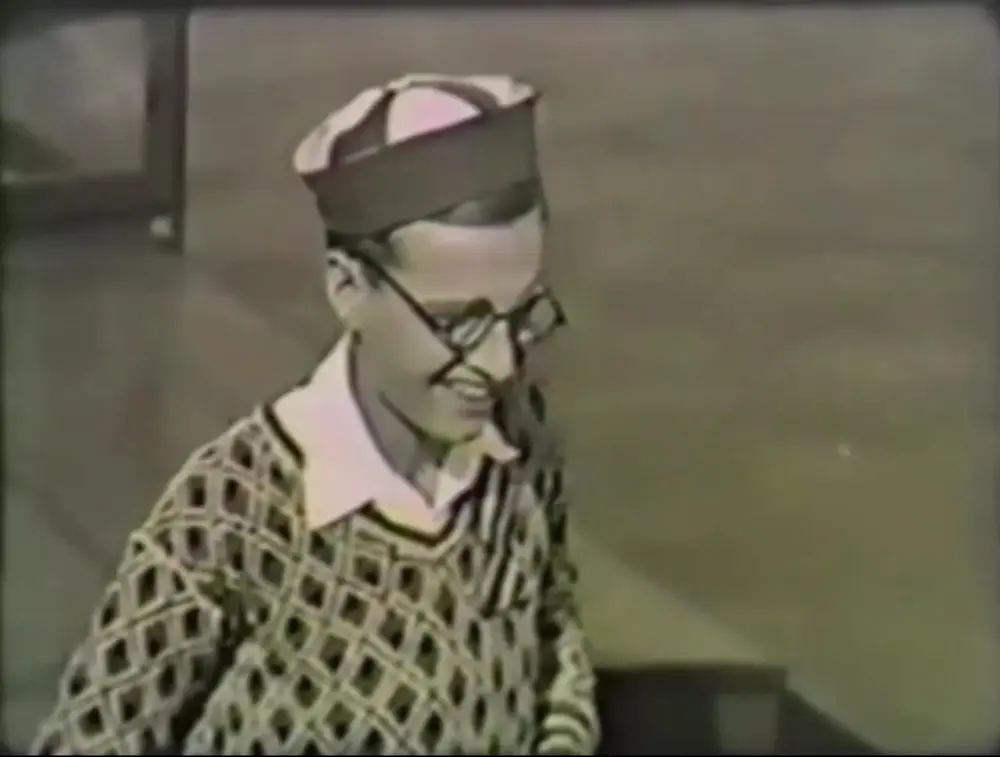
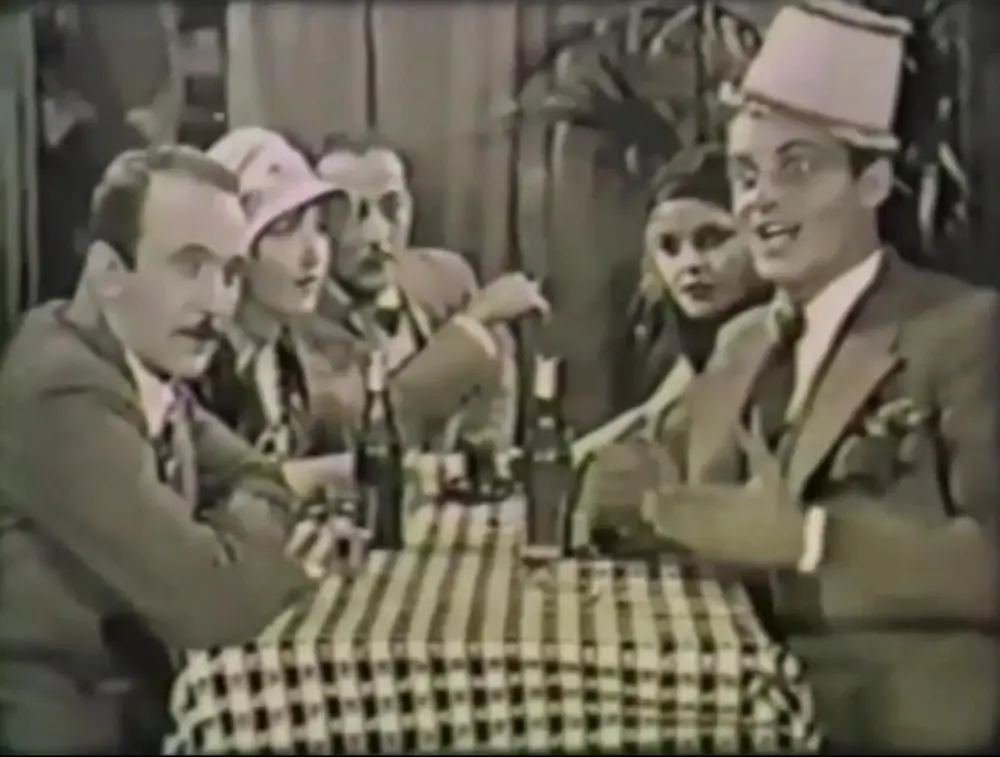
Scene from Flashing Oars
Cinematic perspective: Exploring the visual vocabulary of Flashing Oars (1927) through its definitive frames.
It's a simple premise: a college rowing team attempts to sober up their star rower, whose proclivity for drink threatens their competitive edge. What unfolds is a series of well-intentioned, often farcical, attempts by his teammates to curb his habits, culminating in the inevitable moment of truth on the water.
This film works because of its undeniable historical value as a document of early Hollywood's attempts at youth-oriented entertainment and its unintentional insights into the social mores of the time. It offers a fascinating glimpse into the nascent on-screen presence of actors like Walter Brennan, even in his relatively minor role. The raw energy, however unpolished, of the collegiate setting is palpable.
This film fails because its humor is largely dated, often relying on simplistic gags and repetitive scenarios that do not translate well to a contemporary audience. The plot, while straightforward, feels thin, and character development is minimal, leaving many of the players feeling like archetypes rather than individuals. The pacing, too, can feel sluggish despite its short runtime, a common pitfall of early sound films grappling with new technical demands.
Scene from Flashing Oars
Cinematic perspective: Exploring the visual vocabulary of Flashing Oars (1927) through its definitive frames.
You should watch it if you are a film historian, a keen admirer of pre-code shorts, or someone specifically tracking the early careers of its cast members. It's a valuable piece of the cinematic puzzle, not a standalone entertainment.
The Narrative Current: Plot and Premise
At its core, "Flashing Oars" is a morality play dressed as a collegiate sports comedy. The stakes are clear: a crucial rowing competition looms, and the team's star, whose name we barely register beyond his function, is a habitual drinker. His teammates, led by the earnest and often exasperated captain, embark on a series of increasingly desperate measures to dry him out. This isn't a nuanced exploration of addiction; it's a vehicle for physical comedy and broad character interactions. The narrative arc is predictable, yet it holds a certain charm in its simplicity, a testament to the storytelling conventions of its era.
The plot unfolds with a directness that modern audiences might find jarring. There are no subplots of great depth, no complex character motivations beyond winning the race and getting their friend sober. The humor stems from the repeated failures of the team's efforts – locking the star rower in a room, attempting to distract him from alcohol, and the inevitable moments of him sneaking a drink. It’s a repetitive cycle that speaks to the short's limitations in developing intricate comedic scenarios, but also to a certain earnestness in its message, however clumsily delivered.
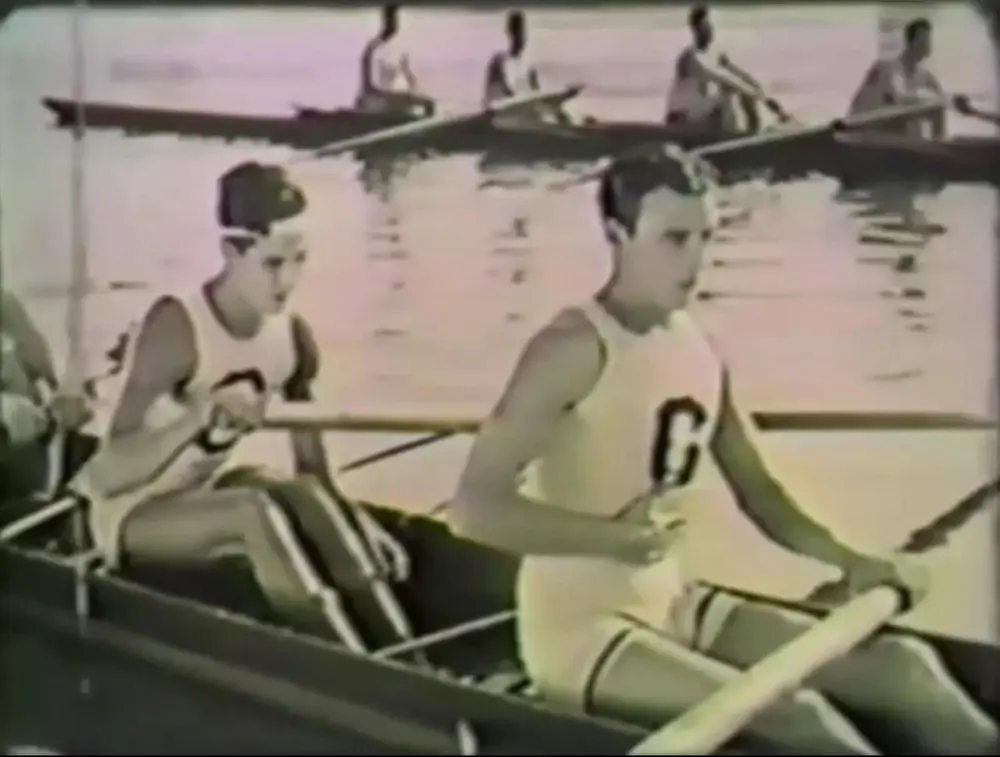
Scene from Flashing Oars
Cinematic perspective: Exploring the visual vocabulary of Flashing Oars (1927) through its definitive frames.
Is This Film Worth Watching Today?
For most casual viewers, "Flashing Oars" will likely feel like a historical curiosity rather than engaging entertainment. Its pacing is deliberate, its humor often relies on visual gags that have lost their punch over time, and the narrative lacks the sophisticated layering we expect from modern cinema. The performances, while earnest, can appear over-the-top by today's standards, a common trait of early sound films still bridging the gap between stage and screen.
However, for those with a specific interest in film history, particularly the pre-code era or the early careers of its cast, it offers genuine value. It’s a window into how colleges were portrayed, how moral lessons were packaged, and how early sound technology influenced comedic timing. It's a foundational text, not a recreational watch. If you approach it with an academic lens, you'll find much to dissect and appreciate.
Performances: A Glimpse of Future Stars
The ensemble cast, featuring Dorothy Gulliver, Walter Brennan, Churchill Ross, and others, performs with the broad strokes typical of the period. Walter Brennan, even in these nascent roles, possesses an undeniable screen presence that transcends the often-mediocre material. His early work here, though brief, hints at the distinctive character actor he would become, capable of both comedic warmth and dramatic weight. He doesn't have a huge role, but his naturalism, even amidst the theatricality, is notable.
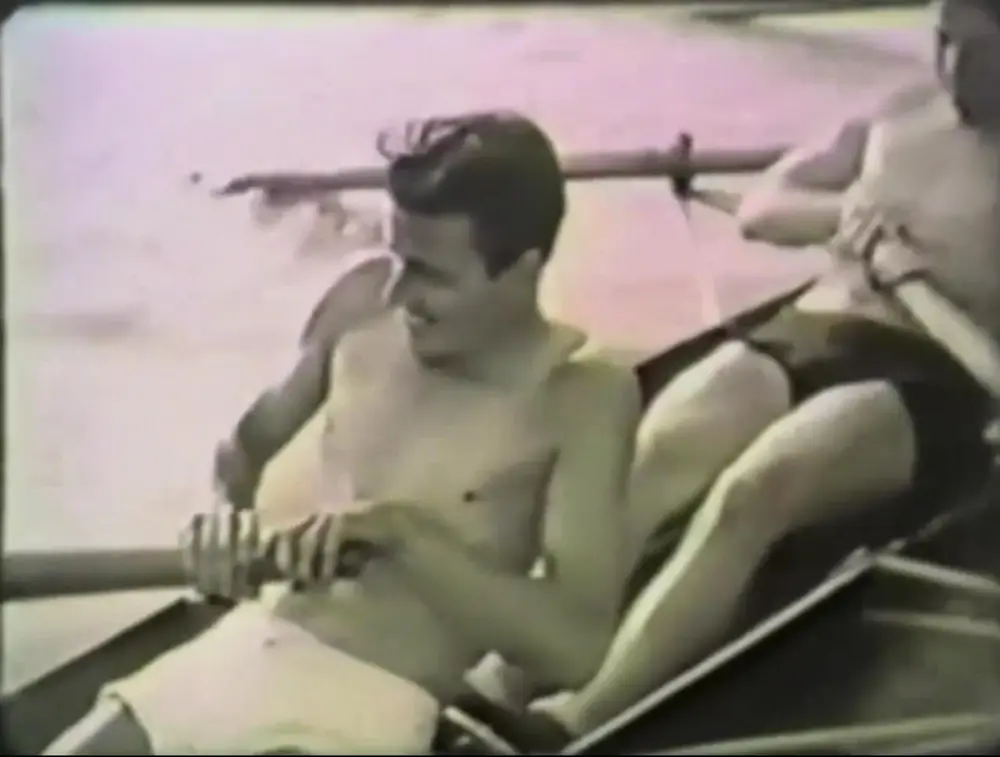
Scene from Flashing Oars
Cinematic perspective: Exploring the visual vocabulary of Flashing Oars (1927) through its definitive frames.
Dorothy Gulliver, as the earnest female lead, provides a necessary grounding, often reacting to the male antics with a mixture of concern and exasperation. Her performance, while not groundbreaking, is competent and fits the conventional female archetype of the era. Churchill Ross, as the beleaguered captain, carries much of the film's comedic burden, his frustration becoming a running gag. The acting is less about deep characterization and more about embodying archetypes to serve the simple comedic beats.
One particular scene, involving the team's attempt to distract their star rower with a game of cards, highlights the ensemble's dynamic. The exaggerated reactions to the rower's attempts to sneak a drink are classic early cinema slapstick, relying on physical comedy and overt gestures to convey humor. It’s a moment that might elicit a chuckle for its historical context rather than its comedic brilliance, yet it showcases the collective effort in bringing these stock characters to life.
Direction and Visual Language: Navigating Early Sound
George H. Plympton's direction, typical for a short of this period, is functional rather than artistically ambitious. The camera is often static, a common constraint of early sound recording technology which tethered cameras to bulky sound equipment. This results in a theatrical framing, emphasizing wide shots and stage-like blocking over dynamic camera movement or intricate close-ups. The visual storytelling is straightforward, prioritizing clear exposition over stylistic flair.
Scene from Flashing Oars
Cinematic perspective: Exploring the visual vocabulary of Flashing Oars (1927) through its definitive frames.
The cinematography, while rudimentary by modern standards, effectively captures the collegiate atmosphere. The rowing sequences, though brief, are shot with a sense of urgency, using quick cuts and slightly more dynamic angles than the interior scenes. These moments offer a glimpse of early attempts to bring sports action to the screen, even if limited by the technology of the time. The black and white palette is stark, functional, and serves the narrative without drawing undue attention to itself.
Pacing is a curious beast in "Flashing Oars." Despite its short runtime, there are moments where the film feels surprisingly protracted. The repetition of the "sobering up" gags, while integral to the plot, can drag, and the build-up to the climactic race feels less like a crescendo and more like a gentle, if inevitable, progression. This uneven rhythm is a hallmark of many early sound films, as filmmakers grappled with integrating dialogue and sound effects without sacrificing narrative momentum. Compared to the more frantic energy of some silent comedies, this short feels a bit more measured, perhaps due to the new demands of sound recording.
The Collegians Series: A Historical Lens
"Flashing Oars" is a fascinating entry in "The Collegians" series, a collection of shorts that aimed to capture the spirit of youth and collegiate life in the early 20th century. These films often explored themes of sportsmanship, camaraderie, and youthful hijinks, usually with a light moralistic touch. This particular short, with its focus on alcohol and responsibility, inadvertently offers a sociological snapshot of early 20th-century collegiate anxieties. It reflects a period when the image of the 'flapper' and 'jazz age' excess was still fresh, and cinematic narratives often sought to gently guide audiences towards more virtuous paths.
The series as a whole serves as an important historical document, showcasing not just early filmmaking techniques but also societal attitudes towards education, sports, and morality. While not as overtly dramatic as a film like The Grip of Evil or as stylistically distinct as Parisette, "Flashing Oars" contributes to a broader understanding of how popular culture reflected and shaped the youth experience of its time. It’s less about groundbreaking cinema and more about cultural preservation.
Strengths and Stumbles: The Flaws in the Oars
The film's primary strength lies in its historical context. It's a genuine artifact, offering invaluable insights into early Hollywood's production methods, comedic styles, and thematic concerns. The presence of Walter Brennan, even in an early, uncredited role, is a significant draw for film enthusiasts. The earnestness of the cast and the straightforward storytelling, while sometimes simplistic, also possess a certain unpretentious charm. It works. But it’s flawed.
However, its comedic elements have not aged well. The humor, relying heavily on broad physical gags and repetitive scenarios, often misses its mark for a modern audience. The moralizing, while understandable for the era, feels less like genuine concern and more like a flimsy excuse for slapstick. Character development is largely absent, reducing the players to functions within the plot rather than relatable individuals. The technical limitations of early sound film also contribute to a somewhat stilted viewing experience, particularly in its visual dynamism and pacing.
Pros and Cons
PROS:
Historical significance as an early sound short and part of "The Collegians" series.
Offers a rare glimpse into collegiate life and social mores of the early 20th century.
Features early performances from notable actors like Walter Brennan.
Straightforward, easy-to-follow plot.
CONS:
Dated humor that may not resonate with contemporary audiences.
Simplistic plot with minimal character development.
Pacing can feel slow despite the short runtime.
Technical limitations of early sound cinema are evident.
Key Takeaways
Best for: Film historians, students of early American cinema, fans of pre-code shorts, and those interested in the early careers of the cast.
Not for: Casual viewers seeking modern entertainment, those looking for sophisticated comedy or deep character studies.
Standout element: Its value as a historical document and a rare early appearance by Walter Brennan.
Biggest flaw: Its humor has not aged gracefully, feeling broad and often repetitive.
Verdict
"Flashing Oars" is not a film you watch for pure, unadulterated entertainment in 2024. It’s a time capsule. A curious one. Its narrative is thin, its jokes are mostly inert, and its technical execution reveals the growing pains of a nascent industry. However, dismissing it entirely would be a disservice to its historical significance. For those who appreciate the journey of cinema, who seek to understand its evolution, this short offers invaluable lessons. It’s a piece of the puzzle, a stepping stone in the grand narrative of film. It shows us where we came from, and in doing so, highlights just how far we’ve come. It’s a film to be studied, not simply enjoyed. Approach it with that mindset, and you might find its quiet historical hum surprisingly resonant.