DbcultAccessing Vault...
5.3/10
Senior Film Conservator
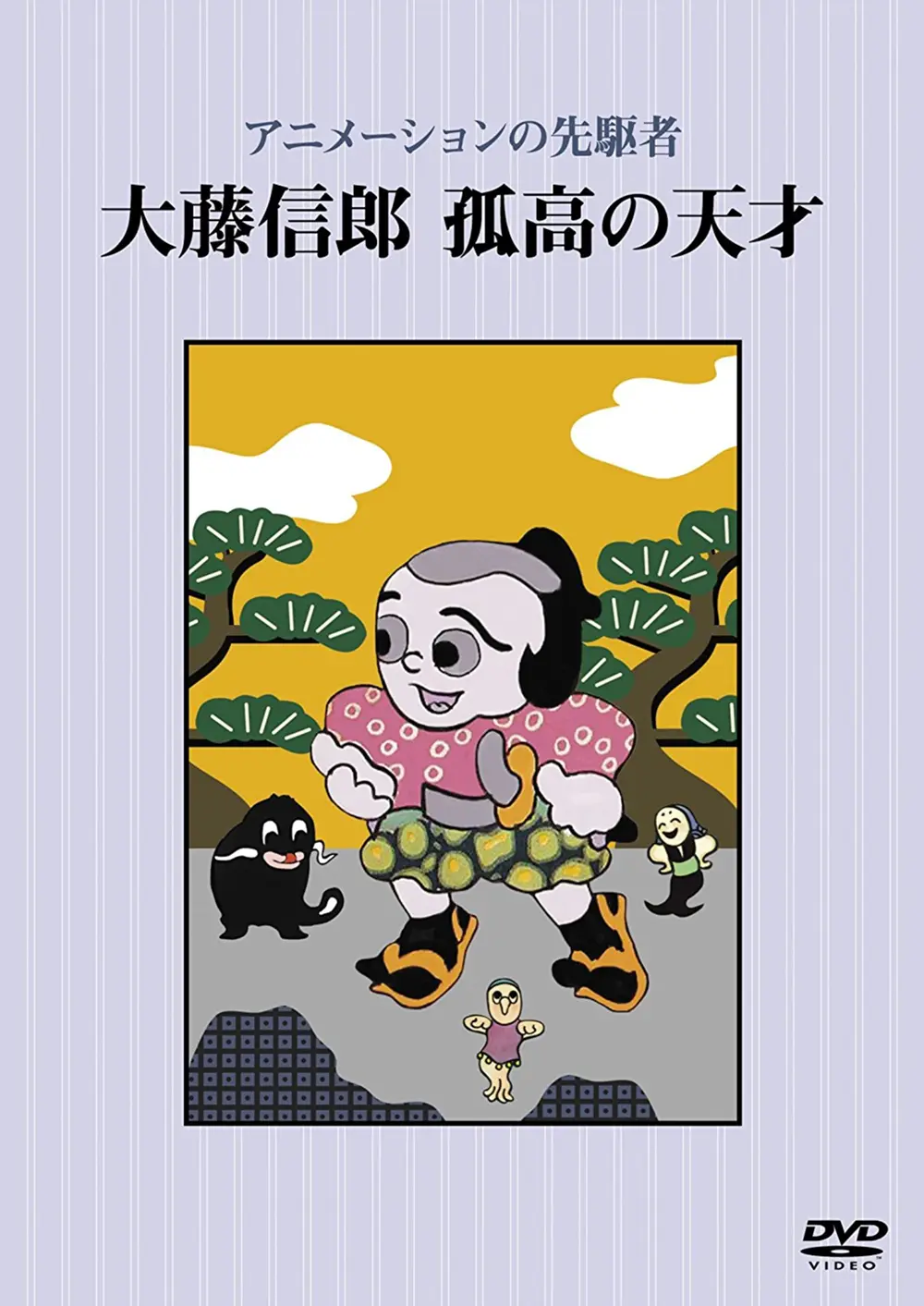
A definitive 5.3/10 rating for a film that redefined the boundaries of cult cinema. Mikan-bune remains a cornerstone of transgressive art.
Should you spend your time watching a silent, black-and-white paper animation from 1927? Short answer: yes, but only if you appreciate the structural DNA of modern animation and the beauty of analog textures. This film is essential viewing for historians and collectors of visual curiosities, though it will likely frustrate those accustomed to the fluid digital perfection of modern Shinkai or Ghibli works.
1) This film works because it utilizes the inherent limitations of silhouette animation to create a high-stakes atmosphere that feels more visceral than many high-budget live-action films of the same era. 2) This film fails because its narrative brevity leaves the central character, Bunzaemon, as a flat archetype rather than a fully realized human being. 3) You should watch it if you want to see the exact moment Japanese animation began to find its unique aesthetic voice through the use of Chiyogami paper.
To understand Mikan-bune, one must understand Noburō Ōfuji’s obsession with material. While Western animators were experimenting with cel animation and rubber-hose styles seen in films like The Busher, Ōfuji was looking backward to Japanese tradition. He used Chiyogami, a colored, patterned paper, to give his silhouettes a depth that standard black cutouts lacked. In the 1927 landscape, this was revolutionary. It wasn't just about movement; it was about the tactile quality of the frame.
The way the light interacts with the patterned paper creates a shimmering effect on the screen. It’s almost hypnotic. In one specific scene, where the ship tosses against the waves, the contrast between the dark, jagged water and the intricate patterns of the merchant's robes creates a visual tension that feels modern. It is paper. It is movement. It is genius. The simplicity of the medium forces the viewer to focus on the silhouette’s silhouette, a meta-commentary on the nature of perception itself.
The pacing of Mikan-bune is remarkably tight, a necessity of the era’s technical constraints. Unlike the sprawling narratives found in contemporary dramas like Adam's Rib, Ōfuji has no time for subplots. Every frame is dedicated to the momentum of the journey. The film moves with the rhythm of the sea it depicts—calm preparation followed by a frantic, jagged struggle against the elements. It’s a brisk watch, but it lingers in the mind because of its rhythmic consistency.
Consider the scene where the oranges are first loaded onto the vessel. There is a repetitive, almost industrial quality to the movement of the workers. It mirrors the burgeoning industrialization of Japan in the late 1920s. Even in a story about the Edo period, Ōfuji injects the anxieties of his own time. The oranges aren't just fruit; they are capital. They are the weight of a man's future. When the storm hits, the loss of a single crate feels like a tragedy because of how meticulously the loading process was choreographed.
The storm in Mikan-bune is not a background element; it is the primary antagonist. In 1927, creating a convincing sea storm with paper was an immense challenge. Ōfuji succeeds by leaning into abstraction. The waves are sharp, geometric shapes that slice across the screen. They don't look like water; they look like blades. This choice makes the merchant’s journey feel genuinely dangerous. It’s a stylistic departure from the more literal interpretations of nature seen in Western films like Dangerous Waters.
There is a moment where the ship is almost swallowed by a giant, patterned wave. The use of negative space here is breathtaking. By leaving parts of the screen entirely dark, Ōfuji forces our imagination to fill in the gaps. It’s a technique that many modern directors have forgotten. We don't need to see every drop of water to feel the spray. The minimalism is the strength. It works. But it’s flawed. The lack of facial expressions on the silhouettes means all emotion must be conveyed through body language, which occasionally veers into the melodramatic.
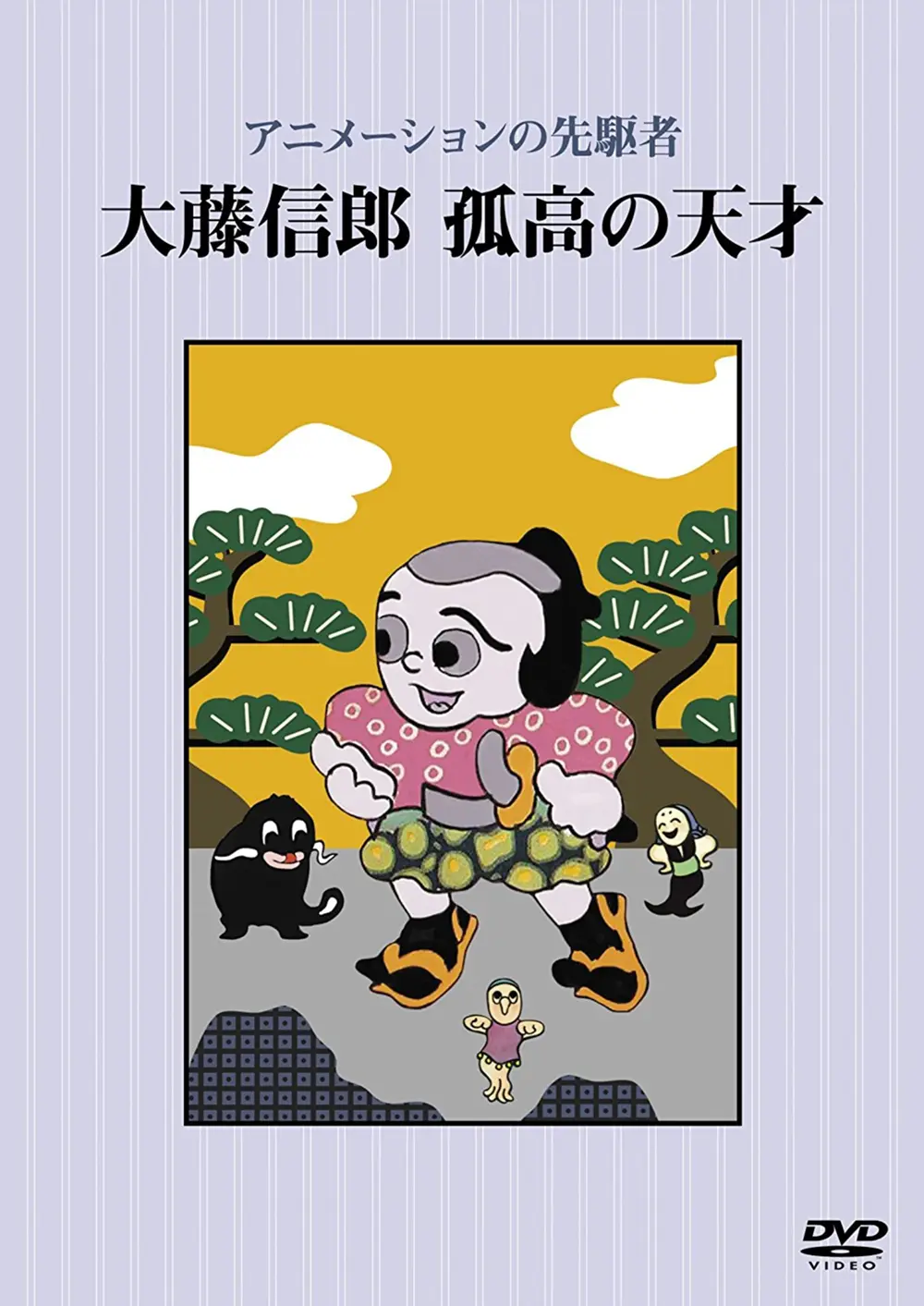
When placed alongside other 1927 releases like Stranded or the action-heavy Man of Might, Mikan-bune feels like it belongs to another dimension. While those films were pushing for realism and grander spectacles, Ōfuji was refining a niche. His work is closer in spirit to the avant-garde experiments of Europe than the commercial output of Hollywood. It shares a certain DNA with Wilhelm Tell in its folkloric roots, but the execution is entirely distinct.
The film lacks the slapstick humor of Boys Will Be Boys or the high-speed thrills of Greased Lightning. Instead, it offers a meditative, almost spiritual look at human ambition. Is it better? No. Is it more important? Arguably, yes. It proved that animation could be an art form rooted in national identity rather than just a medium for gags. It’s a somber, beautiful piece of work that demands respect even if it doesn't provide the easy entertainment of its contemporaries.
Yes, Mikan-bune is absolutely worth watching if you are a student of cinema or an animation enthusiast. It provides a rare window into the technical ingenuity of pre-war Japanese artists. However, if you are looking for a complex narrative or emotional depth, you will likely find it lacking. It is a visual poem, not a novel. It is a short, sharp shock of creativity that lasts less than ten minutes but contains more imagination than many feature-length films from the same year, such as Mind the Paint Girl.
Pros:
The visual style is entirely unique to Ōfuji. The storm sequence is a landmark in early animation. It serves as a vital historical document of Japanese folklore and art. The pacing is relentless and efficient.
Cons:
The silent format and lack of subtitles for certain versions can make the context difficult for casual viewers. The character movements are occasionally jerky. It lacks the thematic complexity of films like Lest We Forget.
We cannot discuss Mikan-bune without discussing the legacy of its creator. Noburō Ōfuji was the first Japanese animator to gain international recognition, specifically at the Venice Film Festival years later. This film was his proving ground. The techniques he refined here—the layering of paper, the use of backlighting—would eventually influence the silhouette animations of the 1950s. It’s a direct ancestor to the experimental spirit seen in modern anime like *Mononoke* or the works of Masaaki Yuasa.
In a world where we are drowning in CGI that looks increasingly similar, Mikan-bune is a reminder of what the human hand can do with a pair of scissors and a dream. It’s not just an old movie; it’s a manifesto for craftsmanship. When you watch the ship navigate those paper waves, you aren't just watching a story about oranges. You are watching the birth of an industry. It is primitive, yes. But it is also pure. It doesn't hide behind digital tricks. It is exactly what it looks like: a labor of love.
Mikan-bune is a minor masterpiece of the silent era. It doesn't have the scale of The Girl of the Golden West or the grit of To a Finish, but it has something more valuable: a soul. It is a testament to the power of simplicity. While it may not satisfy those looking for a modern cinematic experience, its historical importance and visual flair make it a mandatory stop for anyone serious about the history of the moving image. Watch it for the craft, stay for the legend, and ignore the primitive technical glitches. It is a flickering ghost of a film that still has the power to haunt the modern eye.
IMDb 5.8
1913
Community
Log in to comment.