DbcultAccessing Vault...
Cult Review
Senior Film Conservator
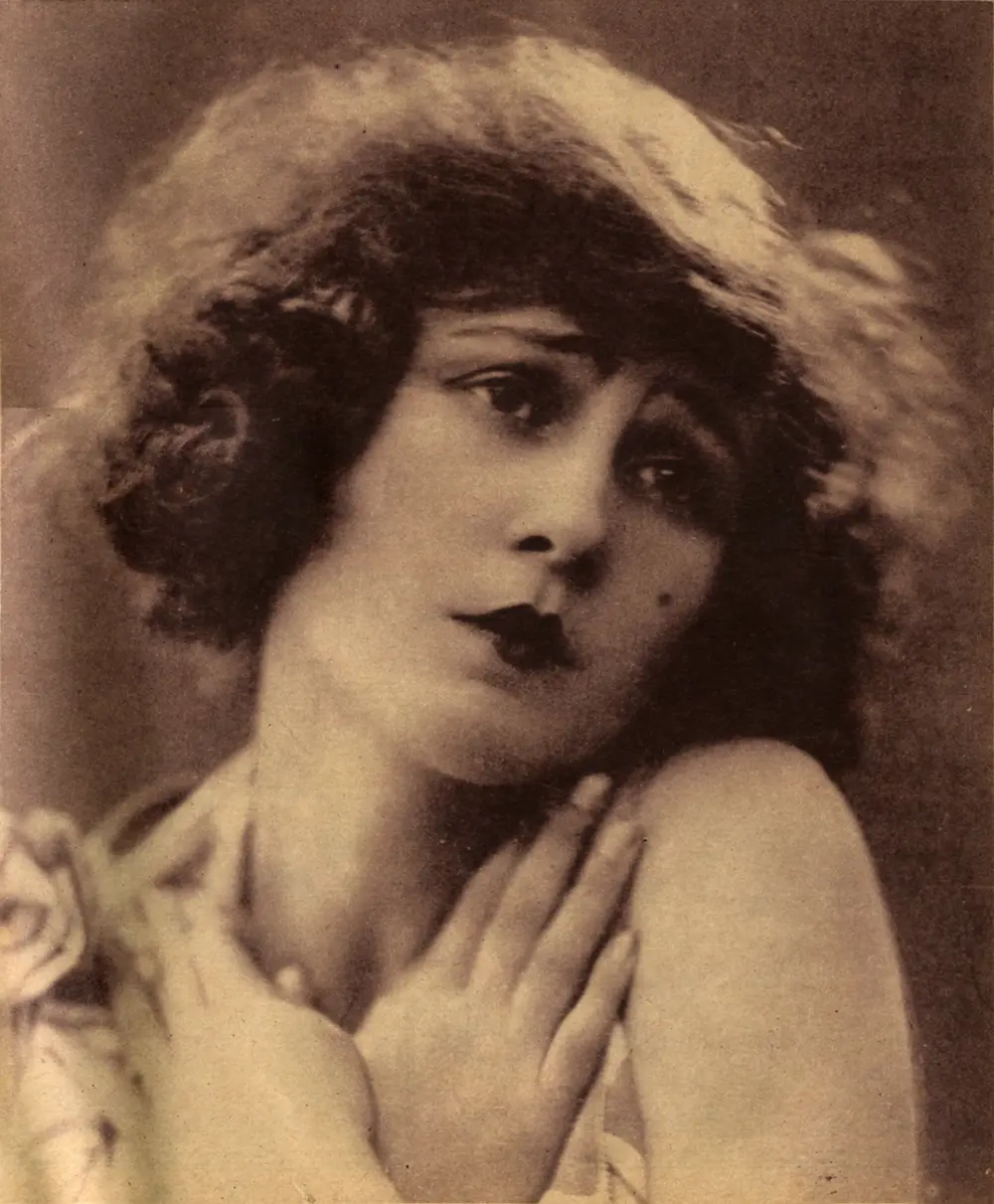
Short answer: yes, but only if you have the emotional fortitude for a story that offers no easy exits. This film is for the dedicated cinephile who appreciates the visual grammar of French Impressionist cinema and the heavy-handed moral stakes of 1920s melodrama. It is absolutely not for those seeking a lighthearted romantic escape or a fast-paced narrative; this is a slow-burn tragedy that demands your full attention.
The 1927 production of Fleur d'amour stands as a haunting reminder of how early cinema handled the 'fallen woman' trope with more nuance and visual flair than many of its sound-era successors. It is a film about the gravity of social status and the way it can pull a human soul into the gutter. Unlike the more optimistic tones found in Painted People, this French masterpiece offers a cynical view of the upward mobility of the working class.
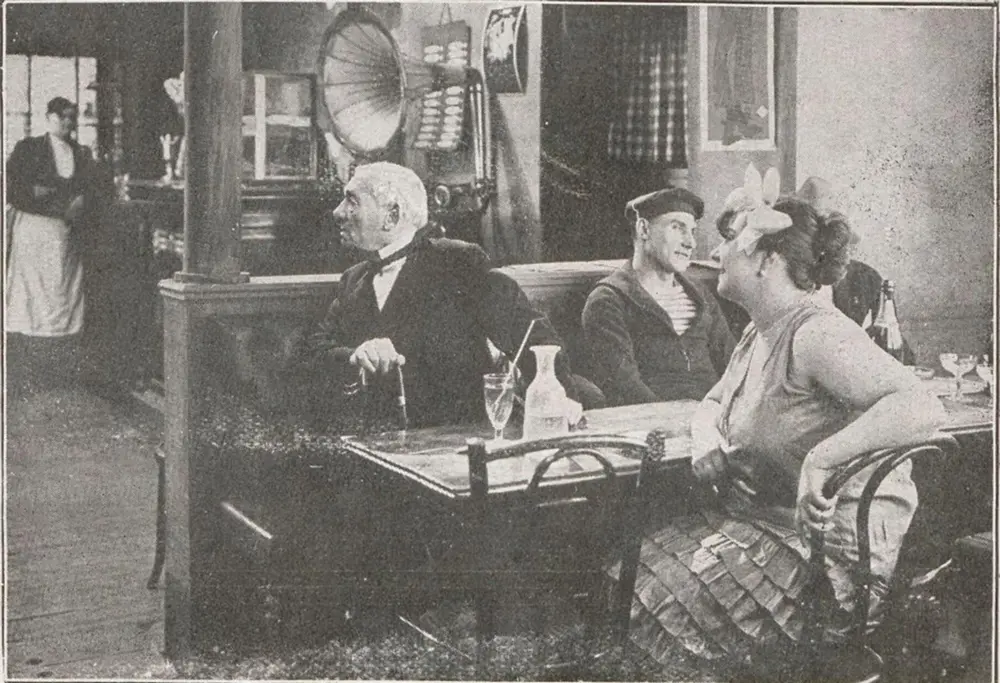
1) This film works because of the stark, almost violent visual contrast between the open Provencal landscapes and the claustrophobic, shadow-drenched brothels of Toulon.
2) This film fails because the character of Philippe is frustratingly passive, acting more as a catalyst for Colombe's suffering than a hero in his own right.
3) You should watch it if you want to see a masterclass in silent acting where the eyes convey more than any dialogue card ever could.
The first act of Fleur d'amour is deceptively beautiful. The cinematography captures the shepherdess life of Colombe with a soft-focus lens that suggests a world of eternal peace. However, this beauty is a trap. The direction by the de Féraudy family (with Maurice de Féraudy in the cast and Jacques as a writer) emphasizes that Colombe’s connection to the land is what makes her 'unfit' for the sterile, wood-paneled world of the Bourgueil family.
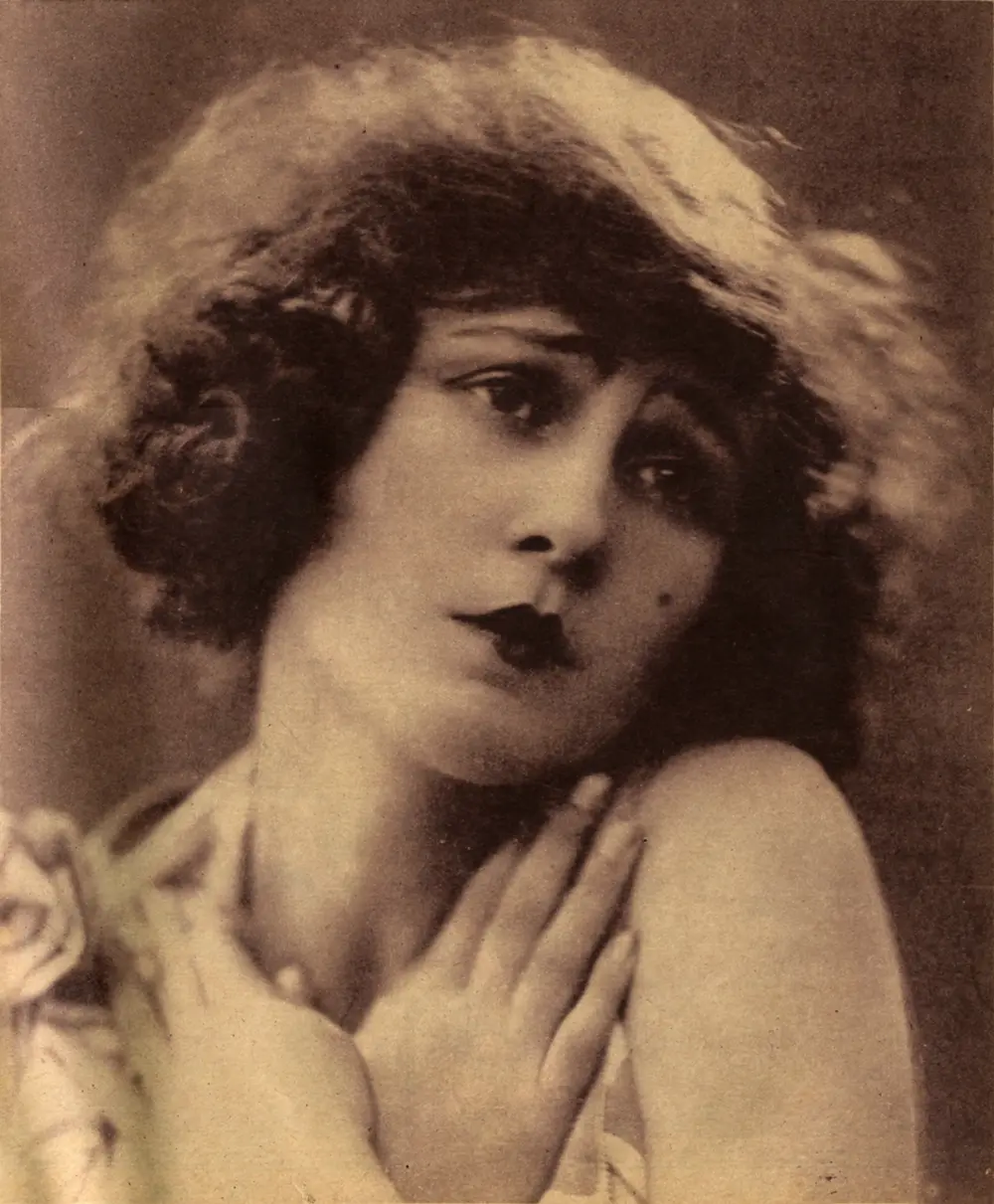
When Maître de Bourgueil enters the frame, the lighting shifts. He is often framed against heavy furniture or within the rigid lines of his law office. He represents the law—not just the legal code, but the social law that dictates who is allowed to love whom. His rejection of Colombe isn't just a fatherly whim; it's a systemic exclusion. It reminds me of the moral rigidity explored in The Scarlet Oath, where personal desire is crushed by the weight of institutional expectation.
The transition from the hills to the brothel is the film's most effective sequence. It isn't a sudden jump; it’s a slow erosion of Colombe's dignity. The pacing here is deliberate. We see her try to survive in the city, her Provencal clothes becoming increasingly tattered and out of place. The film uses urban shadows to swallow her whole. By the time she becomes a 'flower of love,' the transformation is complete.
The scenes in the brothel are shot with a gritty realism that was quite daring for the late 1920s. There is a specific moment where Colombe looks into a cracked mirror, and the camera lingers on her reflection. It’s a brutally simple sentence in visual form: her identity is shattered. This is a far cry from the more polished social dramas like The Misfit Wife; here, the social misfit doesn't find a new home—she finds a cage.
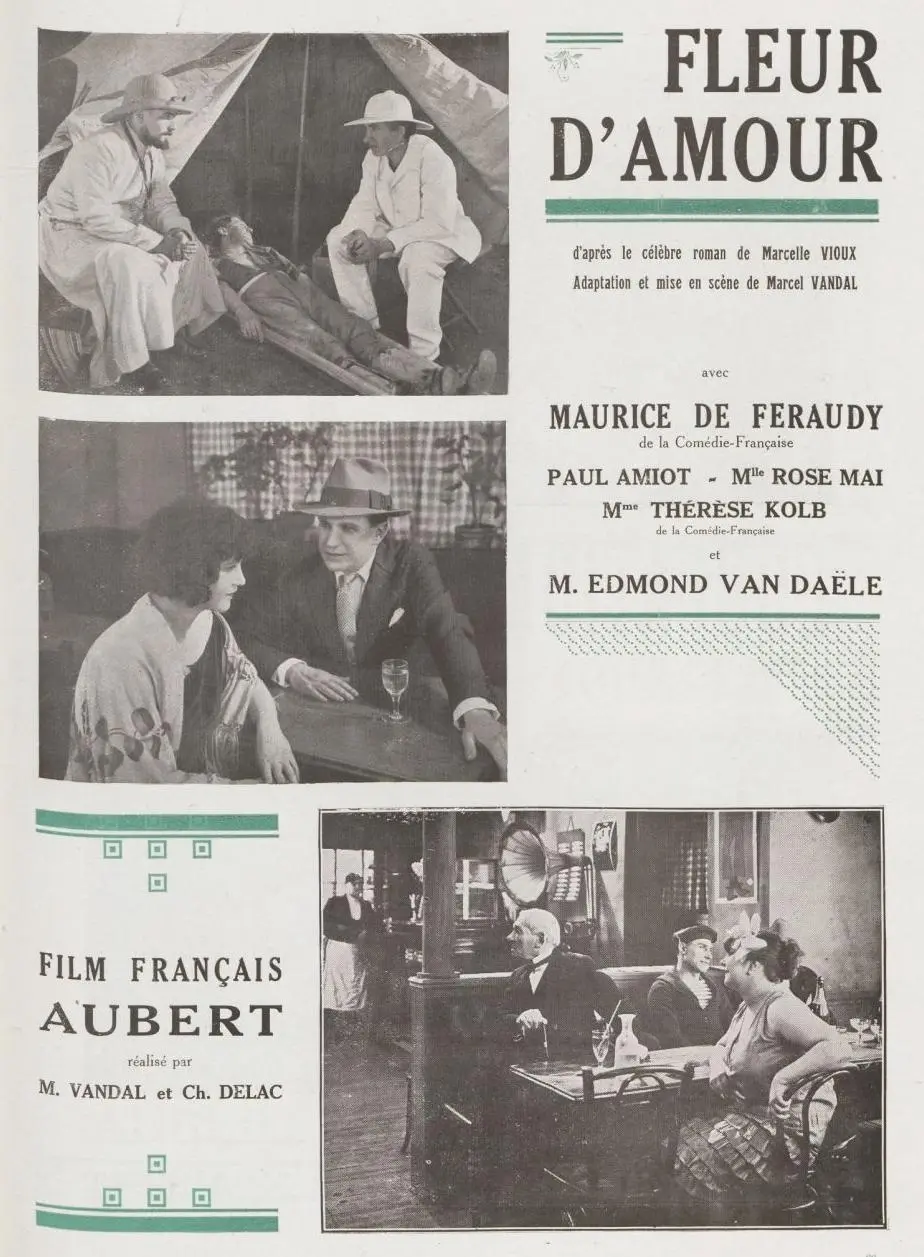
Yes, Fleur d'amour is worth watching because it is a foundational text for understanding the French social melodrama. It captures a specific cultural anxiety of the interwar period regarding the loss of rural purity to urban vice. While the plot may seem formulaic by modern standards, the execution is exceptional. The performances, particularly by the supporting cast like Paul Amiot and Thérèse Kolb, provide a grounded reality to the heightened emotional stakes. It is a film that lingers in the mind long after the final intertitle fades.
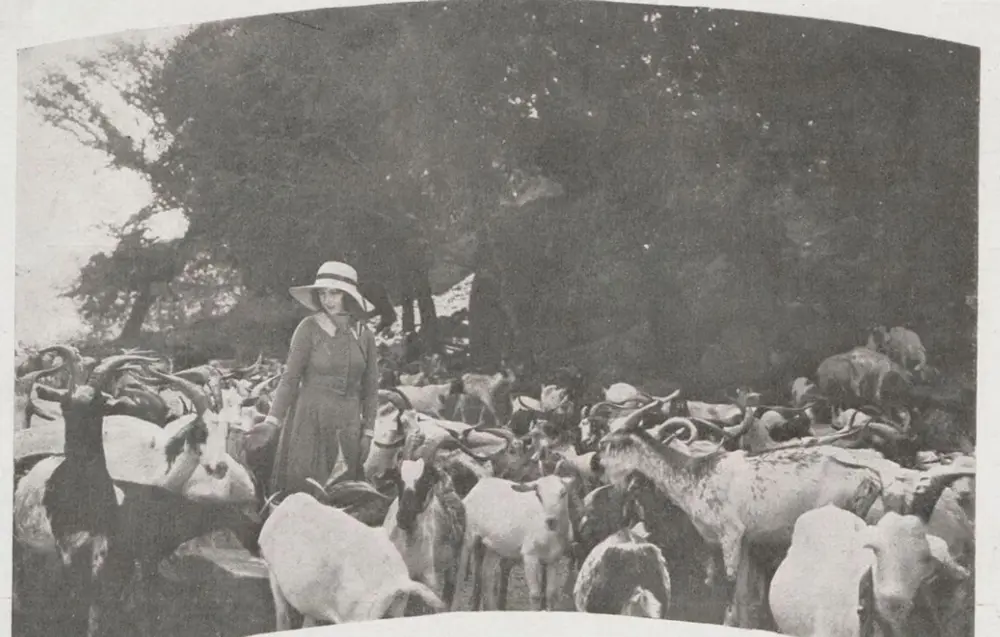
The cinematography in the latter half of the film is where the true artistry lies. The use of low-key lighting in the brothel scenes creates a sense of entrapment. Shadows stretch across the walls like bars. This visual metaphor is consistent and powerful. It’s a technique we see in other films of the era like Pilgrims of the Night, but here it feels more intimate and personal.
There is a recurring motif of flowers—first as wildflowers in the mountains, then as the ironic name given to the women in the brothel. This symbolism is perhaps a bit on the nose, but it works. It highlights the commodification of beauty. Colombe is no longer a person; she is a product. The father isn't a villain; he's a wall. He is the immovable object against which Colombe’s life is broken.
Cons:
Fleur d'amour is a devastating piece of work. It is a film that understands that the greatest tragedies aren't caused by monsters, but by respectable people following respectable rules. It works. But it’s flawed. The passivity of the lover, Philippe, remains the film's greatest narrative hurdle, yet it perhaps accurately reflects the powerlessness of the youth against the patriarchy of the time. This is a mandatory watch for anyone serious about the history of French cinema. It is a beautiful, cruel, and ultimately essential piece of silent storytelling.
"A haunting exploration of how the 'Flower of Love' is trampled by the boots of the bourgeoisie. It is a silent scream against the injustice of birthright."
IMDb —
1924
Community
Log in to comment.