DbcultAccessing Vault...
Cult Review
Senior Film Conservator
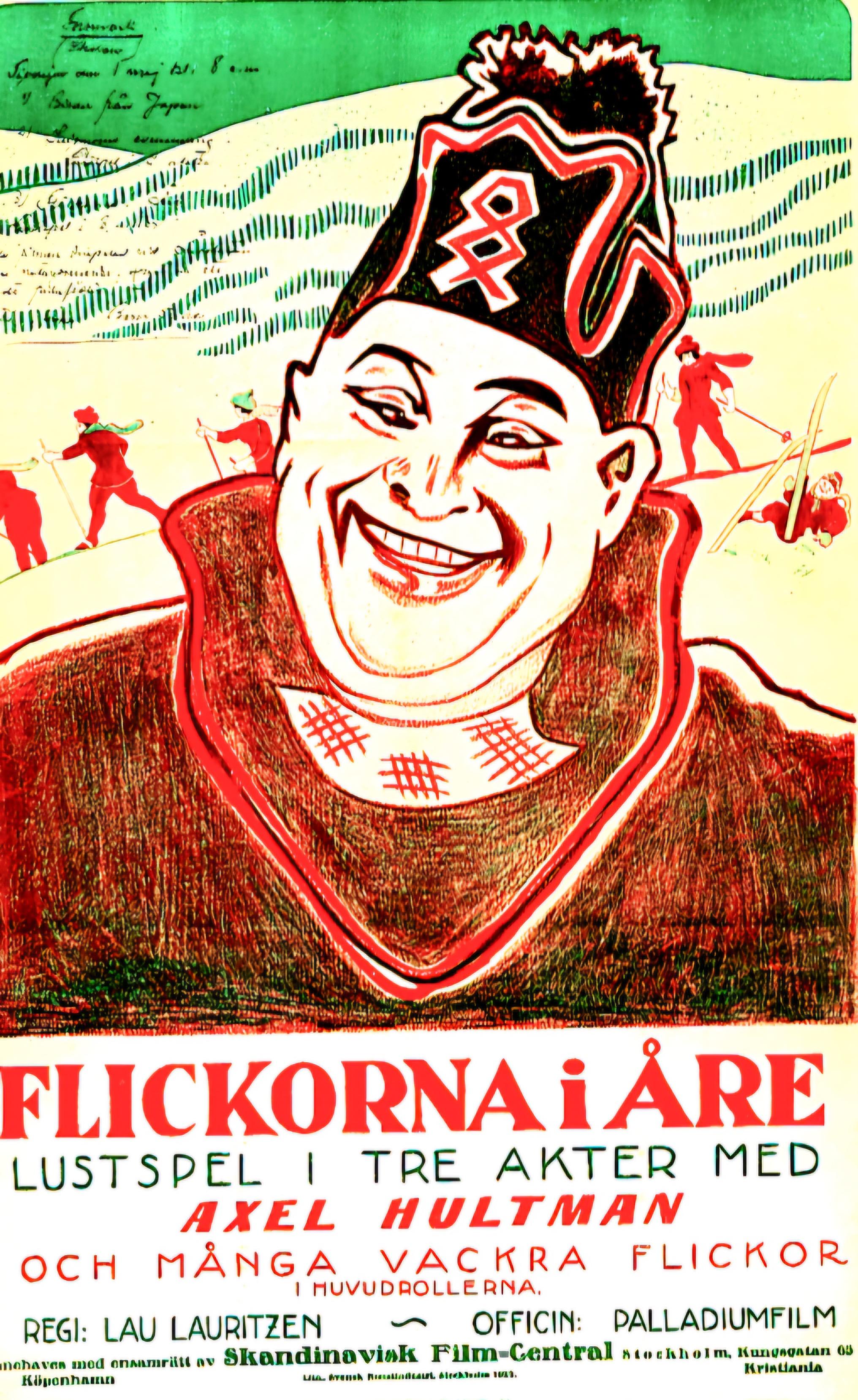
Snow has a way of keeping secrets; it blankets footprints, muffles slammed doors, swallows the crack when a heart splits along its grain. In Flickorna i Åre—a 35-minute Nordic dagger slipped between the ribs of 1921—director Ragnar Widestedt uses that silence like a scalpel, dissecting the bourgeois marriage market with such icy precision that the blade feels warm.
Amalia (Kate Fabian) enters frame through a servant’s corridor, shoulders squared as if perpetually bracing for wind. She polishes Nilsson’s rosewood, warms his toddy, and absorbs his casual humiliations the way lake ice accepts boot prints. Widestedt never lingers on her face longer than a breath; instead he lets the camera discover her hands—red, chapped, but moving with the balletic certainty of someone who could dismantle the house beam by beam were she inclined. When the rupture arrives, it is not over wages or hours but over a missing cufflink, that microscopic unit of patriarchal vanity. Amalia’s refusal to apologize for its absence detonates the film’s central thesis: property rights over women curdle the instant those women recognize their own unrecompensed value.
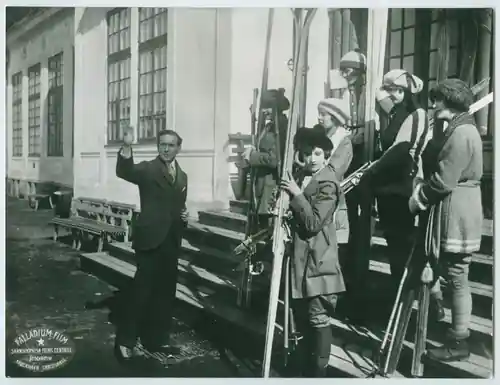
Nilsson (Axel Hultman) is introduced in a single iris-in that traps him inside his own gilt mirror like a pinned beetle. His voyage to Åre is staged as a mechanical farce: trains belch, porters scramble, and every snow-dusted signpost seems to snicker. The director intercuts ledger pages with alpine vistas—an audacious montage that predates Eisenstein’s intellectual collisions by four years—so that Nilsson’s matrimonial arithmetic becomes indistinguishable from the falling snow: both seek to bury the unruly earth beneath immaculate white columns.
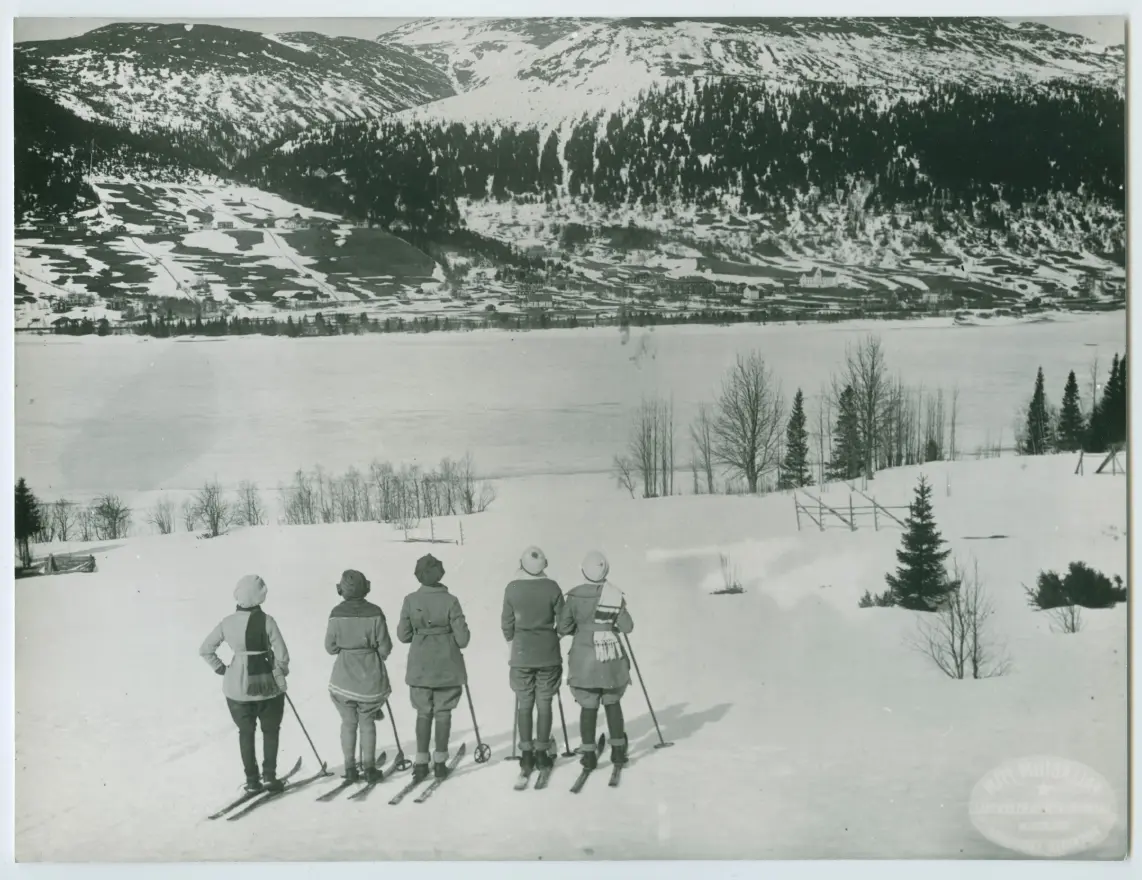
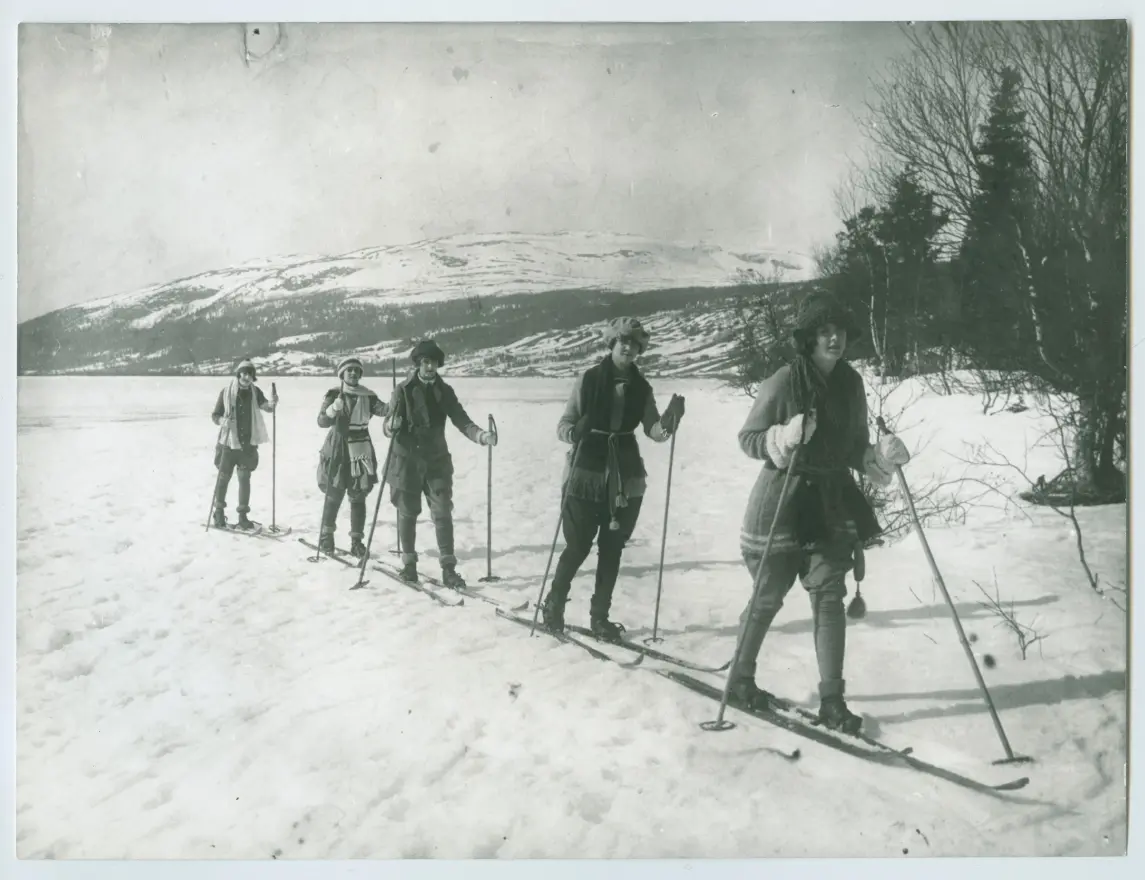
Once in Åre, the film’s palette widens. Cinematographer Hugo Edlund filters day-for-night plates through cobalt gels, turning the village into a moonlit aquarium where women drift like phosphorescent fish. Sigrid Holmquist’s heiress glimmers with the brittle glow of a chandelier about to drop; Ture Marcus’s barmaid crackles with vermouth and sabotage. Nilsson, armed with guidebook and micrometer, trudges from parlor to ski-jump attempting to measure compatibility in cubic inches of laughter, in centimeters of calf exposed beneath a wool skirt. The joke is on him: every woman already speaks a language of glances, of ski-poles tapped twice against packed snow, of silence that curves like a scythe.
The middle reel is a masterclass in negative space. Widestedt leaves the screen almost empty, letting wind howl through the intertitles. Amalia reappears without fanfare—now in a navy coat that once belonged to some other woman’s dowry—sewing ripped trousers for miners in exchange for bread and stories. The parallel montage between her threadbare dignity and Nilsson’s purchase-price courtship vibrates with Marxist electricity, yet the film never utters a single slogan; it trusts snow, fabric, and faces to do the talking.
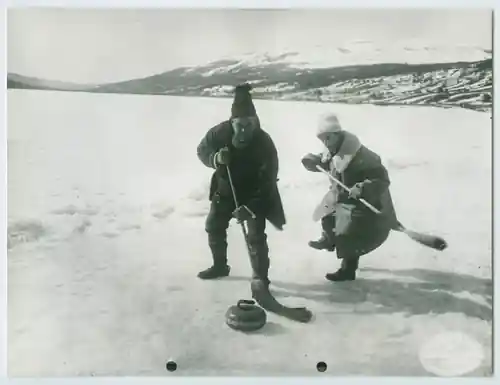
When the inevitable confrontation arrives, it is staged inside a candle-lit curling hall during a winter festival. Nilsson, drunk on aquavit and prospective dowries, mistakes Amalia in her new coat for a wealthy widow. He bows, offers his arm, and for a heartbeat the old power differential rears its head. Amalia’s response is to remove her glove, extend her bare hand—raw, work-scarred—into the candlelight. The gesture lasts perhaps twelve frames, but it sears: an unspoken These are the hands that once warmed your bed-socks; see what you have reduced to currency. Nilsson’s stammered apology is drowned by a communal cheer as the curling stone slides down the rink, a perfect metaphor for history’s indifferent momentum.
What follows upends every narrative convention 1921 expected of its women. Amalia boards the dawn train not with a lover, not with a fortune, but with a sealed envelope containing the unpaid wages she quietly calculated over years—plus interest compounded by dignity. She sits by the window, forehead against cold glass, and as the station recedes the film superimposes her reflection over Nilsson’s distant figure, shrinking until he becomes another dark speck on the white field. It is one of silent cinema’s most haunting dissolves, a spectral premonition of every future woman who will refuse to be collateral.
Technically, the print survives only because a Norwegian projectionist hid the negative in a church crypt during the 1924 nitrate purges. Restoration by the Swedish Film Institute in 2019 unearthed a cyan-tinted first reel that turns night scenes into aquamarine fever dreams. The newly-minted 2K DCP retains the original stencil coloring on intertitles—each card edged in saffron, like pages of a prayer book violated by secular gossip. Mattie Bye’s 2002 score, performed on solo viola d’amore, threads a trembling continuo beneath the snow, recalling Kreuzigt sie!’s ecclesiastical dread yet opting for frostbite rather than crucifixion.
Performances resist the era’s standard semaphore acting. Fabian’s micro-expressions—an eyelid fluttering like a trapped moth, the left corner of her mouth surrendering to a smile she immediately recalls—predate Garbo’s iconic minimalism by half a decade. Hultman allows his cheeks to redden from within, an alcohol-fed humiliation that no pancake can mask. When his voice cracks during the proposal scene (rendered only in intertitle), you swear you can hear it across a century.
Comparative context enriches the experience. Fans of The Brand will recognize the same Calvinist guilt pressing down like a boot heel, yet here salvation is secular and self-authored. Viewers who admired the class satire in The Joyous Liar will find Flickorna colder, more surgical, its jokes whispered rather than bellowed. And anyone lured by the marital market exposé in Should a Woman Divorce? should treat this as its Swedish prequel, distilled to crystalline 35-proof austerity.
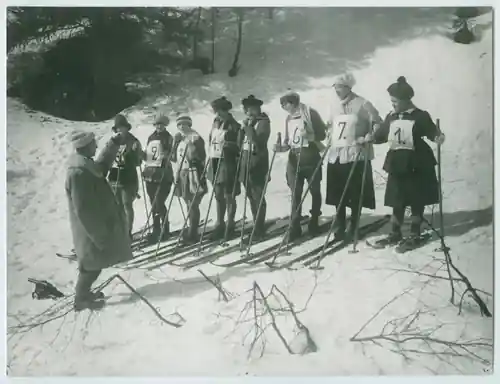
Themes reverberate beyond gender. The film is an early meditation on mobility—trains, sleighs, the vertiginous funicular that delivers tourists above tree-line—each machine promising reinvention yet delivering only relocation of the same corrosive hierarchies. Note how Widestedt shoots the funicular ascending: passengers framed through slats, their faces flickering between black bars like specimens under a microscope. By the time the cars reach the summit, snow blindness erases every footprint; the mountain is a palimpsest, a capitalist dream that resets each dawn.
Even the title—The Girls in Åre—is a feint. It markets itself as a touristic tableau, a postcard come alive. Yet the girls belong to no one; they circulate, observe, extract, depart. The final shot withholds the word End. Instead, whiteout engulfs the screen until projector light alone remains, as if challenging the audience to write the next frame outside the gates of patriarchy.
Contemporary resonance? Replace snow with Instagram filters, replace dowries with follower counts, and the machinery grinds unchanged. The film’s refusal to punish Amalia for autonomy feels radical beside today’s algorithmic appetite for contrite heroines. Her exit is not a triumph but a calibration: she reclaims the exact space Nilsson denied her, nothing more, nothing less.
Where to watch: the 2019 restoration streams on Criterion Channel during their Nordic winter retrospectives, cycles in January. A 16mm print with Danish intertitles screens at MoMA every December during their Snow in Cinema series. For the adventurous, an unrestored 9.5mm Pathéscope abridgement—complete with French purple tint—lurks in the Internet Archive, riddled with nitrate boils that resemble falling embers, a ghostly accident that somehow deepens the chill.
Bottom line: Flickorna i Åre is not a museum curiosity; it is a live round. It whispers that every economic system built on unpaid labor eventually faces the moment when the ledger freezes, the mirror cracks, and the woman who once warmed the sheets steps into the snow, leaving behind only the echo of a glove that never belonged to her. Watch it beside a window on a night when frost feathers the glass; let the film’s final whiteout merge with your own reflection until you, like Nilsson, question which footprints were ever truly yours.
Verdict: 9.3/10 — a frostbitten masterpiece that still bites.
IMDb —
1921
Community
Log in to comment.