DbcultAccessing Vault...
Cult Review
Senior Film Conservator
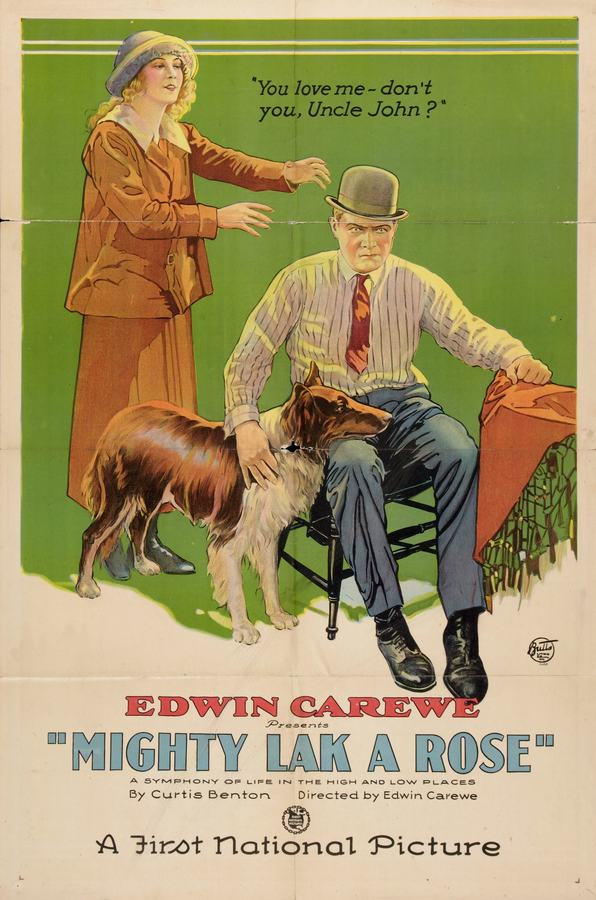
The year 1923 represented a fascinating crossroads for American cinema, a period where the primitive energy of the nickelodeon era was rapidly maturing into a sophisticated visual language. Edwin Carewe’s Mighty Lak' a Rose stands as a monumental testament to this evolution. It is not merely a melodrama; it is an exploration of the sensory and the spiritual, utilizing the silent medium to articulate the profound impact of music and the unseen. Dorothy Mackaill, portraying the blind Rose Duncan, delivers a performance that transcends the typical histrionics of the silent screen, offering instead a nuanced vulnerability that anchors the film’s moral weight.
Carewe’s direction employs a chiaroscuro sensibility that highlights the stark dichotomy between Rose’s world of internal melody and the external grime of the criminal hideout. The gang of crooks, played with a surprising depth of character by actors like Anders Randolf and Paul Panzer, are initially presented as archetypal villains. However, as the narrative unfolds, we see them refracted through Rose’s perception. To her, they are not predators but companions, a misconception that ironically forces them to inhabit the roles of the men they wish they were. This psychological shift is handled with a deftness that rivals the moral complexities found in The Nth Commandment, where the weight of social expectation and personal failing creates a crushing atmospheric pressure.
"The violin becomes an extension of Rose's soul, a bridge between the gutter and the heavens that the men around her are desperate to cross."
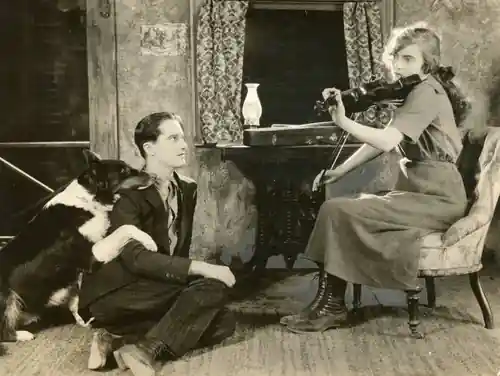
The visual storytelling here is paramount. Without the benefit of synchronized sound, the film relies on the rhythm of its editing and the expressive lighting of its sets. The scenes where Rose plays her violin are shot with a soft-focus luminosity that contrasts sharply with the jagged, hard shadows of the alleyways where the 'last job' is planned. This stylistic choice mirrors the thematic tension between the purity of art and the corruption of the street. Unlike the more adventurous spirit of The Phantom Buccaneer, which leans into the spectacle of action, Mighty Lak' a Rose finds its pulse in the quietude of a shared glance or the trembling of a bow against a string.
James Rennie’s portrayal of Jimmy Harrison provides the film’s emotional core. His transformation from a hardened criminal to a man willing to sacrifice his freedom for a woman who cannot even see him is the quintessential redemptive arc. This narrative device—the 'one last job' for a noble cause—was already becoming a staple of the genre, yet here it feels visceral rather than formulaic. The tension is palpable as the gang attempts to secure the funds for Rose’s surgery. We see a similar exploration of the domestic and the criminal colliding in The Honor of His House, but Carewe elevates the stakes by tying the outcome to the literal restoration of sight.
The surgery itself is a sequence of haunting intensity. The bandages across Rose’s eyes serve as a physical manifestation of the suspense. Will she see? And if she does, will she recognize the ugliness of the world that saved her? This existential dread is what separates this film from lighter fare of the era like Monkey Stuff or the slapstick antics of Bumps and Thumps. There is a gravity here that demands the audience’s total emotional investment.
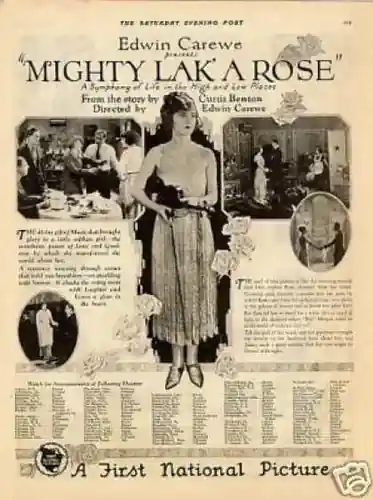
When Rose eventually gains her sight, the film takes a sophisticated turn. She becomes a celebrated musician, a transformation that could easily have felt like a hollow happy ending. Instead, the narrative lingers on the absence of Jimmy. Rose’s success is built upon a foundation of his suffering. This bittersweet realization is a hallmark of the era’s best dramas, echoing the poignant ironies found in More Truth Than Poetry. The film asks us to consider if the beauty of the result can ever truly wash away the stain of the means.
The cinematography during Rose's debut performance is nothing short of breathtaking. The camera captures the scale of the concert hall, emphasizing her newfound place in a world of light and high culture. It is a far cry from the cramped, smoky rooms of the first act. Yet, the editing frequently cuts back to the stark walls of the prison where Jimmy resides. This juxtaposition creates a rhythmic heartbeat of longing and regret. It’s a technique that predates the sophisticated cross-cutting we see in international works like La llaga or the psychological depth of Der unsichtbare Dieb.
As we approach the final act, the reunion between Jimmy and Rose avoids the saccharine pitfalls that often plague silent-era resolutions. It is a moment of profound recognition—not just of faces, but of souls. Rose’s ability to see him for who he is, despite his past, serves as the ultimate catharsis. The film successfully navigates the perilous waters between the comedic levity of Lady Barnacle or Hemslavinnor and the grim realism of war dramas like Over the Top.
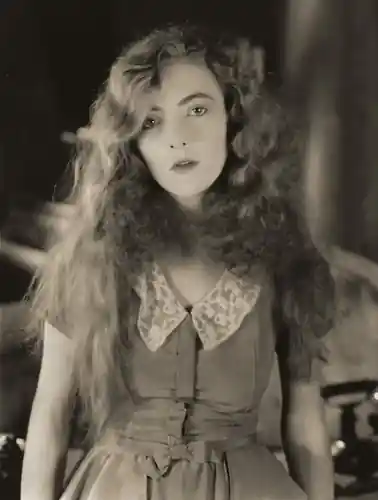
The supporting cast deserves immense credit for maintaining the film’s equilibrium. Mickey Bennett and Dora Mills Adams provide a groundedness that prevents the story from floating away into pure abstraction. The writing by Adelaide Heilbron, George V. Hobart, and Curtis Benton ensures that every character, no matter how minor, feels like a cog in a larger, inevitable machine. This structural integrity reminds me of the tightly woven narratives in The Midnight Bride or the focused intensity of The Birthday.
In the grander scheme of silent cinema, Mighty Lak' a Rose is a crucial artifact. It demonstrates a mastery of emotional manipulation that feels earned rather than forced. It understands that for light to be meaningful, it must be won from the dark. While many films of the time were content with simple thrills—think of the breathless pacing in Hold Your Breath or the maritime isolation in The Boat—Carewe’s work strives for something more enduring. It is a symphony of the human condition, played out in the flicker of 35mm film, reminding us that even the most broken of instruments can still produce a heavenly sound.
Final Verdict: A luminous example of silent drama that remains as potent today as it was a century ago. Dorothy Mackaill’s Rose is a performance for the ages, and the film’s exploration of sacrifice remains a hauntingly beautiful cinematic experience.
IMDb —
1921
Community
Log in to comment.