DbcultAccessing Vault...
Cult Review
Senior Film Conservator
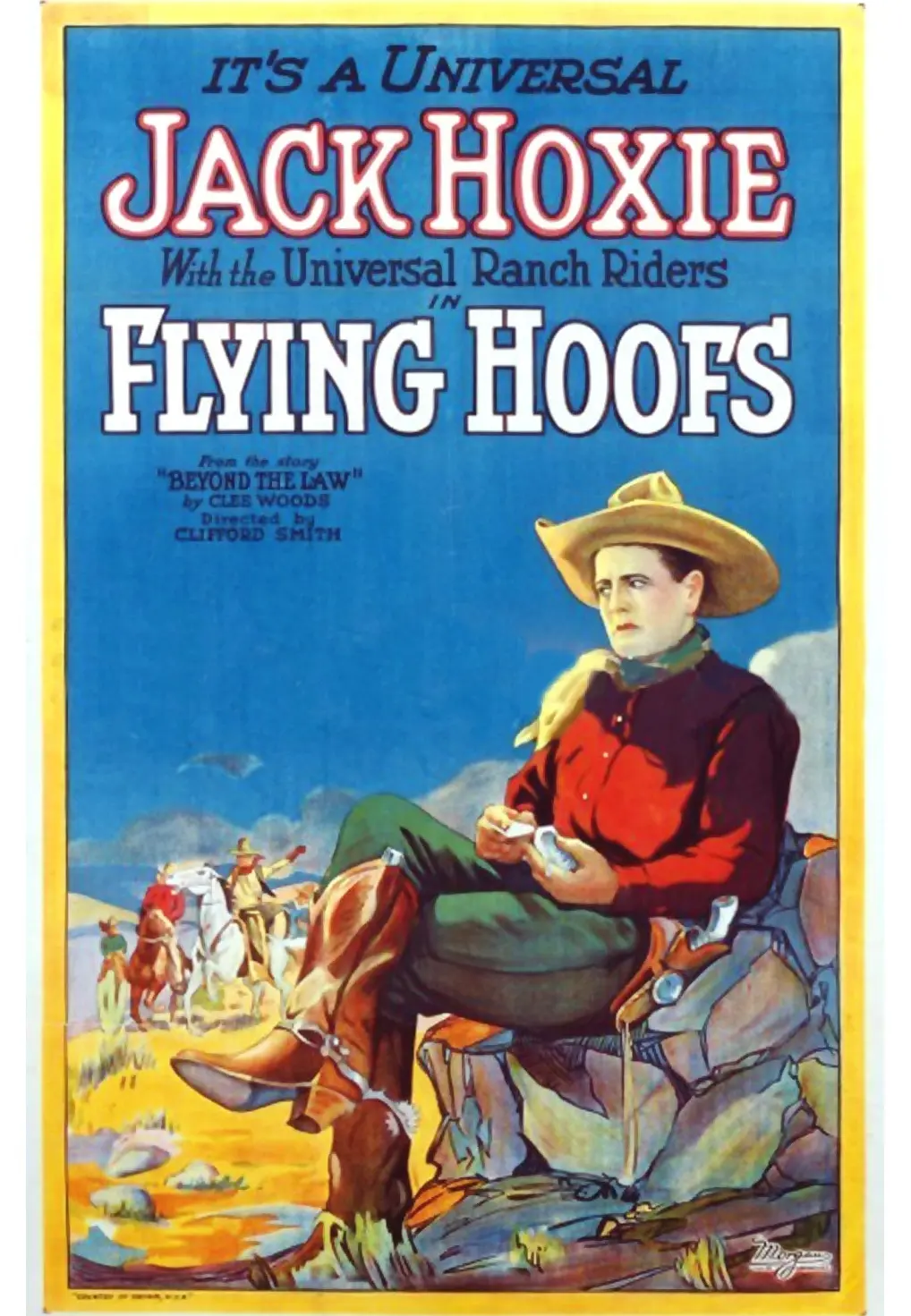
Is Flying Hoofs worth watching today? Short answer: yes, but only if you appreciate the raw, unpolished kinetic energy of the silent era’s B-westerns. This isn't a film for those who need high-definition explosions; it is a film for those who want to see the foundational blocks of the Western genre being laid down with sweat and horsehair.
This film works because the central conflict—brother against brother, duty against blood—is timeless. It fails because the secondary characters, particularly the villainous banker, are painted with such broad, stereotypical strokes that they lack any real psychological depth. You should watch it if you are a fan of Jack Hoxie or if you want to see how early cinema handled the 'wrongly accused' trope with genuine physical stakes.
Flying Hoofs is a worthwhile watch for cinema historians and Western enthusiasts. It offers a rare look at Jack Hoxie at the height of his physical prowess. The film provides a direct window into the 1920s obsession with rugged individualism and the fallibility of the legal system. If you enjoy character-driven silent films with high-stakes melodrama, this is a solid choice.
The 1920s Western was often a simplistic affair, but Flying Hoofs attempts something slightly more ambitious by placing Sheriff Frank Moody in an impossible position. Jack Hoxie, often dismissed as a mere stunt-player, brings a surprising amount of internal conflict to the role of Frank. You can see it in the way he handles the evidence against Henry; there is a physical heaviness to his movements that suggests a man crushed by his own integrity. He isn't just a lawman; he's a brother who is failing his family in the name of the state.
The script by Clee Woods doesn't shy away from the bitterness of the era. The subplot involving the foreclosure of the Moody ranch adds a layer of socio-economic desperation that makes Henry’s outbursts feel earned rather than just petulant. When Henry threatens the banker, it isn't just a plot device; it’s a cry of pain from a class of people being squeezed out of their own land. This gives the film a grounded reality that many of its contemporaries, like Wild Women, lacked in their more fantastical depictions of the West.
However, the mystery of 'The Raven' is where the film stumbles slightly. By modern standards, the 'twist' is visible from a mile away. But the film isn't really about the mystery; it’s about the procedural agony of Frank having to arrest his own flesh and blood. The scene where Frank has to lead Henry to his cell is filmed with a stark, cold minimalism that feels surprisingly modern. There are no grand gestures, just the quiet clink of keys and the avoidance of eye contact. It works. But it’s flawed by the pacing of the middle act.
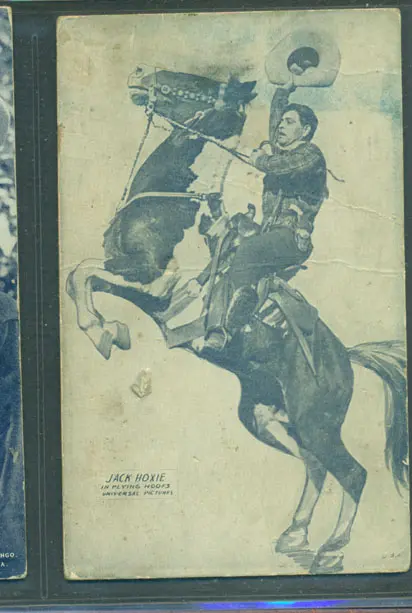
One cannot discuss Flying Hoofs without mentioning the Universal Ranch Riders. In an era before CGI or sophisticated safety rigs, these performers were doing legitimate, bone-breaking work. The horsemanship on display here is superior to almost anything you see in modern cinema. There is a chase sequence across a rocky ridge that feels genuinely dangerous. You can see the dust clogging the actors' throats and the horses straining under the weight of the pursuit. It’s visceral.
The cinematography by the uncredited camera team utilizes the natural light of the California locations to create a high-contrast world of deep blacks and bleached whites. This visual style mirrors the moral landscape of the film. The bank robbery scene, in particular, uses shadows to hide the identity of the bandit in a way that feels like a precursor to Film Noir. Compared to the more stage-bound feel of The City of Silent Men, Flying Hoofs feels expansive and untamed.
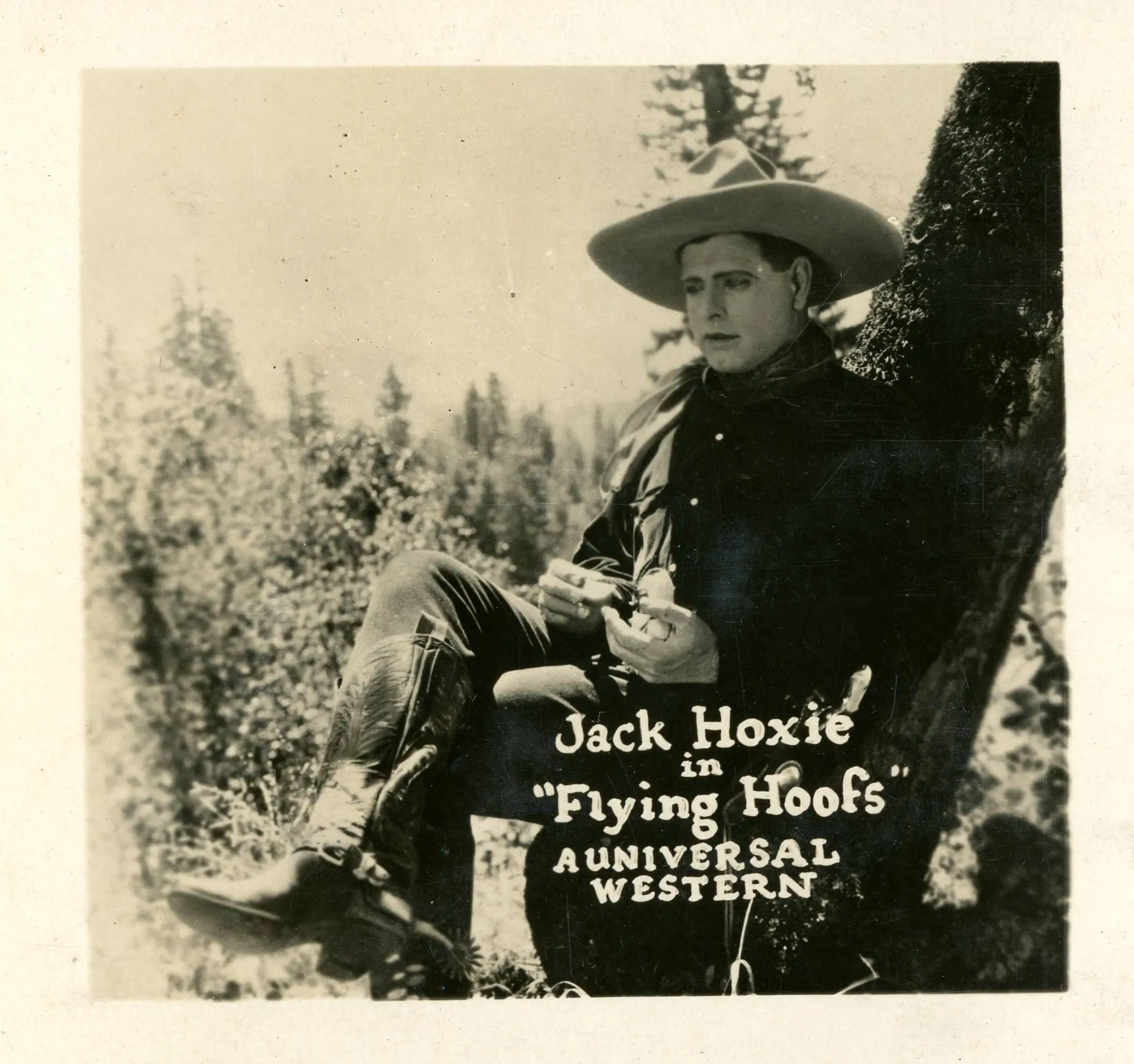
Jack Hoxie’s performance is anchored by his physical presence. He doesn't just ride a horse; he commands the frame. While his acting might seem exaggerated to modern audiences—a common critique of the silent era—it’s important to remember that these performers were essentially mimes with grit. Every tilt of his hat and every clench of his jaw communicates a specific emotional state. It’s a masterclass in silent communication, even if the plot beats are familiar.
The biggest weakness of the film is J. Gordon Russell's portrayal of the banker. He is the quintessential 'mustache-twirling' villain. In a film that tries to find nuance in the relationship between the two brothers, having such a one-dimensional antagonist feels like a missed opportunity. He represents the 'system,' but he does so without any of the complexity that makes a villain truly terrifying. He is simply an obstacle to be overcome.
This is a common issue in films of this period, such as A Man and His Money, where the conflict is often externalized into a single 'bad man' rather than exploring the systemic issues at play. If the film had spent more time exploring the banker's motivations—perhaps a fear of his own obsolescence—the final confrontation would have carried more weight. As it stands, his downfall is satisfying but ultimately hollow.
Pros:
- Jack Hoxie’s commanding physical performance.
- Genuine tension in the brother-vs-brother dynamic.
- Beautifully shot outdoor sequences that capture the scale of the West.
- A high-stakes climax that actually feels earned.
Cons:
- The identity of 'The Raven' is obvious far too early.
- The female lead, Alys Murrell, is given very little to do besides look concerned.
- Some of the intertitles are overly wordy and disrupt the visual flow.
When placed alongside other 1925 releases like Pasteur or If Marriage Fails, Flying Hoofs stands out for its lack of pretension. It isn't trying to be high art or a moral treatise on the state of the world. It is a genre film through and through. It shares a certain DNA with '49-'17 in its reverence for the 'Old West' as a place of moral testing.
The film also reflects the transition of the Western from the short, one-reelers of the previous decade into the feature-length dramas that would eventually dominate the 1930s. You can see the seeds of the 'B-Western' factory here—the efficient storytelling, the reliance on physical action, and the clear-cut morality. It’s a lean machine of a movie, even if its gears grind a bit loudly in the second act.
Flying Hoofs is a fascinating artifact of a bygone era. It isn't a masterpiece of subtle storytelling, but it is a masterclass in physical filmmaking. The central dilemma faced by Sheriff Frank Moody remains compelling, even if the surrounding plot elements are weathered by time. It’s a film that demands you meet it on its own terms—silent, dusty, and relentlessly earnest.
If you can look past the theatricality of the silent era, you’ll find a story with a surprising amount of heart. The bond between the Moody brothers is the true anchor of the film, and it’s what keeps the audience invested through the more clichéd moments. Jack Hoxie might not have the name recognition of John Wayne today, but in Flying Hoofs, he proves he was a titan of the genre in his own right. It’s a rough ride, but one worth taking. The horses are fast, the stakes are high, and the justice is hard-won. It’s exactly what a Western should be.
IMDb 4.9
1932
Community
Log in to comment.