DbcultAccessing Vault...
6.4/10
Senior Film Conservator
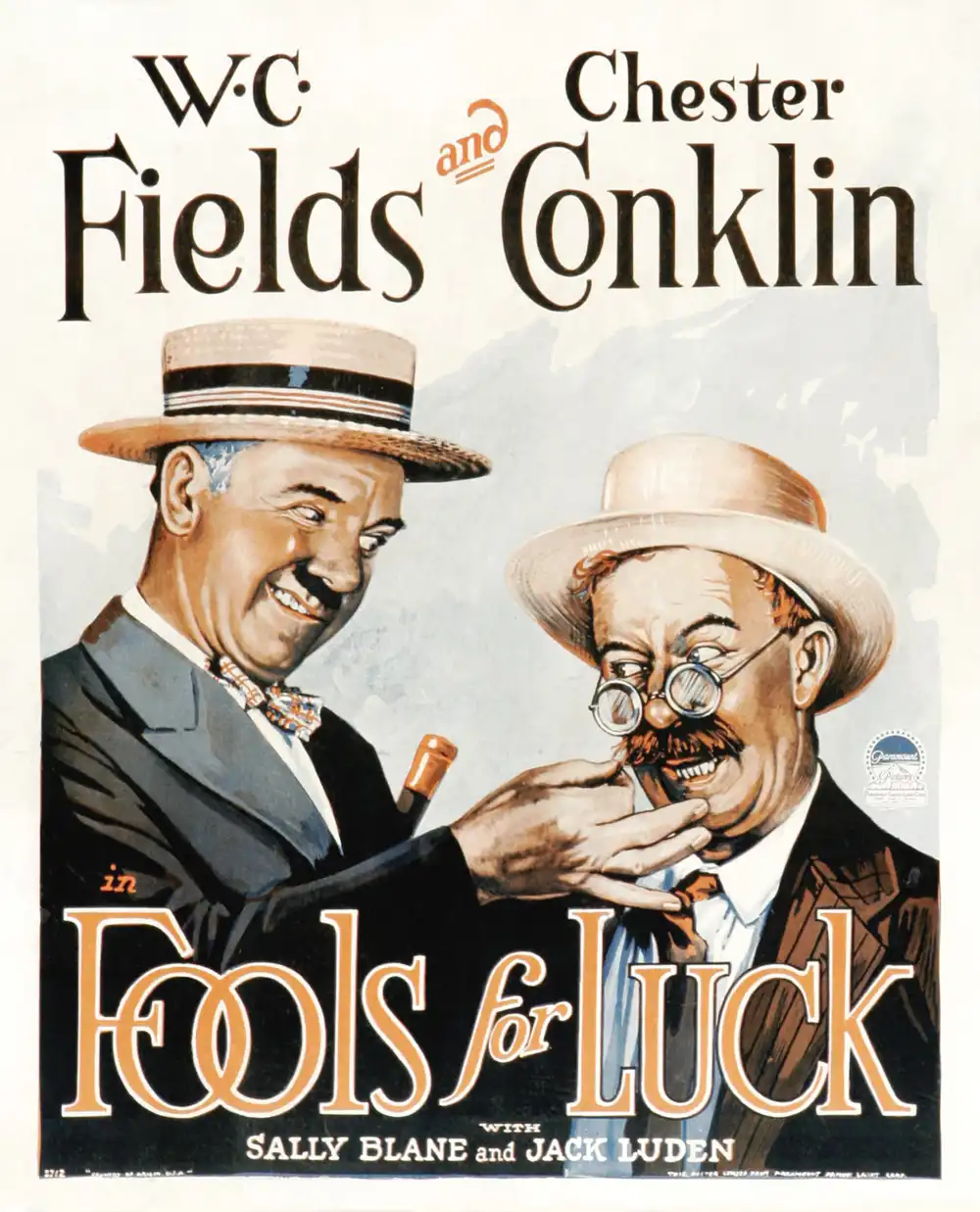
A definitive 6.4/10 rating for a film that redefined the boundaries of cult cinema. Fools for Luck remains a cornerstone of transgressive art.
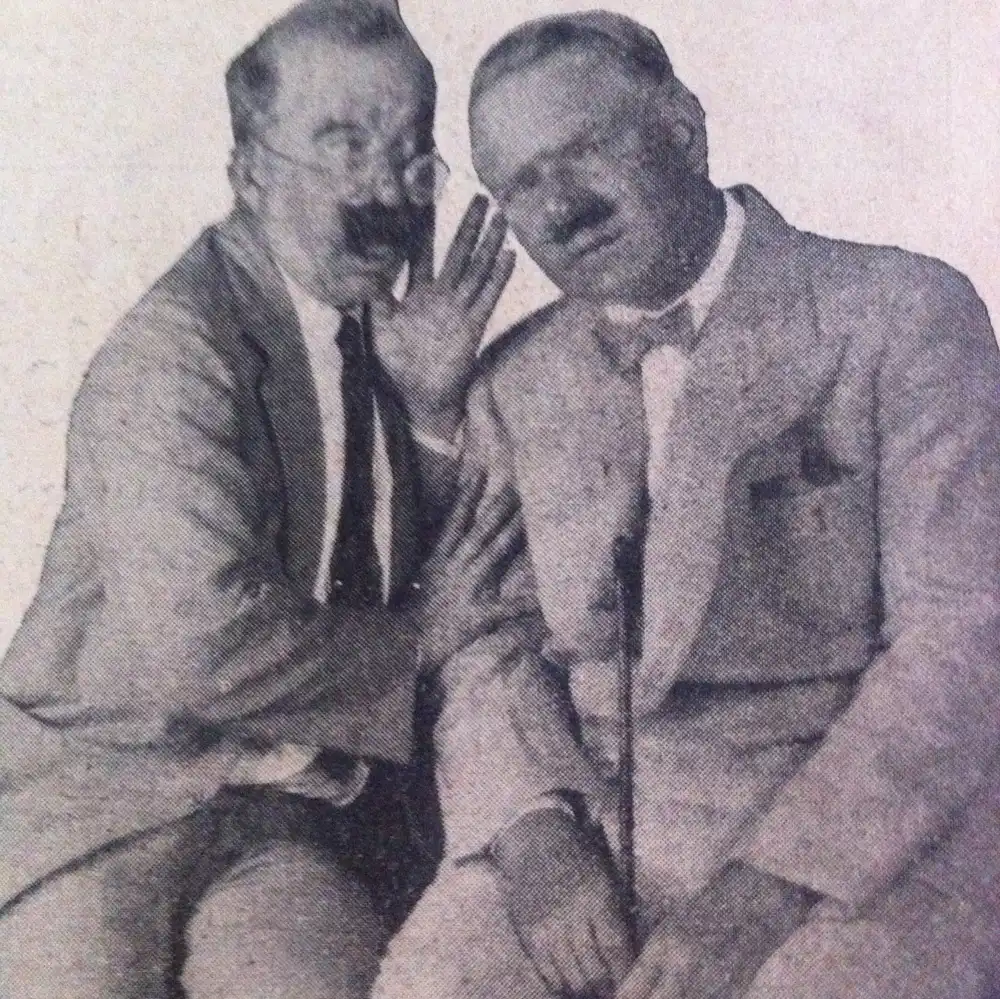
If you’re coming to Fools for Luck expecting the fully-formed, whiskey-soaked persona of W.C. Fields from his later sound films, you’re going to be disappointed. This is 1928, and the studio was clearly trying to force a 'comedy duo' dynamic between Fields and Chester Conklin that doesn't always land. It’s worth watching if you have a soft spot for late-silent era oddities or if you just want to see Fields before he became a caricature of himself, but anyone looking for a tight, laugh-a-minute slapstick routine will probably find it a bit of a slog.
The movie centers on Sam Hunter (Conklin), a man with more money than sense, who gets targeted by Richard Whitehead (Fields), a guy who looks like he’s wearing a top hat just to hide the fact that he hasn't slept in three days. The plot about an oil scam is pretty standard for the era—think of it as a less gritty version of some of the stuff you’d see in Chimmie Fadden Out West—but the charm here, if there is any, is in the specific weirdness of the two leads.
There is a scene early on where Fields is trying to convince the town to invest, and the way he handles his gloves is more interesting than the actual dialogue on the intertitles. He has this fussy, nervous energy that feels very different from the cynical drunk he played later. He’s a con man, but a desperate one. You can see him sweating through the makeup in a couple of the closer shots.
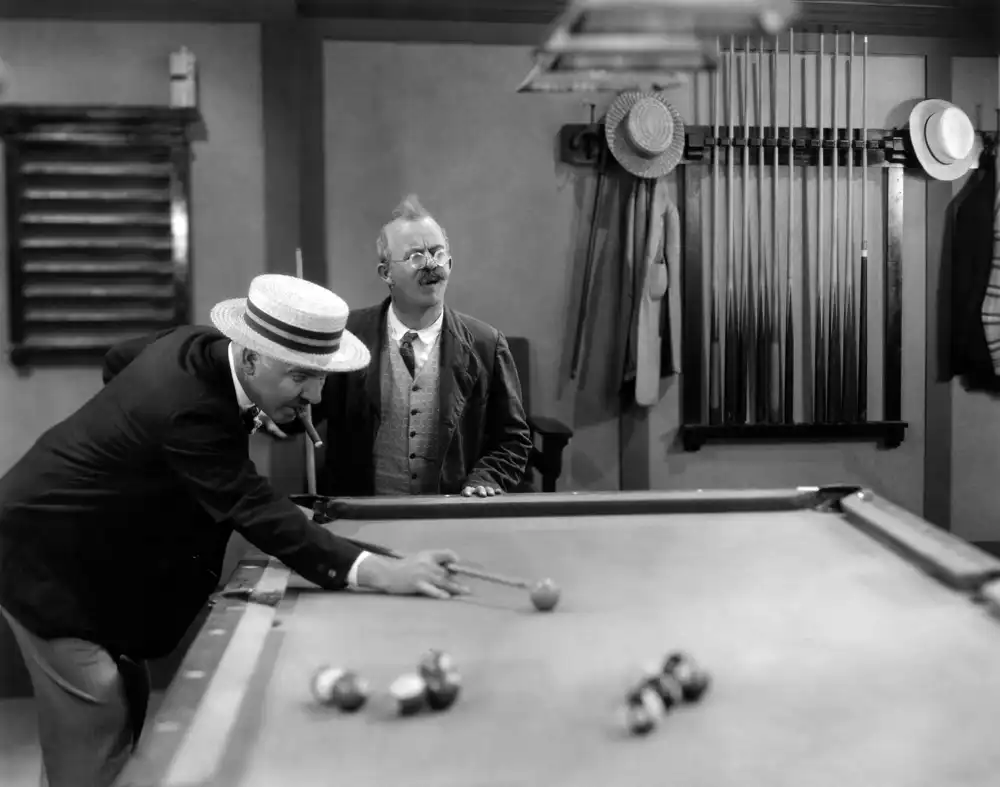
The pacing is... let's call it 'relaxed.' There’s a sequence involving a pool game that goes on for a long time. It’s meant to show the power dynamic between the two men, but it mostly just makes you realize how long it takes to set up a shot in 1928. The camera just sits there. It’s not particularly dynamic filmmaking.
One thing that really stood out to me was the crowd of extras in the oil field scenes. They all look genuinely miserable, which I suppose is realistic for people standing in the dirt waiting for a gusher, but they react to the 'oil' (which looks suspiciously like thin ink) with a kind of delayed enthusiasm that makes it obvious someone off-camera was waving a flag at them. It’s one of those moments that breaks the illusion completely.
Chester Conklin’s mustache is practically a character of its own. It’s so large and bushy that it hides half his expressions, which means he has to do all his acting with his eyes and his knees. He does this little trot when he’s excited that is actually pretty funny the first three times, but by the end of the film, you’re kind of over it.
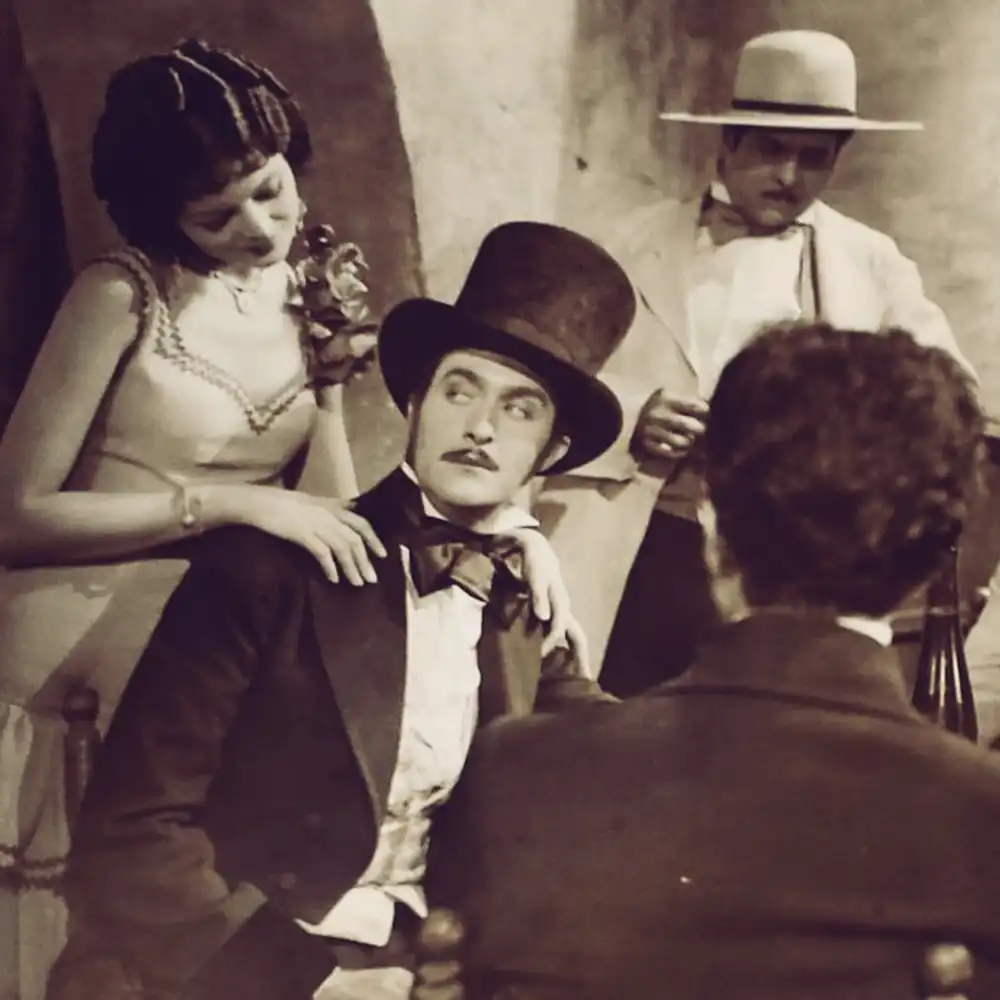
The romance subplot with Sally Blane and Jack Luden is entirely forgettable. They’re both very attractive people who seem to be in a completely different, much more boring movie. Every time the film cuts back to them, the energy just drops out of the room. You find yourself waiting for Fields to come back on screen and do something awkward with his hat.
It’s not as cohesive as something like The Talk of the Town, and it lacks the bite of the better silent comedies. The 'surprise' ending where they actually find oil feels tacked on, like the writers realized they’d made the situation too depressing and needed a quick exit. It’s a bit of a 'deus ex machina' via petroleum.
Is it a great movie? No. But it’s a weirdly personal one. You get the sense that the people making it were figuring out the 'buddy comedy' beats in real-time. Sometimes they hit, and sometimes you’re just staring at a long shot of a dusty road wondering when the next title card is going to show up.
The costume choices for Fields are also worth noting. He wears these suits that look just a half-size too small, which adds to the feeling that his character is constantly on the verge of being found out. It’s a small detail, but it works better than most of the scripted jokes.
In the end, it’s a curiosity. It’s for the person who wants to see the DNA of 1930s comedy being spliced together in a lab that’s still using silent film equipment. If you aren't a fan of the era's specific rhythms, you'll probably find yourself checking the runtime about forty minutes in.
IMDb 7.1
1930
Community
Log in to comment.