DbcultAccessing Vault...
Cult Review
Senior Film Conservator
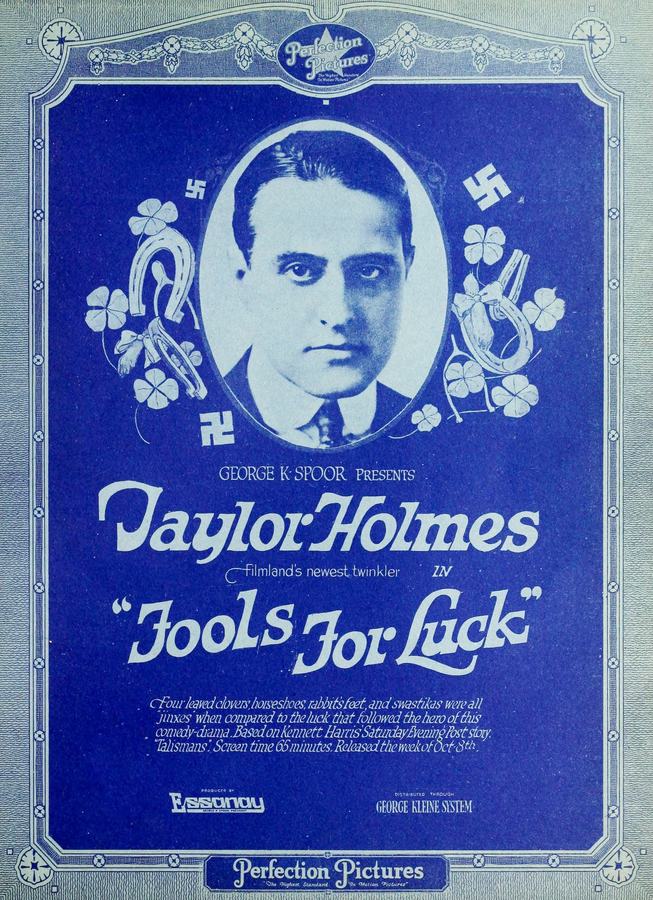
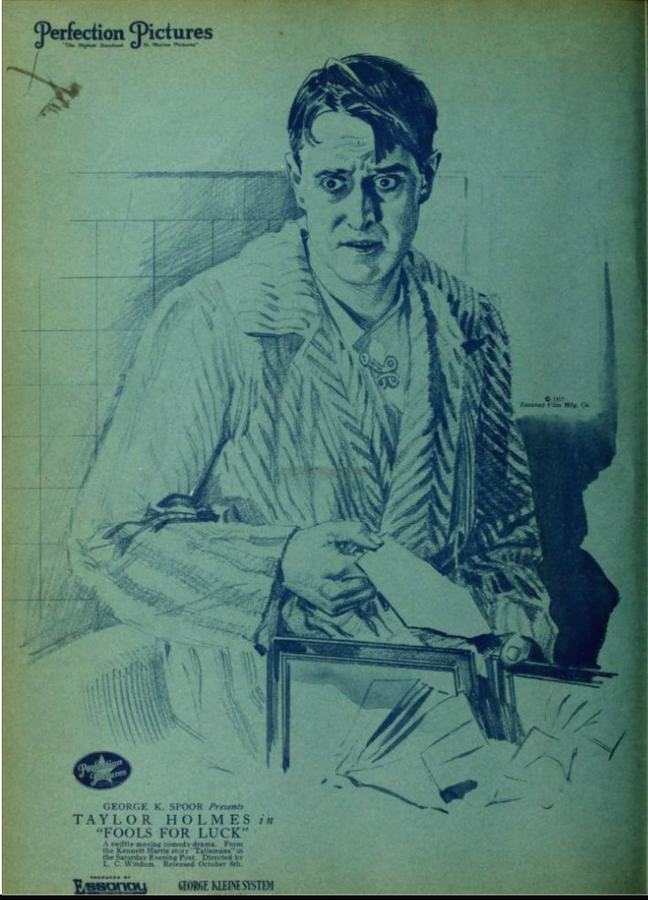
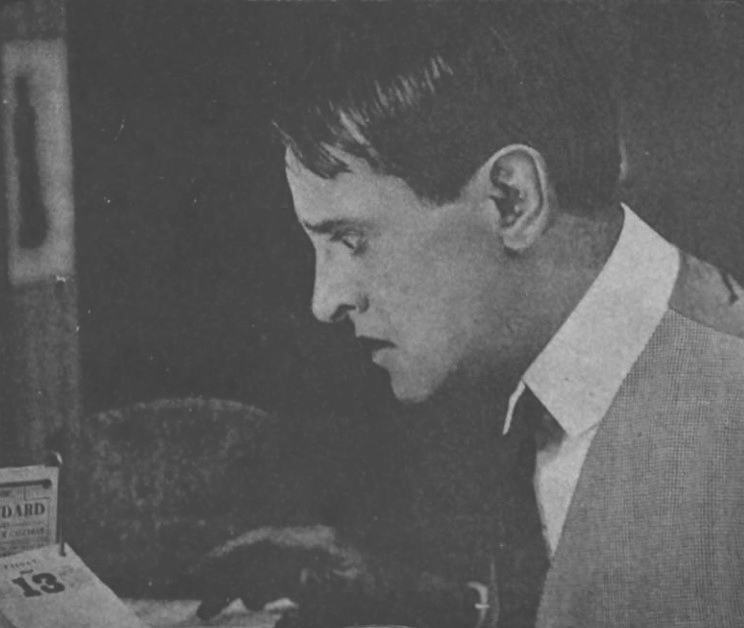
The flickering luminescence of early cinema often captured the grand narratives of human folly and redemption with an eloquence that transcended the spoken word. Among these cinematic artifacts, Fools for Luck emerges as a compelling testament to the era's storytelling prowess, a narrative woven with threads of chance, romance, and the profound recalibration of a man's moral compass. Directed with a keen eye for human foible and societal expectation, this silent film, featuring the charismatic Taylor Holmes as Philander Jepson and the luminous Helen Ferguson as Brunhilda, delves into the fascinating duality of a character whose professional acumen as an accountant stands in stark contrast to his clandestine, yet remarkably successful, life as a gambler.
Philander Jepson, as portrayed by Holmes, is not merely a man who gambles; he is a man who seemingly *understands* the very fabric of luck. His initial successes are depicted not as mere chance but as an almost scientific mastery of probability, a calculated dance with Dame Fortune herself. This initial portrayal of Jepson is crucial, setting him apart from the common rogue or simple thrill-seeker. He is intelligent, confident, and, in his own sphere, exceptionally gifted. The screenplay by Kenneth Harris and James Campbell deftly establishes this foundation, allowing us to appreciate the dizzying height from which Jepson is destined to fall, making his subsequent journey of self-discovery all the more poignant. This intricate character setup, where a seemingly respectable profession masks a risk-laden passion, resonates with the thematic complexity seen in films like The Duplicity of Hargraves, where characters navigate double lives and hidden agendas, though Fools for Luck grounds its protagonist's duality in a more personal, less overtly conspiratorial vein.
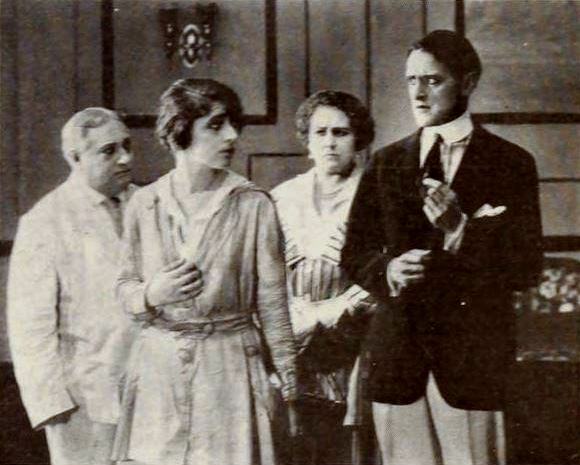
The narrative truly ignites with Jepson’s annual pilgrimage to the summer resorts, a traditional escapade that becomes the crucible for his destiny. Here, the film introduces Brunhilda, a character brought to life by Helen Ferguson with a delicate blend of innocence and spirited independence. Her parents, formidable in their protective instincts, perceive her as a precious, irreplaceable gem, guarding her with an almost feudal vigilance. This parental oversight, however, rather than deterring Jepson, merely serves as an irresistible challenge to his audacious spirit. It's a classic romantic trope, certainly, but rendered here with a freshness that speaks to the timeless allure of forbidden love and the thrill of the chase. Ferguson's performance, through subtle gestures and expressive glances, conveys Brunhilda's own blossoming affections, establishing a credible emotional core for their burgeoning romance.
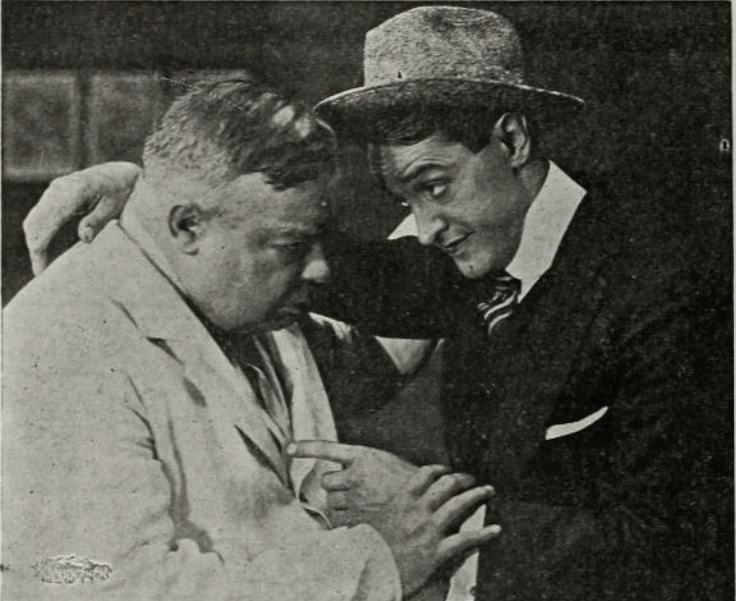
The romance, however, is but a fleeting moment of sunshine before the inevitable storm. The film masterfully pivots from lighthearted courtship to a dramatic confrontation with reality. Just as Philander and Brunhilda's connection deepens, the capricious hand of fate, which had once favored Jepson so generously, withdraws. This sudden shift in fortune is not merely a plot device; it serves as a powerful commentary on the inherent instability of a life built on chance. Brunhilda's father, embodying the stern moral rectitude of the era, uncovers the full extent of Jepson's gambling habits. This revelation is not a gentle admonishment but a decisive rupture, shattering the illusion of respectability that Philander had so carefully cultivated. Simultaneously, the very cronies from whom Jepson had so easily extracted his winnings now turn the tables, proving that even the most potent talismans—rabbit's feet, horseshoes, four-leaf clovers—are no match for the brutal pragmatism of a 'bartender's foot on a victim's chair,' a vivid metaphor for being utterly outmaneuvered and defeated. This sudden and thorough dismantling of Jepson’s world evokes the crushing reality of consequences, a theme powerfully explored in films such as Fear, where the protagonist is forced to confront the direct repercussions of their actions and choices, often leading to profound introspection.
The film’s genius lies in its depiction of Jepson’s response to this catastrophic downfall. Instead of succumbing to despair, he chooses a path of radical transformation. The request for his departure from his accounting firm is not just a dismissal; it is a symbolic severing of his past life. His subsequent struggle to find honest work, culminating in a fifty-dollar-a-week job that pays a mere ten percent of his previous earnings, is a stark portrayal of his humbled circumstances. Yet, it is precisely in this nadir that Philander begins his true ascent. He consciously discards all tokens and omens, rejecting the superstitious crutches that had once defined his identity. This act of disavowal is profound; it signifies a commitment to self-reliance and a rejection of the capricious nature of 'luck' in favor of earned success and integrity. This theme of a fresh start, a deliberate turning away from a past life of dubious morality, echoes the journey of characters in films like Charity Castle, where individuals often find themselves rebuilding their lives from scratch, driven by a newfound sense of purpose and ethical clarity.
What follows is a compelling demonstration of the adage that 'when one door closes, another opens.' Stripped of his gambling habit and his reliance on external good fortune, Philander unexpectedly finds that things begin to 'break right' for him. This isn't a miraculous return of his old 'luck,' but rather the quiet, steady rewards of diligence, honesty, and a clear conscience. The film subtly suggests that true prosperity, both material and spiritual, flows from a foundation of integrity rather than the shifting sands of chance. This shift is beautifully underscored by the climactic reunion during his next annual outing. Brunhilda, far from being repulsed by his changed circumstances, reveals that she had been observing him from a distance, her affection and respect for him having deepened precisely because of his transformation. Her admiration for his newfound character, rather than his former perceived 'success,' validates his arduous journey and offers a powerful affirmation of genuine love over superficial appeal.
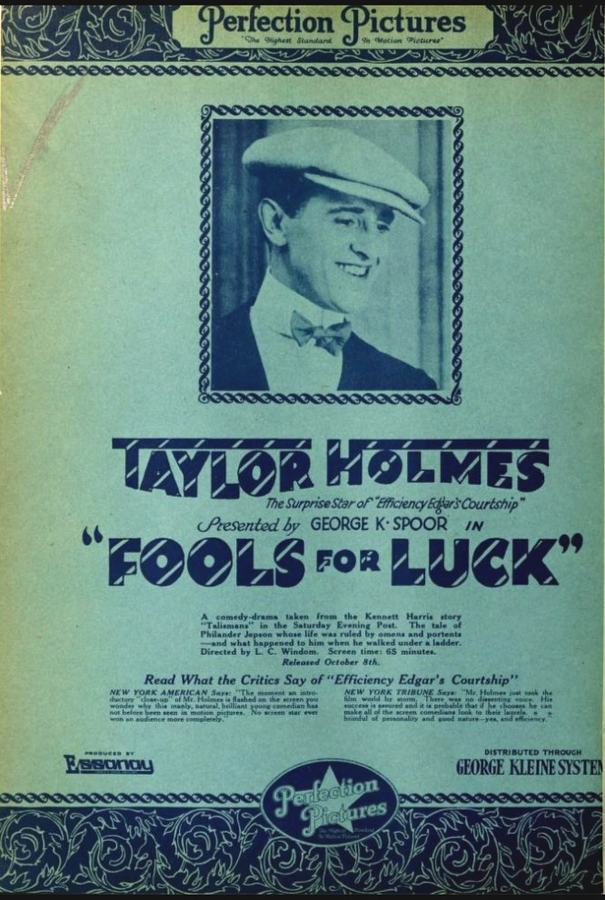
The performances in Fools for Luck are particularly noteworthy for their ability to convey complex emotions without dialogue. Taylor Holmes, as Philander, navigates a considerable emotional arc, moving from confident swagger to desperate humility and finally to quiet contentment. His facial expressions and body language are meticulously crafted, allowing the audience to intimately understand his internal struggles and triumphs. Helen Ferguson, as Brunhilda, projects an inner strength and loyalty that makes her character far more than a mere romantic interest. She is an active participant in Philander’s redemption, her unwavering belief in him serving as a beacon. The supporting cast, including Frances Raymond as Brunhilda’s watchful mother and James C. Carroll as her stern father, provide solid anchors to the societal pressures and familial expectations that shape the central conflict. These portrayals, while typical of the era's dramatic acting, manage to avoid caricature, lending a genuine human dimension to the story.
From a technical perspective, the cinematography of Fools for Luck is commendable, employing thoughtful framing and lighting to enhance the narrative. The scenes at the summer resort are imbued with a sense of leisure and elegance, contrasting sharply with the starker, more utilitarian settings of Jepson's subsequent struggles. The use of intertitles is artful, providing necessary exposition without disrupting the visual flow, a hallmark of well-executed silent cinema. The pacing, while deliberate, never drags, maintaining a steady momentum that keeps the audience invested in Philander’s fate. Comparing this to the kinetic energy of something like Hands Up!, Fools for Luck prefers a more measured, character-driven rhythm, allowing the emotional beats to land with greater impact.
The film’s thematic depth extends beyond simple morality. It subtly critiques the societal values that often equate wealth with worth, and external success with internal happiness. Philander’s journey challenges these notions, suggesting that true value lies in character, integrity, and genuine human connection. The concept of 'luck' itself is dissected; initially, it is a force to be manipulated for personal gain, but by the film’s conclusion, it is redefined not as a random external phenomenon, but as a byproduct of virtuous living. This philosophical undertone elevates Fools for Luck beyond a mere melodramatic romance, positioning it as a thoughtful exploration of human nature and moral evolution. This introspection into the nature of fortune and personal responsibility finds echoes in the more overtly dramatic turns of fate depicted in films such as In the Hands of the Law, though Fools for Luck opts for a resolution rooted in personal agency rather than external justice.
The enduring appeal of Fools for Luck lies in its timeless message. While the specific context of silent-era gambling and societal expectations might feel distant, the core themes of temptation, fall, redemption, and the transformative power of love remain universally resonant. It reminds us that appearances can be deceiving, that true character is forged in adversity, and that the greatest victories are often won not through external fortune, but through internal fortitude. The film stands as a quiet triumph, a compelling drama that speaks volumes without uttering a single word, inviting contemporary audiences to reflect on the perennial human struggle between vice and virtue, chance and choice. It’s a narrative that, much like the unexpected turns of life, manages to surprise and ultimately satisfy. The careful crafting of the plot by Kenneth Harris and James Campbell ensures that each twist and turn feels earned, each character's motivation clear, contributing to a cohesive and emotionally resonant experience. The writers’ ability to construct such a complete and engaging narrative within the constraints of silent film is a testament to their skill, building a story that stands proudly alongside other character-driven dramas of the era, such as Her Father's Son, which also explored familial dynamics and personal growth.
In an age saturated with overt dialogue and rapid-fire exposition, Fools for Luck serves as a powerful reminder of the artistry inherent in visual storytelling. It’s a film that demands engagement, asking its audience to interpret nuances of expression, the subtle language of gesture, and the symbolic weight of its mise-en-scène. This active participation enriches the viewing experience, making the eventual triumph of Philander’s good sense and the steadfast love of Brunhilda all the more impactful. The film doesn't preach; it demonstrates, illustrating through compelling narrative and nuanced performances that true fortune is not found in the fleeting thrill of a winning hand, but in the steadfast pursuit of integrity and the unwavering embrace of genuine connection. It's a classic example of how silent cinema could weave intricate moral tapestries, often more effectively than their sound counterparts, by leveraging the universal language of human emotion. The delicate balance between melodrama and genuine character development is skillfully maintained, ensuring that the film avoids becoming overly simplistic in its moralizing. Instead, it presents a nuanced portrait of a man's struggle with his own nature and the societal pressures he faces, ultimately finding a path to self-respect and lasting happiness. This journey of self-discovery and moral rectitude can be seen as a precursor to themes explored in later, more complex psychological dramas, yet it retains a unique charm and directness that is characteristic of its era. The film's message, that true 'luck' is forged through personal transformation rather than chance, remains as pertinent today as it was nearly a century ago.
Ultimately, Fools for Luck is more than just a period piece; it is a timeless exploration of human character, resilience, and the sometimes-circuitous path to genuine happiness. It’s a film that, through its silent eloquence, speaks volumes about the choices we make and the values we choose to uphold. The performances of Helen Ferguson and Taylor Holmes are particularly commendable, anchoring the emotional core of the narrative with grace and conviction. Their on-screen chemistry, conveyed through subtle glances and shared moments, elevates the romance beyond mere plot device, making it a believable catalyst for Philander's transformation. The film's enduring power lies in its ability to present a moral tale without ever feeling didactic, allowing the audience to witness Philander's journey and draw their own conclusions about the true meaning of fortune. It’s a testament to the enduring power of classic storytelling and the unique magic of silent cinema, a genre that, when executed with such skill and heart, can still captivate and resonate with modern viewers. The film's understated elegance and profound message place it among the more thoughtful and emotionally satisfying productions of its time, a true gem in the vast tapestry of silent film history. Its subtle commentary on societal expectations and personal integrity ensures its relevance, inviting continuous re-evaluation and appreciation.
The creative vision of Kenneth Harris and James Campbell, the writers behind this compelling narrative, cannot be overstated. Their ability to craft a story with such distinct character arcs and thematic resonance within the silent film medium speaks volumes about their understanding of visual storytelling. They built a world where a man's internal struggle is externalized through his interactions and reversals of fortune, a technique that requires precision and a deep understanding of human psychology. The journey of Philander Jepson, from a confident gambler to a humbled, yet ultimately happier, individual, is meticulously plotted, avoiding simplistic resolutions in favor of a more earned redemption. This layered approach to character development is what elevates Fools for Luck beyond a mere cautionary tale, transforming it into a nuanced exploration of growth and self-awareness. The film’s ability to communicate complex ideas and emotions without spoken dialogue is a testament to the power of their script, which provides a robust framework for the actors and director to build upon. This level of narrative sophistication can be compared to the meticulous plotting found in other silent era dramas, such as Lady Audley's Secret, where intricate narratives unfold through visual cues and character interactions rather than verbal exposition.
The final scenes, depicting Brunhilda's unwavering affection despite Philander's changed circumstances, provide a deeply satisfying emotional resolution. It's not a grand, dramatic declaration, but a quiet, profound affirmation of love that transcends material wealth or social standing. This understated approach to the romantic conclusion feels authentic, reinforcing the film's overarching message about the true values in life. The enduring image is one of mutual respect and genuine connection, a bond forged through adversity and understanding. This kind of nuanced romantic arc, where love is tested and proven through trials, distinguishes Fools for Luck from more superficial romantic comedies or dramas of the period, aligning it more with the emotional depth found in films like The Lotus Dancer, which often explored the complexities of relationships and personal sacrifice. The film does not shy away from the harsh realities of Philander's fall, making his eventual rise all the more impactful. The shift from a life of high-stakes gambling to one of honest, if modest, work is portrayed with dignity, emphasizing the nobility of labor and the peace that comes from a clear conscience. The film truly captures the essence of a man finding his footing after a significant stumble, learning valuable lessons about himself and the world around him. This narrative of personal growth and moral awakening is a powerful and timeless one, making Fools for Luck a film that continues to resonate with audiences who appreciate stories of human resilience and the pursuit of a meaningful life beyond superficial gains. The contrast between Philander’s initial arrogance and his eventual humility is handled with a delicate touch, allowing the audience to empathize with his journey rather than simply judging his past actions. It’s a masterclass in silent storytelling, demonstrating how much can be conveyed through the subtle interplay of performance, direction, and narrative structure.

IMDb 6.4
1932
Community
Log in to comment.