DbcultAccessing Vault...
Cult Review
Senior Film Conservator
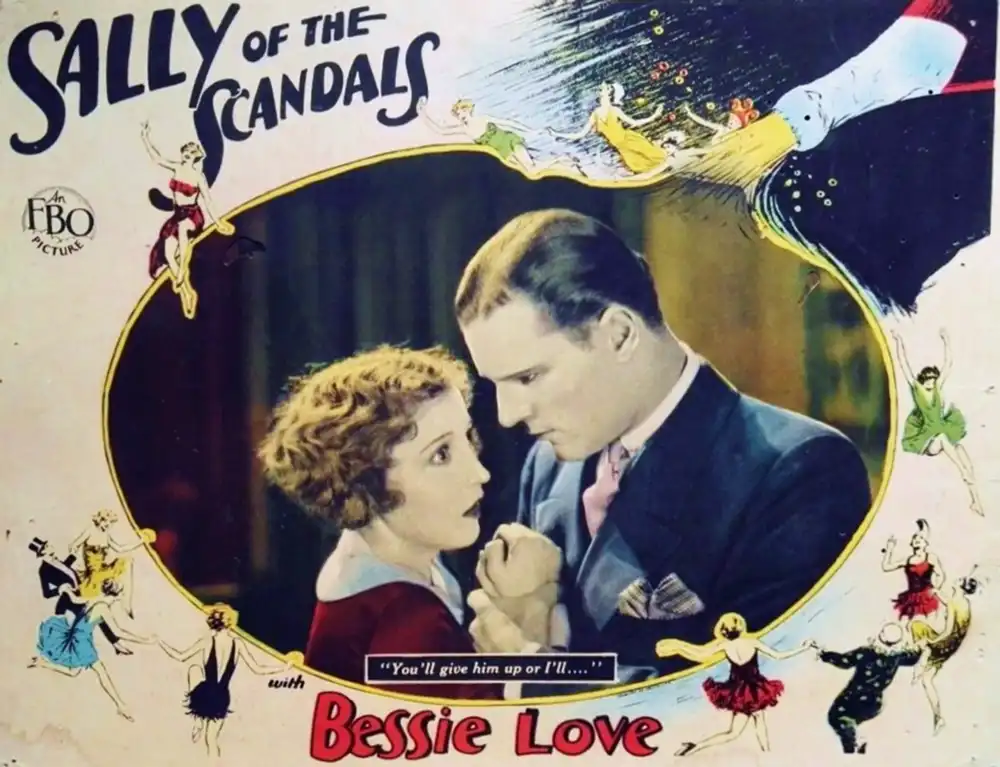
Alright, so if you're looking for a quick, flashy silent film to blow your socks off, Sally of the Scandals probably isn't it. It's not a lost masterpiece, no, but for silent film enthusiasts, or folks who just really appreciate seeing Bessie Love work, there’s some quiet charm here. If you can't stand slower pacing or dialogue cards, you'll probably bounce off this pretty fast. 😬
Bessie Love, she’s really trying her best here as Sally. You can see her putting in the work, even when the plot kinda meanders a bit. There’s this one scene where she’s just reacting to some gossip, and her face goes through about five different emotions in ten seconds. It’s pretty good acting for its time.
The story, such as it is, follows Sally through a series of public mishaps, hence the "scandals." It feels like the filmmakers just kept piling on little dramas for her to overcome. She’s a performer, I think? It’s not always super clear about her exact career, just that she’s in the public eye. 🎭
One thing that sticks out is the sheer number of reaction shots. Every time someone says something scandalous (via intertitle, of course), the camera pans around to show everyone’s surprised or judging face. It happens so often, you start to anticipate it. Like, "Okay, who's next to look shocked?"
Jerry Miley plays the sort of dashing, but maybe a little too smooth, love interest. He’s got that classic silent film leading man look. You know the type. Not a ton of depth, but he fills the frame nicely when he’s supposed to be charming Sally.
The whole bit with Kusell's Dancing Debutantes? That’s something. They pop up a few times, doing these synchronized routines. It's a fun distraction, even if it feels a little disconnected from Sally's personal woes. You just kinda wonder how many takes it took for them to all hit their marks in sync back then. No sound to guide them!
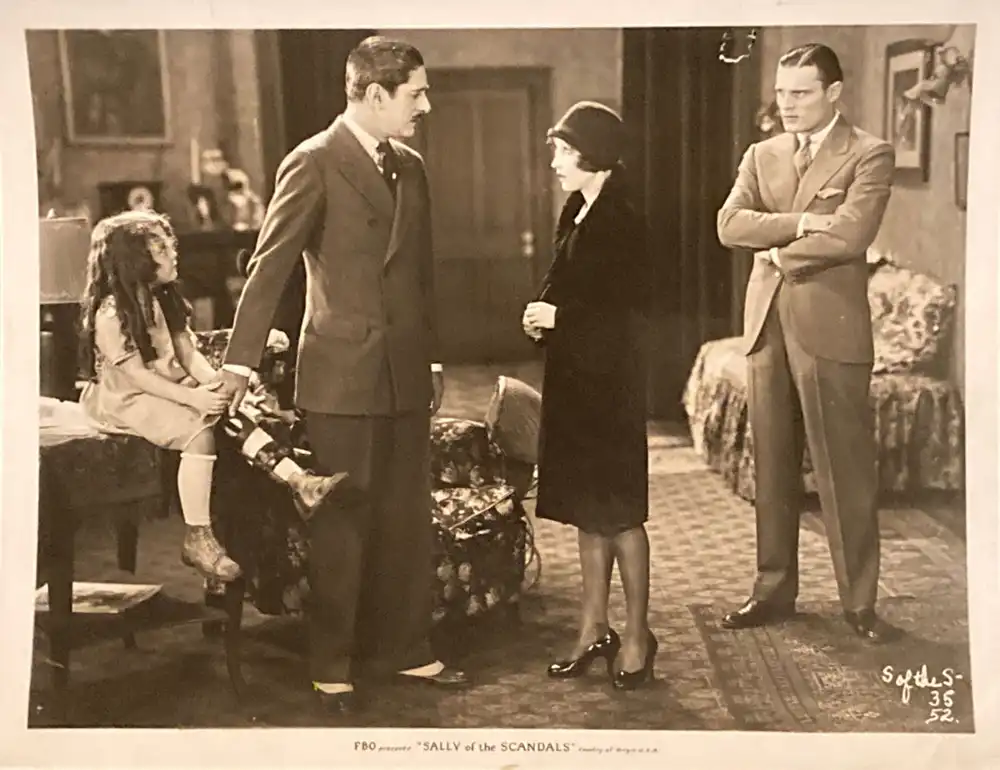
There are these moments where the film just... lingers. A character will walk across a room, and the camera just follows them slowly, almost in real-time. It's not bad, just different from how movies move today. It lets you really take in the costumes and sets, which are actually quite detailed for a smaller production.
Irene Lambert as a rival or antagonist, she’s got a good sneer. She doesn’t have a ton to do beyond looking disapproving or causing trouble, but she does it with conviction. You can tell she’s the one you’re supposed to dislike. No subtlety there. 😉
The pacing, it's a bit of a mixed bag. Sometimes it picks up, especially when Sally is in a tight spot. Other times, it just kinda coasts along. You might find yourself checking your watch, but then something silly or heartfelt happens, and you're back in. It’s a very 1928 kind of rhythm.
There's a particular close-up of Bessie Love near the end, where she’s just about to cry but holding it back. That shot, it really gets you. It shows what a good silent actress could do with just her eyes and a quiver of the lip. You don’t need dialogue when someone can convey that much.
The ending wraps things up pretty neatly, as you’d expect from a film like this. All the misunderstandings get sorted, and Sally finds her happy place. It’s not groundbreaking, but it’s satisfying enough. It leaves you feeling like, "Okay, Sally finally caught a break."
So, if you're a silent film completist or just want to see Bessie Love in action, give Sally of the Scandals a look. It’s not a film that demands your full attention every second, but it’s a pleasant way to spend an hour or so, appreciating how these stories were told a hundred years ago. It’s a little piece of film history, after all. And that's pretty neat. ✨
IMDb —
1920
Community
Log in to comment.