DbcultAccessing Vault...
Cult Review
Senior Film Conservator
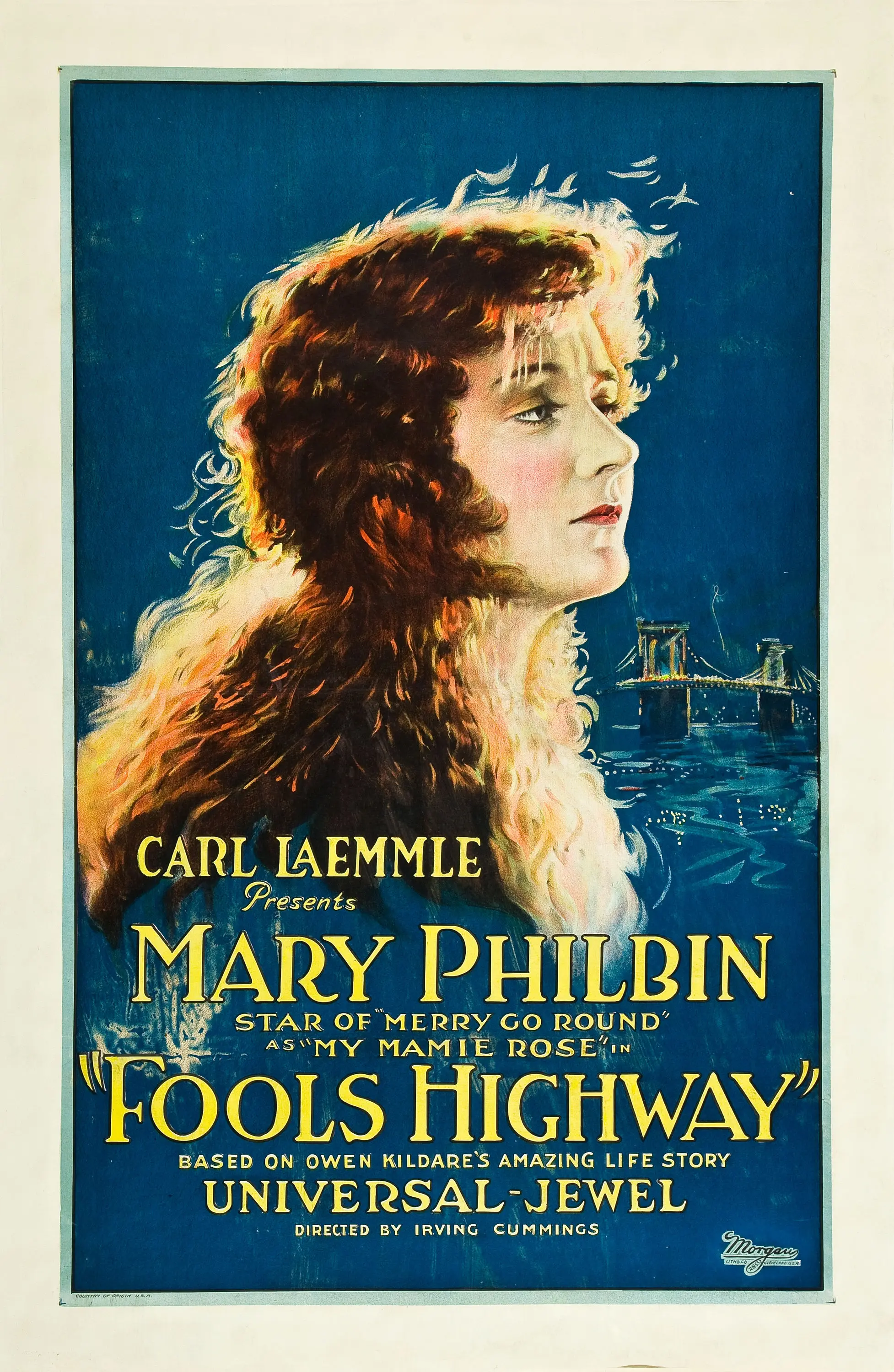
In the early 20th century, New York City's Bowery district pulsed with life, a melting pot of cultures and stories waiting to be told. Among these tales is that of 'Fools Highway', a silent film that brings to life the journey of Mike Kildare, a young Irish-American with a penchant for swagger and a gang to match. His life takes a dramatic turn when he comes to the defense of Mamie Rose, a gentle soul working as a mender in a secondhand clothing shop.
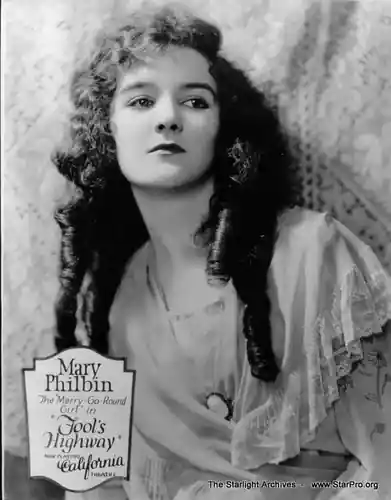
The film masterfully depicts the tough, yet endearing Mike Kildare, played by Tom O'Brien, as he navigates the complexities of loyalty, love, and redemption. Mamie, portrayed by Kate Price, is the epitome of grace and resilience, capturing the hearts of not one but two men: Mike and Max Davidson, the kind-hearted nephew of her Jewish tailor boss, Old Levi.
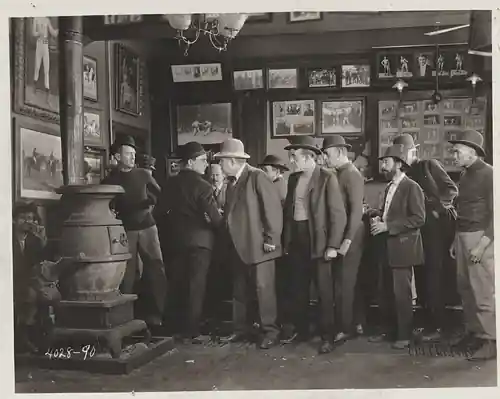
The narrative expertly weaves together themes of transformation and societal integration, as Mike forsakes his gang to prove his love for Mamie. This decision comes with a steep price: a severe beating in an underground den, a scene that underscores the harsh realities of gang life and Mike's unwavering commitment to change.
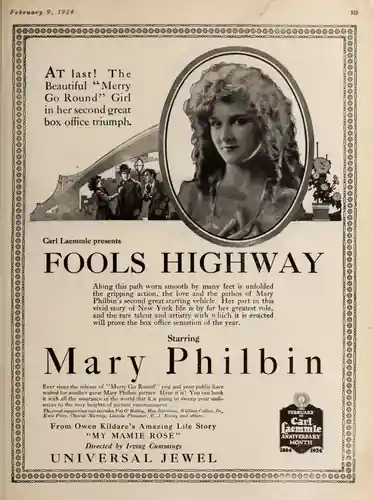
As Mike reformed and seeks to win Mamie's hand, the film takes the audience on a journey of self-discovery and redemption. Mike's decision to join the police force is a pivotal moment, symbolizing his transition from a life of thuggery to one of service and respectability. This transformation is reminiscent of other silent films of the era, such as Roads of Destiny and Faith Endurin', which also explored themes of personal struggle and redemption.
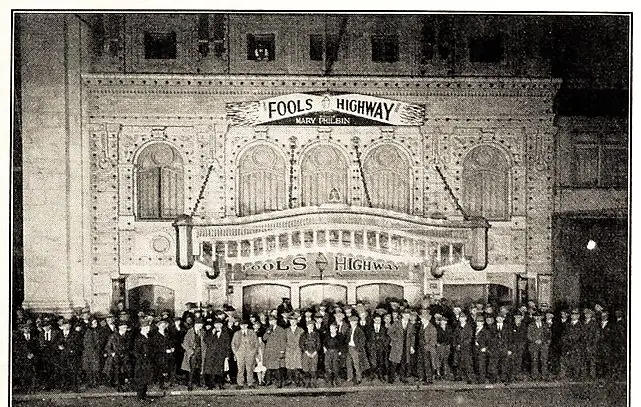
The performances of the cast, including Ed Brady, James Sheridan, Mary Philbin, and Lincoln Plumer, add depth to the narrative, creating a rich tapestry of characters that drive the story forward. Max Davidson's portrayal of the gentle and kind Max is particularly noteworthy, serving as a foil to Mike's ruggedness and highlighting the contrast between their approaches to love and life.
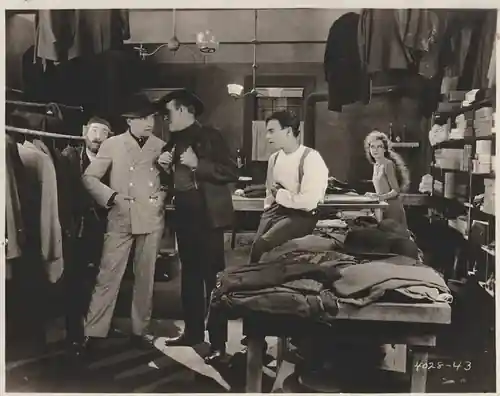
In comparison to other films of the era, such as Die Flucht ins Jenseits oder: Die dunkle Gasse von New York and The Red Lane, 'Fools Highway' stands out for its nuanced exploration of cultural identity and integration in early 20th-century New York. The film's attention to detail in depicting the era's settings and costumes adds to its authenticity, making it a compelling watch for fans of silent cinema.
The direction by Emil Forst, Owen Frawley Kildare, Lenore J. Coffee, and Harvey Gates results in a film that is both a product of its time and a timeless tale of love and redemption. 'Fools Highway' is a testament to the power of cinema to capture the human experience, with all its complexities and contradictions. As a piece of cinematic history, it offers insights into the societal norms and values of the era, as well as the enduring themes that continue to resonate with audiences today.
In conclusion, 'Fools Highway' is a poignant and powerful film that deserves recognition for its contribution to the silent film era. Its exploration of love, redemption, and transformation, set against the vibrant backdrop of early 20th-century New York City, makes it a compelling watch for audiences interested in the history of cinema and the universal themes that continue to connect us all.
IMDb —
1934
Community
Log in to comment.